

Workout Clothes Starting to Smell? How to Eliminate Odors Fast
If you love working out, you probably notice something annoying: your workout clothes start to smell even after washing. That sweaty odor can stick around, making your favorite gym shirt or leggings unpleasant to wear. It’s not just embarrassing—it can also make you feel less fresh and confident during your routine.
Why does this happen? Is it normal? Most importantly, what can you do to fix it and prevent it in the future? Understanding the real reasons behind lingering smells in activewear is the first step. With the right information, you can keep your sports gear clean, odor-free, and long-lasting.
Let’s explore why workout clothes smell, how to remove stubborn odors, and tips to stop them from coming back. You’ll also discover some key facts that most people miss, and learn how to get the best from your fitness wardrobe.
Why Workout Clothes Start To Smell
Sweaty smells in workout clothes are common, but there are several causes behind that stubborn odor. Understanding these can help you tackle the problem more effectively.
The Science Of Sweat And Odor
Sweat itself is mostly water and is naturally odorless. The real problem is bacteria. When you work out, sweat collects on your skin and your clothes. Bacteria on your body and in the fabric break down proteins and fats in sweat, creating strong, unpleasant smells.
Synthetic fabrics like polyester and nylon, which are common in sportswear, can trap sweat deep inside their fibers. Unlike cotton, these materials don’t breathe as well. Moisture and bacteria can get trapped, making it harder to wash out smells.
Detergent Build-up
Many people use too much detergent, thinking it will clean their clothes better. However, excess detergent can actually stay in the fabric, especially in synthetic materials. This build-up can trap bacteria and odors, making the problem worse over time.
Skipping Quick Washes
If you leave sweaty gym clothes in a bag or laundry basket for hours (or days), bacteria have more time to grow. The result: even more stubborn odors that are harder to remove.
Fabric Softeners And Their Effects
Fabric softeners can coat fibers with a waxy layer that locks in odors. While they make clothes feel soft, they actually make it harder for water and detergent to reach and remove the bacteria.
Key Insight: Not all smells are from sweat. Sometimes, the fabric itself can break down over time, producing a “musty” or “old” smell that regular washing won’t fix.
How To Properly Wash Workout Clothes
Washing your workout gear the right way is critical to remove odors and keep fabrics in good shape. Here’s a step-by-step guide to cleaning your activewear.
1. Turn Clothes Inside Out
Odor-causing bacteria and sweat usually collect on the inside of your clothes, next to your skin. Turning them inside out helps the detergent reach these areas more effectively.
2. Rinse Immediately After Use
If you can’t wash sweaty clothes right away, rinse them under cold water. This helps remove much of the sweat and bacteria before they set in.
3. Use The Right Detergent
Look for a sports detergent or one labeled for “odor removal.” These are designed to break down sweat, oils, and bacteria better than regular detergents.
4. Avoid Fabric Softeners
Skip softeners completely for activewear. They leave a coating on synthetic fibers, trapping smells inside.
5. Don’t Overload The Washer
Wash your workout clothes separately, not with heavy items like towels or jeans. Overloading means less water and detergent can circulate, so smells stay trapped.
6. Use Cold Water
Hot water can set protein stains and odors into synthetic fabrics. Cold water is best for rinsing away sweat and bacteria without damaging fibers.
7. Add Vinegar Or Baking Soda
Once a month, try adding half a cup of white vinegar or baking soda to the wash. Both help neutralize odors naturally, without damaging activewear fibers.
8. Extra Rinse Cycle
Run an extra rinse if your washer has this feature. It helps remove any leftover detergent or bacteria.
9. Air Dry Whenever Possible
High heat can break down synthetic fibers over time, making them trap more odors. Hang your clothes to dry in a well-ventilated space.
Non-Obvious Tip: Always check your washing machine’s rubber seals and detergent drawer. Mold can grow here, adding new smells to your clean clothes!
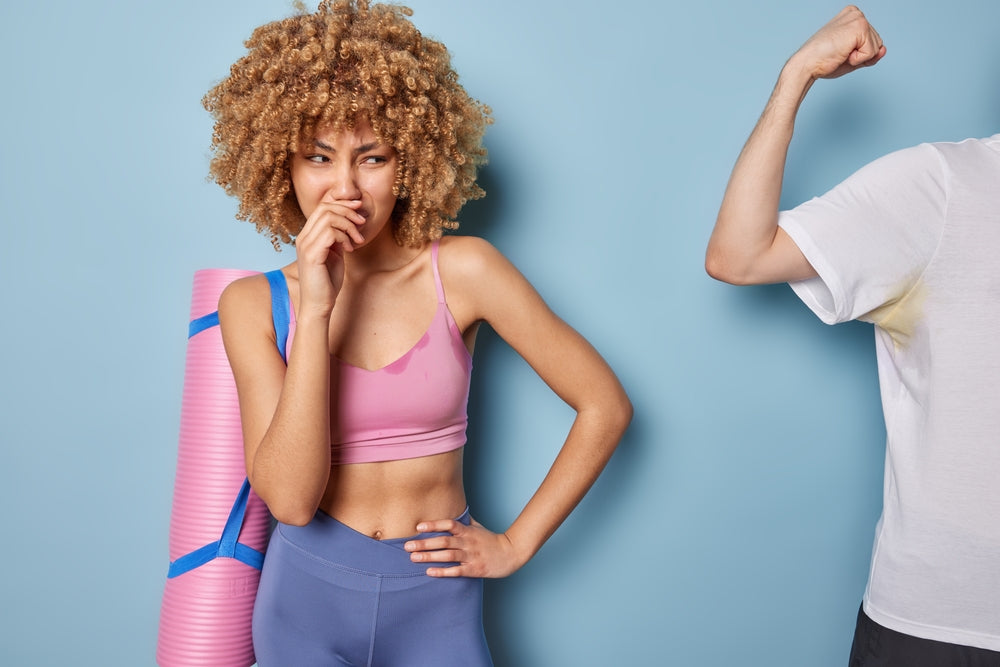
Credit: hercleon.com
Most Common Mistakes When Washing Workout Clothes
Even if you wash your gym wear often, small mistakes can make odors worse. Here’s what to avoid:
- Using too much detergent. This leaves residue that traps smells.
- Mixing with regular laundry. Heavy or dirty items can transfer bacteria and make odors worse.
- Leaving clothes wet in the washer. This creates a breeding ground for mold and bacteria.
- Using dryer sheets or fabric softener. These coat fabrics and block cleaning.
- Skipping pre-rinse. Letting sweat sit encourages odor-causing bacteria.
Best Products For Smelly Workout Clothes
Some laundry products can make a big difference. Here are a few types to consider:
Sports-specific Detergents
These are designed for synthetic fabrics and to target sweat, oil, and bacteria. Popular brands include Hex, WIN, and Tide Sport.
Odor Neutralizers
Vinegar and baking soda are safe and cheap. Use them in your wash cycle to boost odor-fighting power.
Enzyme-based Cleaners
Enzymes break down proteins and fats in sweat, which normal detergents can miss. Look for labels that mention “enzymes” or “protein removal. ”
Practical Example: If your favorite running shirt still smells after washing, try soaking it overnight in a mix of cold water and vinegar before washing as usual.
Preventing Odor Build-up In Workout Clothes
Prevention is better than cure. Here are some ways to keep smells from starting:
1. Change Out Of Sweaty Clothes Quickly
The longer you stay in wet, sweaty gear, the more time bacteria have to grow. Change as soon as your workout is done.
2. Store Clothes Properly Before Washing
Keep dirty clothes in a breathable bag or hang them to dry before putting them in the laundry basket. Avoid plastic bags, which trap moisture.
3. Wash Clothes Promptly
Try to wash your gear the same day or within 24 hours. If not, rinse with water and hang to dry until you can wash them.
4. Use Antimicrobial Sprays
Some sprays are designed to kill bacteria on fabrics between washes. Spray on high-sweat areas like armpits and crotch.
5. Rotate Your Workout Wardrobe
Don’t wear the same gear two days in a row. Give each item time to air out and dry completely.
Non-Obvious Insight: Using less detergent can actually keep your clothes fresher. Most people use too much, which traps more bacteria in the fibers.
Home Remedies For Removing Odor
If smells stick around after normal washing, try these simple home treatments.
Vinegar Soak
Mix one part white vinegar to four parts cold water. Soak clothes for 30–60 minutes, then wash as usual. Vinegar helps kill bacteria and break down build-up.
Baking Soda Paste
For stubborn spots (like armpits), make a paste of baking soda and water. Rub into the area and let sit for 30 minutes before washing.
Sunlight
UV rays from the sun can naturally kill bacteria and freshen fabrics. Hang your workout clothes outside for a few hours if possible.
Lemon Juice
Mix half a cup of lemon juice with two cups of water and soak clothes for 30 minutes. Lemon juice is a natural deodorizer and brightener.
Important Note: Always check the care label before trying home remedies, especially for delicate or expensive fabrics.
How Fabric Type Affects Odor
Different workout clothes are made from different materials, and some are more prone to smells than others.
Here’s a comparison of common fabrics and their odor resistance:
| Fabric Type | Odor Resistance | Care Tips |
|---|---|---|
| Polyester | Low (traps odor easily) | Wash quickly, avoid fabric softener |
| Nylon | Medium (better than polyester) | Air dry, use sports detergent |
| Merino Wool | High (natural odor control) | Gentle wash, air dry |
| Cotton | Medium (breathes well, but holds moisture) | Wash with hot water, dry thoroughly |
| Bamboo | High (antimicrobial) | Cold wash, gentle cycle |
Merino wool and bamboo are naturally resistant to odor-causing bacteria, which is why they’re popular in higher-end activewear.
Pro Tip: If you struggle with odor, try switching to merino wool or bamboo-based gym clothes for your base layer.
How Often Should You Wash Workout Clothes?
This depends on how hard you sweat, the weather, and the type of exercise. However, here are some general guidelines:
- Tops and sports bras: After every use. These are closest to your skin and collect the most sweat.
- Leggings and shorts: After every use, especially if you sweat a lot or do high-intensity exercise.
- Jackets or outer layers: After 3–4 wears unless they get very sweaty or dirty.
- Socks and underwear: Always after every use.
Example: If you do yoga and don’t sweat much, you might get two uses from a top. But after running or HIIT, wash everything right away.
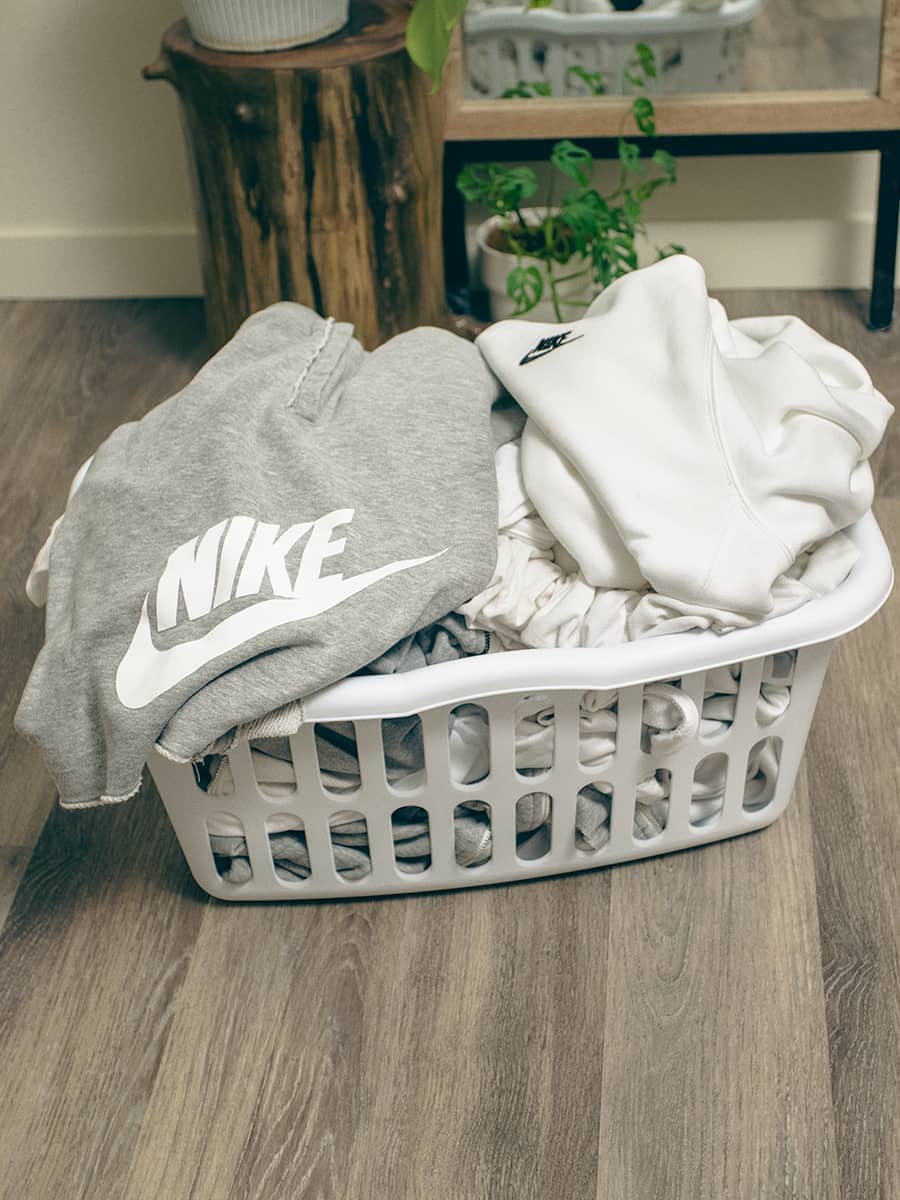
Credit: www.nike.com
Special Care For High-sweat Areas
Some parts of your workout clothes—like the armpits, crotch, and waistband—can hold onto odors more than others.
Pre-treating Problem Spots
Before washing, apply a small amount of sports detergent or an enzyme cleaner directly to these areas. Let it sit for 10–15 minutes before putting in the wash.
Scrubbing
For persistent smells, gently scrub with a soft toothbrush and baking soda paste. This helps remove build-up in the fibers.
Double Wash
If a smell remains, wash the item twice in a row: first with baking soda, then with your usual detergent.
Key Insight: Odors can build up deep inside seams and stitching, not just the fabric surface. Pay special attention to these areas.
Signs It’s Time To Replace Your Workout Clothes
No matter how well you wash, sometimes workout clothes just can’t be saved. Here are signs you may need to buy new gear:
- Persistent odor that won’t go away, even after deep cleaning
- Fabric feels stiff or sticky, a sign of trapped residue
- Visible mildew or mold stains
- Stretch or shape loss that makes clothes uncomfortable or less effective
- Threadbare areas where bacteria can hide
Experience Tip: If you’ve tried every wash method and the smell returns after each workout, it’s time for a new shirt or pair of leggings.
Storage Tips To Keep Clothes Fresh
How you store your workout clothes matters just as much as how you wash them.
Let Clothes Dry Completely
Never put damp clothes in drawers or bags. Moisture creates the perfect environment for bacteria and mold.
Use Breathable Storage
Choose mesh bags or open shelves over sealed plastic containers. Good airflow keeps fabrics dry and fresh.
Add Odor Absorbers
Place a small bag of baking soda or activated charcoal in your gym bag or drawer. These absorb moisture and odors.
Rotate Your Wardrobe
Don’t keep wearing and washing the same gear every day. Give each item time to air out between uses.
Practical Tip: If you often forget clothes in your gym bag, set a phone reminder to unpack and hang them as soon as you get home.
Environmental Factors That Make Odor Worse
Sometimes, the environment where you live or work out can affect how your clothes smell.
Humidity
High humidity helps bacteria multiply faster. Clothes take longer to dry, which lets odors develop.
Poor Ventilation
Small, closed spaces (like lockers or gym bags) trap moisture and smells. Try to store clothes in a cool, dry, and well-ventilated place.
Hard Water
If your tap water has lots of minerals, detergents may not work as well. This can leave residues that trap smells. Use a water softener if this is a problem in your area.
Interesting Fact: According to research, bacteria like *Micrococcus* are more active in humid environments and are a main cause of body odor in clothing.
How Washing Machines Affect Workout Clothes
Your washer can help—or hurt—how fresh your clothes smell.
Front Loaders Vs. Top Loaders
Front-loading machines use less water, so they may not rinse out all sweat and detergent. Run regular cleaning cycles to avoid musty smells.
Top-loading machines usually give better water flow but can tangle or stretch delicate fabrics.
Washer Maintenance
Clean your washing machine monthly. Run an empty hot cycle with white vinegar or a washer cleaner. Wipe down seals and detergent trays to stop mold growth.
Choosing The Right Cycle
Use a gentle or sportswear cycle if available. These are designed to be tough on odors but gentle on technical fabrics.
Here’s a simple comparison of washing machine types and their effect on activewear:
| Machine Type | Pros | Cons |
|---|---|---|
| Front Loader | Efficient, gentle on clothes | Can develop mold; less water for rinsing |
| Top Loader | More water, better rinsing | Can be rough on delicate fabrics |
| Hand Wash | Very gentle, controlled cleaning | Time-consuming, not ideal for large loads |
Pro Tip: Leaving the washer door open after each use helps it dry out and reduces musty smells.
Best Practices For Gym Bags And Accessories
It’s not just your clothes—gym bags, shoes, and accessories can also trap odors.
Cleaning Your Gym Bag
Empty and air out your gym bag after each use. Wash it every few weeks if possible, following the care label.
Freshening Shoes And Gloves
Use shoe deodorizers or sprinkle baking soda inside after each workout. Wash gloves, straps, and other accessories regularly.
Keeping Accessories Separate
Store sweaty accessories in a separate mesh bag, not directly with clean clothes. This prevents cross-contamination of odors.
Key Point: Most people forget to clean their gym bag, which can make freshly washed clothes smell bad again.
When To Seek Professional Help
If you’ve tried every method but still have odor problems, it may be time to consult a professional cleaner. Some dry cleaners offer special treatments for technical fabrics and tough odors.
This is especially helpful if:
- You have expensive activewear (like Lululemon or Nike Pro lines)
- You notice mold or mildew stains
- Clothes are labeled “dry clean only”
Real-life Example: Fixing Smelly Workout Clothes
Let’s look at a typical situation: Alex works out five days a week and washes his gym clothes with regular detergent. Over time, his shirts start to smell, even after washing. He tries using more detergent, but the odor gets worse.
Here’s what worked for Alex:
- He switched to a sports detergent and used less of it.
- He stopped using fabric softener.
- He started hanging clothes to dry right after workouts.
- He added a vinegar soak once a month.
- He cleaned his washing machine with vinegar.
Within a few weeks, the odor was gone, and his clothes felt fresher and lasted longer.
Credit: www.onepeloton.com
Frequently Asked Questions
Why Do My Workout Clothes Smell After Washing?
Sweat is mostly odorless, but bacteria feed on it and create strong smells. Synthetic fabrics trap sweat and bacteria, making it harder for regular detergent to clean. Detergent build-up and not drying clothes properly can also leave odors behind.
Can I Use Regular Detergent For Activewear?
You can, but it’s not ideal. Regular detergents may not break down sweat and oils trapped in synthetic fibers. Sports-specific detergents or enzyme cleaners work better for removing stubborn odors and keeping fabrics in good shape.
How Can I Remove Odor From Workout Clothes Naturally?
Try soaking clothes in white vinegar or using baking soda in the wash. Sunlight is another natural deodorizer. Always air out clothes quickly after wearing and avoid leaving them damp.
Should I Wash My Gym Bag And Accessories?
Yes. Gym bags, shoes, and accessories can trap sweat and bacteria, spreading odors to clean clothes. Wash bags and accessories regularly and let everything dry completely before storing.
What If Nothing Removes The Odor From My Workout Clothes?
If deep cleaning and soaking don’t work, it may be time to replace the clothes. Over time, synthetic fibers can break down and hold onto smells permanently. Sometimes, professional cleaning can help with expensive or delicate items.
If you want more in-depth advice, the Healthline guide to washing workout clothes provides expert tips.
Keeping your workout clothes fresh is possible with a few smart changes to your routine. Understand why odors happen, avoid common mistakes, and use the right cleaning methods. With care, your activewear will stay comfortable, smell great, and last much longer—helping you feel your best during every workout.
