

Best Way to Wash Sweaty Gym Clothes: Keep Activewear Fresh
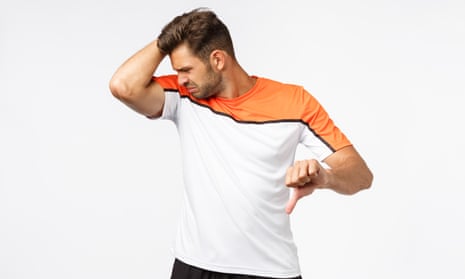
Sweaty gym clothes can be a real headache. After a hard workout, your clothes are not just wet; they are full of bacteria, salt, oils, and sometimes stubborn smells. Many people think a normal wash is enough, but that often leaves odors and stains behind.
If you want your gym gear to last longer, smell fresh, and stay comfortable, you need a better approach.
This guide explains the best way to wash sweaty gym clothes. You will learn why regular laundry routines are not enough, which products work best, and how to avoid common mistakes. Whether you train daily or just once a week, these steps will help you keep your activewear in top shape, save money, and avoid embarrassing smells.
Why Gym Clothes Need Special Care
Gym clothes, or activewear, are made from special fabrics like polyester, spandex, and nylon. These materials are designed to stretch, wick moisture, and dry fast. However, they also trap sweat, oils, and bacteria deep inside the fibers.
Regular washing does not always remove these elements. Over time, bacteria can cause stubborn odors and even damage the fabric. Detergent and softener can also build up, making your clothes less breathable and less effective at moisture control.
Key reasons gym clothes need special care:
- Synthetic fibers hold on to sweat and bacteria
- Odor-causing bacteria survive normal washes
- Build-up from softeners and detergent blocks fabric performance
- Improper washing wears out stretchy fabrics faster
Understanding these challenges is the first step to cleaner, longer-lasting workout clothes.
Pre-wash Steps: What To Do Before Washing
Taking the right steps before you wash can make a big difference. These actions help remove sweat, bacteria, and stains before they set in.
1. Remove Gym Clothes Immediately
Do not leave sweaty clothes in your gym bag or hamper. Bacteria and mildew grow fast in warm, damp conditions. Always take your clothes out as soon as possible.
Tip: Turn your clothes inside out. This exposes the most soiled part to air and washing.
2. Rinse Or Soak Quickly
If you cannot wash your clothes right away, rinse them under cold water or soak them in a sink with a little white vinegar. This helps remove sweat and prevents odors from setting.
Example: Mix one part white vinegar to four parts cold water and soak for 15 minutes.
3. Pre-treat Stains And Odors
Sweat stains under the arms or on collars need special attention.
- Use a gentle stain remover or a paste of baking soda and water.
- Apply directly to stains and let it sit for 15-30 minutes.
4. Avoid Fabric Softeners In Pre-treatment
Fabric softeners can coat fibers, making it harder to remove sweat and bacteria. Skip them at this stage.
These small steps can prevent big problems later, making your main wash more effective.
Choosing The Right Detergent For Activewear
The detergent you use has a huge impact on gym clothes. Many regular detergents are designed for cotton and everyday dirt, not the sweat and oils found in activewear.
What To Look For In A Detergent
- Enzyme-based formulas: These break down sweat, oils, and bacteria.
- Free from dyes and perfumes: Fragrances can irritate skin and build up in fabric.
- No fabric softener: Softener blocks the tiny holes in synthetic fibers, reducing breathability.
Top Detergent Choices
- Sports detergents: Specially made for workout clothes, these are best at removing odors and sweat.
- Sensitive skin formulas: If you have allergies, choose a gentle, fragrance-free detergent.
- DIY options: For a natural approach, use a mix of baking soda and white vinegar.
Comparing Detergents
Here’s a quick comparison of detergent types for sweaty gym clothes:
| Detergent Type | Best For | Key Benefit | Drawback |
|---|---|---|---|
| Sports Detergent | Odor, bacteria | Deep cleaning, odor removal | More expensive |
| Sensitive Skin | Allergies, gentle fabrics | No irritation | May not remove tough odors |
| DIY (Baking Soda/Vinegar) | Natural cleaning | Cheap, eco-friendly | Less effective on heavy stains |
Non-obvious insight: Some high-end sports detergents include zinc or silver ions, which help kill odor-causing bacteria even after washing. This can keep clothes fresher between washes.
Washing Gym Clothes: Settings, Water, And Machine Tips
How you wash is as important as what you wash with. Using the right settings and methods prevents damage and keeps activewear working well.
Water Temperature
- Cold water is best for synthetic gym clothes. Hot water can break down stretchy fibers and cause shrinking.
- Cold water also saves energy and prevents color fading.
Machine Settings
- Use the gentle cycle or a cycle made for activewear. This reduces wear and tear.
- Only fill the machine halfway. Overloading means less cleaning power and more friction, which wears out fabrics.
Using Mesh Laundry Bags
Mesh bags protect delicate clothes from rough agitation and stretching. Place bras, leggings, and shirts in separate bags.
Amount Of Detergent
More detergent is not better. Use the recommended amount or even a little less for gym clothes. Too much detergent can leave residue that traps odors.
Extra Rinse Cycle
Gym clothes often need an extra rinse to remove all soap and sweat. This keeps fabric soft and prevents skin irritation.
Front Loader Vs. Top Loader
Front-loading machines are usually gentler and use less water. If you only have a top loader, choose a gentle setting and avoid the agitator if possible.
Example: After a heavy workout, put your clothes in a mesh bag, add a sports detergent, select a cold, gentle cycle, and use an extra rinse.
Drying Gym Clothes The Right Way
Proper drying is key to keeping gym gear stretchy, soft, and odor-free. The wrong method can ruin clothes quickly.
Air Drying
Air drying is the best method for most gym clothes. Hang items on a drying rack or line, making sure there is space between each piece for air flow.
Tip: Turn clothes inside out to help them dry faster and reduce fading.
Machine Drying
If you must use a dryer:
- Choose the lowest heat setting or tumble dry with no heat.
- Remove clothes while still slightly damp to avoid over-drying, which damages elastic fibers.
Avoid Direct Sunlight
Sun can fade colors and weaken fabric over time. Dry indoors or in the shade if possible.
Speeding Up Drying
If you need clothes dry fast:
- Use a fan or place the rack near a window.
- Roll clothes in a towel and press to remove extra water before hanging.
Non-obvious insight: Some modern sports clothes have anti-microbial coatings. High heat in the dryer can destroy these, so always check labels and avoid heat when possible.
Mistakes To Avoid When Washing Gym Clothes
Many people wash gym clothes the same way as regular laundry. This causes problems that can ruin your favorite gear or make odors worse.
Common Mistakes
- Using fabric softener: It leaves a waxy film that traps bacteria and sweat.
- Overloading the machine: Clothes do not get clean and fabrics rub together, causing pilling.
- Skipping pre-treatment: Sweat and odors set in if not handled early.
- Washing with towels or jeans: Rough fabrics can damage activewear.
- Ignoring care labels: Some clothes need special handling or cold water only.
- Using too much detergent: This leaves residue and traps odors.
- Using high heat: Hot water or dryers can shrink or destroy stretchy fibers.
How To Avoid These Problems
- Always check labels for washing instructions.
- Wash gym clothes separately from heavy items.
- Skip softeners and use only the right amount of detergent.
- Choose cold water and gentle cycles.
Removing Stubborn Odors From Gym Clothes
Even with good washing, some odors stay. Here’s how to get rid of them for good.
Deep Soaking
Soak clothes in a mix of white vinegar and cold water (1:4 ratio) for 30 minutes before washing. Vinegar kills bacteria and neutralizes smells.
Baking Soda Boost
Add half a cup of baking soda to your wash. It helps remove tough odors and softens water for better cleaning.
Enzyme Soaks
Use enzyme powders made for sports gear. Mix with water and soak clothes for one hour. Enzymes break down sweat and bacteria that normal detergent misses.
Sunlight (with Care)
Short exposure to sunlight can help kill bacteria, but do not leave clothes out too long or colors may fade.
Avoid Overusing Fragrances
Covering smells with strong fragrance only adds build-up. Focus on cleaning, not masking.
Example: If your gym shirt still smells after washing, soak it overnight in a solution of cold water and vinegar, then wash as normal.
How Often Should You Wash Sweaty Gym Clothes?
Washing frequency depends on how much you sweat and the type of activity. In general:
- After every workout: Wash clothes that are soaked or smell bad.
- Light sweat: You can air out and re-wear once, but wash after two uses.
- Socks, underwear, sports bras: Always wash after each use.
Non-obvious insight: Even if your clothes look clean, bacteria can grow in damp fabric within hours. Never store worn gym clothes without washing for more than a day.
What About Washing Accessories?
Do not forget items like hats, gloves, wristbands, and gym bags. These also collect sweat and bacteria.
- Hats: Hand wash with mild detergent; air dry.
- Gloves: Check if machine washable; otherwise, hand wash and air dry.
- Wristbands: Machine wash in a mesh bag; air dry.
- Gym bags: Wipe inside with disinfectant wipes; wash fabric bags in the machine on gentle.
Example: Wash your hat in a sink with a drop of sports detergent, rinse well, and hang to dry.
Storing Gym Clothes After Washing
Clean gym clothes need proper storage to prevent new odors and damage.
- Let dry fully before putting away.
- Store in a cool, dry place. Avoid plastic bags, which trap moisture.
- Fold or hang neatly to keep shape and avoid wrinkles.
If clothes smell after storage, wash again with baking soda or vinegar.
How To Wash Different Types Of Gym Clothes
Activewear comes in many styles and fabrics. Each type needs a slightly different approach.
Leggings And Tights
- Wash inside out in cold water.
- Use a mesh bag to avoid snags.
- Air dry flat to keep shape.
Sports Bras
- Hand wash if possible. If machine washing, use a mesh bag.
- Fasten hooks or straps to prevent tangling.
- Air dry. Heat ruins stretch.
Performance Shirts
- Turn inside out.
- Wash with similar fabrics.
- Avoid dryer; hang to dry.
Socks
- Wash after each use.
- Use hot water if made of cotton. For synthetic, stick to cold.
- Air dry for elastic socks.
Shoes
- Remove insoles and laces.
- Wash by hand with mild soap.
- Air dry. Do not use a dryer.
Comparison: Washing Methods For Common Gym Items
| Item | Best Washing Method | Drying Method | Special Tip |
|---|---|---|---|
| Leggings | Machine, cold, mesh bag | Air dry flat | Turn inside out |
| Sports Bra | Hand wash or mesh bag | Air dry | Fasten hooks |
| Performance Shirt | Machine, cold, gentle | Hang to dry | Avoid dryer |
| Socks | Machine, hot/cold | Air dry | Wash after each use |
| Shoes | Hand wash | Air dry | Remove insoles |
Eco-friendly Tips For Washing Gym Clothes
Many laundry habits waste water, energy, and chemicals. You can keep clothes clean and help the planet with these simple tips:
- Wash full loads (but do not overload): Saves water and energy.
- Use cold water: Cuts energy use and protects fabric.
- Choose eco-friendly detergents: Look for biodegradable or plant-based formulas.
- Skip the dryer: Air drying uses no energy and extends garment life.
- Use less detergent: Too much is not only bad for clothes, but also the environment.
- Fix small tears quickly: Extend the life of your gym gear by repairing, not replacing.
Example: Switching to cold water for all gym loads can reduce your laundry energy use by up to 90%.
Credit: www.theguardian.com
When To Replace Your Gym Clothes
No matter how well you care for them, gym clothes do not last forever. Watch for these signs that it is time to replace:
- Loss of stretch: Clothes feel loose or saggy.
- Permanent odor: Smell stays after several deep washes.
- Faded or damaged fabric: Holes, pilling, or thinning.
- Stains that won’t go away: Visible sweat marks or discoloration.
Wearing worn-out gear can be uncomfortable and less effective at moisture control.
Tip: If your clothes are clean but still smell or feel odd, it may be time for new ones.
How To Wash Gym Clothes When Traveling
Travel often means limited laundry options. Here’s how to manage sweaty gym clothes on the road:
- Pack a small bottle of sports detergent.
- Hand wash in a hotel sink: Use cold water and a few drops of detergent.
- Rinse well and wring out gently.
- Hang to dry overnight on a hanger or over the shower rod.
- Use a dry bag or zip bag: For holding dirty clothes until you can wash.
Non-obvious insight: Some travel-size laundry sheets dissolve easily in water and do not spill, making them perfect for gym clothes on the go.
Credit: www.nike.com
The Science Behind Odor In Gym Clothes
Sweat itself is not smelly. The odor comes from bacteria breaking down sweat and oils left in your clothes. Synthetic fabrics, while good for wicking moisture, can hold bacteria deep in the fibers.
- Micrococcus bacteria are a main cause of sweat smells in polyester fabrics.
- These bacteria survive normal washing and multiply in damp conditions.
Example: If you notice a "wet dog" smell after washing, it is likely from bacteria that survived. Deep soaking and enzyme treatments can help.
For more on the science of laundry and bacteria, see this research article.
Real-world Routine: A Week Of Gym Laundry
To help you picture the process, here is an example routine for someone who works out five times per week.
- Day 1: After workout, remove clothes, turn inside out, rinse with cold water, hang to air until wash day.
- Day 3: Pre-treat sweaty spots with baking soda paste. Soak in vinegar solution for 30 minutes.
- Day 4: Machine wash with sports detergent, cold gentle cycle, extra rinse. Air dry everything on racks.
- Day 5: Rotate clean clothes in storage, repair any loose seams, store fully dry items.
Key point: Consistency is more important than using fancy products. Sticking to this routine keeps gym clothes fresh and lasting longer.

Credit: laundrysauce.com
Frequently Asked Questions
Why Do My Gym Clothes Still Smell After Washing?
Odors remain because bacteria survive regular washes, especially in synthetic fabrics. Sweat and oils get trapped deep inside. Use enzyme-based detergents, pre-soak with vinegar, and avoid fabric softeners for better results.
Can I Wash Gym Clothes With Regular Laundry?
It is best to wash gym clothes separately. Towels and jeans can damage delicate activewear, and detergent build-up can trap odors. If you must combine loads, use a gentle cycle and avoid heavy items.
Is It Okay To Use Hot Water For Washing?
Hot water can damage stretchy fibers in activewear and cause shrinking. Cold water is gentler, saves energy, and is just as effective with the right detergent.
Do I Have To Wash Gym Clothes After Every Use?
Clothes that are soaked with sweat or smell bad should be washed after each workout. For light sweat, you can air out and re-wear once, but do not wait more than two wears.
How Can I Dry Gym Clothes Quickly Without A Dryer?
Roll clothes in a towel and press to remove extra water, then hang them in a well-ventilated area. Use a fan or open window for faster drying. Avoid direct sun to protect colors.
Keeping your sweaty gym clothes clean does not have to be hard. With the right steps, you can prevent odors, extend the life of your activewear, and stay comfortable during every workout. Start using these tips today and enjoy fresher, longer-lasting gym gear.
