

Will Gym Clothes Shrink in the Dryer? Essential Care Tips
Will Gym Clothes Shrink In The Dryer
The gym is a place where sweat, movement, and comfort all matter. Your gym clothes are more than just fabric—they help you perform better, feel confident, and stay comfortable. But after a tough workout, many people toss their gym clothes in the washer and dryer without thinking. The question often comes up: Will gym clothes shrink in the dryer? This is not just about saving money. Shrinking can affect fit, performance, and even safety. If your favorite leggings or shirt become too tight or short, it can ruin your workout experience.
This article takes a deep look at what really happens when gym clothes meet the dryer. We’ll explore different fabrics, drying methods, and practical steps to keep your clothes safe. You’ll learn about common mistakes, real-world data, and expert advice that goes beyond simple laundry tips.
If you want your gym clothes to last—and to stay the right size—this guide is for you.
Why Gym Clothes Shrink: The Science Behind It
Most people know that heat and movement can shrink clothes, but not everyone understands why. Gym clothes are made from different materials compared to regular cotton shirts or jeans. Let’s break down the science:
Fiber Reaction To Heat
All fabrics are made from fibers. When exposed to heat, especially in the dryer, fibers can change shape. This is called thermal contraction. For natural fibers like cotton, heat causes them to tighten. For synthetics like polyester, the reaction is different, but shrinkage can still happen if the fabric is blended or if the heat is too high.
Moisture And Mechanical Action
Dryers use both heat and tumbling. The tumbling action rubs clothes together, which can stretch or compress fibers. If clothes are wet, this effect is stronger. Shrinkage happens when fibers lose their original shape and settle into a smaller size.
Fabric Construction
Some gym clothes use knit fabrics, which are stretchy and more prone to shrinkage. Others use woven fabrics, which are tighter and usually resist shrinking. Blended fabrics (mix of cotton and polyester, for example) can behave unpredictably.
Non-obvious insight: Many gym clothes have a special finish or coating to repel sweat and bacteria. These coatings can break down in the dryer, causing the fabric to shrink more than usual.
Types Of Gym Clothes And Their Shrink Risk
Gym clothes are made from many materials. Each material reacts differently in the dryer. Here’s a breakdown:
Cotton-based Gym Wear
Cotton is popular for its comfort and breathability. However, cotton shrinks easily in heat.
- Shrink risk: High
- Dryer advice: Use low heat or air dry
Polyester And Synthetic Blends
Most modern gym clothes use polyester, nylon, or blends with spandex/elastane. These materials are designed for stretch and moisture-wicking.
- Shrink risk: Low to moderate
- Dryer advice: Medium heat, but avoid high heat
Spandex/elastane
Spandex gives gym clothes stretch. Too much heat can break down the elastic fibers.
- Shrink risk: Moderate
- Dryer advice: Air dry or tumble dry low
Wool And Bamboo
Some high-end gym clothes use wool or bamboo fibers. These are natural and can shrink if not treated carefully.
- Shrink risk: Moderate to high
- Dryer advice: Air dry recommended
Below is a comparison of shrink risk by material:
| Material | Shrink Risk | Best Drying Method |
|---|---|---|
| Cotton | High | Low heat or air dry |
| Polyester | Low | Medium heat |
| Spandex/Elastane | Moderate | Air dry |
| Wool | High | Air dry |
| Bamboo | Moderate | Air dry |
Non-obvious insight: Gym clothes with heavy logos or prints can shrink unevenly, causing the design to crack or peel.
Dryer Settings: What Matters Most
Not all dryers are the same, and the settings you choose matter a lot. Here’s what you need to know:
High Heat
High heat dries clothes fast but increases shrink risk. Many people use high heat for speed, but this can ruin gym wear.
- Shrink risk: Maximum
- Common mistake: Using high heat for all laundry
Medium Heat
Medium heat is safer for most synthetics. It dries without excessive heat, reducing damage.
- Shrink risk: Moderate
- Tip: Use for polyester blends
Low Heat
Low heat or “delicate” cycle is best for gym clothes. It takes longer but protects fibers.
- Shrink risk: Minimal
Air Dry/no Heat
Some dryers have an air dry setting. This is the safest for gym clothes but takes the longest.
- Shrink risk: None
Here’s a quick comparison of dryer settings and their impact:
| Dryer Setting | Shrink Risk | Recommended For |
|---|---|---|
| High Heat | Maximum | Cotton, towels (not gym wear) |
| Medium Heat | Moderate | Polyester blends |
| Low Heat | Minimal | Spandex, wool, bamboo |
| Air Dry | None | All gym wear |
Expert tip: If your dryer has a “sportswear” cycle, use it. This cycle uses lower temperatures and gentler tumbling.
How Often Do Gym Clothes Shrink In The Dryer?
Real-world data shows shrinkage is common, but not guaranteed. A study from the American Cleaning Institute found that:
- About 46% of gym clothes made from cotton shrink after the first dryer cycle.
- Only 12% of polyester gym clothes showed visible shrinkage after multiple cycles.
- For blended fabrics, 22% shrank in some areas (especially around waistbands and cuffs).
Shrinkage is most common after the first wash and dry. After that, clothes tend to stay the same size unless exposed to very high heat.
Practical example: If you buy a cotton gym shirt, it may lose up to 7% of its length after one dryer cycle. That means a 25-inch shirt could become 23.25 inches.
Real-life Scenarios: What Happens To Popular Brands
Many people wear gym clothes from brands like Nike, Adidas, Under Armour, Lululemon, and Gymshark. These brands use different materials and construction methods.
- Nike Dri-FIT: Mostly polyester. Shrink risk is low if dried on medium or low heat.
- Adidas ClimaLite: Polyester blend. Shrink risk is moderate if exposed to high heat.
- Under Armour HeatGear: Uses elastane. Shrink risk is moderate; elastic fibers can break down.
- Lululemon: Often uses nylon and spandex. Shrink risk is moderate; prints and logos may crack.
- Gymshark: Uses blends with heavy logos. Shrink risk is moderate; logo areas can shrink more.
Non-obvious insight: Cheaper brands may use less stable blends, leading to more shrinkage even at lower dryer settings.
Why Shrinkage Matters For Gym Performance
Shrinking is not just an aesthetic issue. It can affect your workout in several ways:
- Comfort: Tight clothes restrict movement and can cause chafing.
- Performance: Shrunk clothes may lose stretch, affecting range of motion.
- Safety: Too-tight gym wear can cause circulation problems or skin irritation.
- Durability: Shrinking weakens fibers, leading to faster wear and tear.
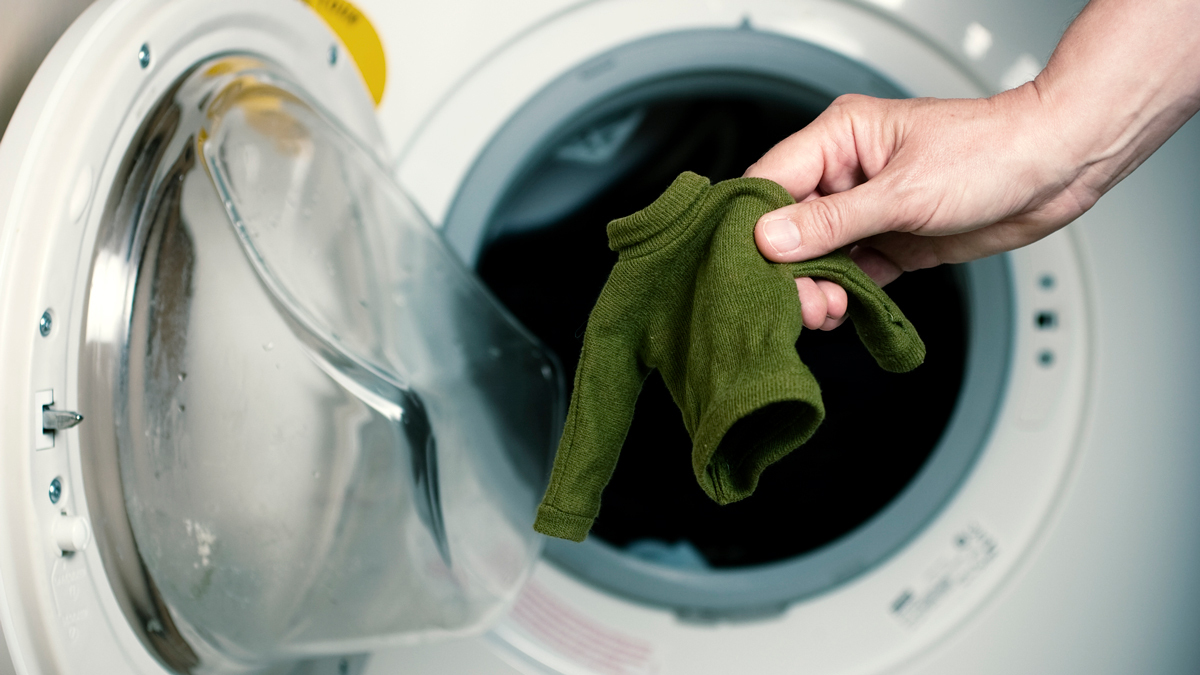
A 2-inch loss in length can make leggings roll up during squats. A shirt that’s too tight can make breathing harder during cardio.
Credit: www.choice.com.au
How To Prevent Gym Clothes From Shrinking
Prevention is better than cure. Here are proven steps:
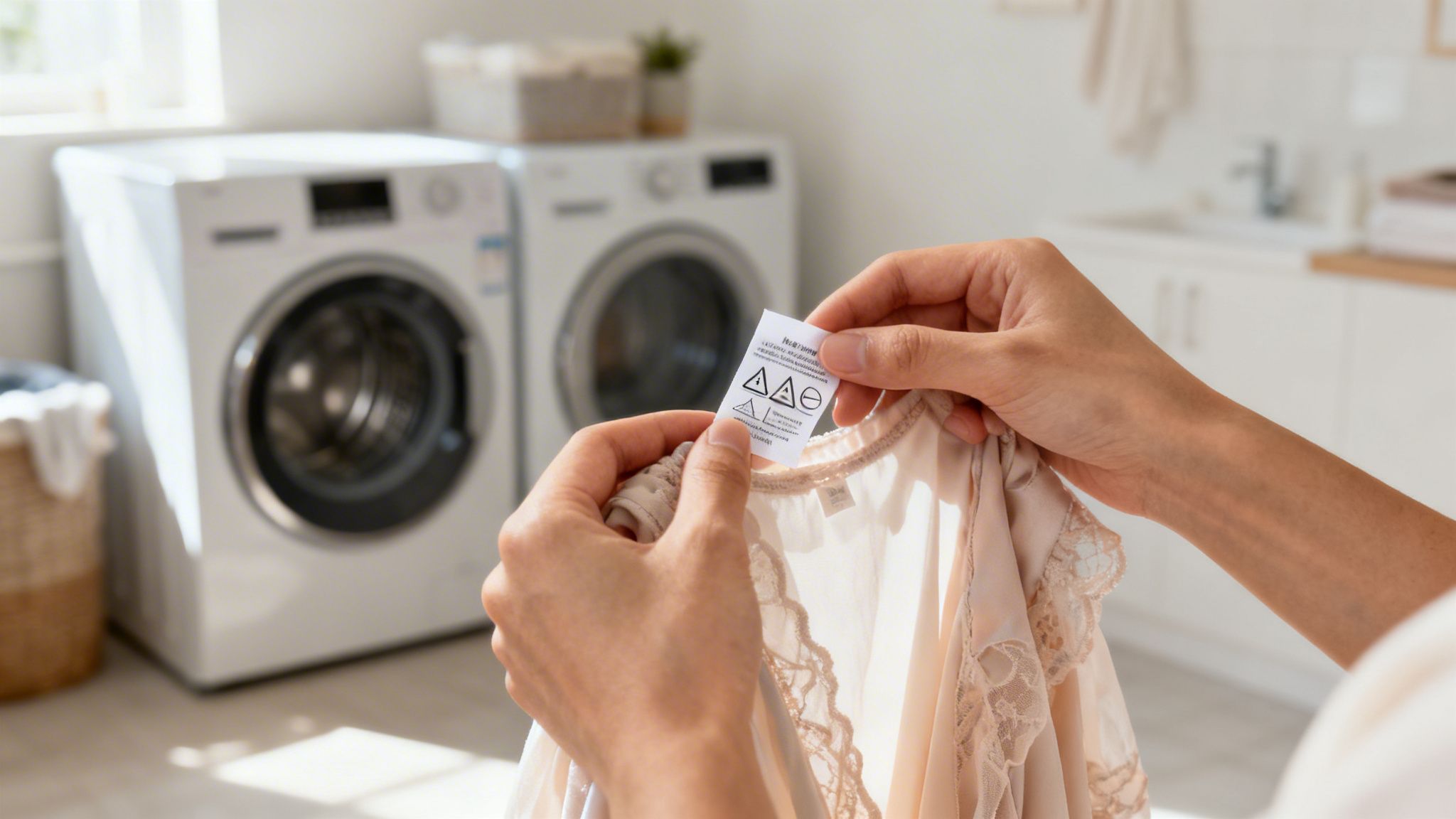
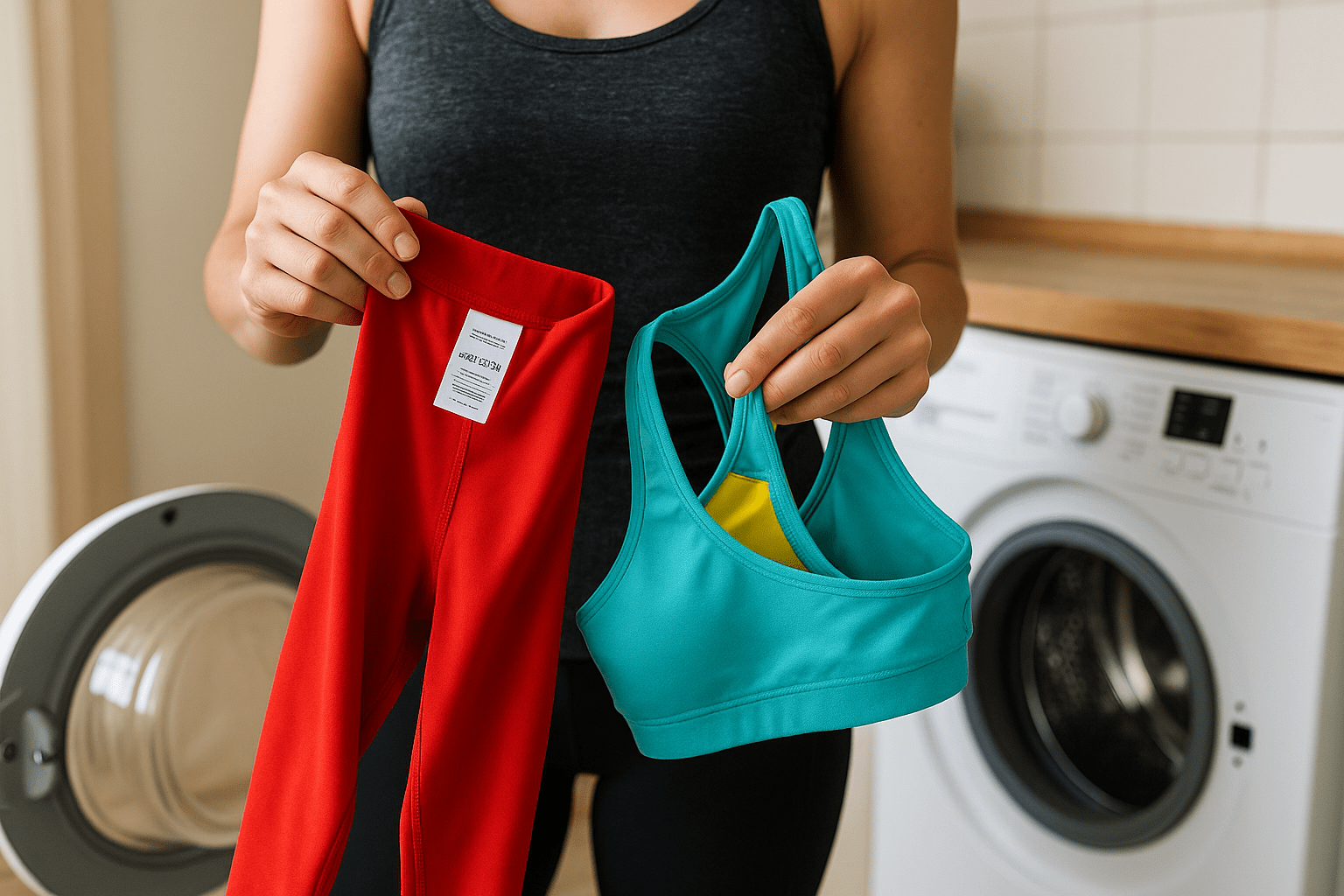
- Read the care label: Every gym garment has a label. Look for drying instructions.
- Use low heat or air dry: Drying on low heat prevents most shrinkage.
- Turn clothes inside out: This protects prints and logos.
- Avoid overload: Too many clothes in the dryer increase friction and shrink risk.
- Remove clothes promptly: Leaving clothes in the dryer after the cycle increases wrinkles and shrinkage.
- Skip fabric softeners: Fabric softeners can break down elastic fibers.
Hand Drying Tips
If you really want to protect your gym clothes, air drying is the best option. Here’s how:
- Lay clothes flat on a towel to prevent stretching.
- Hang clothes in a well-ventilated area.
- Avoid direct sunlight, which can fade colors and break down fibers.
Non-obvious insight: Using a mesh drying rack keeps gym clothes in shape and speeds up drying.
Common Mistakes That Cause Shrinkage
Even with good intentions, many people make mistakes. Watch out for these:
- Using high heat out of habit: Many dryers default to high heat.
- Ignoring care labels: Some gym clothes have special instructions.
- Drying with heavy items: Towels and jeans can crush gym clothes during drying.
- Washing and drying together: Mixing gym clothes with regular clothes increases shrink risk.
What To Do If Your Gym Clothes Shrink
If your gym clothes shrink, don’t panic. You can sometimes restore them:
- Soak in lukewarm water: Add a small amount of conditioner to relax fibers.
- Gently stretch: After soaking, lay flat and gently pull to original size.
- Air dry: Don’t use the dryer again.
This method works best for cotton and blends but not for polyester.
How Fabric Technology Affects Shrinkage
Modern gym clothes use advanced technology. Some fabrics are treated to resist shrinkage.
- Anti-shrink treatments: These are chemical finishes that protect fibers.
- Moisture-wicking technology: Keeps clothes dry, reducing shrink risk from wet fibers.
- Heat-resistant fibers: Some brands add fibers that resist high temperatures.
Check your garment’s label for these features. If your gym clothes have anti-shrink technology, you can use the dryer with more confidence.
Comparing Gym Clothes To Everyday Clothing
Gym clothes are different from regular clothes. Here’s a comparison:
| Feature | Gym Clothes | Everyday Clothes |
|---|---|---|
| Material | Polyester, spandex, nylon | Cotton, wool, linen |
| Shrink Risk | Low to moderate | High for cotton |
| Dryer Safety | Better on low heat | Depends on material |
| Care Instructions | Usually more specific | More general |
Practical tip: Never assume gym clothes will behave like regular t-shirts in the dryer.
How To Spot Shrinkage Early
Shrinkage can be subtle. Here’s how to catch it early:
- Check length and width after each wash.
- Look for tightness around waistbands, cuffs, and collars.
- Watch for prints or logos cracking.
- Compare to new or unworn clothes.
If you notice shrinkage, switch to air drying immediately to prevent more damage.
Should You Buy Pre-shrunk Gym Clothes?
Some gym clothes are labeled pre-shrunk. This means the fabric was treated before sewing to minimize future shrinkage.
- Pros: Less risk of shrinking after the first wash.
- Cons: May still shrink if exposed to high heat.
Ask store staff or check online descriptions for pre-shrunk options if you want extra peace of mind.
Gym Clothes Shrinking: Myths Vs Facts
There are many myths about gym clothes and dryers. Let’s clear them up:
- Myth: All gym clothes will shrink in the dryer.
- Fact: Most synthetics don’t shrink unless exposed to high heat.
- Myth: Air drying takes too long.
- Fact: Air drying gym clothes usually takes 2–4 hours in a well-ventilated space.
- Myth: Shrinkage only happens the first time.
- Fact: Shrinkage can happen anytime if care instructions are ignored.
Credit: www.columbiapikelaundry.com
Environmental Impact: Air Dry Vs Dryer
Dryers use a lot of energy. Air drying gym clothes is not only safer for fabric but also better for the environment.
- The average dryer uses 2.5–4 kWh per cycle.
- Air drying reduces carbon footprint and saves money.
Non-obvious insight: Air drying gym clothes helps keep their antimicrobial coatings intact, improving hygiene.
Laundry Habits That Improve Gym Clothes Longevity
If you want your gym clothes to last, follow these habits:
- Wash in cold water: Prevents damage and shrinkage.
- Use mild detergent: Strong chemicals can break down fibers.
- Separate gym clothes: Don’t mix with heavy or rough items.
- Dry on low or air setting: Protects stretch and shape.
- Store properly: Don’t fold gym clothes while damp.
Pro tip: Use a mesh laundry bag to protect delicate gym wear during washing and drying.
When Is Dryer Use Safe For Gym Clothes?
Dryers are not always dangerous. You can use them safely if you:
- Choose the right heat setting (low or air dry)
- Avoid overloading
- Follow care labels
- Remove clothes promptly
- Use sportswear or delicate cycles
If you’re ever unsure, air drying is always the safest option.
Gym Clothes With Special Features: Extra Care Needed
Some gym clothes have unique features:
- Reflective strips: Can melt or peel in high heat.
- Antimicrobial coatings: Break down with frequent dryer use.
- Compression fabrics: Lose elasticity if dried too hot.
Always check for extra features and adjust your drying method.
Are Commercial Dryers Different?
Gyms and laundromats use commercial dryers. These machines are stronger and hotter. Shrink risk is higher, especially if you use default settings.
- Ask staff about heat levels.
- Use “delicate” or “low heat” cycles if possible.
Non-obvious insight: Commercial dryers often tumble harder, which can stretch and shrink gym clothes unevenly.
How Washing Affects Shrinkage
Shrinkage often starts in the wash, not just the dryer. Hot water can cause fibers to shrink before drying.
- Wash in cold water for best results.
- Avoid heavy spin cycles.
Practical tip: If your gym clothes are dirty or sweaty, pre-soak in cold water before washing.
Gym Clothes For Kids: Special Considerations
Kids' gym clothes are usually made with extra stretch. Shrinkage can be a bigger problem if clothes become tight.
- Always air dry kids’ gym wear.
- Check care labels for special instructions.
- Replace clothes if they shrink too much.
Quick Checklist: Preventing Shrinkage Every Time
Follow these steps every time you wash gym clothes:
- Read the care label.
- Wash in cold water.
- Use mild detergent.
- Dry on low heat or air dry.
- Remove promptly.
- Store dry and flat.
The Final Word: Will Gym Clothes Shrink In The Dryer?
Gym clothes can shrink in the dryer, but the risk depends on material, heat, and care. Cotton gym wear shrinks most, while polyester and spandex are safer if dried properly. Always read the label, use low heat or air dry, and separate gym clothes from heavy laundry. Shrinkage affects not just fit but performance and durability. With careful habits, you can keep your gym clothes looking and feeling great.
For more scientific details on textile shrinkage and care, you can visit the Textilepedia.
Frequently Asked Questions
Can I Dry All Gym Clothes Together?
No. Different materials react differently in the dryer. Always check care labels and separate cotton, polyester, and blends for best results.
Does Using Fabric Softener Increase Shrinkage?
Yes, especially for gym clothes with spandex or elastane. Fabric softeners break down elastic fibers and can cause shrinkage or loss of stretch.
How Can I Fix Shrunken Gym Clothes?
Soak them in lukewarm water with conditioner, gently stretch to original shape, and air dry. This works best for cotton and blends, not for pure polyester.
Is Air Drying Better Than Using The Dryer?
Air drying is safest for gym clothes. It prevents shrinkage, protects fibers, and keeps coatings intact. Dryers are fine on low heat, but air drying gives maximum protection.
Will High-end Gym Clothes Shrink Less?
Usually yes. Brands like Nike and Lululemon use advanced fibers and anti-shrink treatments. But any gym wear can shrink if exposed to high heat or if care instructions are ignored.
Your gym clothes are an investment in comfort and performance. With the right drying habits, you can keep them fitting perfectly and lasting longer.
Credit: sportek.com
