

How Often Should You Change Gym Clothes for Optimal Hygiene?
How Often Should You Change Gym Clothes
Staying active at the gym is great for your health. But there’s something many people overlook: gym clothes hygiene. If you work out regularly, you might ask yourself, “How often should I change gym clothes?” It’s a simple question, but the answer depends on your workouts, your sweat level, and even the fabric you wear. This guide will help you understand the best routine for keeping your gym clothes clean, your skin healthy, and your workouts comfortable.
Some people think they can wear the same shirt or shorts for several workouts. Others change clothes every time. But is there a clear rule? We’ll break down the science, expert advice, and practical tips so you can feel confident about your gym clothing habits.
You’ll learn why fresh gym clothes matter, how often to change each item, and what happens if you skip changing too often. Let’s get started.
Why Clean Gym Clothes Matter
Wearing fresh gym clothes is more than just a matter of comfort. Dirty clothes can cause problems for your body, your gym experience, and even your social life. Here are some reasons to keep your gym wear clean:
- Bacteria and sweat buildup: When you exercise, sweat and bacteria collect in your clothes. This can lead to skin irritation, body odor, and even infection.
- Odor control: Fresh clothes help you avoid strong smells that can bother you and others.
- Performance: Clean, dry clothes feel lighter and more comfortable, which can improve your focus and workout quality.
- Skin health: Sweat-soaked fabrics can cause rashes, acne, or fungal infections, especially if you have sensitive skin.
It’s easy to overlook these issues if you’re busy or tired after a workout. But making a habit of changing and washing your gym clothes can make a big difference.
How Sweat And Gym Clothes Interact
Sweat is natural and healthy—it helps cool your body. However, when sweat mixes with synthetic fabrics (like polyester or nylon), it can trap moisture and bacteria. Cotton absorbs sweat but stays damp longer, which can also cause problems.
Studies show that bacteria levels on gym clothes can rise up to 1000 times after a single sweaty workout. This is because sweat contains proteins and salts that bacteria love. If you leave sweaty clothes in your gym bag, the warm, moist environment helps bacteria multiply.
Here’s a quick look at how different fabrics handle sweat:
| Fabric Type | Sweat Absorption | Bacteria Growth | Odor Control |
|---|---|---|---|
| Polyester | Low | High | Poor |
| Cotton | High | Medium | Fair |
| Wool | Moderate | Low | Good |
| Bamboo | Moderate | Low | Good |
Synthetic fabrics dry quickly, but they trap odor. Natural fabrics absorb sweat, but can feel heavy. Some newer blends, like bamboo, offer good moisture control and resist bacteria.
Credit: useactive.com
Changing Gym Clothes: General Guidelines
Most fitness experts and dermatologists agree: change gym clothes after every workout. This means shirts, shorts, sports bras, socks, and underwear. If you sweat a lot, or if your workout is intense, changing is even more important.
However, not every gym item needs to be washed after every use. Let’s look at each piece:
Shirts And Tops
- Change after each workout. Sweat, bacteria, and odor collect fastest here.
- If you do a light workout (like yoga) and hardly sweat, you might wear it twice—but this is not recommended.
- Always wash if you notice smell, stains, or dampness.
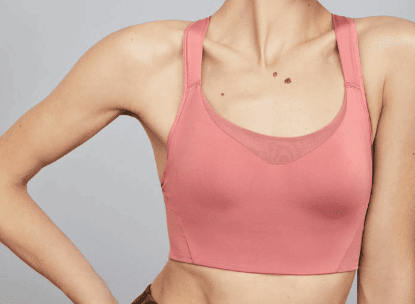
Sports Bras
- Change and wash after every workout, especially for women.
- Bras trap sweat and bacteria close to the skin, which can cause irritation.
Shorts, Leggings, And Pants
- Change after each workout.
- If you do cardio or high-intensity training, wash immediately.
- For strength training with low sweat, you might reuse once, but only if there’s no odor.
Socks
- Always change after every session.
- Socks collect sweat and bacteria, increasing risk of foot odor and fungal infections.
Underwear
- Always change and wash after each workout.
- Never reuse underwear for a second gym session.
Gym Hoodies And Jackets
- If you wear these only to warm up and don’t sweat much, you can wear them a few times before washing.
- If they get sweaty, wash after one use.
Shoes
- Gym shoes don’t need to be washed every time, but air them out after each session.
- Use fresh socks to keep shoes cleaner.
Accessories (headbands, Gloves, Towels)
- Headbands and gloves: Wash after every few uses, or sooner if sweaty.
- Towels: Wash after every workout.
What Happens If You Don’t Change Gym Clothes Enough
Skipping regular changes can cause problems you might not expect:
- Bad body odor: Sweat mixed with bacteria creates strong smells.
- Skin irritation: Old sweat can trigger rashes, acne, or fungal infections.
- Clothing damage: Fabric fibers break down faster when sweat is left in clothes.
- Social embarrassment: Others notice strong odors or stains.
- Reduced performance: Wet, heavy clothes can make workouts uncomfortable.
Here’s a comparison of skin issues for people who change gym clothes often vs. those who don’t:
| Habit | Skin Irritation | Fungal Infection | Acne Risk |
|---|---|---|---|
| Change after every workout | Low | Low | Low |
| Change every 2-3 workouts | Medium | Medium | High |
| Rarely change | High | High | Very High |
Credit: www.gymshark.com
Factors That Affect How Often You Should Change Gym Clothes
Not everyone sweats the same or has the same workout style. Here are key factors to consider:
Sweat Level
- If you sweat a lot, change clothes every time.
- If you sweat very little, you might reuse some items—but only if they’re dry and odor-free.
Workout Intensity
- High-intensity workouts (HIIT, spinning, running): Always change clothes after.
- Low-intensity (stretching, light yoga): Possible to reuse, but check for odor and dampness.
Fabric Type
- Synthetic fabrics (polyester, nylon): Hold odor, need frequent washing.
- Natural fabrics (cotton, bamboo): Absorb sweat, may need more drying time.
Climate
- Hot, humid weather: Sweat increases, so change after every workout.
- Cold, dry weather: You may sweat less, but still change core items.
Personal Hygiene
- If you have sensitive skin, allergies, or past skin problems, change and wash gym clothes more often.
Gym Frequency
- If you go to the gym daily, you’ll need more sets of clothes and a washing schedule.
- If you work out once or twice a week, keep your clothes fresh for each session.
Practical Tips For Managing Gym Clothes
Keeping gym clothes clean doesn’t have to be a struggle. Here are some practical tips:
- Keep extra sets: Have 3-5 sets of gym clothes, so you’re never stuck without clean options.
- Dry immediately: Hang sweaty clothes to dry before washing to prevent odor buildup.
- Use mesh laundry bags: Separate gym wear in the wash to protect fabrics.
- Wash in cold water: Cold water helps preserve elastic fibers and reduce fading.
- Avoid fabric softener: Softener can damage performance fabrics and reduce sweat-wicking.
- Use sports detergent: Special detergents break down sweat and odor better.
- Air out shoes: Remove insoles and let them dry after each use.
- Clean gym bag: Wash or wipe your gym bag often—bacteria can transfer from clothes.
- Check care labels: Follow washing instructions for each item.
- Replace old clothes: When fabrics lose shape or start to smell, buy new ones.

Credit: www.reddit.com
How Often Should You Wash Gym Clothes?
Changing is important, but so is washing gym clothes. Here’s a quick guide:
- Shirts, sports bras, socks, underwear: Wash after each use.
- Shorts, leggings: Wash after each use, or every other use if barely sweaty.
- Jackets, hoodies: Wash every 2-3 uses unless sweaty.
- Headbands, gloves, towels: Wash after each use, or every few uses.
- Shoes: Clean outer surface every few weeks, air out daily.
Some people try to “air out” clothes after workouts. While this can reduce odor, it doesn’t remove bacteria or stains. Washing is always best.
Gym Clothes And Skin Health
Wearing dirty gym clothes can affect your skin. Sweat and bacteria trapped in fabric can cause:
- Acne on chest, back, or shoulders
- Rashes (especially under arms or groin)
- Athlete’s foot (from dirty socks)
- Fungal infections in warm, moist areas
If you notice skin problems, changing and washing your gym clothes more often can help. Dermatologists recommend using moisture-wicking fabrics and avoiding tight, synthetic items if you have sensitive skin.
The Science Behind Gym Clothes Hygiene
Research shows that gym clothes can carry bacteria like Staphylococcus aureus and E. coli after workouts. These can cause skin infections if not washed away. One study found that 60% of gym-goers who reused clothes developed skin issues within a month.
Another insight: odor molecules stick to synthetic fabrics more than natural ones. Even after washing, some smells remain unless special detergents are used. This is why many athletes prefer sports-specific detergents.
Here’s a data comparison of washing methods:
| Method | Bacteria Removal (%) | Odor Removal (%) | Fabric Damage |
|---|---|---|---|
| Cold Water Wash | 85 | 70 | Low |
| Hot Water Wash | 95 | 80 | Medium |
| Sports Detergent | 99 | 95 | Low |
Using the right washing method keeps gym clothes fresh and extends their life.
Common Mistakes With Gym Clothes Hygiene
Beginners often make these mistakes:
- Reusing sweaty clothes: Thinking “It’s not that dirty” and wearing again.
- Leaving clothes in gym bag: Letting sweat soak in for hours.
- Washing with regular detergent: Missing out on odor removal.
- Skipping socks or underwear changes: Trying to save time, but risking health.
- Not drying properly: Folding damp clothes, leading to mold and smells.
To avoid these, make it a habit to change and wash gym clothes promptly.
How Many Sets Of Gym Clothes Do You Need?
If you go to the gym often, you’ll need enough clothes to keep up. Here’s a rough guide:
- Daily gym-goer: 5-7 sets (one for each day)
- 3-4 times a week: 3-4 sets
- 1-2 times a week: 2 sets
Having extra sets helps you avoid rushing laundry or wearing dirty clothes. If you travel or have double workouts, add one or two more sets.
Gym Clothes Storage And Organization
Proper storage keeps your gym clothes fresh and ready. Here’s how:
- Separate gym wear: Use a dedicated drawer or shelf.
- Hang to dry: Never leave sweaty clothes in a pile.
- Use odor absorbers: Put a sachet of baking soda or charcoal in your gym bag.
- Rotate sets: Use all your sets, not just your favorite one.
Organizing your gym clothes saves time and keeps everything cleaner.
Gym Clothes For Different Workouts
Different workouts may need different hygiene routines:
Cardio And Hiit
- High sweat, so always change and wash after each session.
Strength Training
- If sweat is low, you might reuse shorts once—but always change tops, socks, and underwear.
Yoga And Pilates
- Sweat is usually less, but clothes still collect bacteria. Change after every session for best results.
Group Classes
- You may sweat more due to movement and crowded spaces. Change all items after each class.
Outdoor Workouts
- Dirt, pollen, and sweat combine. Always change and wash after.
Gym Clothes And Allergies
Some people are allergic to laundry detergents or fabric dyes. If you notice skin itching, redness, or rash after wearing gym clothes, try these steps:
- Use hypoallergenic detergent
- Choose natural fabrics
- Avoid tight-fitting clothes
- Rinse clothes twice to remove detergent
If problems continue, see a dermatologist for advice.
Eco-friendly Gym Clothes Washing
Washing gym clothes often uses water and energy. Here are ways to be more eco-friendly:
- Use cold water for most washes
- Air-dry clothes instead of using a dryer
- Wash full loads, not just one item
- Choose eco-friendly detergents
- Buy durable, high-quality gym clothes
This helps reduce your impact on the environment without sacrificing hygiene.
How To Spot When Gym Clothes Need Changing
Sometimes you’re unsure if your clothes need changing. Look for these signs:
- Strong odor
- Visible sweat stains
- Dampness or stickiness
- Itchy or uncomfortable feeling
- Fabric losing shape
If you notice any of these, change and wash your clothes.
Advanced Insights: Odor-resistant Gym Clothes
Some brands now offer odor-resistant gym wear. These use silver fibers or special coatings to fight bacteria. While they help reduce smell, you still need to wash them regularly.
Research shows odor-resistant gym clothes reduce bacteria by up to 80%. However, sweat and dirt still build up. Don’t rely on these clothes to skip changing or washing.
If you’re interested, check reviews and choose reputable brands. For more information, see this Harvard Health article.
Frequently Asked Questions
How Often Should I Change Gym Clothes If I Sweat Very Little?
Even if you sweat lightly, change shirts, socks, and underwear after each workout. For pants or jackets, reuse only if they’re dry and odor-free. Bacteria can still build up, so washing is safest.
Can I Air Out Gym Clothes Instead Of Washing?
Air drying helps reduce odor, but it doesn’t remove bacteria or stains. Always wash gym clothes after sweaty workouts for best hygiene.
Is It Safe To Reuse Gym Clothes For Two Workouts In One Day?
If you do two workouts in a day, always change and wash between sessions. Reusing sweaty clothes increases risk of skin problems and odor.
Do I Need To Wash Gym Shoes Often?
Gym shoes don’t need washing after every workout. Air them out, wipe outside surfaces, and wash insoles every few weeks. Use fresh socks each session to keep shoes cleaner.
What Laundry Detergent Is Best For Gym Clothes?
Use sports-specific detergent or one designed for odor removal. These break down sweat and bacteria better than regular detergents. Avoid fabric softeners—they can damage performance fabrics.
Final Thoughts
Changing gym clothes after every workout is the safest routine for your health and comfort. Sweat and bacteria collect quickly, and skipping changes can cause skin problems, odor, and embarrassment. Keep several sets of gym clothes, follow good laundry habits, and check fabrics for signs of wear.
With the right routine, your gym experience will be cleaner, safer, and more enjoyable. Good hygiene shows respect for yourself and those around you—so make changing your gym clothes a healthy habit, not just an afterthought.
