

Why Were Leggings Invented? The Surprising History Explained
Why Were Leggings Invented
What comes to your mind when you see someone wearing leggings? For many, leggings are a modern trend—part of a fashionable gym outfit or an everyday staple. But the real story behind why leggings were invented is much more interesting, and it goes far beyond just style or comfort.
Leggings have a long history, shaped by needs for protection, practicality, and cultural expression. Their invention is not just about fashion, but about solving real problems, adapting to changing times, and responding to both social and functional needs.
In this article, you'll discover the surprising reasons behind the invention of leggings, how their design has evolved, and why they remain such a popular choice today. Whether you're a fashion lover, a history fan, or just curious about your own wardrobe, understanding the origins of leggings can change the way you see this everyday item.
The Practical Roots Of Leggings
Before leggings became a trend in fitness or fashion, they served very practical purposes. The earliest forms were not designed for looks, but for protection and warmth. In many places, especially where winters were cold, people needed ways to keep their legs warm during daily activities. Pants alone often didn’t provide enough insulation. Leggings, made from animal skin, wool, or thick cloth, were worn over or under trousers to add an extra layer.
Protection For Warriors And Workers
Soldiers and hunters faced harsh environments. They needed clothing that allowed movement but also shielded their legs from cuts, cold, and bites. Early leggings were tightly wrapped around the legs or laced up, offering a snug fit that didn’t get caught on branches or armor. This design helped prevent injuries and made it easier to move through forests or rough terrain.
For workers, especially those in mines, forests, or on horseback, leggings protected against dirt, thorns, and even snake bites. Over time, different cultures adapted the basic concept of leggings to their own needs, using materials they had on hand.
A Solution For Mobility
One major problem with heavy or loose clothing is that it can slow you down. Early leggings were invented to improve mobility. When chasing animals or fighting enemies, being able to run, jump, or crouch without bulky pants was a clear advantage. Leggings hugged the body and moved easily with the legs, unlike stiff trousers or layered skirts.
Cultural And Social Influences
Leggings are not just about practicality—they also carry cultural meaning. Different societies have used leggings to show status, tradition, or even gender roles.
Leggings In Traditional Dress
In some cultures, leggings were part of traditional outfits. For example, certain Indigenous communities wore leggings decorated with beads or patterns. These were not only practical but also a way to express identity or tell stories.
In Scotland, the Highlanders wore thick woolen leggings called “trews” for warmth. In other regions, like Central Asia, horse riders wore leggings as part of their everyday dress, combining function with tradition.
Gender And Leggings
For a long time, leggings were mainly worn by men—especially soldiers, hunters, or riders. They were seen as tough and practical. Only much later did leggings become common for women, especially as fashion and social rules changed. The shift from a men’s-only garment to a unisex or even women-focused item shows how clothing adapts to new ideas about gender and style.
The Evolution Of Materials
The invention of leggings was not just about their shape, but also about what they were made from. As new materials became available, leggings changed to fit new needs.
From Animal Skins To Modern Fibers
Early leggings used animal hides, wool, or linen. These materials kept people warm but could be heavy or itchy. As weaving and knitting improved, lighter and more flexible fabrics became possible. The invention of elastic fibers like spandex made a huge difference, allowing leggings to stretch, fit tightly, and hold their shape.
Today, leggings use blends of cotton, polyester, nylon, and spandex. This means they can be breathable, moisture-wicking, and comfortable for long periods. The change in materials made leggings more suitable for activities like dance, yoga, and sports, opening the door for their explosion in popularity.
Comfort Meets Performance
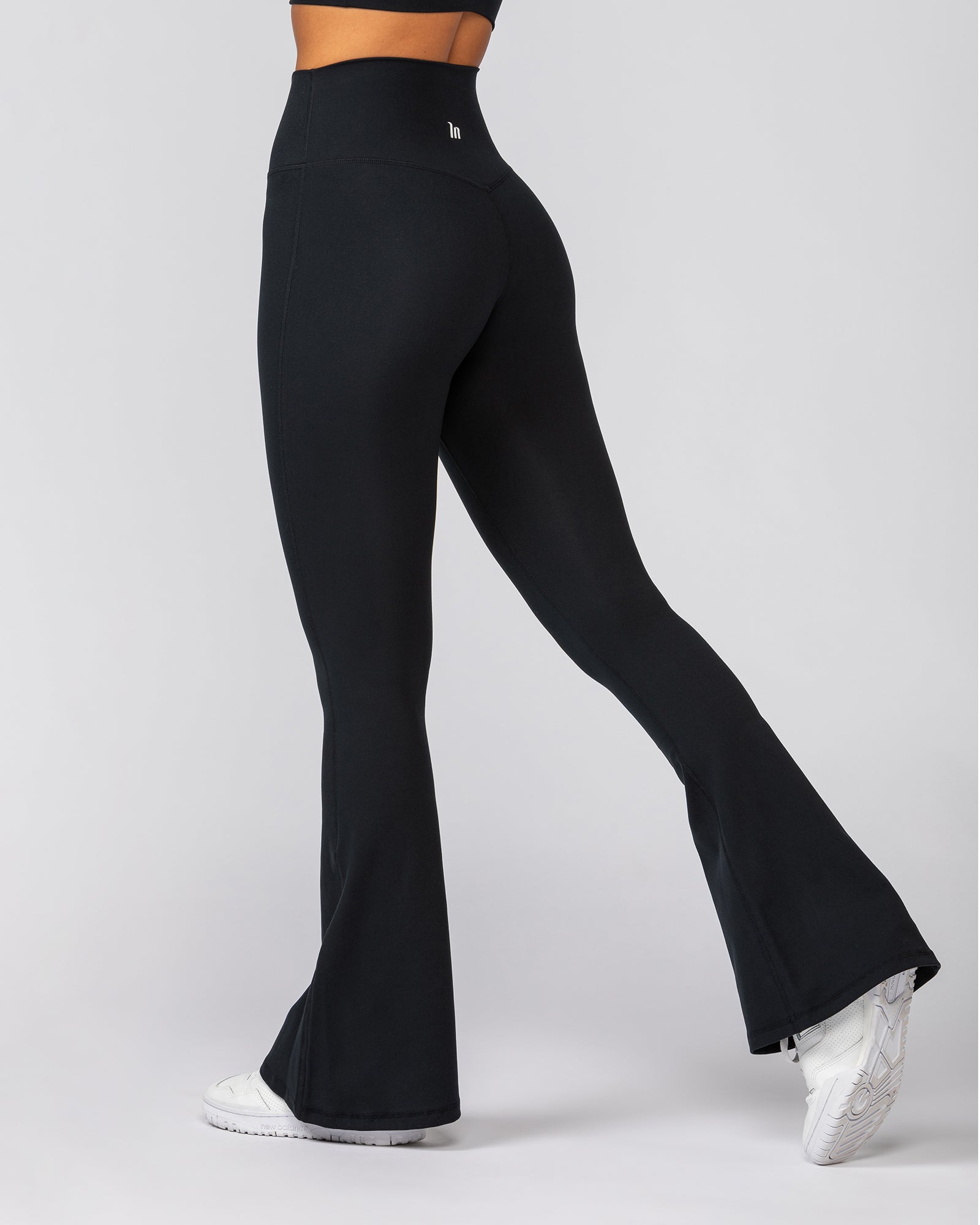
Modern leggings are designed to do more than just cover the legs. They help with muscle support, reduce chafing, and even regulate body temperature during exercise. Some leggings include compression technology to boost blood flow and reduce fatigue. Others have pockets, zippers, or mesh panels for added convenience and style.
Leggings In Sports And Fitness
The rise of active lifestyles changed leggings forever. Athletes, dancers, and fitness fans needed clothing that moved with them and didn’t get in the way.
Dance And Performance
Ballet dancers were among the first to adopt tight-fitting leggings for practice and performance. These leggings allowed for full movement and made it easy for teachers to see the dancers’ form. The need for clothing that didn’t restrict motion led to the creation of even more flexible and supportive leggings.
Yoga And Aerobics
As yoga and aerobics became popular, leggings became the go-to choice for many. They offered a non-restrictive fit, making poses and stretches easier. The fabric’s ability to wick away sweat also made them ideal for intense workouts. This demand led companies to develop specialized leggings for different sports, with features like extra stretch, reinforced seams, or anti-slip designs.
A New Standard In Athletic Wear
In sports like running, cycling, and gymnastics, leggings became standard gear. Their ability to reduce drag, prevent skin irritation, and keep muscles warm made them a clear favorite. Today, both professional athletes and casual exercisers rely on leggings for their unique combination of support and comfort.
Fashion Takes Over
While leggings started as practical wear, their journey into fashion changed their meaning and use.
The Move To Everyday Style
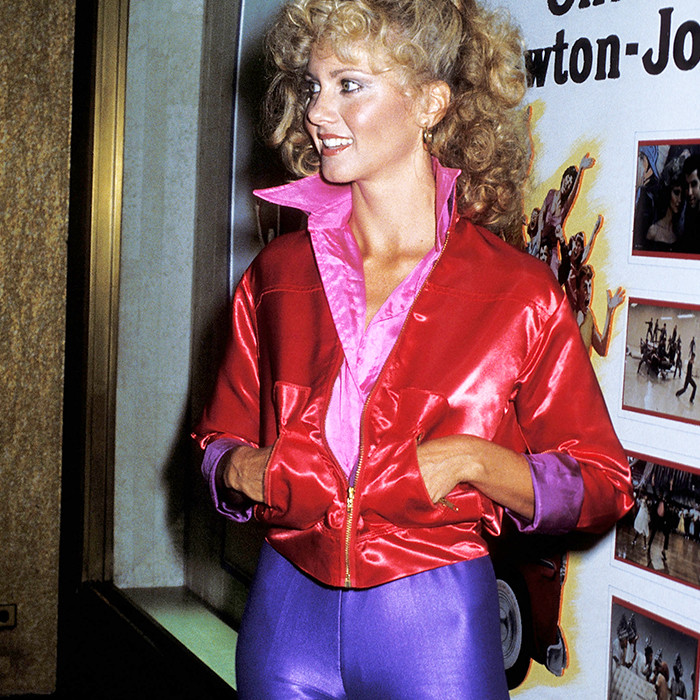
At first, leggings were mainly for exercise or as undergarments. But soon, people began wearing them as part of regular outfits. Their sleek look and comfort made them popular for casual wear, travel, and even at work in some settings. Designers started creating leggings in bold colors, patterns, and unique materials, making them a fashion statement.
From Functional To Trendy
The fashion industry played a huge role in making leggings a must-have item. Celebrities and influencers showed how to style leggings with tunics, boots, or even blazers. This helped change public opinion: leggings were no longer just for the gym, but could be worn almost anywhere. The versatility of leggings—easy to dress up or down—helped them stay popular across generations.
Leggings As A Statement
For some, leggings became a way to make a statement. Whether it’s bright neon colors, wild prints, or high-tech fabrics, leggings allow people to express themselves. This is especially true for young people, who see leggings as both comfortable and bold.
Leggings And Body Image
The invention and rise of leggings have also affected how people see their own bodies.
Embracing All Shapes
One key reason leggings are so loved is that they fit many body types. Their stretchy fabric adapts to different shapes and sizes, making them more inclusive than many other pants or jeans. This has helped people feel more comfortable in their own skin, and has encouraged brands to offer a wider range of sizes.
Confidence And Comfort
For many wearers, leggings provide a sense of confidence. They highlight the body’s shape in a flattering way, and their comfort makes them a favorite choice for people of all ages. In some cases, leggings have helped break down old ideas about what people “should” wear, making fashion more accepting of diversity.
Controversies And Dress Codes
Of course, the form-fitting nature of leggings has also led to some debates about what’s appropriate in schools or offices. Some see leggings as too revealing, while others argue they are no different from tight pants or athletic wear. This ongoing conversation shows how clothing, even something as simple as leggings, can reflect deeper social attitudes and values.
Leggings In Pop Culture
It’s hard to ignore the role of pop culture in spreading the popularity of leggings.
Influence Of Movies And Celebrities
From movies to music videos, leggings have appeared in many iconic looks. Famous dancers, action heroes, and pop stars have all worn leggings, making them seem both cool and powerful. These appearances boosted demand and inspired new designs, linking leggings with both performance and glamour.
Social Media And Trends
With the rise of social media, trends move faster than ever. Photos of stylish outfits, fitness routines, and “athleisure” looks often feature leggings. Hashtags and challenges help spread new ways to wear them, keeping leggings at the center of fashion and lifestyle conversations.
Innovations And Modern Features
The journey of leggings did not stop with stretchy fabrics. Modern leggings include many smart features that solve everyday problems.
Pocket Designs
One complaint about traditional leggings was the lack of pockets. Today, many brands offer leggings with hidden or external pockets big enough for a phone, keys, or cards. This small change has made leggings even more practical for daily life.
Moisture Control And Odor Resistance
New materials can wick away sweat, prevent odors, and even offer UV protection for outdoor sports. These features are especially important for athletes, but also benefit anyone who wants to stay comfortable all day.
Seamless And Compression Styles
Advances in manufacturing have made seamless leggings possible. These reduce chafing and provide a smooth look under clothes. Compression leggings, which support muscles and improve circulation, have become popular for both sports and recovery.
Eco-friendly Options
With growing interest in sustainability, some brands now use recycled materials or eco-friendly dyes in their leggings. This appeals to buyers who want comfort and style without harming the planet. The combination of technology and ethics continues to shape the future of leggings.
Credit: www.whowhatwear.com
Leggings Around The World
Leggings are not just a Western trend—they are worn globally, often with unique twists.
Regional Styles
In South Asia, leggings are often worn with long tunics called kurtas. In East Asia, they are popular for layering during colder months. In Africa and Latin America, vibrant prints and different cuts reflect local tastes and traditions.
Adapting To Local Needs
Different climates and cultures have led to new versions of leggings. For example, in very hot places, lightweight and breathable fabrics are preferred. In cold regions, thermal leggings are common. This adaptability is one reason leggings have lasted so long and become so widespread.
Comparing Leggings: Then And Now
To see how leggings have changed, let’s look at a simple comparison.
| Feature | Early Leggings | Modern Leggings |
|---|---|---|
| Material | Animal skin, wool, linen | Cotton, polyester, spandex blends |
| Purpose | Protection, warmth, mobility | Exercise, fashion, comfort |
| Fit | Laced or tied, sometimes loose | Elastic, body-hugging |
| Features | Basic, few extras | Pockets, moisture-wicking, compression |
| Gender | Mainly men | Unisex, widely worn by women |
Why Leggings Remain Popular
With so many clothing choices, why do people keep coming back to leggings? The answer lies in their unique mix of comfort, function, and style.
Versatility For Every Day
Leggings can be worn for almost any occasion—at the gym, at home, running errands, or even for travel. They pack small, wash easily, and match with many tops and shoes. This makes them a favorite for people with busy lives.
Durability And Value
Because of their strong, stretchable fabrics, leggings last longer than many other pants. They don’t lose shape easily and can handle frequent washing. This durability means they offer good value for money, especially for those who wear them often.
Supporting An Active Lifestyle
As people focus more on health and movement, leggings fit perfectly with active lifestyles. They allow for stretching, bending, and moving freely—no matter what the day brings.
Common Misconceptions About Leggings
With so much attention, it’s no surprise that some myths have formed around leggings. Let’s clear up a few:
Leggings Are Not Pants
This is a popular debate. Some say leggings are too thin or tight to be worn as pants. But with many modern leggings being thick, opaque, and designed for everyday wear, this line is often blurred. The choice often depends on personal preference and context.
Only For Slim Bodies
Another myth is that only thin people can wear leggings. In reality, leggings are designed to fit many shapes and sizes. The stretch fabric adapts to different bodies, and many brands now offer plus sizes and custom fits.
Not Durable
Some believe leggings tear easily or don’t last. While cheap leggings may have these issues, quality brands use strong materials and reinforced seams. Taking care of them by washing gently can extend their life.
Credit: musclenation.org
Health And Medical Uses
While most people think of leggings for fashion or fitness, they also have medical uses.
Compression Therapy
Compression leggings are used to help with circulation, especially for people with vein problems or swelling in the legs. They gently squeeze the legs, helping blood flow and reducing discomfort.
Recovery And Injury Prevention
Athletes often wear leggings to speed up recovery after tough workouts. The compression helps reduce muscle soreness and may lower the risk of injury.
Supporting Movement In Elderly Or Disabled People
For some elderly or disabled people, special leggings can help support weak muscles or joints, making movement safer and more comfortable.
Environmental Impact And The Future
As leggings become more popular, their impact on the environment also grows. Most leggings are made from synthetic fibers, which can create waste and pollution. However, there is a shift toward more sustainable practices.
Brands Leading The Change
Some companies now offer leggings made from recycled plastic bottles or organic cotton. Others use dyeing processes that use less water and energy. Consumers are becoming more aware of these issues, and demand for eco-friendly leggings is rising.
The Future Of Leggings
With ongoing advances in materials and design, leggings will likely continue to evolve. Smart fabrics could offer even more benefits, like temperature regulation or built-in sensors for health tracking. As lifestyles and values change, leggings will adapt to meet new needs.
Data: Leggings Popularity And Market Growth
To understand how leggings have become such a big part of the fashion industry, here’s a look at some data.
| Region | Leggings Market Share (%) | Key Drivers |
|---|---|---|
| North America | 40 | Fitness trends, athleisure, casual wear |
| Europe | 25 | Fashion innovation, cold climate |
| Asia Pacific | 20 | Urbanization, sports, affordable brands |
| Other Regions | 15 | Growing interest in activewear |
The data shows that leggings are a global phenomenon, with strong demand everywhere. The mix of comfort, versatility, and modern design has made them a permanent part of wardrobes worldwide.
Little-known Insights About Leggings
Most people know leggings are comfortable and stylish, but here are two insights beginners often miss:
- Layering Power: Leggings can be worn under jeans or trousers for extra warmth in winter. This is a trick used by hikers and outdoor workers to stay comfortable in extreme cold.
- Medical Benefits: Certain leggings are designed to support muscle recovery, improve posture, or even help manage health conditions like lymphedema. These special leggings are often used in hospitals and by athletes.
These facts show that leggings are more than just a fashion trend—they are a tool for comfort, health, and performance.
Frequently Asked Questions
What Makes Leggings Different From Tights?
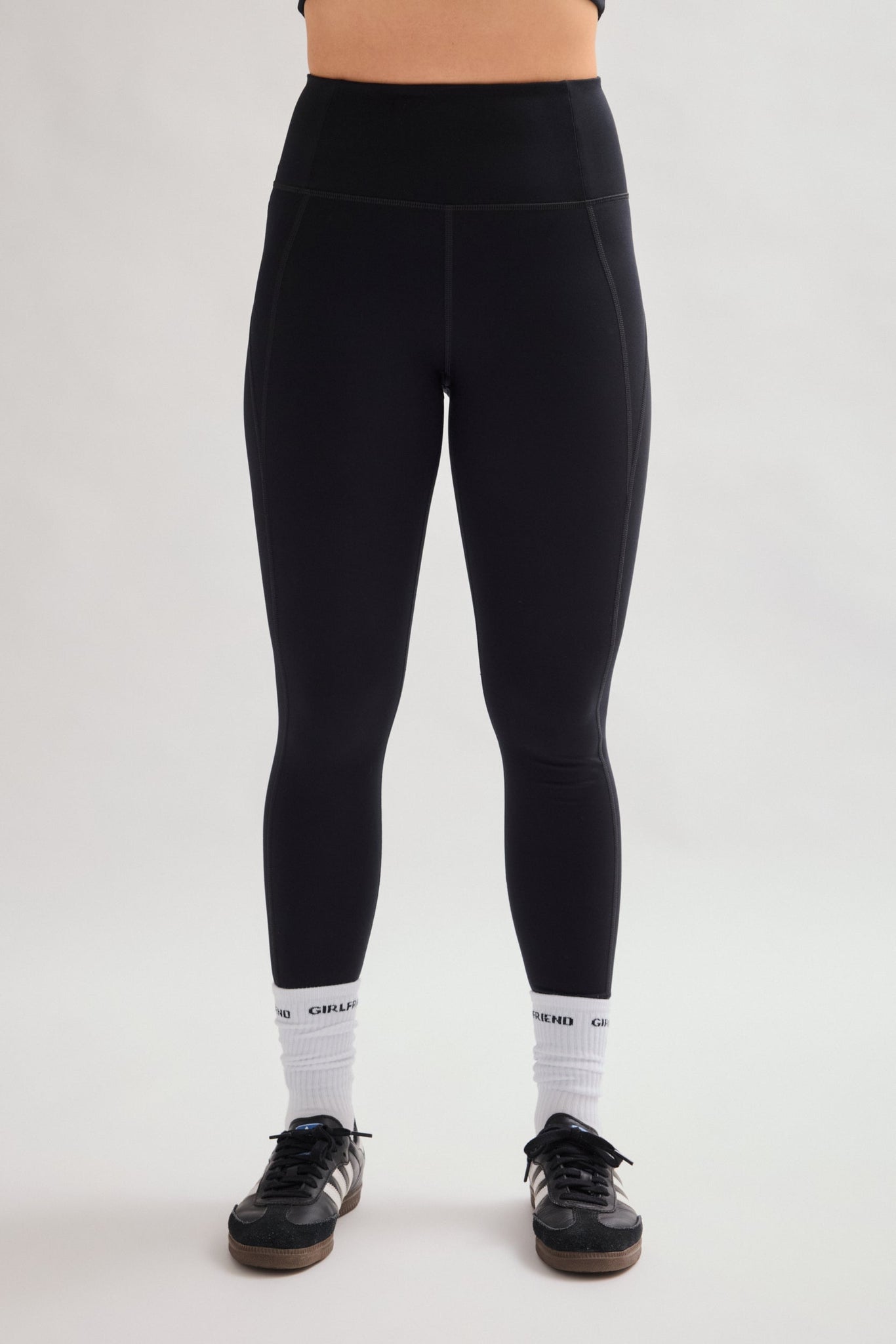
Tights are usually thinner, made from sheer materials, and often cover the feet. Leggings are thicker, opaque, and typically end at the ankle, leaving the feet exposed. Leggings are also more durable and suitable for outerwear, while tights are often worn under dresses or skirts.
Credit: girlfriend.com
Can Leggings Be Worn As Formal Wear?
In most cases, leggings are considered casual or athletic wear. However, with the right material and styling—such as pairing with a long tunic or blazer—some leggings can look polished enough for certain formal or business-casual settings. The key is to choose thicker fabrics and avoid bold patterns for a more formal look.
Are Leggings Suitable For All Body Types?
Yes, leggings are designed to stretch and fit many different shapes and sizes. Many brands offer a wide range of sizes, including plus sizes and custom fits. The stretchy fabric adapts well to curves, making leggings one of the most inclusive clothing items available.
How Do I Care For Leggings To Make Them Last Longer?
To keep leggings in good condition, wash them in cold water and avoid using fabric softener, which can damage elastic fibers. It’s best to air dry them, as high heat from dryers can break down the material. Avoid rough surfaces that can cause pilling or snags.
Where Can I Learn More About The History Of Leggings?
For more detailed information about the history and evolution of leggings, check reputable sources such as the Wikipedia page on leggings. This source provides an in-depth look at their origins, uses, and development over time.
Leggings may seem simple, but their invention was driven by real needs for protection, movement, and style. Over time, they have adapted to new materials, cultures, and lifestyles. From ancient warriors to modern athletes and fashion fans, leggings have proved to be a truly timeless invention—one that continues to evolve and inspire.
