

Do Patterned Leggings Hide Cellulite? The Surprising Truth
Do Patterned Leggings Hide Cellulite
Cellulite is something many people notice on their legs, hips, or thighs. Some feel self-conscious about it, especially when wearing leggings or tight pants. With social media and fitness trends, patterned leggings have become very popular. You might wonder: do patterned leggings really hide cellulite, or is it just a fashion myth? This question matters, not just for style, but for feeling confident and comfortable in your clothes.
Let’s dive deep. We’ll look at how cellulite forms, why it shows under some fabrics, and how different leggings can help or hurt. You’ll find out how patterns, fabric types, colors, and fit all play a role in what you see in the mirror.
This guide will also share tips, mistakes to avoid, and what actually works based on science and real-life experience. By the end, you’ll know how to pick the best leggings for your body and your style—without guesswork or disappointment.
What Is Cellulite And Why Does It Show?
Cellulite is not just a problem for a few people. In fact, over 80% of women have some form of cellulite, and it can appear on people of all shapes and sizes. It looks like small lumps or dimples under the skin, often described as “orange peel” or “cottage cheese” texture.
Cellulite forms when fat pushes up against the connective tissue under your skin. This causes the surface to look bumpy or uneven. Genetics, hormones, age, and even daily habits like sitting or diet can all affect how much cellulite you see.
When you wear tight clothing, like leggings, the fabric stretches over your skin. Thin or shiny leggings can sometimes highlight these bumps instead of hiding them. The right pair, though, can do the opposite—making your skin look smoother and more even.
How Patterned Leggings Work To Hide Cellulite
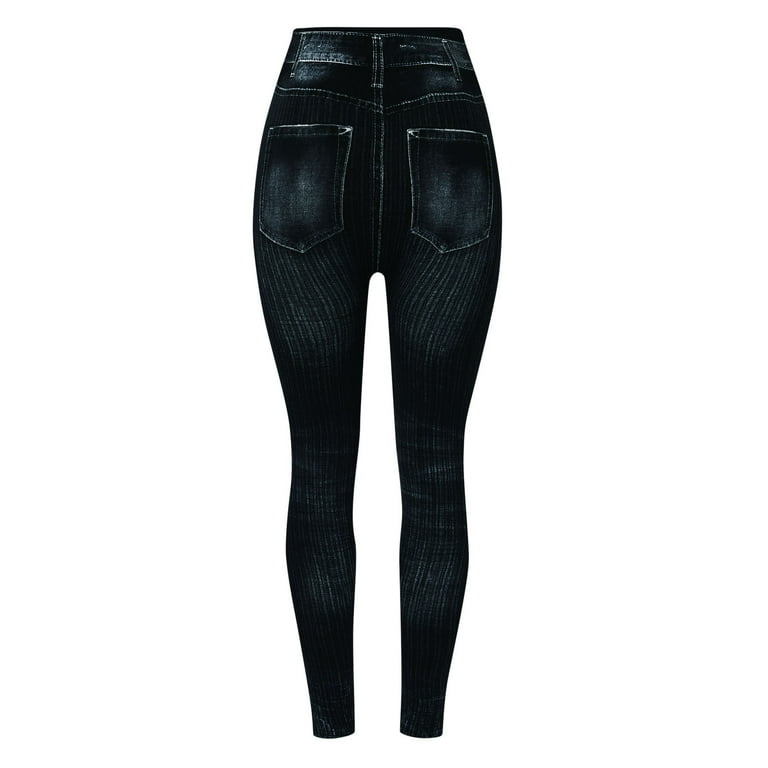
Patterned leggings use visual tricks to distract the eye. The designs break up the look of your skin under the fabric, making lumps and dimples less visible. Here’s how:
- Patterns scatter light. When light hits a busy print, it reflects in many directions, not just straight off the skin. This makes imperfections less noticeable.
- Contrast and color help blend bumps. Darker colors and high-contrast prints mix with your skin tone and shadows, masking unevenness.
- Placement of patterns can focus attention on certain areas, away from parts you want to hide.
The idea is simple: the eye is drawn to the pattern, not to the surface texture underneath. The more complex or bold the design, the less you notice what’s under the fabric.
Credit: www.walmart.com
Comparing Patterned Leggings To Solid Colors
Let’s see how patterned leggings and solid color leggings perform when it comes to hiding cellulite.
| Feature | Patterned Leggings | Solid Color Leggings |
|---|---|---|
| Visibility of Cellulite | Usually less visible, patterns distract the eye | More visible, especially with light or thin fabrics |
| Fashion Versatility | Trendy, bold, sometimes harder to match | Classic, easy to pair, but may highlight flaws |
| Confidence Factor | Often boosts confidence by smoothing look | Can make some feel exposed |
| Best For | Those wanting to hide bumps or add style | Minimalists or when fabric is thick enough |
Solid colors, especially light shades, tend to show more skin texture. Even black can show bumps if the fabric is too thin or shiny. Patterns, especially those with medium to dark tones and lots of detail, are your friend if you want to hide cellulite.
The Science Behind Patterns And Visual Perception
Patterns trick the brain. This is called visual camouflage. When you see a busy or complex design, your brain has to work harder to process the image. It focuses more on the pattern than on what’s underneath.
Some patterns are better than others for hiding cellulite:
- Small, dense prints (like tiny florals or dots) work well because they break up the surface.
- Geometric designs (zigzags, chevrons) confuse the eye, making lumps vanish.
- Random patterns (splashes, paint strokes) are great for blending lines and bumps.
- Vertical stripes can create a slimming effect, but wide stripes may not hide texture as well.
A common mistake is choosing large, spaced-out prints or very light patterns. These can sometimes draw attention to the very areas you want to hide.
Fabric Matters: Not All Leggings Are Equal
Even the best pattern can’t hide cellulite if the fabric is wrong. Here’s what you need to know:
Fabric Thickness
Thicker fabrics are better at smoothing the skin. Look for leggings made with a high percentage of spandex (elastane), as they stretch but also hold their shape. A thicker weave keeps the pattern sharp and prevents the fabric from becoming see-through.
Compression
Compression leggings offer gentle pressure, which can help smooth out lumps and improve circulation. High-compression leggings are popular in sportswear and can make a visible difference.
Opacity
The last thing you want is for your leggings to become see-through when you bend or stretch. Check for opaque fabrics—hold them up to the light and stretch a bit to test. If you can see your hand, they might show more than you want.
Shine Vs. Matte
Shiny fabrics can reflect light and actually highlight texture. Matte finishes absorb light and make the surface look smoother.
Here’s a quick comparison of key fabric features:
| Fabric Feature | Effect on Cellulite | Best For |
|---|---|---|
| Thick, matte, compressive | Hides cellulite, smooths skin | Maximum coverage |
| Thin, shiny, loose | Shows bumps, less coverage | Cooler climates, layering |
| Patterned, mid-weight, stretchy | Disguises texture, comfortable | Everyday wear |
Types Of Patterns That Work Best
Not all patterns are equal when it comes to hiding cellulite. Based on both fashion experts and customer feedback, here are some top choices:
1. Abstract Prints
Swirls, splashes, and paint effects confuse the eye. They don’t follow body lines, so they hide irregularities well.
2. Micro Patterns
Tiny dots, mini florals, or small geometric shapes create an even visual field. These are especially good for close-fitting leggings.
3. Animal Prints
Leopard, snake, or zebra prints are busy and organic. They naturally break up the outline of any bumps.
4. Camouflage
Camo prints are designed to hide things! They do the same for your skin texture, with their mixed colors and irregular lines.
5. Tie-dye
Modern tie-dye, especially with darker shades, gives a multi-tone effect that hides shadows and lumps.
6. Dark Florals
Large, dark flower prints on a black or navy base can distract from texture without looking too bold.
7. Melange/heathered
These are subtle patterns made from blending different yarn colors. They’re not as bold as prints but still break up the look of the skin.
8. Geometric (chevrons, Zigzags)
Sharp angles and repeating shapes create movement, making the eye focus on the design.
9. Stained Glass/ Mosaic
Mixed shapes and colors give a patchwork effect, ideal for hiding texture.
10. Ombre/gradient
Colors that fade from dark to light can lengthen the leg and soften shadows.
Two non-obvious insights:
- Randomness is powerful. Patterns that don’t repeat in a clear way are better at hiding cellulite because there’s no “order” for the eye to follow.
- Color matters. Medium to dark backgrounds with lighter patterns are more forgiving than light backgrounds with dark patterns.
Credit: fiercepulse.com
What About Sheerness And Stretch?
Sheerness is a big enemy when trying to hide cellulite. If the fabric stretches too much, it can become thin and show what’s underneath—even with patterns.
Tips to avoid this problem:
- Go up one size if you’re between sizes. This reduces stretch and keeps the pattern clear.
- Look for brands that mention “squat-proof” or “non-sheer” in their product details.
- Test leggings in natural light, not just store lighting, before buying.
Remember, even patterned leggings can fail to hide cellulite if they’re too tight or made from low-quality materials.
The Role Of Legging Fit
Fit matters as much as pattern or fabric. Here’s why:
- Too tight: Extra pressure can make cellulite more obvious, especially if the waistband cuts in.
- Too loose: Loose leggings lose their smoothing effect and can bunch up, showing more texture.
- High-rise: Waistbands that sit above the hips smooth out the stomach and hip area, giving a sleeker look.
- Seam placement: Flat, wide seams are less likely to dig in and create extra lines or bulges.
Try on different styles to find what suits your body. Sometimes, a small change in rise or seam style makes a big difference.
Real-world Examples And User Experiences
Many people share their experiences with patterned leggings online. Here are a few common findings:
- Fitness trainers often prefer patterned leggings for classes, not just for fashion but because they feel more confident moving and stretching.
- Plus-size shoppers report that small, dense prints with compression fabrics give the best coverage and smoothing effect.
- Yoga enthusiasts say that dark tie-dye and camo prints are favorites for hiding both sweat and cellulite during intense classes.
- One non-obvious tip: Some people layer seamless shorts under leggings for extra smoothing, especially with thinner fabrics.
It’s important to note that patterned leggings won’t remove cellulite—they just make it less visible. The goal is to help you feel good, not to “fix” your body.
Common Mistakes When Choosing Leggings To Hide Cellulite
Avoid these pitfalls to get the best results:
- Choosing thin, shiny fabrics: These can show more than they hide, no matter how nice the pattern.
- Going for pale or bright colors: Light shades reflect more light and show bumps, even with patterns.
- Ignoring fit: Too tight or too loose both work against you.
- Not checking in daylight: Store lights are forgiving; natural light shows the truth.
- Forgetting about seams: Thick or poorly placed seams can create new lines on your body.
If you keep these points in mind, you’ll make better choices and avoid disappointment.
How To Test If Leggings Hide Cellulite
Before you commit to a pair, do a simple test:
- Try the leggings on with your usual underwear.
- Move around—squat, bend, and walk in natural light.
- Check in a full-length mirror from different angles.
- Take a photo with your phone. Sometimes, bumps are more visible on camera.
- If you see through the fabric or notice more texture, try a thicker or more patterned pair.
This test can save you from buying leggings that look great on the rack but not on your body.
Do Expensive Brands Make A Difference?
Price can be a clue, but it’s not the only answer. Many high-end brands use better fabrics, tighter weaves, and advanced printing methods that help hide cellulite. However, some affordable brands also offer good options if you know what to look for.
High-end leggings often have:
- Better opacity and thicker fabric
- More durable patterns that don’t fade with washing
- Stronger elastic for compression and fit
But brand alone isn’t a guarantee. Always check the fabric type, pattern, and fit, no matter the price tag.
How To Care For Patterned Leggings
To keep your leggings working well:
- Wash inside out to protect the pattern.
- Avoid hot water and harsh detergents.
- Air dry or tumble dry on low heat.
- Store folded, not hung, to avoid stretching.
Proper care keeps the pattern sharp and the fabric supportive, so your leggings last longer and continue to hide what you want.
What If Patterned Leggings Aren’t Enough?
Some people find that even with the best leggings, they want extra smoothing. Here are a few options:
- Layer seamless shapewear underneath for a double-smoothing effect.
- Choose longer tops or tunics for more coverage if you feel more comfortable.
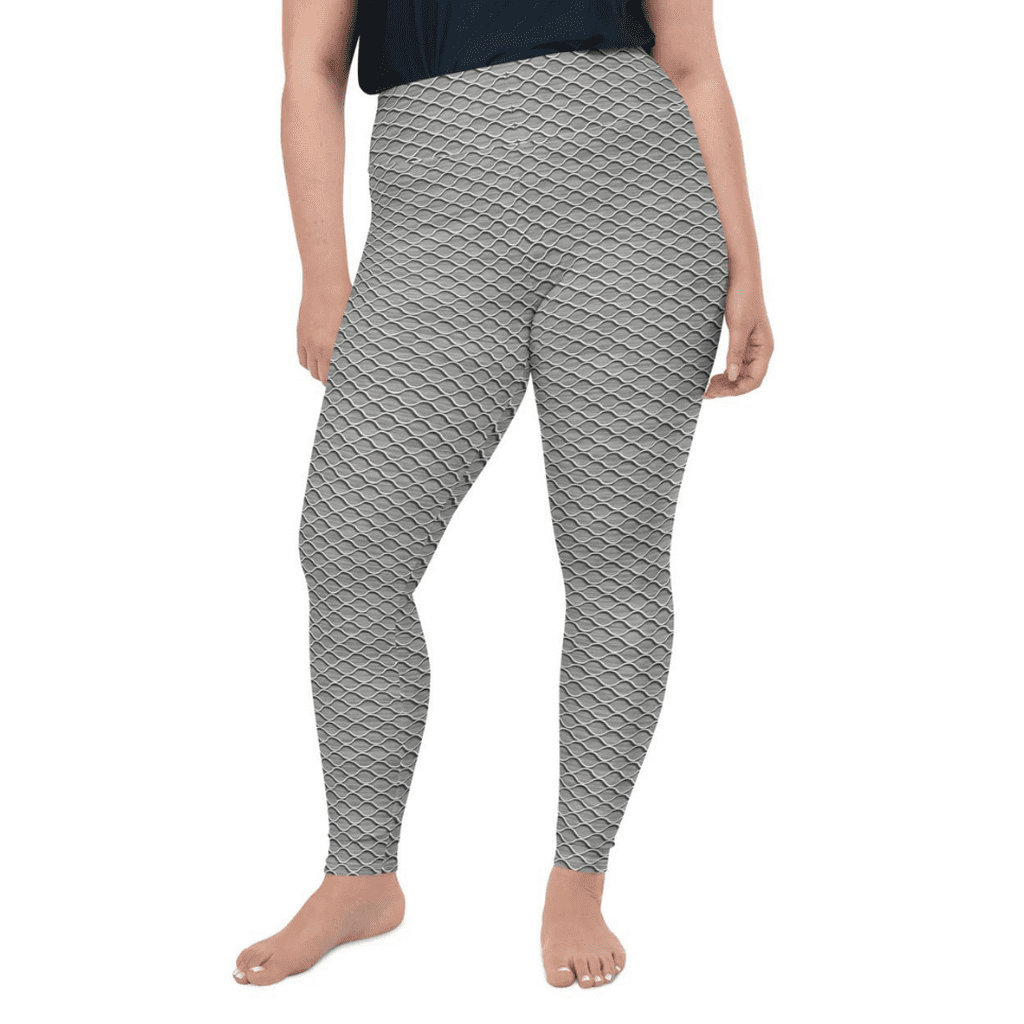
- Try textured leggings, like those with ribbing or honeycomb patterns, which add a 3D effect and hide texture even better.
- Focus on self-care: Remember, cellulite is normal and common. The right leggings can help with confidence, but you don’t need to hide your body to be valued or stylish.

Credit: www.amazon.com
When Patterned Leggings Might Not Work
There are situations where even the best patterns won’t completely hide cellulite:
- Very thin fabrics, no matter the print, won’t provide enough coverage.
- High-gloss finishes can reflect light and make bumps more obvious.
- Extreme compression can sometimes push the skin in a way that makes cellulite more visible, especially if the fabric is not thick enough.
- If you have very pronounced cellulite, patterns will reduce the look but may not make it disappear.
In these cases, layering or choosing outfits that combine leggings with longer tops can help you feel comfortable and stylish.
The Psychological Side: Confidence And Perception
Wearing patterned leggings isn’t just about fashion—it’s about feeling good. Studies show that when people feel confident in their clothes, they are more active and social.
One research review found that dressing in ways that boost your mood leads to better overall well-being. If patterned leggings help you feel happier and more comfortable, that’s a win.
Don’t let fear of cellulite stop you from enjoying trends or staying active. The right pair of leggings can make a real difference in how you see yourself.
Sustainable And Ethical Choices
As patterned leggings become more popular, many brands are now focusing on sustainable fabrics and ethical production. Consider leggings made from recycled polyester, organic cotton, or bamboo. These materials can be thick, durable, and patterned, while also being better for the environment.
Some brands also use water-based inks for their prints, which are less harmful to the planet. Choosing high-quality, responsibly made leggings means they last longer—reducing waste and saving money over time.
Where To Buy The Best Patterned Leggings
You can find patterned leggings in many places:
- Sportswear brands: Often focus on performance fabrics and compression.
- Fashion retailers: Offer trendy, seasonal prints.
- Online marketplaces: Have the widest range, but check reviews for fabric quality.
Read customer feedback, look for real-life photos, and check return policies. If you’re shopping online, look for stores that show their leggings on a range of body types—not just models.
For more guidance on fabric science and visual perception in fashion, check out this Optical Illusion page.
Frequently Asked Questions
Do Patterned Leggings Completely Hide Cellulite?
Patterned leggings can greatly reduce the visibility of cellulite by distracting the eye and breaking up the surface texture. However, they do not make cellulite disappear. The effect depends on the pattern, fabric, and fit. Busy, dark patterns on thick, matte fabrics work best.
Which Patterns Are Worst For Showing Cellulite?
Large, light-colored prints or patterns with lots of empty space can draw attention to bumps and dimples. Shiny or very thin fabrics also make cellulite more visible, regardless of the pattern.
Can Compression Leggings Help More Than Patterns?
Compression leggings smooth the skin and support muscles. When combined with a good pattern, they offer the best results. Compression alone works, but a plain, solid color may still show texture compared to a patterned pair.
Are There Certain Colors That Work Better For Hiding Cellulite?
Yes, medium to dark colors are best. Blacks, navies, charcoals, and dark greens work well, especially when mixed with a busy, lighter pattern. Avoid pale or neon colors if you’re concerned about cellulite showing.
How Can I Make My Leggings Last Longer And Keep Hiding Cellulite?
Wash leggings inside out, use cold water, and avoid harsh detergents. Air dry or use low heat. This keeps patterns bright and fabric strong. Avoid over-stretching, and store folded to maintain the fit and coverage.
Finding the right patterned leggings can help you feel more confident, active, and stylish—without worrying about cellulite. Remember, everyone has some texture to their skin. The real secret is wearing what makes you feel your best. Choose smart patterns, quality fabrics, and a fit that feels good. With these tips, you’ll enjoy your leggings for workouts, errands, or just relaxing at home, knowing you look as smooth and put-together as you feel.
