

Why is Gym Wear Tight? The Science Behind Compression Clothing
Why Is Gym Wear Tight
When you walk into a gym, you’ll notice something right away: most people are wearing tight gym clothes. From fitted leggings to compression tops, this style is everywhere. But why is gym wear tight? Is it only about looking good, or are there deeper reasons behind this trend? Understanding why tight gym wear dominates fitness spaces can help you choose the best clothing for your workouts and even improve your performance. Let’s explore the practical, scientific, and even psychological reasons why fitness clothing hugs the body.
The Science Behind Tight Gym Wear
Compression And Muscle Support
Compression clothing is designed to fit tightly on the skin. This isn’t just a fashion choice. Compression wear helps support muscles during exercise. The snug fabric reduces muscle vibration, which can lower muscle fatigue and soreness after workouts. Many athletes feel less tired when they wear compression tights or tops, especially after running or lifting weights.
Improved Blood Circulation
Another key benefit is better blood flow. Tight gym wear gently squeezes your body, helping blood move more efficiently. This can improve oxygen delivery to your muscles, allowing you to exercise harder and recover faster. Research shows that compression clothing can help reduce the build-up of lactic acid, the substance that makes your muscles burn during tough workouts.
Sweat Management And Breathability
Modern gym wear uses high-tech fabrics that wick away sweat from your skin. Tight clothes keep this moisture-wicking material close, so sweat moves quickly away from your body and evaporates. Loose clothes don’t offer the same effect; sweat can get trapped, making you feel uncomfortable. This is especially important in intense sessions like HIIT or spinning.
Reduction Of Chafing
Loose clothes can rub against your skin as you move, causing chafing—painful red patches that can ruin a good workout. Tight gym wear reduces friction by staying in place and moving with your body. This is a small detail, but it matters for runners and anyone doing repetitive movements.
Practical Reasons For Tight Gym Wear
Range Of Motion And Flexibility
When you stretch, lunge, or squat, you need clothes that move with you—not against you. Tight gym wear is made from stretchy materials like spandex or lycra, which allow full movement without restriction. This is why yoga pants and fitted tops are so popular in classes that require flexibility.
Safety And Injury Prevention
Baggy clothes can get caught in gym equipment, creating a safety risk. Tight clothing reduces this danger. For example, loose shorts might catch on a bike or treadmill, but fitted shorts or leggings won’t. This makes tight gym wear a safer choice for both beginners and advanced athletes.
Accurate Form Checking
Many people work out in front of mirrors to check their exercise form. Tight clothes make it easier to see your body’s alignment. Trainers also prefer clients in fitted wear because they can quickly spot mistakes and help correct posture. This helps prevent injuries and speeds up progress.
Easy Layering
Tight gym wear acts as a base layer. You can easily add a hoodie, jacket, or loose shorts on top for warmth or style. Because the base is snug, it doesn’t bunch up or create bulk under other clothes.
The Psychological Impact Of Tight Gym Wear
Confidence And Motivation
For many, tight gym wear boosts confidence. When you see your muscles working in the mirror, it’s motivating. This visual feedback can push you to work harder and stick with your fitness routine. Feeling good in your outfit often leads to better performance.
Body Awareness
Tight clothing helps you feel your body movements more clearly. When your clothes cling to your skin, you notice how your muscles move and engage. This increased awareness can improve your technique in exercises like squats, deadlifts, or yoga poses.
Sense Of Belonging
Wearing tight gym wear is now part of fitness culture. When you dress like others in the gym, you may feel more connected and less self-conscious. For beginners, matching the style of experienced gym-goers can make it easier to fit in and focus on workouts.
Fashion And Social Trends
Influence Of Athleisure
The rise of athleisure—clothes you can wear both in and out of the gym—has made tight gym wear more popular. Brands design leggings and tops that look stylish enough for daily life, not just workouts. This trend has made fitted gym wear a fashion statement, blurring the line between activewear and casual wear.
Celebrity And Influencer Impact
Celebrities and fitness influencers often wear tight gym clothes in their posts and videos. Their followers copy these styles, fueling demand for fitted leggings, crop tops, and compression shirts. Social media has a strong effect on what people choose to wear, especially in the fitness world.
Wide Variety And Customization
Brands now offer tight gym wear in many colors, patterns, and cuts. This means you can show your personal style while still enjoying the benefits of fitted clothing. Customization also means better fits for all body types, making tight gym wear more accessible.
Materials And Technology In Tight Gym Wear
Advanced Fabrics
Most tight gym wear is made from materials like spandex, lycra, or polyester blends. These fabrics are chosen for their stretch, durability, and ability to wick moisture. They also dry quickly, which prevents sweat marks and discomfort.
Seamless Construction
Some high-quality gym wear uses seamless technology. This means fewer stitches and joins, which reduces chafing and increases comfort. Seamless designs also create a smoother look, which many people prefer.
Odor Control
Many tight gym clothes include antimicrobial treatments. These prevent bacteria from growing, keeping your clothes fresher for longer. This is important when you sweat often and don’t want to wash your workout gear after every use.
Here’s a comparison of popular gym wear materials:
| Material | Stretch | Moisture Wicking | Breathability | Durability |
|---|---|---|---|---|
| Spandex (Lycra) | Excellent | Good | Moderate | High |
| Polyester Blend | Good | Excellent | Good | High |
| Cotton | Poor | Poor | Excellent | Moderate |
Gender Differences In Tight Gym Wear
Women’s Tight Gym Wear
Women’s gym clothes are almost always fitted. Leggings, sports bras, and fitted tops dominate the market. The tight design provides support and coverage, especially for high-impact sports. Many women prefer fitted styles because they stay in place and don’t ride up or shift.
Men’s Tight Gym Wear
Men’s gym wear is also becoming more fitted. Compression shirts, shorts, and tights are now common, especially among runners, cyclists, and weightlifters. These clothes help with muscle support and make it easier to see muscle definition.
Cultural Perceptions
In some cultures, tight gym wear is more accepted than in others. Some people may feel uncomfortable wearing fitted clothes in public gyms due to modesty or tradition. Many brands now offer both tight and relaxed fits to meet different needs.
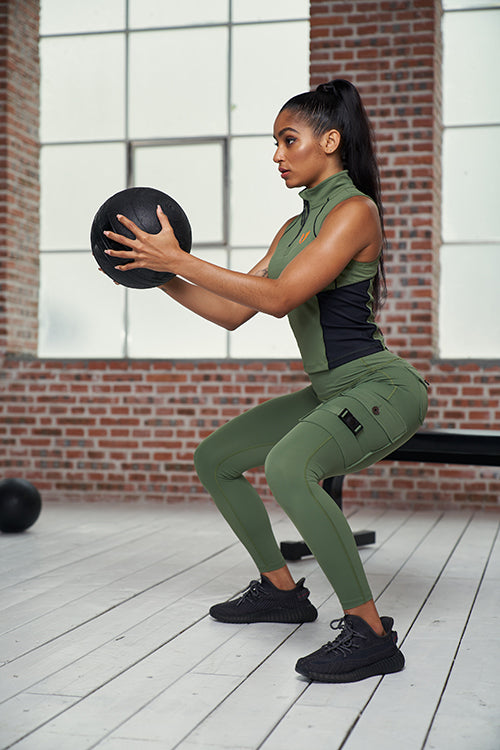
Credit: www.firmabs.com
Benefits Of Tight Gym Wear Over Loose Gym Wear
Let’s compare tight and loose gym wear in key areas:
| Feature | Tight Gym Wear | Loose Gym Wear |
|---|---|---|
| Muscle Support | High | Low |
| Chafing Prevention | Excellent | Poor |
| Range of Motion | Good | Varies |
| Style | Modern/Athletic | Classic/Relaxed |
| Layering | Easy | Bulky |
Common Misconceptions About Tight Gym Wear
It’s Only For Looks
Some think tight gym wear is just about showing off your body. While style is a factor, the main reasons are performance, comfort, and safety. Even elite athletes wear compression clothing for its benefits, not just appearance.
It’s Uncomfortable
Many believe tight clothes are uncomfortable. In reality, good gym wear is designed to feel like a second skin. When you buy the right size and material, tight gym wear can be more comfortable than loose options, especially during intense activities.
It’s Unhealthy
Some worry that tight gym wear could cut off circulation or cause health problems. For most people, this isn’t true. Compression clothing is made to support, not squeeze. Problems usually happen only when clothing is much too small or worn for very long periods.

Credit: everestkitchennc.com
Mistakes To Avoid When Choosing Tight Gym Wear
- Buying the Wrong Size: Too-tight clothes can restrict movement or cause discomfort. Too loose, and you lose the benefits.
- Ignoring Fabric Quality: Cheap materials can cause skin irritation, trap sweat, or wear out quickly. Invest in high-quality fabrics.
- Skipping the Try-On: Always try gym wear before buying. Brands fit differently, so your usual size may not be perfect.
- Forgetting Your Workout Type: Runners, lifters, and yogis all need different features. Choose gym wear designed for your sport.
- Not Considering Underwear: Some tight gym wear is see-through or uncomfortable without the right underwear. Look for thick, opaque fabrics and seamless designs.
The Role Of Technology In Modern Tight Gym Wear
Smart Fabrics
Some brands now use smart textiles with built-in sensors to track heart rate, temperature, or movement. These clothes remain tight to keep sensors in contact with your body. This is an exciting area for people who want more data from their workouts.
Eco-friendly Materials
Sustainability is becoming more important. Some tight gym wear uses recycled polyester or plant-based fibers. These eco-friendly options offer the same stretch and sweat management without harming the planet.
Uv Protection
Some fitted gym clothes include UV-blocking technology. This is useful for outdoor workouts, protecting your skin from sun damage while keeping you cool and comfortable.
When Not To Wear Tight Gym Wear
Tight gym wear is not always the best choice. For example:
- Swimming: Loose swimwear can create drag, but too-tight suits can restrict breathing.
- Extreme Heat: In very hot weather, some prefer looser, more breathable clothes.
- Personal Comfort: Some people simply feel better in relaxed fits, especially during recovery or rest days.
If you have certain medical conditions, like skin sensitivities or circulation issues, consult a healthcare professional before choosing tight gym wear.
How To Choose The Right Tight Gym Wear
Check The Fit
Your gym wear should be snug but not restrictive. You should be able to move, stretch, and breathe easily. If you see deep marks on your skin after removing gym wear, it may be too tight.
Look For Key Features
- Moisture wicking to keep sweat away
- Breathability for temperature control
- Stretch for full movement
- Flat seams or seamless designs to prevent chafing
- Opaque fabric for coverage
Try Different Brands
Sizes and fits vary by brand. Always check the size chart, read reviews, and try on before buying if possible.
Care And Maintenance
Tight gym wear lasts longer with proper care. Wash in cold water, avoid fabric softeners, and air dry. This protects the stretch and moisture-wicking properties.
:max_bytes(150000):strip_icc()/the-best-seamless-leggings-that-wont-roll-down-new-tout-d76dbf51f1ef4340af8624a49c84ffae.jpg)
Credit: everestkitchennc.com
Not-so-obvious Insights About Tight Gym Wear
Many beginners miss these key facts:
- Tight gym wear can help with proprioception. This means you become more aware of your body’s position in space, improving balance and technique.
- It reduces skin temperature changes. Compression clothing helps maintain a stable skin temperature, which can improve performance in both hot and cold conditions.
- Tight gym wear can help with swelling. Some athletes wear compression gear after workouts to reduce swelling and speed up recovery.
Real-world Examples And Data
- A study on runners found that those who wore compression leggings had less muscle soreness and faster recovery than those in loose shorts.
- Professional cyclists use tight clothing to reduce wind resistance, making them faster over long distances.
- Many yoga instructors recommend fitted clothes to help students and teachers see joint alignment clearly.
For more details on the science behind compression clothing, visit Wikipedia.
Frequently Asked Questions
Why Do Gym Leggings And Tops Need To Be Tight?
Tight leggings and tops support muscles, improve blood flow, and help wick away sweat. They also prevent chafing and allow a full range of motion, which is important during exercise.
Is Tight Gym Wear Suitable For All Body Types?
Yes, most brands now offer inclusive sizing and different fits. The key is to find clothing that is snug but not restrictive. Everyone can benefit from the support and comfort of well-fitted gym wear.
Can Tight Gym Wear Be Worn Outside The Gym?
Absolutely. The athleisure trend means you can wear fitted gym clothes for errands, travel, or casual outings. Many designs now blend style with function for everyday comfort.
How Do I Know If My Gym Wear Is Too Tight?
If you feel restricted, have trouble breathing, or see deep marks on your skin, your gym wear may be too tight. You should be able to move freely and feel comfortable.
Does Tight Gym Wear Help With Weight Loss?
Tight gym wear itself does not burn fat or lead to weight loss. However, it can make workouts more comfortable and motivate you to exercise more often, which helps with fitness goals.
Tight gym wear is more than a fashion statement. Its design is based on science, technology, and practical needs, making workouts safer and more effective. Whether you’re a beginner or a fitness enthusiast, understanding why gym wear is tight will help you choose the right gear for your goals.
Remember, comfort and confidence are just as important as performance. Choose wisely, and let your gym wear work for you.
