

Are Gym Clothes Supposed to Be Tight? The Ultimate Fit Guide
Are Gym Clothes Supposed To Be Tight
The moment you walk into a gym, you’ll notice a mix of styles. Some wear loose joggers and oversized tees, while others sport body-hugging leggings and compression tops. For many, the question pops up: Are gym clothes supposed to be tight? The answer is not as simple as “yes” or “no.” The right fit depends on your goals, your activity, your body shape, and even your comfort level. Understanding how gym clothes should fit can make a difference in performance, injury prevention, and confidence.
This article will break down why fit matters, the pros and cons of tight vs. loose gym wear, the science behind compression clothing, and how to pick the best fit for your workout. You’ll also find practical tips, common mistakes to avoid, and answers to questions beginners often miss.
Why Fit Matters In Gym Clothes
The fit of your gym clothes is about more than just style. It influences performance, safety, and motivation. Clothes that fit right allow for natural movement, reduce distractions, and can even help you perform better.
First, tight or loose clothing can affect your body temperature regulation. For example, body-hugging clothes made with sweat-wicking fabrics pull moisture away from your skin, helping you stay cool and dry. Loose clothes may allow more air flow but can trap sweat and become heavy.
Second, the right fit can prevent accidents. Baggy pants might get caught in a treadmill, while overly tight clothes can restrict movement or even cut off circulation. Choosing gym wear with the right fit means you can move freely and safely.
Lastly, how you feel in your workout clothes often impacts your confidence. Many people find that wearing clothes that fit well gives them the motivation to push harder during exercise.
Tight Vs. Loose Gym Clothes: A Closer Look
To answer whether gym clothes should be tight, it helps to compare the benefits and drawbacks of both options.
| Aspect | Tight Gym Clothes | Loose Gym Clothes |
|---|---|---|
| Mobility | Allows a wide range of motion, especially with stretchy fabric | Can restrict movement if too baggy; may hinder some exercises |
| Breathability | Moisture-wicking, good for sweat control | Better airflow, but may not wick sweat as efficiently |
| Safety | Less likely to get caught in equipment | Risk of catching on machines or weights |
| Comfort | Can feel snug; may cause discomfort if too tight | Feels relaxed, but may become heavy with sweat |
| Support | Offers muscle support and compression | No support; muscles may fatigue faster |
When Tight Clothes Work Best
Tight gym clothes, like compression leggings or fitted tops, are often favored for activities that require precision and agility. These include:
- Running or cycling, where wind resistance matters
- Yoga or pilates, where instructors need to see your form
- Weightlifting, to avoid loose fabric interfering with bars or machines
Tight clothes also support muscle groups and may help with blood flow, which we’ll explore further in the next section.
When Loose Clothes Are Better
Loose gym wear can be a good choice for:
- Group fitness classes with a focus on comfort, like Zumba or dance
- Activities where ventilation is key, such as outdoor walks in hot weather
- People who feel self-conscious in tight clothing or are just starting their fitness journey
Remember, loose does not mean oversized. Clothes should still fit your body comfortably and not restrict movement.
The Science Of Compression Clothing
Compression wear is a popular choice among athletes and gym-goers. These tight-fitting garments are designed to apply gentle pressure to muscles. The goal: increase blood flow, reduce muscle fatigue, and speed up recovery.
How Compression Clothes Work
Research shows that compression clothing can:
- Reduce muscle vibration during exercise, lowering muscle soreness
- Improve blood circulation, which brings more oxygen to muscles
- Help with recovery after intense workouts by reducing swelling
A study published by the Journal of Sports Sciences found that athletes wearing compression gear reported less muscle soreness and performed better in some strength tests.
Not All Compression Is Equal
The key is the right amount of compression. Too tight, and you risk restricting blood flow. Too loose, and you get none of the benefits. When trying compression clothing, it should feel snug but not painful. You should be able to move easily, without marks on your skin after removal.
Who Should Use Compression Wear?
Compression clothing can be especially helpful if you:
- Run long distances
- Do HIIT or plyometric workouts
- Have a history of muscle strains
However, they are not necessary for everyone. Some people may find them uncomfortable, especially for long periods.
Different Types Of Gym Activities And Ideal Clothing Fit
Let’s break down the best fit for various gym activities.
Weightlifting
For weightlifting, fitted but not skin-tight clothing is ideal. You want to see your muscle movement and avoid fabric getting caught on bars or benches. Compression shorts or leggings, paired with a fitted top, work well.
Cardio (running, Cycling)
Aerodynamic, tight-fitting clothes reduce wind resistance and wick sweat effectively. Choose moisture-wicking materials with a bit of stretch. For cycling, padded shorts are a must for comfort.
Yoga And Pilates
Here, instructors need to see your alignment. Fitted clothes ensure you can move through poses smoothly and prevent exposure during stretches. High-waisted leggings and snug tanks are popular choices.
Crossfit And Hiit
These workouts involve fast, dynamic movements. Compression wear can help, but comfort is key. Avoid anything too tight that limits squats or jumps. Choose breathable, stretchy fabrics.
Group Classes (zumba, Dance)
Some people prefer looser clothing for dance-based classes. Look for breathable tops and joggers that allow for expressive movement but aren’t baggy enough to catch on shoes or equipment.
Outdoor Training
Weather plays a big role. In hot conditions, loose or semi-fitted clothes offer airflow. In cold or windy weather, base layers should be tight to trap warmth, with looser layers on top.
Fabric Choice And Its Impact On Fit
The material of your gym clothes can change how tight or loose they should be.
Moisture-wicking Fabrics
Materials like polyester, nylon, and spandex are designed to pull sweat away from your skin. These are often used in tight gym clothes because they stretch and fit closely without feeling suffocating.
Cotton
Cotton is soft and comfortable but absorbs sweat. If you wear tight cotton clothes, they can quickly become heavy and cause chafing. Loose cotton shirts may feel better, but they aren’t ideal for intense workouts.
Mesh Panels And Ventilation Zones
Some gym wear uses mesh panels or ventilation zones to combine the benefits of tight fit with breathability. For example, fitted leggings with mesh behind the knees help prevent overheating.
Seamless Construction
Seamless gym wear often feels less restrictive and reduces the chance of chafing, even if it’s tight-fitting. Look for seamless designs if you have sensitive skin or do activities with a lot of movement.
How To Choose The Right Fit For Your Body Type
Everyone’s body is different. What feels tight for one person might be perfect for another. Here’s how to find the right balance:
- Measure yourself accurately before buying gym clothes. Look for size charts and reviews, as sizing can vary between brands.
- Consider your proportions. If you have broad shoulders, you may need to size up in tops. If you have muscular thighs, look for leggings with extra stretch.
- Test movement. Try squatting, stretching, or raising your arms in the fitting room. Clothes shouldn’t pinch, ride up, or slip down.
- Check for see-through fabric. With tight clothes, squat or bend over in front of a mirror to ensure coverage.
- Listen to your body. If anything feels too tight or distracting, it’s not the right fit for you.

Credit: www.nytimes.com
Common Mistakes When Choosing Gym Clothes Fit
Beginners often make these errors:
- Equating tightness with effectiveness. Tighter isn’t always better. If you can’t move freely, it’s too tight.
- Ignoring fabric stretch. Some fabrics lose elasticity over time, becoming loose or see-through.
- Choosing style over function. Clothes should support your activity first, then look good.
- Buying only based on brand or trend. Not all “athleisure” is designed for performance.
- Wearing old, stretched-out clothes. Worn-out gym wear can lose support and become unsafe.
The Role Of Gender In Gym Clothes Fit
Fit preferences often differ between men and women, but comfort and function should always come first.
Women’s Gym Clothes
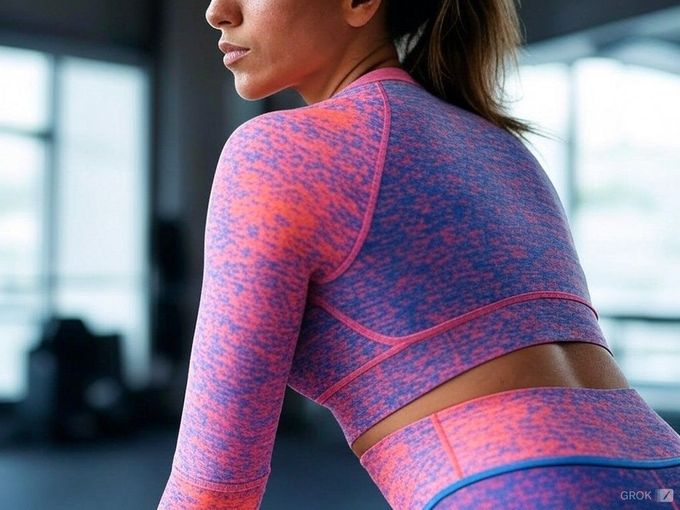
Women’s activewear tends to be more form-fitting, especially leggings and sports bras. This is partly for support and partly for style. However, many women prefer looser tops or joggers for comfort, especially during less intense workouts.
Men’s Gym Clothes
Men’s shorts and tanks are often looser, but fitted compression shirts or tights are common for running or weightlifting. The key is to avoid overly baggy clothes that could catch on equipment or hide poor form.
Credit: thegymdays.com
Psychological Effects: Does Tight Gym Wear Boost Confidence?
One non-obvious insight is the psychological impact of gym wear. Studies suggest that wearing clothes you feel good in—whether tight or loose—can improve workout motivation and self-esteem.
Tight gym clothes can help some people see muscle definition and progress, which boosts confidence. For others, tight clothing may cause self-consciousness or distraction. The best approach: wear what makes you feel strong and comfortable.
The Influence Of Fashion And Social Trends
Gym wear has become a fashion statement, with brands focusing on style as much as function. Social media often promotes tight-fitting, matching sets, but remember: what looks good online isn’t always best for your workout.
You don’t need to follow trends. Choose gym clothes based on your needs, not just what influencers wear.
Special Considerations: Plus Size, Older Adults, And Health Conditions
Plus Size Athletes
Plus size athletes often struggle to find gym wear that fits well. Look for brands that offer extended sizing and prioritize stretch and support. Avoid clothes that dig into the skin or roll down during movement.
Older Adults
Older adults may prefer looser fits for comfort and ease of putting on or removing clothing. However, some support from compression wear can help with joint pain or swelling.
Medical Needs
People with certain medical conditions, like varicose veins or lymphedema, may benefit from compression wear. Always check with a healthcare provider before using tight garments for health reasons.
Real-life Examples: What Gym-goers Say
Hearing from real people can help clarify the debate.
- Anna, runner: “I prefer tight leggings because they don’t ride up, and I don’t have to adjust them while running. Loose pants chafe my legs.”
- Mike, weightlifter: “I like fitted shirts so I can check my form in the mirror, but my shorts are a bit looser for squatting.”
- Sara, beginner: “I was nervous in tight clothes at first. Now I wear semi-fitted tops for support and loose joggers for comfort.”
Most agree: the best gym clothes fit well, don’t distract, and match the activity.
How To Test If Your Gym Clothes Fit Right
Here are simple ways to check your gym clothes fit:
- Move around: Do a few squats, lunges, or stretches. The fabric should move with you, not dig in or restrict.
- Check seams: Seams should not leave deep marks or feel scratchy.
- Look in the mirror: Make sure nothing is see-through or bunching.
- Jump test: Jump up and down. If you need to adjust your clothes, they may be too loose or too tight.
- Comfort check: Wear your gym clothes for 30 minutes at home. If you forget you’re wearing them, you’ve found a good fit.
How To Shop For Gym Clothes That Fit
Shopping for the right gym wear isn’t just about style. Here’s what to keep in mind:
- Read reviews. Other buyers often mention if items run small or large.
- Try before you buy. If possible, visit a store and test movement in the fitting room.
- Check return policies. Online shopping is convenient, but you may need to exchange sizes.
- Look for adjustable features. Drawstrings, elastic waists, and adjustable straps can help customize fit.
- Focus on function. Prioritize comfort and support over trends.
Cost And Quality: Does Price Affect Fit?
You don’t have to buy the most expensive gym wear for a good fit. However, very cheap clothes may lose elasticity, shrink, or fade quickly.
| Price Range | Fit Quality | Longevity |
|---|---|---|
| Low ($) | Inconsistent, may run small/large | Wears out quickly, may lose shape |
| Mid ($$) | Better sizing, more stretch | Lasts through many washes |
| High ($$$) | Tailored fit, technical fabrics | Long-lasting, holds shape |
Aim for the middle price range if you’re on a budget. Look for sales and discounts on reputable brands.
Washing And Care: Keeping The Right Fit
Even the best gym clothes can lose their shape if not cared for properly. Here’s how to keep your clothes fitting well:
- Wash in cold water. Hot water can break down elastic fibers.
- Air dry when possible. Heat from dryers can shrink fabrics.
- Avoid fabric softeners. They can coat technical fabrics, reducing stretch.
- Wash inside out. This protects prints and helps maintain elasticity.

Credit: everestkitchennc.com
The Bottom Line: Are Gym Clothes Supposed To Be Tight?
There is no universal answer. The best gym clothes for you are those that fit your body, support your activity, and make you feel confident. Tight gym clothes are popular for their support and performance benefits, especially for running, weightlifting, and yoga. Loose clothes offer comfort and ventilation, especially for less intense workouts or those who feel self-conscious in fitted wear.
The most important rule: gym clothes should be tight enough to stay in place but loose enough to allow full movement and comfort. Listen to your body, test different fits, and choose based on your needs, not just trends.
For more on how exercise clothing affects performance, you can read this Wikipedia article on compression garments.
Frequently Asked Questions
What Are The Risks Of Wearing Gym Clothes That Are Too Tight?
Overly tight gym clothes can restrict blood flow, cause chafing, and limit movement. In severe cases, they can lead to numbness or skin irritation. Always choose clothes that feel snug but not painful.
Can Loose Gym Clothes Be Dangerous During Workouts?
Yes, very loose gym clothes can get caught in equipment, causing accidents. They may also hide poor form, increasing injury risk. Choose clothes that fit close enough to your body for safety.
Should I Wear Compression Clothing For Every Workout?
You don’t need compression wear for every workout. They are most beneficial for high-impact or endurance activities, like running or HIIT. For low-intensity exercises, regular fitted gym wear is usually enough.
How Do I Know If My Gym Leggings Are Too Tight?
If leggings dig into your waist, leave deep marks, or restrict your movement, they are too tight. You should be able to squat, stretch, and move comfortably without adjusting them.
Is It Okay To Mix Tight And Loose Gym Clothes?
Yes. Many people pair tight leggings with a loose top or a fitted shirt with relaxed shorts. The key is balance: make sure nothing restricts movement or poses a safety risk.
Making the right choice in gym clothes fit is about understanding your body, your workout, and your comfort. With these tips, you’ll find the perfect balance, so you can focus on your performance and not your outfit.
