

Why Does My Gym Clothes Smell? Proven Tips to Eliminate Odor
Why Does My Gym Clothes Smell
Everyone who works out knows this problem: you finish a tough session, toss your clothes in your gym bag, and hours later, when you unpack them, the smell nearly knocks you over. Even after washing, sometimes that odor just won’t go away. You start to wonder—what’s really causing this? Is it just sweat, or something more? If you feel embarrassed by lingering smells or frustrated that your gym clothes never feel fresh, you’re not alone. Let’s dig into the science behind those stubborn odors, the role of fabric and washing habits, and smart strategies to keep your workout gear smelling clean.
Why Do Gym Clothes Smell Bad?
Sweat is part of exercise, but sweat itself isn’t smelly. The real problem starts when sweat mixes with bacteria living on your skin and in the fibers of your clothes. As these bacteria break down the proteins and oils from your sweat, they create chemicals that have a strong, unpleasant odor. These are the main reasons gym clothes can smell much worse than regular clothes after a workout.
But the story doesn’t stop there. Gym clothes—especially those made from synthetic materials—are designed to be lightweight, stretchy, and moisture-wicking. While this helps keep you cool and dry, it also gives bacteria the perfect environment to grow and thrive. The tight weave of some modern fabrics traps sweat and bacteria, making it harder for water and detergent to remove them during washing.
The Science Of Sweat And Odor
Sweating is a natural way for your body to cool down. You have two main types of sweat glands:
- Eccrine glands: These cover most of your body and produce a watery, mostly odorless sweat.
- Apocrine glands: Found mostly in the armpits and groin, these release thicker sweat that’s rich in proteins and fats.
It’s the apocrine sweat that causes trouble. When this kind of sweat interacts with skin bacteria, it produces volatile organic compounds (VOCs). These VOCs are what you smell after a workout.
Why Are Gym Clothes Worse Than Everyday Clothes?
Your everyday cotton shirt rarely smells as bad as your gym shirt, even after a long day. That’s because:
- Synthetic fabrics (like polyester, nylon, spandex) are less breathable and trap more sweat.
- These fabrics can hold onto oils and bacteria, even after washing.
- Workout clothes are usually tighter, pressing sweat and bacteria closer to the fabric.
Common Mistakes That Make Gym Clothes Smell Worse
Many people make the same washing and storage mistakes that allow odors to build up. Here are some habits that can actually make the problem worse:
- Letting clothes sit damp in a bag: Bacteria love dark, moist environments. Leaving gym clothes in a closed bag for hours allows bacteria to multiply.
- Not washing soon enough: The longer sweat sits in fabric, the harder it is to remove odor.
- Overusing detergent: More detergent doesn’t mean cleaner clothes. In fact, extra detergent can stay in the fibers and trap more odor.
- Skipping pre-soak or pre-rinse: Going straight to the wash cycle without rinsing off sweat and bacteria means odors can stay.
- Using fabric softener: Many softeners coat the fabric, trapping dirt and bacteria inside.
- Washing on cold only: Cold water doesn’t kill as many bacteria as hot water.
- Overloading the washing machine: When clothes are packed tightly, water and detergent can’t reach all the fibers.
How Fabric Type Affects Odor
Not all workout clothes are equal. The type of fabric makes a big difference in how much odor it holds.
| Fabric Type | Odor Retention | Breathability | Ease of Cleaning |
|---|---|---|---|
| Polyester | High | Moderate | Harder |
| Nylon | Medium | Moderate | Moderate |
| Spandex/Lycra | High | Low | Harder |
| Cotton | Low | High | Easy |
| Merino Wool | Low | High | Easy |
Synthetic fabrics like polyester and spandex are great for wicking sweat, but they also trap body oils and bacteria, making them more likely to smell. On the other hand, cotton and merino wool are more breathable and naturally resist odors, but they can feel heavy when wet.
Why Synthetics Smell More
Here’s a key point many beginners miss: synthetic fibers are hydrophobic. This means they repel water but attract oils. When you sweat, the water evaporates but the oily parts of sweat stick to the fabric. Bacteria feed on these oils, creating more odor. Because these oils are tough to wash out, the smell can build up over time.
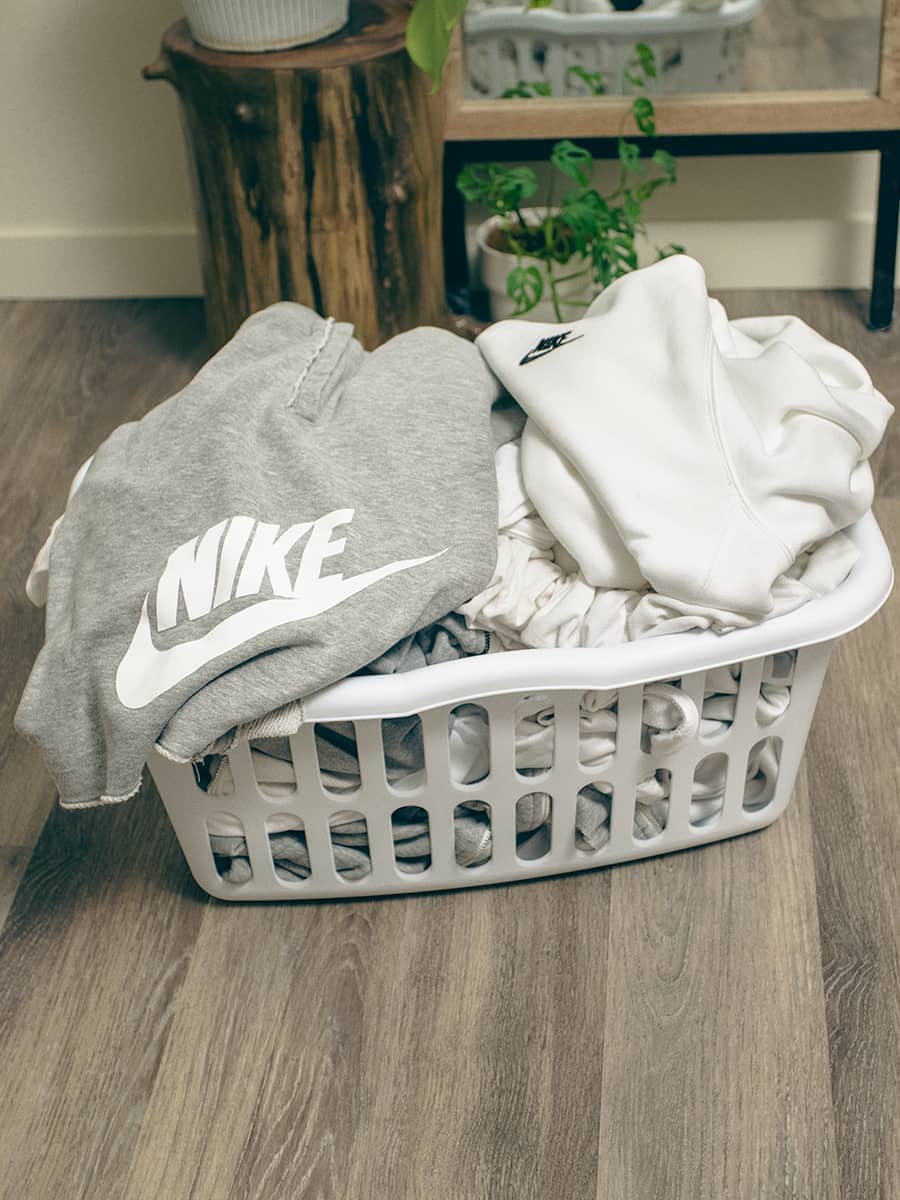
Credit: www.nike.com
Sweat, Bacteria, And The Microbiome
Your skin is covered in a unique microbiome—a mix of bacteria, fungi, and other tiny organisms. When you sweat, you’re not just moistening your shirt; you’re feeding the bacteria that live there. Some types of bacteria are especially good at breaking down sweat and producing bad smells. For example, Staphylococcus hominis and Corynebacteria are known for their strong odor production.
A surprising fact: the same gym shirt can smell different on different people because everyone has a unique skin microbiome. If you share clothes or don’t wash them properly, you might be swapping bacteria with others, making the smell worse over time.
How Washing Methods Impact Odor
Washing is not just about removing dirt. It’s about fighting bacteria and breaking down oily sweat residue. But not all washing methods are equal.
Washing Temperature
Hot water is best for killing bacteria, but many athletic fabrics recommend cold washes to protect the material. This creates a challenge: you want to kill bacteria, but you don’t want to ruin your clothes.
Detergent Type
Regular detergents are designed for everyday dirt, not the oily sweat in gym clothes. Sports detergents or those with enzymes are better at breaking down these oils.
Frequency
Washing immediately after use is ideal, but that’s not always possible. If you can’t wash right away, at least let your clothes dry out instead of keeping them damp.
Pre-soaking
Pre-soaking gym clothes in a mix of water and white vinegar or baking soda can help break down odors before washing.
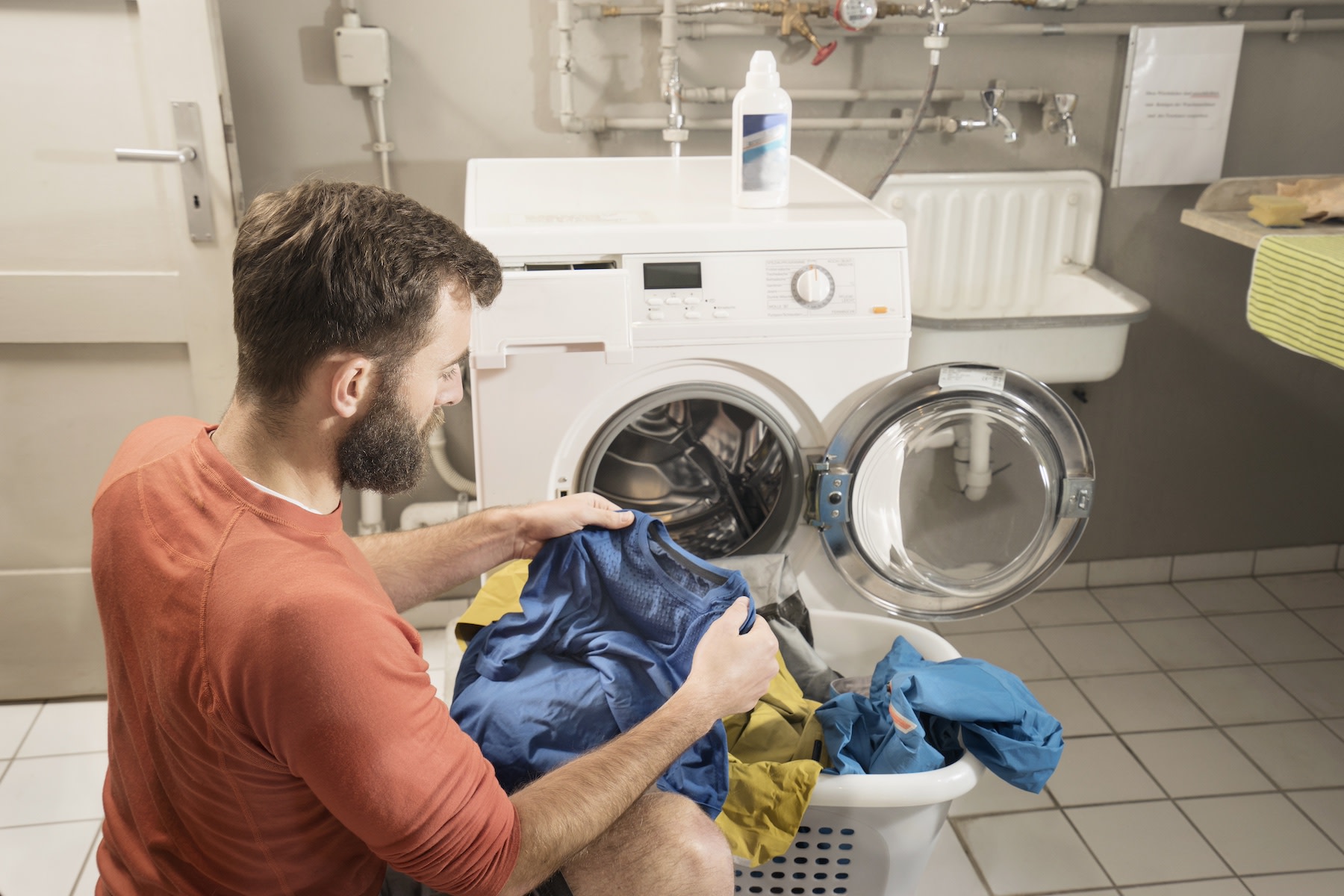
Credit: www.onepeloton.com
Extra Factors That Contribute To Gym Clothes Odor
There are other reasons your gym clothes might smell worse than expected:
- Poor ventilation in gym bags or lockers
- High humidity in your area or home
- Not showering before working out (body oils build up faster)
- Wearing the same clothes multiple times before washing
- Using too much deodorant or body spray, which can mix with sweat and create new smells
- Old washing machines with mold or residue inside
Best Practices For Washing Gym Clothes
If you want to keep your workout gear smelling fresh, follow these proven steps:
- Air out your clothes immediately: Hang them up or lay them flat as soon as possible after your workout.
- Rinse before washing: Quickly rinse your clothes in cool water to remove sweat and bacteria.
- Pre-soak in vinegar or baking soda: Use one cup of white vinegar or half a cup of baking soda in cold water for 30 minutes.
- Wash with a sports detergent: These are designed to remove oily sweat and bacteria.
- Use the right water temperature: If the fabric allows, use warm or hot water to kill more bacteria.
- Don’t overload the washer: Give your clothes space to move, so detergent can reach every fiber.
- Avoid fabric softener: It can trap odors and reduce the wicking ability of your clothes.
- Dry completely: Don’t let clothes sit in the washer. Dry them as soon as possible—preferably in the sun, which also helps kill bacteria.
- Deep clean regularly: Every few washes, run a cycle with vinegar or a special sports cleaner to remove buildup.
How To Store Gym Clothes To Prevent Odor
How you store your gym clothes is just as important as how you wash them. Here are some tips to avoid that musty smell:
- Never leave them in a closed gym bag for more than an hour or two.
- Use a breathable laundry bag for dirty clothes.
- Let them dry before putting in the hamper.
- Store clean gym clothes in a dry, ventilated area.
- Clean your gym bag regularly—it can trap bacteria and odors, too.
Comparing Gym Clothes And Everyday Clothes
A lot of people wonder if there’s a real difference between gym clothes and regular clothes when it comes to odor. Here’s a quick comparison:
| Feature | Gym Clothes | Everyday Clothes |
|---|---|---|
| Material | Mostly synthetic | Mostly natural (cotton, wool) |
| Sweat-wicking | Yes | No |
| Odor retention | High | Low to medium |
| Drying speed | Fast | Slow |
| Washing difficulty | Harder | Easier |
This shows why gym clothes require special care and attention.

Credit: tripulse.co
Special Tips For Persistent Odors
Sometimes, even after careful washing, the smell won’t go away. Here are advanced tips for stubborn odors:
- Try enzyme cleaners: These break down protein and oil residues better than standard detergents.
- Use oxygen-based bleach: Safe for most colors and synthetics, this helps kill bacteria and remove stains.
- Wash inside out: Odors cling to the inside, where sweat touches the fabric most.
- Add a second rinse cycle: Helps remove any detergent or sweat left behind.
- Freeze your clothes: Sounds strange, but freezing kills many odor-causing bacteria.
The Impact Of Diet And Hydration
What you eat and drink can change how you smell. Foods like garlic, onions, and spicy dishes can make your sweat smell stronger. If you’re dehydrated, your sweat is more concentrated, which can feed more bacteria and make odors worse. Drinking plenty of water helps dilute your sweat and can reduce strong smells.
The Role Of Hormones And Health
Your body chemistry changes with age, hormones, and even stress. For example, some people notice stronger body odor during puberty, menopause, or stressful times. Certain medications and medical conditions (like diabetes or hyperhidrosis) can also affect the way your sweat smells.
If you suddenly notice a big change in your body odor with no obvious cause, it’s smart to talk to a healthcare professional.
Gym Clothes Smell Myths
There are many myths about why gym clothes smell and how to fix it. Let’s clear up some common misunderstandings:
- Myth: Sweat is always the main cause of smell.
Fact: It’s the bacteria, not the sweat, that creates most of the odor.
- Myth: More detergent = cleaner clothes.
Fact: Extra detergent can get trapped and actually make odors worse.
- Myth: Fabric softeners help with smell.
Fact: They often coat the fabric, making it harder to remove bacteria.
- Myth: Only cheap gym clothes smell.
Fact: Even high-end athletic wear can hold odors if not washed properly.
- Myth: You can wear gym clothes multiple times before washing.
Fact: This increases bacteria and makes odors harder to remove.
How Often Should You Wash Gym Clothes?
As a general rule, wash your gym clothes after every workout. Even if you don’t feel very sweaty, bacteria build up quickly. Exceptions could be made for lightly used jackets or outer layers, but anything that touches your skin needs regular cleaning.
If you can’t wash right away, let the clothes dry fully before putting them in the hamper. This reduces the chance of bacteria multiplying.
Gym Accessories: Don’t Forget Shoes, Towels, And Bags
It’s not just your clothes that can smell. Shoes, towels, and gym bags also collect sweat, bacteria, and dirt.
- Shoes: Remove insoles and let them dry. Use baking soda inside to absorb odors.
- Towels: Wash after every use, especially if used to wipe sweat.
- Gym bags: Wipe down with antibacterial wipes, and wash fabric bags regularly.
Neglecting these items can transfer smells back to your clean clothes.
When To Replace Gym Clothes
No matter how well you wash, workout clothes don’t last forever. Over time, fabrics break down and can hold onto odors permanently. Signs you may need to replace gym clothes:
- Persistent smell that won’t come out
- Fabric feels stiff or sticky
- Visible stains or discoloration
- Loss of stretch or shape
If you notice these signs, it’s probably time for new gear.
Eco-friendly Ways To Keep Gym Clothes Fresh
You can keep your workout gear smelling good while being kind to the environment:
- Line dry in the sun: UV light helps kill bacteria.
- Use natural cleaners: Vinegar and baking soda are effective and gentle.
- Wash full loads: Save water and energy.
- Choose sustainable fabrics: Merino wool and bamboo resist odors naturally.
Comparing Popular Odor-fighting Products
There are many products that promise to remove gym clothes odor. Here’s a quick look at some common choices:
| Product Type | Main Use | Pros | Cons |
|---|---|---|---|
| Sports Detergent | General washing | Targets sweat and oil, safe for synthetics | More expensive than regular detergent |
| White Vinegar | Pre-soak or rinse | Cheap, natural, effective at removing odors | Strong smell before washing |
| Baking Soda | Pre-soak | Neutralizes odors, gentle on fabrics | May not remove stains |
| Oxygen Bleach | Occasional deep clean | Kills bacteria, safe for colors | Can damage delicate fabrics if overused |
| Enzyme Cleaner | Heavy-duty odor removal | Breaks down tough oils and proteins | Usually more costly |
Non-obvious Insights Most People Miss
- The smell can be caused by “biofilm”: Over time, bacteria can form a thin, sticky layer (biofilm) on synthetic fibers. This is very hard to remove with normal washing. Occasional deep cleaning (with enzyme cleaner or vinegar) is needed to break it down.
- Hard water makes odors worse: If you live in an area with hard water, minerals in the water can react with detergent and sweat, making it harder to clean your clothes. Try using a water softener or extra rinse cycle.
- Drying in the sun is more effective than using a dryer: Sunlight not only dries your clothes but also kills bacteria naturally. UV rays break down odor-causing compounds.
Final Thoughts: Making Freshness A Habit
Keeping your gym clothes fresh doesn’t have to be a struggle. It’s about understanding how sweat, bacteria, and fabric interact—and making a few smart changes to your routine. Choose the right fabrics, wash and store your clothes the right way, and don’t ignore your gym bag and accessories.
With a little effort, you can say goodbye to embarrassing odors and enjoy your workouts with confidence.
For more on how bacteria and fabric interact, check out this research summary from the National Institutes of Health.
Frequently Asked Questions
Why Do My Gym Clothes Still Smell After Washing?
Even after washing, synthetic fibers can hold onto body oils and bacteria. This is because these fabrics attract oils that regular detergents may not fully remove. Using a sports detergent or adding vinegar to the wash can help.
Can I Use Regular Detergent For Gym Clothes?
You can, but regular detergents are not designed to break down the oily sweat found in gym clothes. For best results, use a sports-specific detergent with enzymes.
Is It Safe To Use Vinegar Or Baking Soda On All Fabrics?
Vinegar and baking soda are generally safe for most gym clothes, but always check the care label. Avoid using vinegar on delicate fabrics like silk or some wools.
Should I Wash My Gym Clothes After Every Use?
Yes, you should wash gym clothes after each use. Sweat and bacteria build up quickly, and waiting can make odors much harder to remove.
What Is The Best Way To Dry Gym Clothes?
Air drying in the sun is best, as sunlight kills bacteria and removes odors naturally. If you use a dryer, choose a low heat setting to protect the fabric. Letting clothes dry fully before storing is essential.
With these tips, you can keep your gym gear fresh and ready for your next workout.
