

Should I Wash Gym Clothes in Hot Or Cold Water? Expert Tips
Should I Wash Gym Clothes In Hot Or Cold Water
Staying fit means regular workouts, and that also means lots of sweaty gym clothes. If you exercise often, you know how quickly activewear piles up—and how tough it is to keep it fresh and long-lasting. One question many people ask is: Should I wash gym clothes in hot or cold water? The answer is important, not just for keeping clothes clean, but also for odor control, fabric care, and saving energy. If you’re not sure what temperature to use, you’re not alone. Choosing the right washing method can make a big difference in your laundry routine and your wallet.
In this guide, you’ll learn how water temperature affects gym clothes, what science and manufacturers say, and what real gym-goers do. We’ll also cover extra tips for keeping your workout gear looking and smelling great, plus answer common questions. Whether you’re a beginner or a seasoned athlete, this article will help you make confident choices for every wash.
The Science Of Washing: Hot Vs. Cold Water
Understanding the difference between hot and cold water for laundry helps you make better choices. Each temperature has its own strengths and weaknesses when it comes to cleaning gym clothes.
Hot water (generally 130°F or higher) cleans deeply, helps dissolve oils, and kills many bacteria and germs. This is why people often use hot water for towels, bedding, and heavily soiled items. However, it can also cause colors to fade and fabrics to shrink or wear out faster.
Cold water (usually between 60°F and 80°F) is gentler on fabrics and colors. It saves energy, reduces the risk of shrinkage, and is safe for most modern activewear. However, it may not kill as many germs or remove very tough stains as quickly as hot water.
Modern laundry detergents are designed to work well in both temperatures, but some stains and odors may respond better to one or the other.
Gym Clothes: Unique Challenges
Activewear is made to handle sweat, stretching, and movement. Most gym clothes use synthetic fabrics like polyester, nylon, or spandex. These fibers wick moisture away from the skin, dry quickly, and are flexible. But they also trap body oils, bacteria, and odor more than natural fibers like cotton.
Common problems with gym clothes include:
- Persistent odors even after washing
- Loss of stretch or shape
- Pilling (tiny fabric balls)
- Color fading or bleeding
- Stains from sweat, deodorant, or outdoor dirt
Washing gym clothes the wrong way can make these problems worse. That’s why water temperature matters more for activewear than for regular clothes.
How Water Temperature Affects Gym Clothes
Hot Water: Pros And Cons
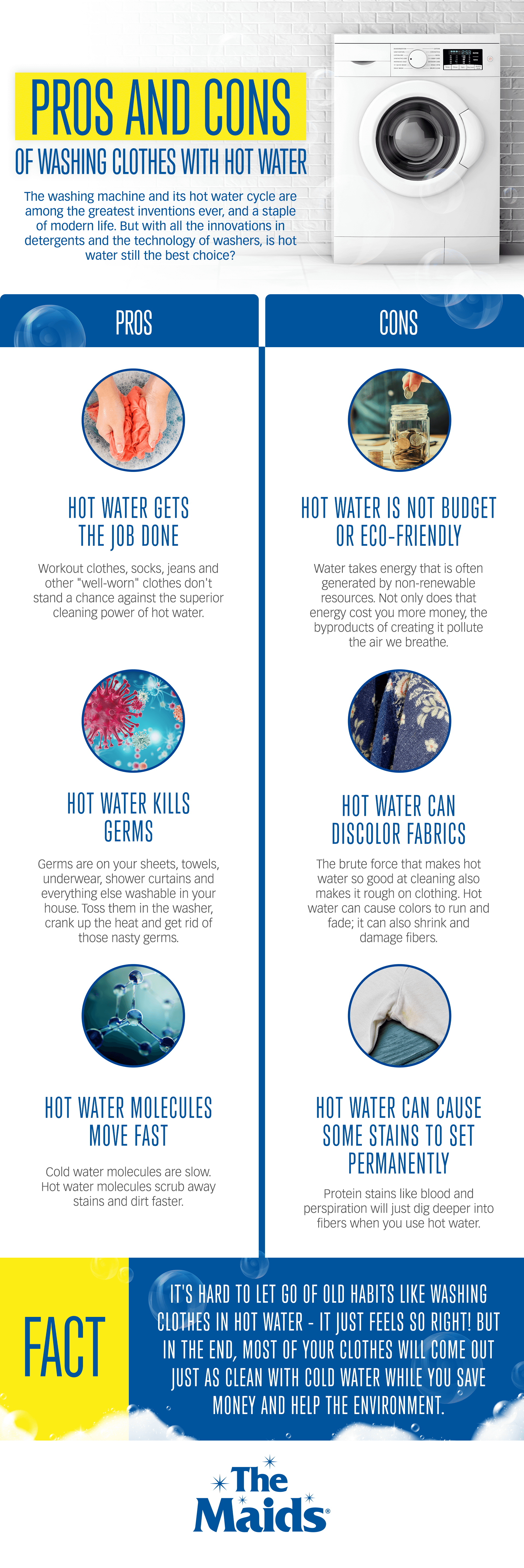
Using hot water for gym clothes can kill bacteria and remove body oils. It’s tempting to think hotter is always better, but for activewear, that’s rarely true.
Pros:
- Kills many bacteria and germs
- Removes body oils and heavy stains
- Good for items worn close to the skin (in theory)
Cons:
- Can damage synthetic fibers, making them lose stretch and shape
- Causes colors to fade or bleed, especially with bright or dark gym clothes
- Increases risk of shrinkage
- Uses more energy, raising utility bills
- Some performance fabrics lose their sweat-wicking ability when exposed to heat
Most gym clothes labels recommend avoiding hot water for these reasons.
Cold Water: Pros And Cons
Cold water is the standard choice for washing modern gym clothes, especially synthetics.
Pros:
- Gentle on fibers, keeping stretch and fit longer
- Prevents color fading and bleeding
- Reduces pilling
- Saves energy and money
- Works well with most modern detergents
Cons:
- May not remove very heavy odors or stains in a single wash
- Does not kill all bacteria (but most are removed by detergent and the rinse cycle)
- Needs proper detergent for cold water
For most gym clothes, cold water is the safest and most effective option.
What Do Clothing Labels Say?
It’s always smart to check the care label inside your gym clothes. Most activewear brands print clear washing instructions. You’ll often see advice like:
- “Machine wash cold with like colors”
- “Do not bleach or iron”
- “Tumble dry low or air dry”
- “Do not use fabric softener”
These guidelines are based on fabric testing and help keep your clothes in top shape. Ignoring them can void a warranty or cause damage quickly.

Credit: housekeepup.com
What Do Experts And Research Say?
Laundry experts and scientists have studied how water temperature affects cleaning and fabric care. According to tests by consumer groups and textile researchers:
- Cold water is usually enough to clean lightly or moderately soiled clothes if you use a good detergent.
- Hot water removes more bacteria, but the difference is small for most everyday clothes, especially if you dry them thoroughly.
- Washing in cold water can save up to 90% of the energy used in a typical wash cycle, since most of the energy goes to heating water.
- Most synthetic activewear is designed for cold water, and hot water can break down the fibers.
A study published by the International Association for Soaps, Detergents, and Maintenance Products found that modern detergents work very well in cold water, especially for synthetic fibers. If you’re worried about germs, tumble drying or line drying in sunlight helps kill any remaining bacteria.
Comparing Hot And Cold Water For Gym Clothes
Here’s a side-by-side comparison to help you decide:
| Factor | Hot Water | Cold Water |
|---|---|---|
| Bacteria removal | High | Moderate |
| Odor removal | Good for heavy odors | Good for mild-moderate odors |
| Fabric safety | Can damage synthetics | Safe for all gym clothes |
| Color fading | Higher risk | Low risk |
| Energy use | High | Low |
| Stain removal | Better for oil-based stains | Good with right detergent |
When To Use Hot Water For Gym Clothes
There are a few rare cases when hot water may be helpful, but you should be careful:
- Towels or cotton items: If you use towels at the gym, these can handle hot water. Cotton is less sensitive than synthetics.
- Heavy bacterial contamination: If you’ve been ill or have skin infections, hot water may help kill more germs—but always check the clothing label first.
- Strong, oily stains: For tough stains (like bike grease), pre-treating and a warm or hot wash can help.
For most people, though, these situations are not common.
When To Use Cold Water For Gym Clothes
Cold water is almost always the best choice for activewear, especially:
- For synthetic fabrics (polyester, spandex, nylon, lycra)
- For bright or dark colors that could bleed
- For preserving fabric stretch
- For reducing odor buildup (with proper detergent)
- For saving energy and money
Most gym clothes are designed with cold water in mind.
Does Cold Water Really Get Gym Clothes Clean?
A common worry is that cold water doesn’t get rid of sweat and odor. But with today’s detergents, this is not a problem for most loads. The key is using the right detergent and not overloading the machine.
Enzyme-based detergents are best for activewear. They break down sweat, oils, and bacteria even in cold water. Some brands make special “sports” or “activewear” detergents.
For best results:
- Use the recommended amount of detergent (too much can leave residue)
- Wash soon after wearing (don’t let sweaty clothes sit for days)
- Turn clothes inside out before washing
- Avoid fabric softener (it can block moisture-wicking fibers)
Special Care For Gym Clothes
Pre-treating Odors And Stains
If you struggle with stubborn odors or yellow stains, pre-treat before washing:
- Soak clothes in a mix of cold water and a small amount of white vinegar for 15–30 minutes.
- Use a stain remover spray or a bit of detergent directly on the stained area.
- For sweat stains, a baking soda paste can help.
Do not use bleach on synthetics. It can damage fibers and cause yellowing.
Washing Machine Settings
Set your washing machine to a gentle or delicate cycle with cold water. This reduces friction and helps prevent stretching or pilling.
For best results:
- Wash gym clothes separately from towels, jeans, and heavy items.
- Use a mesh laundry bag to protect delicate items like sports bras or compression gear.
- Rinse thoroughly to remove all detergent.
Drying Gym Clothes
Heat is the enemy of most gym fabrics. High dryer settings can melt, shrink, or weaken fibers. Air drying is safest.
- Hang clothes on a rack or line in a well-ventilated area.
- If you must use a dryer, select low heat or “air dry” mode.
- Avoid direct sunlight for long periods, as it can fade colors.
Real-world Experiences: What Gym-goers Say
Many fitness enthusiasts have learned through trial and error. Some common lessons:
- Cold water washes keep clothes lasting longer—less fading and stretching.
- Hot water ruined my compression leggings—they lost their shape after a few washes.
- Switching to a sports detergent made my gym shirts smell fresher, even with cold water.
- Avoiding fabric softener fixed the wicking problem I had with my running shirts.
Some people add a cup of white vinegar to the rinse cycle for extra odor removal. Others say that washing immediately after a workout makes the biggest difference.
Saving Money And The Environment
Washing in cold water does more than protect your gym clothes. It’s also better for the planet. According to the U.S. Department of Energy, almost 90% of the energy used by a washing machine goes to heating water. Cold water washing reduces your carbon footprint, lowers your utility bills, and extends the life of your clothes.
If everyone switched to cold water, it would save millions of tons of CO₂ emissions each year. Small changes in your laundry routine can have a big impact over time.
Common Myths About Washing Gym Clothes
Many people believe things about laundry that just aren’t true. Let’s clear up a few myths:
- Myth: Hot water always cleans better.
Fact: With modern detergents, cold water is just as effective for most laundry, including gym clothes.
- Myth: You need bleach to kill odor.
Fact: Bleach can ruin activewear. Special detergents or white vinegar are safer options.
- Myth: Fabric softener makes gym clothes softer.
Fact: Softener can clog fibers and stop wicking, leading to more odor and less comfort.
- Myth: You must wash gym clothes after every use.
Fact: Most items should be washed after each use, but outer layers like jackets can be worn more than once if not soaked with sweat.
How To Wash Gym Clothes Step By Step
If you want your gym clothes to last and stay fresh, follow these steps:
- Sort by fabric and color. Wash synthetics together, separate from towels and jeans.
- Turn inside out. This helps protect the outer layer and removes sweat and oils better.
- Pre-treat stains. Use a stain remover or a paste of baking soda and water.
- Use cold water. Set your machine to a gentle cycle and cold temperature.
- Add the right detergent. Choose an enzyme-based or sports detergent.
- Skip fabric softener. It harms performance fabrics.
- Dry properly. Air dry or tumble dry low. Never use high heat.
Dealing With Persistent Odor Problems
If your gym clothes still smell even after washing, try these solutions:
- Soak in vinegar: Mix one part white vinegar to four parts cold water and soak for 30 minutes before washing.
- Use baking soda: Add half a cup to the wash cycle for extra odor control.
- Try a sports detergent: These are made to target sweat and bacteria.
- Dry completely: Never let clothes sit damp, as this breeds more bacteria.
If you notice a sour smell after drying, your machine itself may need cleaning. Run an empty hot cycle with a cup of vinegar to remove buildup.
Comparing Detergents For Gym Clothes
With so many detergents on the market, it’s hard to know what works best. Here’s a comparison to help you decide:
| Type | Best For | Pros | Cons |
|---|---|---|---|
| Enzyme-based | Activewear, odor removal | Breaks down sweat, works in cold water | Can be more expensive |
| Sports-specific | Heavy odor, technical fabrics | Formulated for synthetic fibers, gentle | Some may have strong scent |
| Regular detergent | Lightly soiled clothes | Widely available, affordable | May not remove deep odor |
| Natural/eco-friendly | Sensitive skin, eco-conscious users | No harsh chemicals, better for environment | May be less effective on strong odors |
Energy Savings: The Hidden Benefit Of Cold Water
Washing with cold water can cut your laundry energy use by up to 90%. If your machine does five loads a week, you could save enough energy to power a computer for several months just by making the switch. Plus, your clothes will last longer, reducing how often you need to buy new ones.
According to the ENERGY STAR program, cold water washing is one of the easiest ways to lower home energy costs.
Tips For Making Gym Clothes Last Longer
Workout clothes can be expensive. With proper care, you can extend their life:
- Wash after each wear to prevent odor buildup.
- Use cold water and gentle cycles.
- Avoid the dryer whenever possible.
- Store dry, not damp—never leave sweaty clothes in a bag.
- Use the right detergent for synthetics.
- Repair small tears right away to stop them from growing.
Credit: www.maids.com
Non-obvious Insights Most Beginners Miss
- Letting gym clothes “air out” before washing helps prevent set-in odors. Don’t throw sweaty clothes straight into the hamper—let them dry first.
- Overloading the washer leads to poor cleaning. Give your gym clothes space to move so water and detergent reach every fiber.
- Washing with regular clothes is a mistake. Towels, jeans, and other heavy fabrics can cause friction, pilling, and faster wear on delicate workout gear.
- Skipping the rinse cycle can leave detergent trapped in wicking fabrics, which actually causes more odor over time.
How Often Should You Wash Gym Clothes?
Most gym clothes should be washed after every workout. This is especially true for:
- Base layers (t-shirts, sports bras, underwear)
- Items soaked with sweat
- Clothes used for intense exercise (running, cycling, HIIT)
Outer layers like jackets or shorts may be worn 2–3 times if not soaked, but always air them out between uses. Never wear unwashed gym clothes for more than a day without washing.
Can You Wash Gym Clothes With Other Laundry?
It’s best to wash activewear separately from regular clothes. Mixing them with heavy fabrics can cause faster wear, stretching, and odor transfer. If you must combine loads, use a mesh bag for gym items.
Gym Clothes And Allergies: Does Water Temperature Matter?
If you have sensitive skin or allergies, washing in cold water is usually safe, as long as you use enough detergent and rinse well. Hot water is not needed unless you have a doctor’s recommendation. Choose hypoallergenic or fragrance-free detergents for best results.

Credit: greenllamaclean.com
Frequently Asked Questions
What Happens If I Wash Gym Clothes In Hot Water By Mistake?
If you accidentally use hot water once, your gym clothes probably won’t be ruined, but repeated hot washes can damage the fibers, cause shrinkage, and fade colors. If you notice your clothes losing stretch or changing shape, switch back to cold water immediately.
Is Cold Water Enough To Remove Sweat And Bacteria From Gym Clothes?
Yes, for most people. Modern detergents are designed to work in cold water and remove sweat, body oils, and most bacteria. For extra peace of mind, dry your clothes thoroughly or in sunlight, which also helps kill germs.
Why Do My Gym Clothes Still Smell After Washing?
Odors can stick to synthetic fibers, especially if clothes sit for a long time before washing. Try pre-soaking in vinegar, using a sports detergent, and avoiding fabric softener. Make sure not to overload the washing machine, and always dry clothes completely.
Can I Use Bleach On Gym Clothes To Remove Odor?
No, avoid bleach on synthetic activewear. Bleach can weaken fibers, cause yellowing, and reduce the sweat-wicking ability of your clothes. Use white vinegar or baking soda for odor control instead.
What’s The Best Way To Dry Gym Clothes?
Air drying is safest for activewear. Hang clothes on a rack or line in a well-ventilated area. If you need to use a dryer, select low heat or “air dry” mode to prevent damage and shrinking.
Taking care of your gym clothes doesn’t have to be complicated. By choosing cold water washes, using the right detergent, and following a few simple habits, you’ll keep your workout gear fresh, comfortable, and long-lasting—saving money, energy, and hassle in the long run.
