

Why Do People Wear Gym Belts: Benefits and Common Myths
Why Do People Wear Gym Belts
Walking into any gym, you’ll often see people wrapping a thick belt around their waist before lifting heavy weights. Sometimes it’s the seasoned powerlifter preparing for a big squat, or a beginner trying to deadlift safely. But why do people actually wear gym belts?
Is it really necessary, or is it just a fitness trend? Understanding the real reasons behind wearing a gym belt can help you decide if you need one, how to use it correctly, and what benefits (or risks) it brings.
Let’s dive deep into the world of gym belts and discover why they are such a common sight in weight rooms everywhere.
What Is A Gym Belt?
A gym belt, also called a weightlifting belt, is a wide, sturdy belt made from leather, nylon, or similar materials. It wraps tightly around your lower back and abdomen, usually fastened with a buckle or Velcro. The main purpose is to provide extra support for your core when lifting heavy loads, especially during movements like squats, deadlifts, and overhead presses.
Unlike regular belts used for holding up pants, gym belts are designed to be much wider, typically 4 to 6 inches, and are reinforced to resist stretching. The belt’s design helps increase pressure inside your abdomen, which can make your trunk more stable and protect your back from injury.
Main Reasons People Wear Gym Belts
People wear gym belts for several important reasons. Here are the most common ones:
1. Protecting The Lower Back
The lower back is especially vulnerable when lifting heavy weights. A gym belt helps reduce the risk of back injuries by supporting the lumbar spine. When the belt is tightened, it increases the pressure inside your abdomen (this is called intra-abdominal pressure). This pressure acts like a cushion, stabilizing your spine and making it harder to bend or twist your lower back in dangerous ways during a lift.
2. Increasing Lifting Performance
Many lifters find they can lift more weight with a belt than without. The reason? The extra support allows your body to generate more power and maintain better posture. Studies have shown that wearing a belt can help you lift about 5–15% more weight on exercises like the squat and deadlift compared to lifting without one. This doesn’t mean everyone needs to use a belt for every lift, but it’s a useful tool when trying to push your limits.
3. Improving Core Stability
Wearing a gym belt teaches you to brace your core properly. When you take a deep breath and push your belly out against the belt, your entire midsection stiffens. This makes your body more stable and helps prevent your spine from rounding or arching during heavy lifts. Over time, learning how to brace with a belt can also help you brace better without one.
4. Reducing Fatigue And Discomfort
Lifting heavy weights puts a lot of pressure on your lower back and abdominal muscles. A belt can reduce muscle fatigue by sharing some of that pressure. For lifters who train often or with very heavy weights, this can mean less soreness and faster recovery.
5. Building Confidence During Heavy Lifts
Many gym-goers feel more confident when wearing a belt, especially during big lifts. This psychological boost can help you focus, commit fully to your lift, and avoid hesitation. Feeling secure can make a real difference in performance, especially when attempting personal bests.
How A Gym Belt Works: The Science Explained
To understand why gym belts are effective, it helps to know what happens inside your body during heavy lifting. When you pick up a heavy object, your core muscles (abs, obliques, and lower back) contract to keep your spine straight.
If your core is weak or not engaged, your back can round or arch, increasing the risk of injury.
When you wear a belt and brace your core, you create intra-abdominal pressure. This is like inflating a balloon inside your belly. The pressure pushes out in all directions, stabilizing your spine from the inside. The belt acts as a wall for your core muscles to push against, allowing you to create even more pressure.
Here’s a simplified comparison:
| Without Belt | With Belt |
|---|---|
| Core muscles work alone to stabilize the spine | Belt provides extra support and increases pressure |
| Higher risk of spinal movement under heavy load | Spine stays more stable, less movement |
| May reach muscle fatigue sooner | Fatigue is delayed, allowing for heavier lifts |
This extra stability is why belts are especially popular with powerlifters, Olympic lifters, and anyone moving near-maximal weights.
When Should You Use A Gym Belt?
Belts are not necessary for every exercise or every lifter. Knowing when to use a gym belt can help you get the most benefit without creating dependency.
Best Times To Use A Belt
- Heavy compound lifts: Squats, deadlifts, overhead presses, and clean & jerk.
- Maximal or near-maximal loads: When you are lifting at or above 80% of your one-rep max.
- Low-rep sets: Heavy sets with fewer than five reps, where stability matters most.
When Not To Use A Belt
- Light weights: If you can easily control the weight, you don’t need a belt.
- Isolation exercises: Movements like biceps curls or leg extensions don’t require extra core support.
- Building core strength: Relying too much on a belt can make your core muscles weaker over time. It’s important to train without a belt too.
Types Of Gym Belts And Their Differences
There are several types of gym belts, each with its own strengths and weaknesses. Choosing the right one depends on your goals, body type, and the type of lifting you do.
| Type | Material | Main Use | Pros | Cons |
|---|---|---|---|---|
| Leather Powerlifting Belt | Thick leather | Squats, deadlifts | Very strong, durable, high support | Stiff, can be uncomfortable for beginners |
| Nylon Lifting Belt | Flexible nylon | CrossFit, Olympic lifting | Lighter, more comfortable, flexible fit | Less support for very heavy lifts |
| Velcro Belt | Velcro closure, nylon or fabric | General fitness, quick on/off | Easy to adjust, comfortable | Velcro may wear out, less sturdy |
Leather belts are the top choice for powerlifting because of their rigidity and support. Nylon and Velcro belts are better for dynamic workouts and people who want a bit more flexibility.
Who Should Wear A Gym Belt?
Not every gym-goer needs a belt, but certain people can benefit more than others.
- Powerlifters and strongmen: These athletes regularly lift maximal weights. A belt is almost essential for safety and performance.
- Olympic lifters: In fast, explosive lifts like the clean & jerk, a belt helps stabilize the trunk and protect the back.
- Intermediate to advanced lifters: If you’re pushing your strength to higher levels, a belt can help you break through plateaus.
- People with previous back injuries: With a doctor’s approval, some people use a belt to give extra protection when returning to lifting.
Beginners should focus on learning proper form and building base strength before using a belt. If you start too early, you may become reliant on the belt instead of training your core.
Credit: www.gymreapers.com
How To Use A Gym Belt Correctly
Wearing a gym belt is not as simple as just strapping it on. Using it incorrectly can make it useless, or even dangerous.
Step-by-step Guide
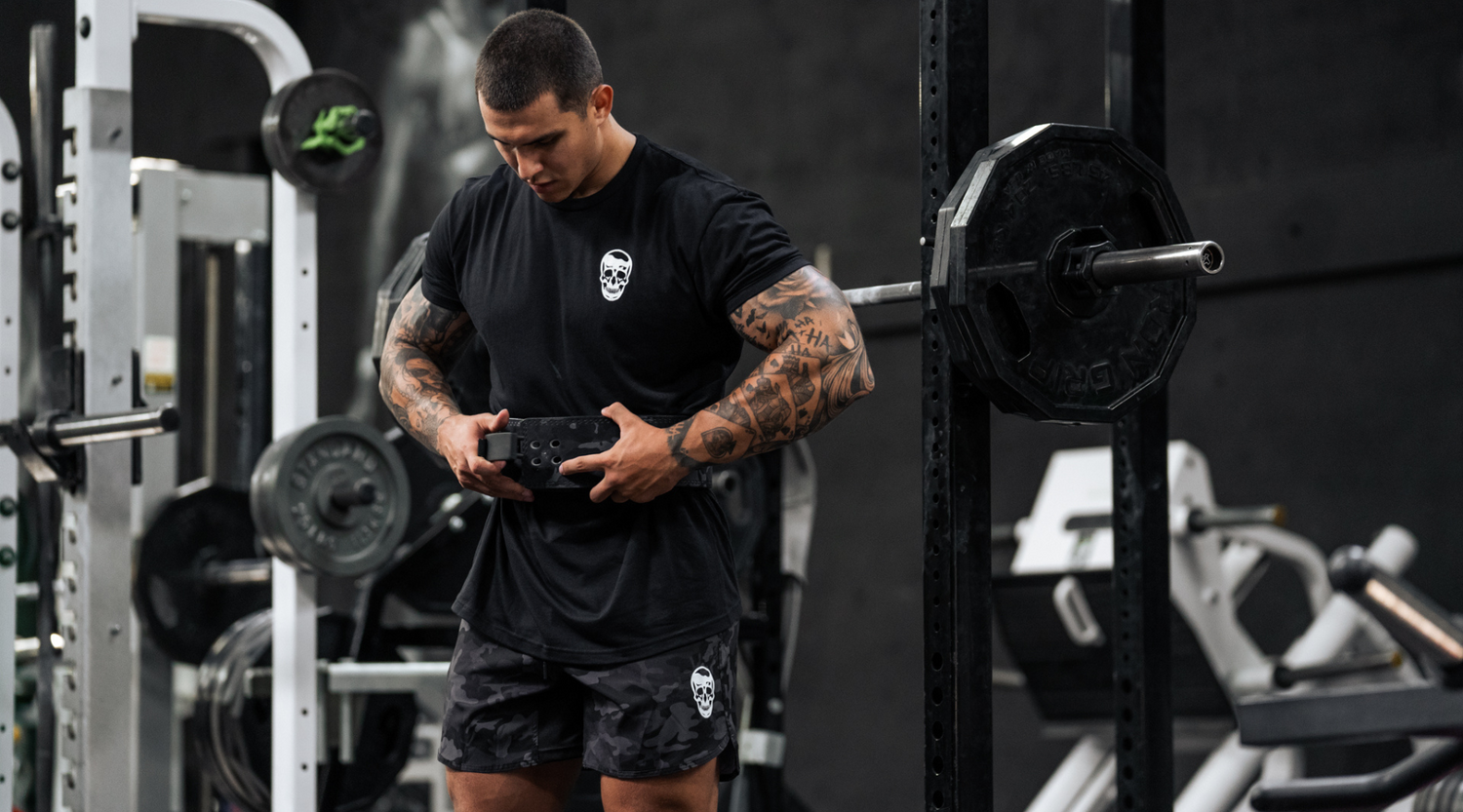
- Position the belt: Place the belt around your lower back and abdomen, just above your hip bones. It should cover your core without pinching or riding up.
- Tighten the belt: Fasten it snugly, but not so tight you can’t breathe. You should be able to take a deep breath and push your belly out against the belt.
- Brace your core: Before you lift, take a deep breath into your belly (not your chest), and press your abdomen outward into the belt. This activates your core and increases pressure.
- Keep the belt on during heavy sets: Only wear the belt for your heavy sets. Remove it during warm-ups and lighter exercises to keep your core muscles working naturally.
- Avoid over-reliance: Don’t wear the belt for all exercises or all the time, or your body may become dependent on it.
Common Mistakes To Avoid
- Wearing the belt too high or too low: It should sit around your lower back and abdomen, not around your ribs or hips.
- Making the belt too loose or too tight: Too loose offers no support; too tight restricts breathing and movement.
- Not bracing your core: Simply wearing the belt is not enough—you have to actively push your core out against it.
- Using the belt on every exercise: Save it for heavy, compound lifts to avoid weakening your natural core strength.
Common Myths About Gym Belts
There are many myths and misunderstandings about gym belts. Here are a few of the most common:
Myth 1: Belts Prevent All Injuries
A belt can reduce the risk of some injuries, but it’s not a guarantee. Poor form, lifting too heavy, or sudden movements can still cause harm. Think of the belt as extra protection, not a magic shield.
Myth 2: Belts Are Only For Advanced Lifters
While it’s true that advanced lifters benefit the most, beginners can use a belt if they lift heavy enough to need extra support. However, beginners should focus first on learning technique and building core strength.
Myth 3: Wearing A Belt Weakens Your Core
If you only rely on the belt and never train without it, your core might not get as strong. But if you use the belt wisely, and still train your core muscles separately, it won’t make your midsection weaker.
Myth 4: You Should Wear A Belt For Every Exercise
Belts are designed for heavy compound lifts, not every movement in the gym. Using it for biceps curls or light warm-ups is unnecessary and may even be harmful.

Credit: www.socalpowerlifting.net
Pros And Cons Of Wearing A Gym Belt
Like any fitness tool, gym belts have both advantages and drawbacks.
Benefits
- Increased safety: Lower risk of lower back injuries during heavy lifts.
- Better performance: Ability to lift heavier weights and push harder.
- Improved core bracing: Teaches proper breathing and bracing technique.
- Psychological boost: Extra confidence during big lifts.
Drawbacks
- Potential core weakness: Overuse can make core muscles lazy.
- False sense of security: May encourage poor form or over-lifting.
- Discomfort: Some belts feel stiff, dig into the skin, or limit movement.
Real-world Data: Do Belts Really Help?
Scientific studies support many of the claimed benefits of gym belts. For example, research shows that lifters wearing a belt can generate more intra-abdominal pressure, which is linked to better spinal stability. One study found that belts reduced spinal compression forces by up to 50% during heavy lifting.
Another study tested power output and found that lifters using a belt could lift heavier weights for the same number of reps, especially on squats and deadlifts. At the same time, the belt did not significantly reduce muscle activity in the core, meaning that you can still train your abs even while wearing a belt.
However, researchers also warn that belts should not be a substitute for good lifting technique. They are most effective as a supplement to proper form and strength training, not a replacement.
For more on the science, see this Wikipedia article on weight training belts.
How To Choose The Right Gym Belt For You
Picking the best gym belt depends on your goals, body shape, and lifting style. Here are some factors to consider:
- Type of lifting: Powerlifters and strongmen usually need a thick, stiff leather belt. Olympic lifters and CrossFit athletes may prefer a flexible nylon belt for better movement.
- Size and fit: The belt should fit snugly but allow you to breathe and brace. Measure your waist at the level where you wear the belt, not your pants size.
- Width and thickness: Most belts are 4 inches wide, which is standard for most lifters. Thicker belts provide more support, but can feel uncomfortable for smaller lifters.
- Closure system: Prong buckles are secure but slower to adjust. Lever buckles are fast and tight. Velcro is quick but less durable.
- Budget: Leather belts cost more but last for years. Nylon and Velcro belts are cheaper and more comfortable for beginners.
Try on different belts if possible before buying, and don’t be afraid to ask for advice from more experienced lifters.
Practical Tips For First-time Belt Users
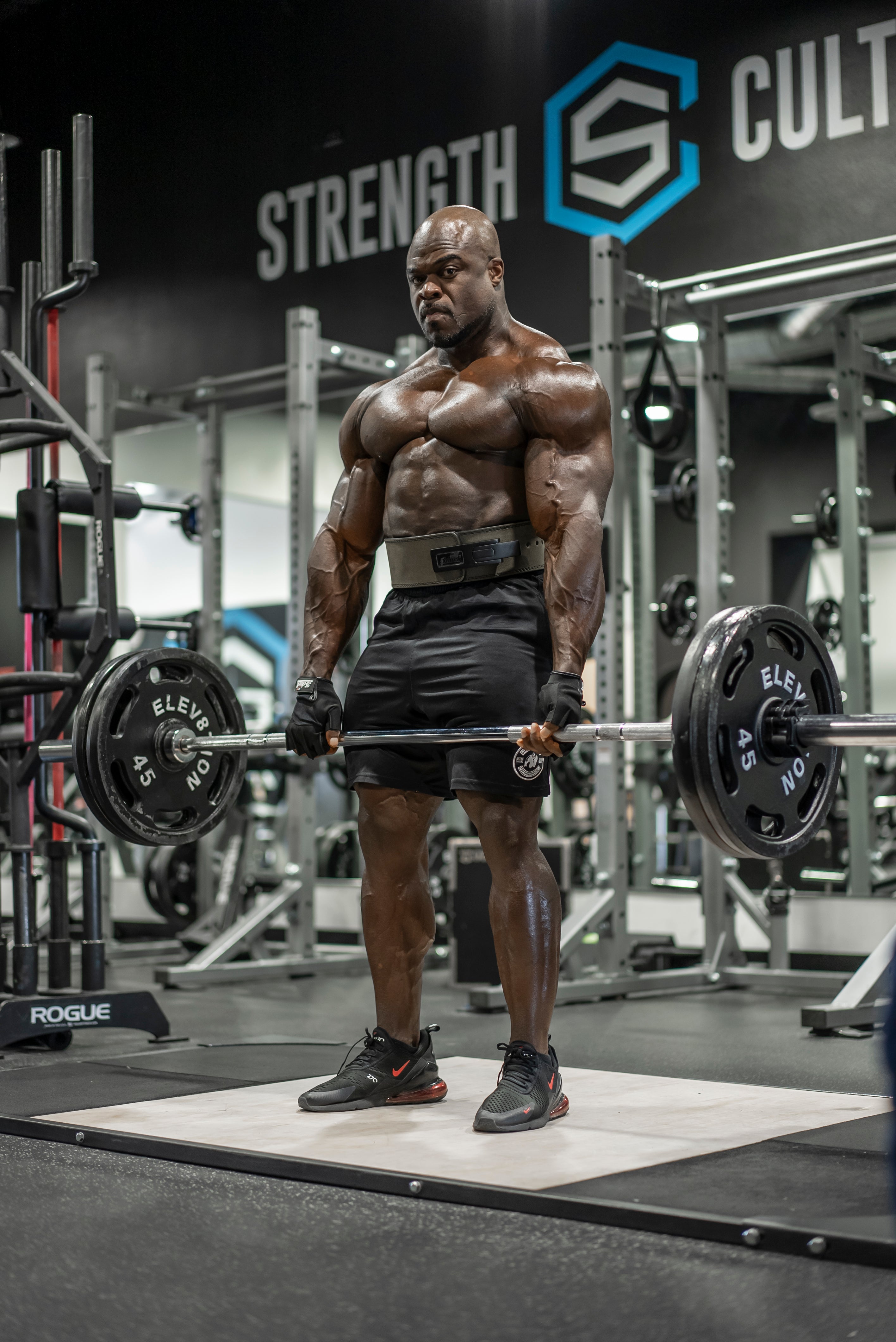
If you’ve never worn a gym belt before, start slow. Use the belt only for your heaviest sets and focus on learning how to brace your core properly. Practice breathing into your belly and pushing out against the belt, not just strapping it on and forgetting about it.
A non-obvious tip: Don’t wear the belt for your entire workout. This helps your body learn to stabilize itself naturally, so you don’t become dependent on the belt. Another insight is to spend time training your core with planks, bird dogs, and other stability exercises even if you use a belt for lifting.
Credit: schiek.com
Alternatives To Gym Belts
While gym belts are effective, they’re not the only way to protect your back or improve your lifting. Here are a few alternatives:
- Strengthening your core: Exercises like planks, dead bugs, and farmer’s carries help build a strong, stable midsection.
- Improving technique: Focus on perfecting your form, especially on compound lifts.
- Using lighter weights: Build up gradually to heavier loads, instead of jumping straight to max effort.
- Physical therapy or coaching: If you have a history of back pain, getting professional advice can be safer than using a belt alone.
Gym Belts In Different Sports And Activities
While belts are most common in powerlifting and bodybuilding, they are used in many other sports:
- CrossFit: Athletes use lighter, flexible belts for fast-paced workouts with a mix of lifts.
- Olympic weightlifting: Belts are used during max effort snatches and clean & jerks.
- Strongman competitions: Thick leather belts are essential for moving extreme weights.
- General fitness: Some people wear belts for back support during tough workouts, but this is less common.
Some sports, like functional fitness or gymnastics, avoid belts to encourage full-body strength and movement control.
How To Care For Your Gym Belt
A quality gym belt can last many years if you take care of it. Here’s how:
- Clean regularly: Wipe down your belt after each workout, especially if you sweat a lot.
- Store properly: Hang your belt in a cool, dry place. Avoid leaving it in gym bags for days.
- Check for wear: Inspect the buckle, stitching, and material for signs of damage. Replace if you see cracks or the closure doesn’t hold.
- Break it in: Leather belts start stiff but become more comfortable with use.
Proper care keeps your belt safe and effective, and ensures it lasts through years of hard training.
Frequently Asked Questions
What Does A Gym Belt Actually Do?
A gym belt supports your lower back and core by increasing intra-abdominal pressure. This pressure stabilizes your spine during heavy lifts, making it less likely to move in a way that could cause injury. It also helps you lift heavier weights safely.
Should Beginners Wear A Gym Belt?
Beginners should first focus on learning correct form and building core strength without a belt. Once you start lifting heavier weights (usually above 80% of your max), you can use a belt for extra support. Always use the belt as a tool, not a crutch.
Can Wearing A Belt Cause My Core Muscles To Weaken?
If you wear a belt for every exercise and never train your core, your muscles can become dependent. However, if you use the belt only for heavy lifts and still train your core separately, you won’t lose strength.
How Tight Should A Gym Belt Be?
The belt should be snug but not uncomfortable. You should be able to take a deep breath and push your belly out against the belt. If it’s too loose, it won’t support you; if it’s too tight, you’ll have trouble breathing or moving.
Is There A Difference Between Gym Belts For Men And Women?
Most belts are unisex, but some are designed to fit smaller waists or different body shapes better. The main differences are in size, width, and comfort. Always choose a belt that fits your body and feels comfortable during your lifts.
Wearing a gym belt is a personal decision. Used wisely, it’s a valuable tool for safe, heavy lifting. Understanding how, when, and why to use a belt can make your workouts safer and more effective, whether you’re a beginner or a seasoned athlete.
Remember, a strong core, good technique, and smart training habits are your best defense against injury—belts are just one part of the equation.
