

Gymnastics Clothes Ideas: Trendy Outfits for Every Gymnast
Gymnastics Clothes Ideas: The Ultimate Guide for Style, Comfort, and Performance
When you watch a gymnast flip, leap, or balance, it’s easy to focus only on their amazing skills. But behind every great routine is a smart clothing choice. The right gymnastics clothes can help you move freely, stay comfortable, and even boost your confidence.
Whether you’re a beginner, a competitive athlete, or a parent shopping for your child, finding the perfect gymnastics outfit is important. With so many options available today, choosing what to wear can feel overwhelming.
This guide will help you discover the best gymnastics clothes ideas for every need. You’ll learn how to pick outfits that suit your body, match your style, and meet your gym’s rules. We’ll also cover what to wear for practice, competitions, and special events.
Along the way, you’ll find practical advice, useful comparisons, and answers to questions beginners often ask. Let’s explore the world of gymnastics clothing together.
Understanding Gymnastics Clothing Needs
Gymnastics is unique. It mixes flexibility, strength, and style. The clothes you wear must support all three. Unlike team sports, gymnasts often compete alone, so your outfit becomes part of your identity.
The main goals for gymnastics clothes are:
- Freedom of movement: Outfits must stretch and move with your body.
- Safety: Clothes should not get caught on equipment.
- Comfort: No itching, pinching, or distractions during routines.
- Durability: Fabrics should survive many washes and tough workouts.
- Style: Many gymnasts express their personality through colors and designs.
Choosing the right clothes can make your training and competitions smoother and more enjoyable.
Main Types Of Gymnastics Clothes
Let’s look at the main types of clothing you’ll see in gymnastics. Each has its own purpose and style.
1. Leotards
Leotards are the most popular choice for both practice and competition. They fit close to the body, allowing judges to see your lines and coaches to spot your form. Leotards come in many styles:
- Sleeveless leotards: Best for practice and warm weather.
- Long-sleeve leotards: Often used for competitions, offering a more formal look.
- Tank leotards: Thicker straps, good for both kids and adults.
- High-neck leotards: Provide extra coverage and a unique style.
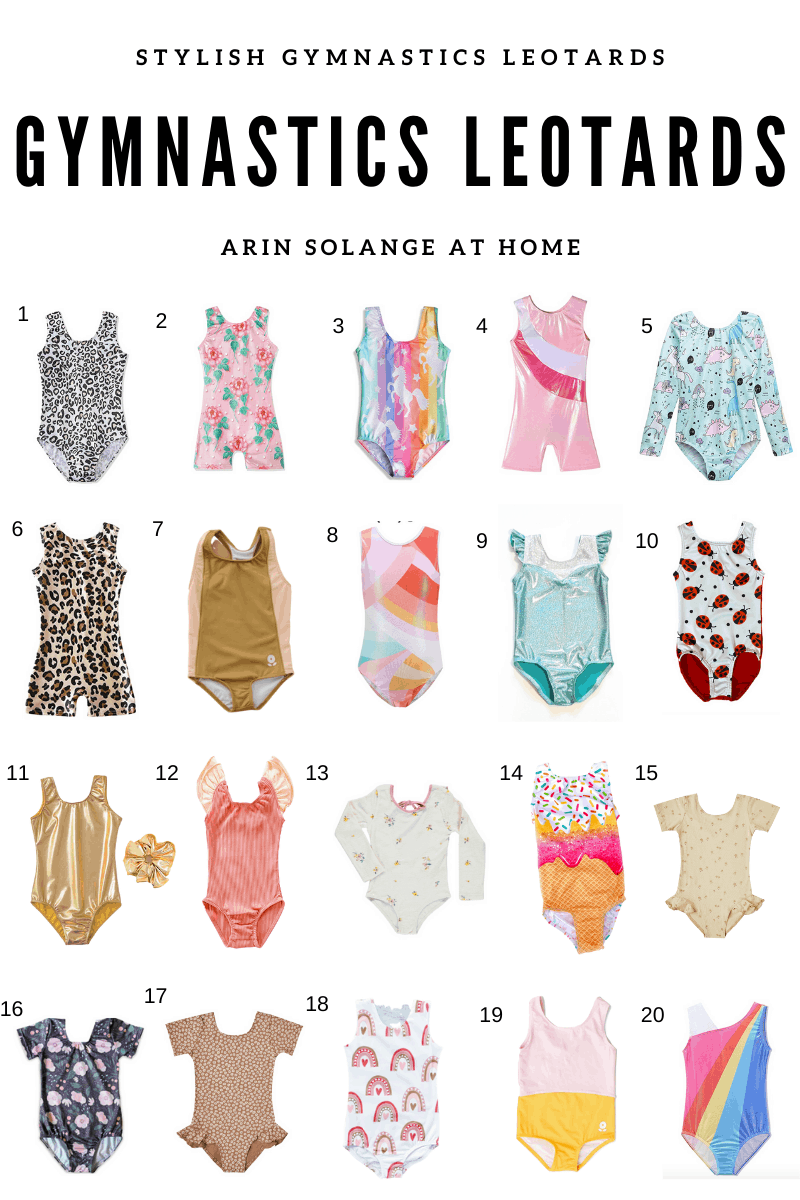
Leotards can have different backs (open, racerback, keyhole) and leg cuts (high or low). Fabrics like spandex, lycra, and velvet are common. Some leotards have sparkles, mesh, or embroidery for extra flair.
Non-obvious Insight
Some beginners focus only on design, but the lining inside a leotard is just as important. Quality lining adds comfort and prevents see-through issues, which can boost confidence.
2. Shorts
Many gymnasts wear gymnastics shorts over their leotards for extra coverage and comfort. This is popular during practice, especially for tumbling and vaulting. Shorts made of stretchy materials (like spandex) won’t restrict movement. Some clubs require plain shorts to match uniforms.
3. Unitards
A unitard covers both the top and legs, like a full-body suit. Unitards are great for gymnasts who prefer more coverage or want to avoid leotard leg lines. They are less common in competition but loved in training, especially for younger children.
4. Crop Tops And Leggings
Some gymnasts, especially in tumbling, acrobatics, or rhythmic, wear crop tops with leggings or capris. This option is stylish, practical, and offers more mix-and-match possibilities. Always check with your gym if two-piece outfits are allowed.
5. Gymnastics Skirts
Skirts are usually worn in rhythmic gymnastics or for special performances. These skirts are short, fitted, and usually attached to the leotard. They add elegance but are not used in artistic gymnastics due to safety rules.
6. Warm-up Gear
Warm-ups include joggers, zip-up jackets, and hoodies. Athletes wear them before and after practice to keep muscles warm. Some teams have matching tracksuits for competitions.
7. Grips, Socks, And Accessories
While not clothes, accessories like wrist grips (for bars), thin ankle socks, and hair scrunchies are part of a gymnast’s outfit. These items prevent injury and complete your look.
Choosing The Right Clothes For Practice
Practice is where you spend the most time, so comfort and durability are key. Here’s what matters most:
- Fit: Clothes should hug your body but not squeeze. Too tight can hurt, too loose can catch on equipment.
- Fabric: Choose materials that stretch, breathe, and wick away sweat. Spandex and lycra are top picks.
- Easy to wash: Gymnastics clothes get sweaty. Look for outfits that can be machine-washed and dry fast.
- Function over fashion: Fun designs are great, but never choose style over comfort or safety.
- Layering: In colder gyms, add a fitted long-sleeve top or thin leggings. Remove layers before using equipment.
Example Practice Outfits
- Girls’ practice: Sleeveless leotard plus fitted spandex shorts.
- Boys’ practice: Fitted T-shirt and stretch shorts.
- Acro or rhythmic: Crop top and capris with a snug fit.
Common Mistake
Wearing loose T-shirts or baggy shorts can lead to accidents. Coaches and judges need to see your body lines to give feedback and scores.
Competition Outfits: Looking Sharp On The Big Day
Competitions have stricter dress codes. Outfits should show team spirit, look sharp, and follow the rules. Here’s what to consider:
- Long sleeves are often required in artistic gymnastics competitions.
- Matching team leotards create unity and impress judges.
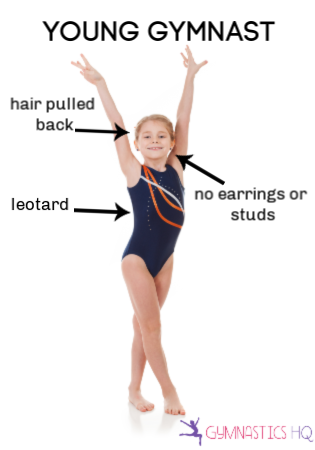
- No jewelry or loose items: These are usually forbidden for safety.
- Subtle hair accessories: Use matching scrunchies or ribbons.
Popular Competition Styles
- Metallic fabrics: Shiny, eye-catching, and stand out under lights.
- Crystals and rhinestones: Add sparkle but should be securely attached.
- Unique patterns: Ombre, geometric, or custom team logos.
Behind The Scenes
Many teams spend months designing their competition leotards. They may order custom designs that cost several hundred dollars. But you don’t need an expensive suit to look great—fit and confidence matter most.
Credit: gymnasticshq.com
Gymnastics Clothes For Boys And Men
Boys’ and men’s gymnastics has different clothing needs. Here’s a look at the basics:
- Singlets: Tight, tank-style suits. Worn for most events.
- Shorts or pants: Worn over singlets. Shorts for floor and vault, long pants for pommel horse, rings, and parallel bars.
- T-shirts: Sometimes allowed in training, but not in competition.
Example Comparison
Here’s a quick look at event-specific clothing for boys and men:
| Event | Clothing |
|---|---|
| Floor & Vault | Singlet + Shorts |
| Pommels, Rings, Bars | Singlet + Long Pants |
| Practice | Fitted T-shirt + Shorts |
A non-obvious tip: The elastic in men’s competition pants is often extra strong to keep them in place during high swings and landings.
Gymnastics Clothes For Different Ages
What a child wears may not work for a teen or adult. Each age group has special considerations:
Young Children
- Prefer unitards or leotards with shorts for coverage.
- Choose soft, tag-free fabrics to avoid itching.
- Fun prints and bright colors keep kids excited.
Teens
- Like to experiment with style: Bold colors, cut-outs, or sparkles.
- Need durable fabrics—teens train hard and sweat more.
- Peer influence matters, so staying “on trend” is important.
Adults
- Look for extra support in the chest or waist.
- Prefer simple, elegant designs over flashy prints.
- May want longer leg lines or higher necks for modesty.
A tip for parents: Let kids help pick their clothes. When children like their outfit, they are more motivated to attend class.
Fabric Choices: What Works Best?
Not all fabrics are equal. Some feel soft but stretch out quickly. Others look great but don’t breathe. Here’s a breakdown of common fabrics:
| Fabric | Pros | Cons |
|---|---|---|
| Spandex (Lycra) | Very stretchy, durable, keeps shape | Can feel tight if not sized right |
| Velvet | Soft, rich colors, warm for winter | Heavier, less breathable |
| Cotton blends | Soft, natural feel | Stretches out, holds sweat |
| Mesh | Light, adds style when layered | Can be fragile, may snag |
| Metallic | Eye-catching shine | Less stretch, can crack over time |
Some leotards use a mix of fabrics for the best of both worlds: stretchy where you need it, stylish where you want it.
Gymnastics Clothes For Different Disciplines
Gymnastics includes several styles, each with its own clothing needs.
Artistic Gymnastics
- Girls wear leotards (with or without sleeves) and sometimes shorts in practice.
- Boys wear singlets, shorts, or long pants.
- Clothes must fit tightly for safety.
Rhythmic Gymnastics
- Leotards often have attached skirts and creative designs.
- Mesh, lace, and sequins are common.
- Outfits must not restrict large arm movements.
Trampoline
- Similar to artistic, but with lighter fabrics.
- Boys wear singlets and shorts; girls wear leotards.
Acrobatic & Tumbling
- Two-piece sets are sometimes allowed.
- Outfits must stay in place during flips and lifts.
Gymnastics For All
- This style focuses on group routines for all ages.
- Outfits can be creative and colorful, reflecting the team’s theme.
A non-obvious insight: Some competitions have strict rules about skin coverage. Always check rules before buying an outfit for a new discipline.
Personalizing Your Gymnastics Look
Your gymnastics outfit is a chance to show your personality. Here are ways to make your look unique:
- Custom embroidery: Add your name or team logo.
- Unique color combos: Pick shades that stand out.
- Rhinestones or crystals: Place them in special shapes.
- Fun prints: Stars, animals, or geometric patterns.
- Matching scrunchies: A small detail, but it pulls the look together.
But remember, in competition, the outfit should not distract from your performance or break the rules.
Budget-friendly Gymnastics Clothes Ideas
Gymnastics clothes can be expensive, especially competition leotards. But there are ways to save money:
- Buy secondhand: Many families sell gently used leotards online.
- Shop off-season: Prices drop after big events or at the end of a season.
- Mix and match: Buy basics in solid colors to pair with different shorts or skirts.
- Simple designs: Skip heavy rhinestones; choose printed fabrics for style.
- Take care of clothes: Gentle washing and air drying make outfits last longer.
A practical tip: If you outgrow a leotard, pass it down or swap with a teammate.
Credit: arinsolangeathome.com
Caring For Your Gymnastics Clothes
To keep your clothes looking new, follow these tips:
- Wash after every use: Sweat can damage stretchy fabrics.
- Use cold water: Hot water breaks down elastic fibers.
- Skip the dryer: Air-dry flat to keep shape and color.
- Avoid fabric softeners: They coat the material and reduce stretch.
- Handle embellishments with care: Turn sparkly or rhinestone leotards inside out to protect decorations.
If you have a favorite outfit, rotate it with others so it doesn’t wear out too quickly.
Gymnastics Clothes Shopping Tips
Shopping for gymnastics clothes is easier if you know what to look for. Here’s how to make the best choice:
- Try before you buy: Fit varies between brands. Move around to test comfort.
- Check the returns policy: Some stores won’t take back leotards for hygiene reasons.
- Read reviews: Other gymnasts’ experiences can reveal sizing or quality issues.
- Look for “training” vs. “competition” labels: Training outfits are often cheaper and more durable.
- Ask your coach: Some gyms have dress codes or recommend specific brands.
A common mistake: Buying “roomy” clothes for kids to grow into. Loose outfits can be dangerous in gymnastics.
Gymnastics Clothes For Special Events
Sometimes, gymnasts need outfits for showcases, photo shoots, or themed performances. Here are ideas:
- Glow-in-the-dark leotards for nighttime shows.
- Holiday-themed prints for year-end parties.
- Retro styles for throwback routines.
- Matching team jackets for awards or travel.
Make sure any special costume still allows free movement and follows your gym’s safety rules.
Comparing Top Gymnastics Clothing Brands
Many brands offer gymnastics clothes, but they’re not all the same. Here’s a quick comparison to help you decide:
| Brand | Strengths | Price Range |
|---|---|---|
| GK Elite | High quality, wide range, used by pros | Mid to high |
| Destira | Fun prints, soft fabrics, great for kids | Mid |
| Alpha Factor | Custom designs, good for teams | High |
| Decathlon | Affordable, simple designs | Low to mid |
| Snowflake Designs | Unique styles, handmade options | Mid |
Remember, fit and comfort matter more than the brand name.
Credit: au.gymshark.com
Gymnastics Clothes For Different Body Types
Every gymnast’s body is unique. Here’s how to choose clothes that flatter and fit:
- Petite gymnasts: Try high-neck leotards to lengthen the look of the torso.
- Tall gymnasts: Go for custom leotards or brands with “long torso” sizes.
- Curvy athletes: Look for supportive linings, higher necks, and thicker straps.
- Broad shoulders: Racerback or V-neck styles balance the upper body.
If you struggle to find the right fit, some companies offer custom sizing for a small fee.
Sustainable Gymnastics Clothing Options
Eco-friendly choices are growing in sportswear. Here’s how to shop green:
- Choose recycled materials: Some brands use recycled polyester or nylon.
- Buy secondhand: Keeps clothes out of landfills.
- Pick durable items: Longer-lasting clothes mean less waste.
- Support local makers: Reduces shipping and packaging.
For more information on sustainable sportswear, you can visit Wikipedia’s Sustainable Fashion page.
Frequently Asked Questions
What Should A Beginner Gymnast Wear To Their First Class?
A beginner should wear a simple leotard or a fitted T-shirt with leggings or shorts. The clothes should be stretchy, comfortable, and allow full movement. Avoid anything loose or baggy, as these can be unsafe. Most gyms allow basic outfits for the first class, and you don’t need to buy expensive brands right away.
How Should Gymnastics Clothes Fit?
Gymnastics clothes should fit snugly against the body without pinching or digging into the skin. You should be able to move your arms and legs freely. If you see gaps, wrinkles, or the outfit rides up, it may be too loose or too small. Move around and do a few stretches when trying on clothes to check the fit.
Can Boys Wear Leotards In Gymnastics?
Yes, boys often wear singlets (a type of leotard) for gymnastics. In competitions, boys usually wear singlets with shorts or long pants, depending on the event. For practice, many boys prefer fitted T-shirts with stretch shorts. The key is clothing that allows safe, easy movement.
How Do I Care For Leotards With Rhinestones Or Sequins?
Wash sparkly leotards inside out in cold water by hand or on a gentle machine cycle. Use mild detergent and avoid fabric softener. Never put these leotards in the dryer; instead, lay them flat to air dry. Handle them gently to keep the decorations from falling off.
Are There Clothing Rules For Gymnastics Competitions?
Yes, most competitions have specific dress codes. Outfits must fit snugly, cover private areas, and not include jewelry. For girls, long sleeves are often required. Hair should be neat and out of the face. Always check the competition rules before choosing your outfit.
Choosing the right gymnastics clothes can make training and competing more enjoyable. With the right fit, fabric, and style, you’ll feel more confident and ready to perform your best. Remember, the most important thing is comfort and safety—style comes next.
Explore, experiment, and have fun finding what works for you in the world of gymnastics fashion.
