

Why Do Gym Clothes Smell After Washing? Solutions That Work
Why Do Gym Clothes Smell After Washing
If you love working out, you know the feeling of pulling on fresh gym clothes and catching a strange odor—even right after washing. This can be frustrating, embarrassing, and confusing. Many people ask, "Why do my gym clothes smell after washing?
" The answer is more complex than it seems, and it’s not just about sweat. The combination of fabric type, sweat chemistry, bacteria, washing habits, and even the detergent you use can all play a role. Understanding these factors will help you keep your activewear smelling truly clean, not just looking clean.
Let’s explore why gym clothes often smell after washing, the science behind these lingering odors, and what you can do about it. Whether you’re a seasoned athlete or a casual gym-goer, this guide will help you enjoy fresher, more comfortable workouts.
The Science Of Sweat And Smell
Sweat itself is mostly water and does not have a strong odor. The real problem comes when sweat mixes with bacteria on your skin and in your clothes. When you exercise, your body releases two main types of sweat from different glands:
- Eccrine sweat glands: These cover most of your body and produce clear, odorless sweat made of water and salt.
- Apocrine sweat glands: Located mostly in your armpits and groin, these produce a thicker fluid full of proteins and fatty acids. Bacteria love to eat these proteins, which creates strong smells.
When sweat soaks into gym clothes, especially synthetic fabrics, it creates the perfect environment for bacteria to grow. These bacteria break down sweat, releasing volatile organic compounds (VOCs). These compounds are what your nose detects as bad odor.
The Special Case Of Synthetic Fabrics
Most gym clothes are made from synthetic fibers like polyester, nylon, and spandex. These materials are lightweight, stretchy, and wick moisture away from your skin. However, they also have some hidden problems:
- Synthetic fibers are hydrophobic, meaning they repel water but attract oils and grease. Sweat contains both water and body oils.
- The surface of synthetic fabrics can trap oils and bacteria deep inside the fibers, making them hard to clean with regular washing.
- Bacteria can live and multiply in the tiny spaces within these fibers, leading to persistent smells.
A study published in Applied and Environmental Microbiology showed that polyester clothing trapped more odor-causing bacteria than cotton. This is why your favorite running shirt can still smell bad after a good wash.
Why Regular Washing Doesn’t Always Work
You might think a hot cycle and strong detergent should solve the problem. But often, lingering smells remain. Here’s why:
Detergent Residue And Build-up
Many detergents are designed for regular clothes, not athletic fabrics. They may not fully break down sweat, oil, or bacteria. Sometimes, they even leave behind residue that traps more odor. Using too much detergent can make this worse, as excess soap doesn’t always rinse out.
Fabric Softeners: A Hidden Enemy
Fabric softeners coat clothing fibers with a thin film to make them feel soft. However, this film blocks moisture-wicking and traps sweat, oil, and bacteria. Over time, this can make smells even worse. Most gym clothes' care labels warn against using softeners, but many people ignore this advice.
Washing Machine Issues
If you wash gym clothes with everything else, cross-contamination can happen. Towels, socks, and other items can transfer bacteria and oils to your activewear. Plus, washing machines can develop their own odor problems if not cleaned regularly.
Common Mistakes That Make Gym Clothes Smell Worse
It’s easy to make small errors that have a big impact. Here are some frequent mistakes:
- Leaving clothes damp: Tossing sweaty clothes in a gym bag or laundry basket lets bacteria multiply fast. Dampness is their favorite environment.
- Washing in cold water only: While cold water saves energy, it’s not always enough to break down body oils and kill bacteria.
- Overloading the washer: Cramming too many clothes in at once reduces cleaning power. Detergent and water can’t reach every fiber.
- Skipping pre-treating: Not treating stains or very sweaty spots before washing means odors can stay stuck.
- Drying on low heat or air-drying indoors: If clothes stay damp too long, bacteria can return even after washing.
How Sweat, Bacteria, And Fabrics Interact
Understanding how sweat, bacteria, and fabric types interact is key to solving odor problems.
Why Synthetics Trap More Odor
- Polyester and nylon trap body oils better than cotton, acting like a magnet for odor-causing bacteria.
- These fibers are less breathable, so sweat stays in the fabric longer, giving bacteria more time to grow.
- Synthetics often need special detergents or washing methods to get truly clean.
Cotton’s Advantage And Limits
Cotton is more breathable and doesn’t hold smells as easily. However, it stays wet longer and can develop a musty smell if not dried quickly. For heavy workouts, cotton may not keep you comfortable, but it’s less likely to get a stubborn odor.
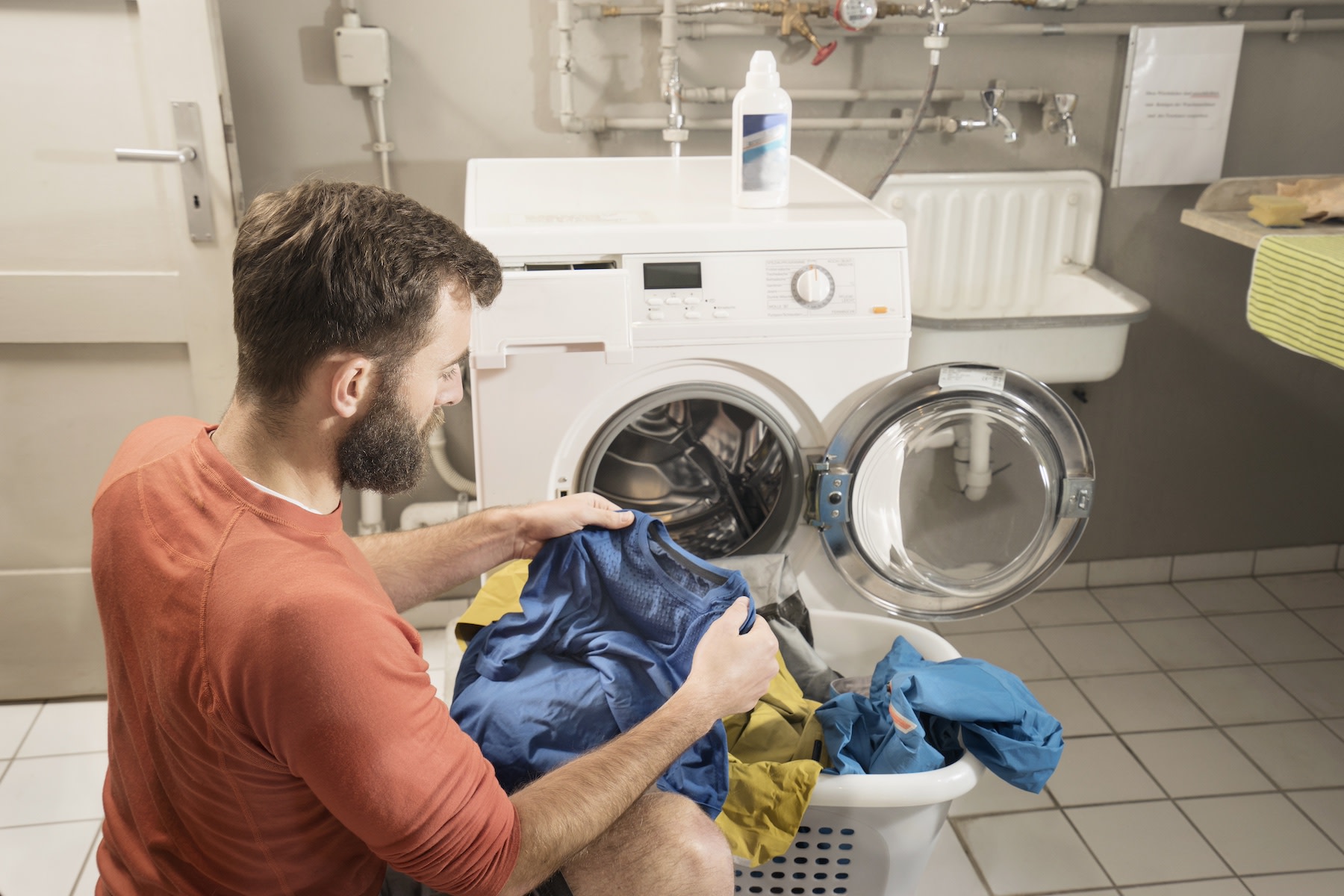
Credit: www.onepeloton.com
The Role Of Your Skin’s Microbiome
Your skin is home to millions of bacteria, many of which are harmless. Some, however, are responsible for body odor. The mix of bacteria on your skin, called your microbiome, is unique to you and affected by diet, hormones, hygiene, and even the climate.
When you sweat, bacteria feast on the proteins and oils in your sweat. Some people naturally have more odor-causing bacteria, which means their gym clothes can smell worse even after washing. This is why two people wearing the same shirt and doing the same exercise can have very different odor problems.
Non-obvious Insight: Deodorant Build-up
Many deodorants and antiperspirants contain aluminum and other compounds that can leave invisible stains or build-up in clothing. Over time, these interact with sweat and bacteria, making odors harder to remove, especially in armpit areas.
Water Quality And Washing Conditions
Not all water is the same. Hard water (full of minerals like calcium and magnesium) can make detergents less effective. This means more sweat, oil, and bacteria stay in your clothes. Soft water helps detergent work better, but too much soap can leave residue.
Some washing machines also use less water to save energy, which might not fully rinse out dirt and soap. If you notice a film or greasy feel on your gym clothes, water quality or low water levels could be to blame.
Data: Washing Temperature And Odor
Studies show that washing at higher temperatures (above 40°C or about 104°F) kills more bacteria and removes more oils. But many synthetic fabrics can’t handle high heat without damage. Always check the label, but aim for the warmest safe temperature.
Credit: thesteamshop.uk
The Impact Of Detergent Choice
Not all detergents are made for activewear. Standard laundry soap often targets dirt and food stains, not sweat or bacteria. Specialized sports detergents contain enzymes and active ingredients designed to break down body oils and odor-causing bacteria.
Comparing Detergent Types
Here’s a look at how regular and sports detergents perform:
| Detergent Type | Effectiveness on Sweat/Odor | Residue Left | Recommended For |
|---|---|---|---|
| Standard (Regular) | Medium | Moderate-High | Cotton, everyday clothes |
| Sports/Activewear | High | Low | Synthetics, gym clothes |
| Eco-friendly/Natural | Low-Medium | Low | Lightly soiled items |
Choosing the right detergent is a key step in beating stubborn gym smells.
How To Keep Gym Clothes Smelling Fresh
Now that you know why odors happen, let’s look at practical steps to keep your workout gear fresh:
- Wash as soon as possible: Don’t let sweaty clothes sit. If you can’t wash right away, hang them to dry before tossing them in the hamper.
- Turn clothes inside out: Odor-causing bacteria live on the inside, closest to your skin.
- Use sports detergent: These are made for synthetics and sweat, breaking down oils and bacteria better than regular soap.
- Skip the fabric softener: It traps smells. Instead, add a half cup of white vinegar to the rinse cycle—it helps break down residue and neutralize odor.
- Pre-treat trouble spots: Spray or rub a little detergent on armpits, collars, or other problem areas before washing.
- Wash in warm water: Use the warmest water your fabric can handle. Check the care label.
- Don’t overload the washer: Give clothes space to move so water and detergent reach every fiber.
- Dry completely: Hang clothes in fresh air and sunlight, or use a dryer (if safe for the fabric). Sunlight is a natural bacteria killer.
Advanced Cleaning Methods For Tough Odors
Sometimes, even after following all the steps above, your gym clothes still smell. Here are some extra tricks:
1. Soak In Vinegar Or Baking Soda
Soak clothes in a mix of one part white vinegar to four parts water for 30 minutes before washing. For tough odors, add half a cup of baking soda to the wash cycle. These natural products help break down oils and neutralize bacteria.
2. Use Oxygen-based Bleach
Oxygen bleach (not chlorine bleach) is safe for most colored fabrics and breaks down organic stains and smells. Check the label to make sure it’s safe for your clothes.
3. Enzyme Cleaners
Enzyme-based sprays or soaks break down proteins and oils. These are especially good for people with very strong sweat odors or for athletic gear that never seems clean.
4. Machine Maintenance
Run your washing machine empty with hot water and a cup of vinegar or a cleaning tablet once a month. This removes soap build-up and bacteria from the drum.
Data: Effectiveness Of Home Remedies
A comparison of different odor-fighting methods:
| Method | Odor Removal Strength | Safe for Synthetics? | Recommended Frequency |
|---|---|---|---|
| Vinegar Soak | High | Yes | Monthly or as needed |
| Baking Soda | Medium | Yes | Occasionally |
| Oxygen Bleach | High | Yes | Monthly |
| Enzyme Cleaner | Very High | Yes | As needed |
Using these methods regularly keeps gym clothes smelling fresh longer.
The Role Of Drying And Storage
How you dry and store gym clothes can be as important as how you wash them.
Air Dry Vs. Machine Dry
- Air drying in sunlight is best. UV rays kill bacteria naturally and help remove smells.
- Machine drying is fast but can sometimes bake in odors if clothes aren’t fully clean. Always dry on the recommended setting.
Avoid Damp Storage
Never store gym clothes in a closed bag, locker, or drawer while still damp. This traps moisture and gives bacteria a chance to grow back.
Quick Comparison: Drying Methods
| Drying Method | Odor Control | Fabric Safety | Time Needed |
|---|---|---|---|
| Sunlight (air dry) | Excellent | Very Safe | Slow |
| Machine dryer (medium heat) | Good | Safe if label allows | Fast |
| Indoor air dry | Fair | Very Safe | Medium |
Non-obvious Factors That Affect Odor
Beyond the basics, here are some factors you might not think about:
Odor Transfer From Other Laundry
Washing gym clothes with bath towels, socks, or bedding can transfer bacteria and oils, making gym clothes smell worse. Wash workout gear separately when possible.
Your Diet And Medications
What you eat and the medications you take can change the composition of your sweat. For example, spicy foods, garlic, or some medicines can make sweat more pungent. This can make odors in gym clothes stronger and harder to remove.
How You Wear Clothes
Wearing the same shirt or shorts for more than one workout without washing increases odor build-up. Even rinsing your gear in the shower after exercise can help until you can wash it properly.
When To Replace Gym Clothes
Sometimes, no cleaning method works. If your gym clothes still smell after everything you’ve tried, it might be time to replace them. Over time, fibers break down and hold bacteria no matter how well you wash. As a rule of thumb:
- Replace gym shirts every 6–12 months, especially if you exercise daily.
- Shorts and leggings can last longer if cared for properly.
- Underwear and socks should be replaced more frequently for hygiene.
Credit: www.nike.com
Final Tips For Odor-free Gym Clothes
- Buy high-quality, moisture-wicking fabrics designed for athletic use.
- Wash workout gear after every wear.
- Clean your washing machine regularly.
- Avoid fabric softeners and harsh chemicals that damage fibers.
- Store clean gym clothes in a dry, ventilated space.
If you want to dive deeper into the science of laundry and odor, check out this helpful resource: Consumer Reports.
Frequently Asked Questions
Why Do My Gym Clothes Still Smell After Washing Them In Hot Water?
Washing in hot water helps, but it may not remove all oils and bacteria from synthetic fabrics. Some bacteria are trapped deep in the fibers or protected by detergent build-up. Use a sports detergent and consider adding vinegar or an enzyme cleaner to boost odor removal.
Can I Use Regular Detergent For Gym Clothes?
You can, but regular detergents may not fully break down sweat and bacteria on synthetic fabrics. Sports detergents are better for activewear because they target the specific challenges of gym clothes.
Is It Safe To Use Vinegar Or Baking Soda On All Gym Clothes?
Most athletic fabrics tolerate vinegar and baking soda, but always check your clothing label. These natural cleaners help neutralize odors and break down build-up without damaging most materials.
How Can I Prevent Gym Clothes From Smelling Between Washes?
Hang sweaty clothes to dry immediately after a workout. Avoid leaving them in gym bags or piles. If you can't wash them right away, at least air them out to slow bacterial growth.
Do Anti-odor Or Antimicrobial Gym Clothes Really Work?
Some gym clothes are treated with antimicrobial agents that reduce bacteria growth. These can help, but they are not a replacement for good washing habits. Over time, even treated fabrics can develop smells if not cared for properly.
Keeping your gym clothes smelling fresh is possible. By understanding what causes the odors, changing your washing routine, and caring for your athletic gear, you can say goodbye to stubborn smells—and enjoy every workout with confidence.
