

What to Wear to the Gym If You Don’t Have Gym Clothes: Smart Hacks
What to Wear to the Gym If You Don’t Have Gym Clothes
Walking into a gym for the first time can be nerve-wracking, especially when you realize you don’t own any specific gym clothes. You might look at your wardrobe and think, “Nothing here looks like what people wear at the gym.
” The good news is, you can still dress comfortably and safely for your workout without buying expensive athletic gear. Understanding what really matters—breathability, flexibility, and safety—can help you make the right choices from your existing closet. This guide will show you practical, realistic solutions so you can focus on your workout, not your outfit.
Why Gym Clothes Matter (and Why You Can Improvise)
Gym clothes are designed for movement, sweat, and comfort. They often use special materials that wick away sweat, stretch well, and reduce chafing. But you don’t need official gym clothes to get started. Many common items in your closet can do the job just as well, if you know what to look for.
The main goals are:
- Comfort: Clothes should allow easy movement.
- Safety: You want to avoid tripping, overheating, or injury.
- Modesty and Confidence: Feeling comfortable in public is important, too.
Beginners often forget that layering, fabric choice, and fit are more important than brand names or looks. You can absolutely work out in regular clothes if you pick wisely.
Assessing Your Closet: What To Look For
Before you panic and buy new clothes, take a close look at what you already own. Search for items that meet these criteria:
- Stretchy fabrics: Cotton blends, polyester, or anything with a bit of spandex.
- Breathability: Materials that let air flow, like cotton or lightweight synthetics.
- Proper fit: Not too tight, not too loose. You should be able to squat, stretch, and reach without adjusting your clothes.
- Coverage: Choose clothes that cover you well, especially when bending or stretching.
If you’re not sure if something will work, try a few squats or lunges at home. Does the shirt ride up? Do the pants pinch? If it feels good, you’re on the right track.
Tops: Finding The Right Shirt
Your top is the most visible part of your outfit, but it also plays a big role in keeping you cool and comfortable.
T-shirts
A basic cotton t-shirt is a great starting point. Look for one that isn’t too baggy, as loose sleeves can get in the way during exercises like pushups or rows. Avoid very thick shirts, as they trap heat and sweat.
Tank Tops
If you have a tank top or sleeveless shirt, use it for upper body workouts. They allow for more arm movement, especially during lifts or stretching routines.
Long-sleeve Shirts
For colder gyms or outdoor workouts, a lightweight long-sleeve shirt works well. Opt for thin cotton or synthetic blends instead of heavy sweaters, which can cause overheating.
Button-downs And Fashion Tops
Avoid shirts with buttons, collars, or stiff fabrics. These restrict movement and can cause discomfort. Stick with simple pullovers.
Non-Obvious Tip: If you only have fitted shirts, layering a loose tank over a fitted long sleeve can give you flexibility and coverage.
Bottoms: Pants, Shorts, And Leggings
The lower half of your outfit needs to support stretching, squatting, and cardio.
Sweatpants
Sweatpants are a classic gym staple. If yours are not too heavy or baggy, they’re perfect. Look for pairs with elastic ankles so they don’t drag on the floor.
Yoga Pants And Leggings
Even if you don’t do yoga, leggings or stretchy pants are ideal for almost any workout. Make sure they’re not see-through when stretched.
Shorts
Basketball shorts or any loose, above-the-knee shorts work well. Check for lining to avoid chafing. Avoid denim shorts, as they restrict movement and can be uncomfortable.
Track Pants
Any track pants or joggers with a bit of stretch and a tapered leg are great alternatives. They’re especially good for running or cycling.
Everyday Pants
If all you have are regular pants, choose ones with some stretch. Avoid jeans, khakis, or pants with stiff seams.
Insider Tip: Try doing a deep squat in your chosen pants at home. If you hear seams stretching or feel pinching, pick a different pair.
Underwear And Support
What you wear under your clothes matters just as much as what’s on top.
Bras And Support Tops
Women should look for a sports bra if possible, but if you don’t have one, a snug-fitting crop top or layered bras can provide extra support. Avoid underwire bras, as they can dig in during exercise.
Underwear
Pick breathable cotton underwear. Seamless or boy-short styles reduce chafing. Avoid lace or synthetic fabrics that can irritate your skin when you sweat.
Compression Shorts
Men and women can benefit from compression shorts or tight boxers under looser shorts or pants. This prevents rubbing and keeps everything in place.
Practical Insight: Doubling up on layers (like two thin bras or shorts under pants) can help if you lack dedicated gym undergarments.
Footwear: Safe And Stable Choices
Shoes are the one area where you should be most cautious. The wrong footwear can lead to injury.
Athletic Sneakers
If you own athletic sneakers (running, walking, or court shoes), these are your best bet. They offer support, grip, and some shock absorption.
Everyday Sneakers
Basic canvas sneakers (like Converse or Vans) can work for weightlifting or bodyweight workouts. However, they’re not ideal for running or high-impact exercise due to limited support.
Slip-ons And Flats
Avoid slip-on shoes, sandals, or ballet flats. They offer little support and can easily slip off or cause blisters.
No Shoes
Some gyms allow barefoot training for activities like yoga or pilates. Always check with the gym first.
Socks
Wear clean, padded socks. Avoid thick wool socks, which can cause overheating, and make sure your socks are high enough to prevent blisters from your shoes.
Hidden Danger: Thin, worn-out shoes may be worse than going barefoot for some exercises. Always check your shoes for good grip and intact soles.

Credit: www.beautiful-solutions.co.uk
Accessories: What To Use And What To Skip
The right accessories can make your workout more comfortable.
Hair Ties And Headbands
If you have long hair, secure it with a hair tie or headband to keep it out of your face.
Towels
Carry a small towel to wipe away sweat. A kitchen towel works in a pinch.
Water Bottle
Staying hydrated is key. Any reusable water bottle is fine, but make sure it’s clean and easy to carry.
Jewelry
Leave rings, bracelets, and necklaces at home. They can get caught on equipment or scratch you.
Bags
A regular backpack is fine for carrying your things. There’s no need for a branded gym bag.
Pro Tip: If you wear glasses, bring a glasses strap to keep them secure during movement.
Weather And Seasonal Adjustments
Your gym outfit should change with the seasons, especially if you walk or bike to the gym.
Hot Weather
Wear lighter colors and the thinnest layers you have. Avoid dark, heavy fabrics that trap heat.
Cold Weather
Layer a hoodie or zip-up jacket over your shirt. You can remove it once you warm up. Gloves and beanies are useful for outdoor warm-ups.
Rain Or Humidity
Wear a light rain jacket and pack an extra shirt. Wet clothes can cause chafing.
Practical Detail: Always bring a plastic bag for sweaty or wet clothes so you don’t soak the rest of your belongings.
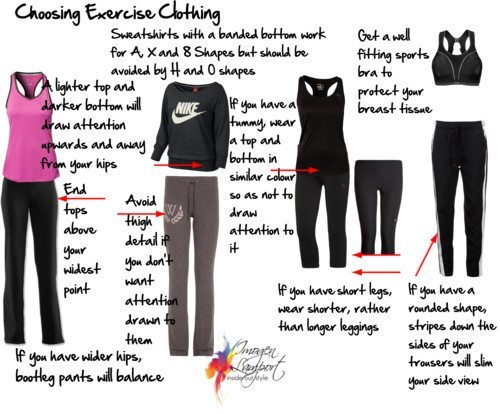
Credit: insideoutstyleblog.com
What To Absolutely Avoid
Not all regular clothes are safe or comfortable for the gym. Here’s what to skip:
- Jeans: Too stiff, poor flexibility, and they cause chafing.
- Dress Shirts: Restrict movement and become heavy with sweat.
- Clothes with Zippers/Buttons: These can dig into your skin or get caught on equipment.
- Heavy Hoodies: Overheat easily and soak up sweat.
- Flip-Flops or Open Shoes: Offer no protection and can cause injury.
- Loose Scarves or Ties: Dangerous near moving equipment.
- Overly Baggy Clothes: Can get caught or trip you up.
Common Beginner Mistake: Wearing stylish but impractical clothes to look good can backfire—comfort and safety should always come first.
How To Layer For Versatility
Layering helps you adjust as your body warms up during exercise.
- Start with a base layer: A fitted t-shirt or tank.
- Add a light mid-layer: Thin long-sleeve or hoodie for warmth.
- Bring an outer layer: Rain jacket or windbreaker if needed.
Remove layers as you heat up and put them back on to stay warm during cool-downs.
Expert Tip: Keep an extra shirt or socks in your bag for after your workout, especially if you sweat a lot.
Adapting To Different Types Of Workouts
What you wear can change depending on the workout.
Cardio (running, Cycling)
- Light, sweat-wicking shirt
- Shorts or leggings that don’t ride up
- Supportive shoes
Strength Training
- Fitted shirt (to avoid catching on equipment)
- Stretchy pants or shorts
- Flat-soled shoes (for better balance)
Yoga Or Pilates
- Stretchy, fitted clothes to allow free movement
- Barefoot or grip socks (if allowed)
Group Classes
- Layers you can remove as you warm up
- Clothes that cover well in all positions
Quick Example: For a treadmill session, go for a t-shirt, shorts or leggings, and supportive sneakers. For yoga, leggings and a fitted tank are best, even if they’re just your regular clothes.
Hygiene And Laundry Tips
Sweaty clothes can quickly get smelly and uncomfortable. Here’s how to manage hygiene if you use regular clothes:
- Change immediately after working out.
- Wash clothes after every use, even if they don’t look dirty.
- Air-dry if possible; dryers can damage stretchy fabrics.
- Use baking soda in the wash to remove odors from cotton items.
Underrated Advice: Keep a backup set of clothes in your bag or locker in case you forget to do laundry or get caught in the rain.
Comparing Common Clothing Options
Here’s a quick comparison to help you choose from your closet:
| Clothing Type | Pros | Cons |
|---|---|---|
| Cotton T-Shirt | Breathable, common, comfortable | Holds sweat, can get heavy |
| Leggings/Yoga Pants | Stretchy, supports movement | May be see-through, wears out fast |
| Sweatpants | Warm, covers legs, easy to move in | Can be hot, bulky |
| Basketball Shorts | Cool, loose, good for cardio | May ride up, needs liner |
| Everyday Sneakers | Accessible, covers feet | Lacks support, not for running |
Mistakes To Avoid When Using Regular Clothes For The Gym
Many beginners make errors that cause discomfort or embarrassment. Avoid these pitfalls:
- Wearing see-through clothes: Check in good light before you go.
- Ignoring fit: Too tight or too loose can hinder movement.
- Choosing non-breathable fabrics: These trap sweat and heat.
- Forgetting about seams and tags: Some clothes have thick seams or tags that chafe when you move.
- Wearing old, stretched-out clothes: These lose shape and support, which can be unsafe.
Insider Insight: Try your outfit at home and move around—if anything feels off, fix it before you go.

Credit: themomedit.com
Creating A “gym Capsule” From Your Closet
You don’t need a full drawer of gym clothes. Choose 2-3 tops, 2 bottoms, and 2 pairs of socks you know work. Rotate them, wash after use, and you’re set.
| Category | Number Needed | Examples from Closet |
|---|---|---|
| Shirts | 2-3 | Cotton t-shirts, tank tops |
| Bottoms | 2 | Leggings, sweatpants, shorts |
| Socks | 2-3 | Sports or crew socks |
| Underwear | 2 | Cotton briefs, sports bras |
This mini-wardrobe is enough for most people starting out, especially if you wash your clothes after every workout.
When To Invest In Real Gym Clothes
Eventually, you might want dedicated gym clothes. Here’s when it becomes worth spending money:
- You work out more than 3 times a week and laundry becomes a problem.
- Your regular clothes keep wearing out or aren’t comfortable enough.
- You want more sweat-wicking, quick-dry options.
- Your gym has a dress code.
When you’re ready, start with one or two items: a moisture-wicking shirt or a supportive pair of shoes. Don’t feel pressured to buy everything at once.
Real-life Example: Starting With Zero Gym Gear
Imagine Alex, who decides to join a gym but has no gym clothes. Here’s how he manages:
- For tops, Alex picks a couple of old t-shirts that still fit well.
- For bottoms, he chooses a pair of stretchy pajama pants and basketball shorts.
- He uses his everyday sneakers for walking and basic strength exercises.
- A cotton hoodie works for warm-ups.
- Alex brings a hand towel and a water bottle from home.
After a few weeks, Alex notices his sneakers don’t support his feet well during jogging. He decides to buy running shoes first. Over time, he adds a moisture-wicking shirt and proper gym shorts. This gradual approach saves money and lets Alex see what he really needs.
Key Takeaway: Start with what you have, upgrade only when you feel the need.
Gym Etiquette And Comfort
Respecting gym rules and other people’s comfort is part of a good workout experience.
- Always bring a towel to wipe equipment after use.
- Make sure your clothes are clean and odor-free.
- Avoid clothes that reveal more than you’re comfortable with, especially in shared spaces.
- If unsure, ask gym staff about their dress code.
Expert Note: Some gyms require closed-toe shoes and may prohibit jeans or sleeveless tops for safety.
Sustainability And Saving Money
Using your existing clothes is more environmentally friendly than buying new outfits just for the gym. It saves you money and reduces waste. When you do buy gym-specific clothes, choose high-quality items that last longer.
You can also swap clothes with friends or buy secondhand to keep costs and waste down.
Surprising Fact: Many high-performance gym clothes are made from recycled materials—if you decide to invest, look for these options.
When To Change Clothes At The Gym
If you’re working out before or after work or school, you might need to change at the gym. Here’s how to make it easy:
- Pack clothes in a separate bag to keep them clean.
- Bring a plastic bag for sweaty clothes.
- Choose simple outfits that are easy to change in and out of.
- Practice at home if you’re nervous about changing quickly.
Pro Tip: Keep a deodorant and a pack of wet wipes in your bag for quick freshening up.
Confidence Is More Important Than Clothes
The most important part of your gym journey is showing up and doing the work. Clothes are just a tool to help you feel comfortable and safe. If you don’t look like everyone else—don’t worry. Most people are too focused on their own workouts to notice.
If you ever feel self-conscious, remember: everyone started somewhere, and confidence grows with every workout.
Frequently Asked Questions
What Should I Wear To The Gym If I Only Have Jeans And Dress Shirts?
Jeans and dress shirts are not ideal for the gym—they restrict movement and can cause chafing. Try to find any stretchy pants, leggings, or shorts in your closet, and opt for a basic t-shirt or tank top instead of a dress shirt.
Can I Work Out In Pajamas Or Loungewear?
If your pajamas or loungewear are made of stretchy, breathable fabric, you can use them for light workouts. Avoid anything too loose or with thick seams that could cause discomfort.
Is It Okay To Exercise Barefoot If I Don’t Have Sneakers?
Some exercises like yoga or pilates allow barefoot training, but most gyms require closed-toe shoes for safety. For running or weightlifting, always wear supportive sneakers if possible.
How Do I Stop My Regular Clothes From Smelling After Workouts?
Change out of sweaty clothes right after your workout. Wash them after every use, and add a little baking soda to your laundry to help remove odors. Dry clothes thoroughly before storing.
When Should I Buy Real Gym Clothes?
Consider buying gym clothes if you work out often, your regular clothes aren’t comfortable, or your gym has a dress code. Start with the basics: one moisture-wicking shirt and a pair of supportive shoes.
For more tips on workout gear and fitness routines, you can visit Mayo Clinic.
Choosing what to wear to the gym when you don’t have gym clothes doesn’t have to be stressful or expensive. Focus on comfort, safety, and practicality. Start with what you have, avoid common mistakes, and remember—your effort matters more than your outfit.
