

Why are Gym Clothes So Tight? The Surprising Science Explained
Why Are Gym Clothes So Tight
If you’ve ever walked into a gym or scrolled through fitness content online, you’ve probably noticed a common trend: gym clothes are almost always tight. From compression leggings and fitted tanks to clingy shorts and snug sports bras, tight gym wear is everywhere. This might seem odd, especially if you’re new to working out or prefer looser clothing in daily life. Why do so many people, from beginners to professional athletes, prefer such tight-fitting clothes for exercise?
The reasons are more practical—and interesting—than you might think. Tight gym clothes are not just a matter of style or fashion. They are designed with real science and user experience in mind. Understanding why gym wear fits the way it does can help you pick better workout clothes, boost your performance, and even enjoy your time at the gym more. In this article, you’ll discover the many factors that make tight gym clothes popular, from performance benefits and safety to psychological and social reasons. You’ll also see how tightness affects different types of workouts, get tips for choosing the best fit, and learn about common mistakes people make when buying gym gear.
Let’s dive deep into the world of tight gym clothes and uncover everything you need to know.
How Tight Gym Clothes Improve Performance
The main reason gym clothes are tight is that they are engineered to boost how well you move and perform during exercise. But how does this actually work?
Better Muscle Support
Tight gym clothes, especially compression wear, hug your muscles firmly. This support reduces muscle vibration when you move, jump, or run. Less vibration means your muscles waste less energy, so you can work out longer and feel less tired. Studies have found that compression clothing can reduce muscle fatigue and soreness, especially after intense exercise.
Improved Blood Circulation
Compression from tight clothes gently squeezes your body, which can help blood flow more efficiently. Better blood circulation means more oxygen reaches your muscles, helping them perform better and recover faster. This is especially useful for endurance sports like running or cycling.
Reduced Risk Of Injury
When your muscles are supported and less tired, your risk of injuries like strains or sprains goes down. Snug gym wear can also keep your joints stable, especially during dynamic movements, by holding everything in place. For example, tight knee sleeves or arm sleeves are often used to prevent overextension.
Enhanced Range Of Motion
Loose clothes can get in the way or snag on equipment, but tight gym clothes move with your body like a second skin. This allows you to stretch, bend, and twist freely—critical for activities like yoga, pilates, and weightlifting. You won’t have to worry about your shirt riding up or your shorts catching on a bench.
Moisture Management
Many tight gym clothes are made from moisture-wicking fabrics. These materials pull sweat away from your skin and help it evaporate faster. When your clothes fit closely, these fabrics work more efficiently, keeping you cooler and drier during tough workouts.
Why Tightness Matters For Different Types Of Exercise
Not all workouts are the same, and neither are the benefits of tight gym wear. Let’s break down how tight clothing helps in various activities.
Running And Cardio
Runners often wear tight leggings, shorts, or tops to minimize air resistance. The close fit reduces drag and helps runners move faster. Compression socks or sleeves can also prevent swelling and speed up recovery after long runs.
Weightlifting And Strength Training
For weightlifters, tight clothes provide muscle support and ensure nothing gets caught on weights or machines. Fitted tops and bottoms help trainers and athletes check their form in mirrors, which is essential for safety and improvement.
Yoga And Pilates
In yoga and pilates, a full range of motion is key. Loose clothing can slip or bunch up during poses, making it distracting or even dangerous. Tight clothes let instructors and practitioners see the body’s alignment, which helps correct posture and prevent injury.
Cycling
Cyclists wear tight padded shorts to reduce chafing and friction with the bike seat. The snug fit also supports the thighs during pedaling and ensures nothing flaps in the wind.
High-intensity Interval Training (hiit)
HIIT involves fast, explosive movements. Tight clothes stay in place and absorb sweat, so you can focus on your workout without adjusting your outfit.
The Role Of Fabric Technology
Modern gym clothes are not just tight—they are made with advanced materials designed for exercise. Here’s how fabric choice works with fit to create the best experience.
Moisture-wicking Materials
Most tight gym wear is made from synthetic fibers like polyester, nylon, or spandex. These materials are lightweight, stretchable, and handle sweat well. A close fit ensures maximum contact with the skin, so sweat is quickly drawn away.
Breathability
Even though gym clothes are tight, the right fabrics allow air to pass through. Mesh panels or special weaves keep you cool, preventing overheating during intense sessions.
Durability
Tight clothes are often reinforced at seams and made from tough materials to handle stretching, pulling, and many washes. This makes them last longer than basic cotton clothes.
Odor Resistance
Some gym wear includes antimicrobial treatments to prevent bacteria growth and bad smells. Tight fabrics mean these treatments cover more skin, offering better protection.
Here’s a simple comparison of common gym wear fabrics and their features:
| Fabric | Stretch | Moisture Wicking | Breathability | Durability |
|---|---|---|---|---|
| Spandex | Excellent | Good | Moderate | High |
| Polyester | Good | Excellent | High | High |
| Cotton | Poor | Poor | High | Moderate |
| Nylon | Good | Excellent | High | High |
Safety And Hygiene Factors
Safety is often overlooked when it comes to gym wear, but it’s a key reason for the popularity of tight clothes.
Reduced Chafing And Blisters
Loose clothes can rub against your skin, causing chafing—painful, red patches that can turn into blisters. Tight gym clothes create less friction because they don’t move as much against your body. This is important for runners, cyclists, and anyone who sweats a lot.
Lower Risk Of Getting Caught
Baggy pants, shirts, or hoodies can easily get caught in gym machines or snag on weights. This can lead to accidents or injuries. Tight clothes minimize this risk, making them safer in busy gyms.
Better Hygiene
Sweat can soak into loose clothes, creating a breeding ground for bacteria and fungus. Because tight gym clothes are made from technical fabrics that dry quickly, they help keep your skin healthier. Many are also treated to fight bacteria and odor.
Easier To Clean
Most compression wear and tight gym outfits are machine-washable and designed to dry fast. This makes them more practical for daily use compared to bulky or thick garments.
Psychological And Social Reasons
The way gym clothes fit doesn’t just affect your body—it also impacts your mind and how you feel in a workout setting.
Boosting Confidence
Tight gym clothes often highlight your body’s shape and muscle definition, which can boost self-esteem. When you see progress in the mirror, it can motivate you to keep exercising. Some people say that wearing performance-focused gear puts them in an “athlete mindset,” making them work harder.
Group Identity And Motivation
Wearing similar tight gym wear helps people feel like part of a fitness community. You might notice groups of runners or gym-goers wearing matching compression outfits. This shared style builds a sense of belonging and motivation.
Reducing Distractions
Loose or baggy clothing can be a distraction. You might worry about your shirt riding up or shorts shifting during a squat. Tight gym clothes let you focus on your movements, not your outfit.
Overcoming Insecurities
Some people feel insecure about their bodies and think tight clothes will make them stand out. But in a gym setting, almost everyone is wearing similar gear. This “uniform” effect can actually make people feel more comfortable and less judged.
Fashion And Brand Influence
Let’s be honest: style matters, even at the gym. Brands play a big role in making tight gym clothes popular.
Athletic Fashion Trends
Many sports brands design tight-fitting clothes because they look modern, sleek, and athletic. Fitness influencers and athletes often wear these outfits, setting trends for the rest of us.
Celebrity Endorsements
When celebrities or fitness stars promote certain brands or styles, people want to copy that look. Tight gym wear is a big part of these trends, from leggings to fitted tops.
Variety And Customization
Tight clothes come in more colors, patterns, and cuts than ever before. You can choose high-waist leggings, racerback tops, or body-hugging shorts that match your personality and preferences. This variety keeps gym wear interesting and helps people express their style.
Social Media Impact
Platforms like Instagram and TikTok are full of fitness content, with many users showing off their gym outfits. This has made tight gym clothes not just a practical choice, but also a fashion statement.
The Science Behind Compression Wear
You might wonder: is there real science behind compression clothes, or is it just marketing?
Muscle Recovery
Research shows that compression garments can help with muscle recovery after tough workouts. They reduce swelling and muscle soreness by increasing blood flow and supporting the muscles.
Sports Performance
Some studies suggest compression wear can slightly improve strength, speed, and power in sports. However, the biggest benefits are usually seen in recovery and comfort, rather than massive gains during workouts.
Injury Prevention
For athletes with a history of injuries, compression sleeves or tights can provide gentle support and remind them to move carefully. This “proprioceptive feedback” helps the brain sense joint position and prevent risky movements.
Temperature Regulation
Tight gym clothes can help your body regulate its temperature. They keep you cool when it’s hot (by wicking sweat) and warm when it’s cold (by trapping heat close to the skin).
Here’s a quick look at some proven effects of compression wear:
| Benefit | Evidence Level | Who Benefits Most |
|---|---|---|
| Reduced Muscle Soreness | Strong | All athletes |
| Improved Circulation | Moderate | Endurance athletes |
| Injury Prevention | Some | High-risk athletes |
| Performance Gains | Limited | Elite athletes |
Common Misconceptions About Tight Gym Clothes
Even with all these benefits, people often misunderstand why gym wear is so tight. Here are some myths and the facts behind them.
“tight Clothes Are Only For Bodybuilders”
While bodybuilders often wear fitted clothes to show off muscle, tight gym wear is useful for everyone—from beginners to advanced athletes. The benefits apply to all kinds of workouts, not just bodybuilding.
“tight Gym Clothes Are Uncomfortable”
If your gym clothes are painful, restrict breathing, or leave deep marks, they’re too tight. Properly fitted compression wear should feel supportive, not suffocating. Modern fabrics and smart design have made gym wear more comfortable than ever.
“loose Clothes Are Just As Good”
Loose clothes might feel relaxing, but they don’t offer the same support, moisture management, or safety features as tight gym wear. In some sports, loose outfits can actually be dangerous.
“tight Clothes Are All About Fashion”
Style is part of the story, but the main reason for snug gym clothes is performance and safety. Brands focus on fit because it works, not just because it looks good.
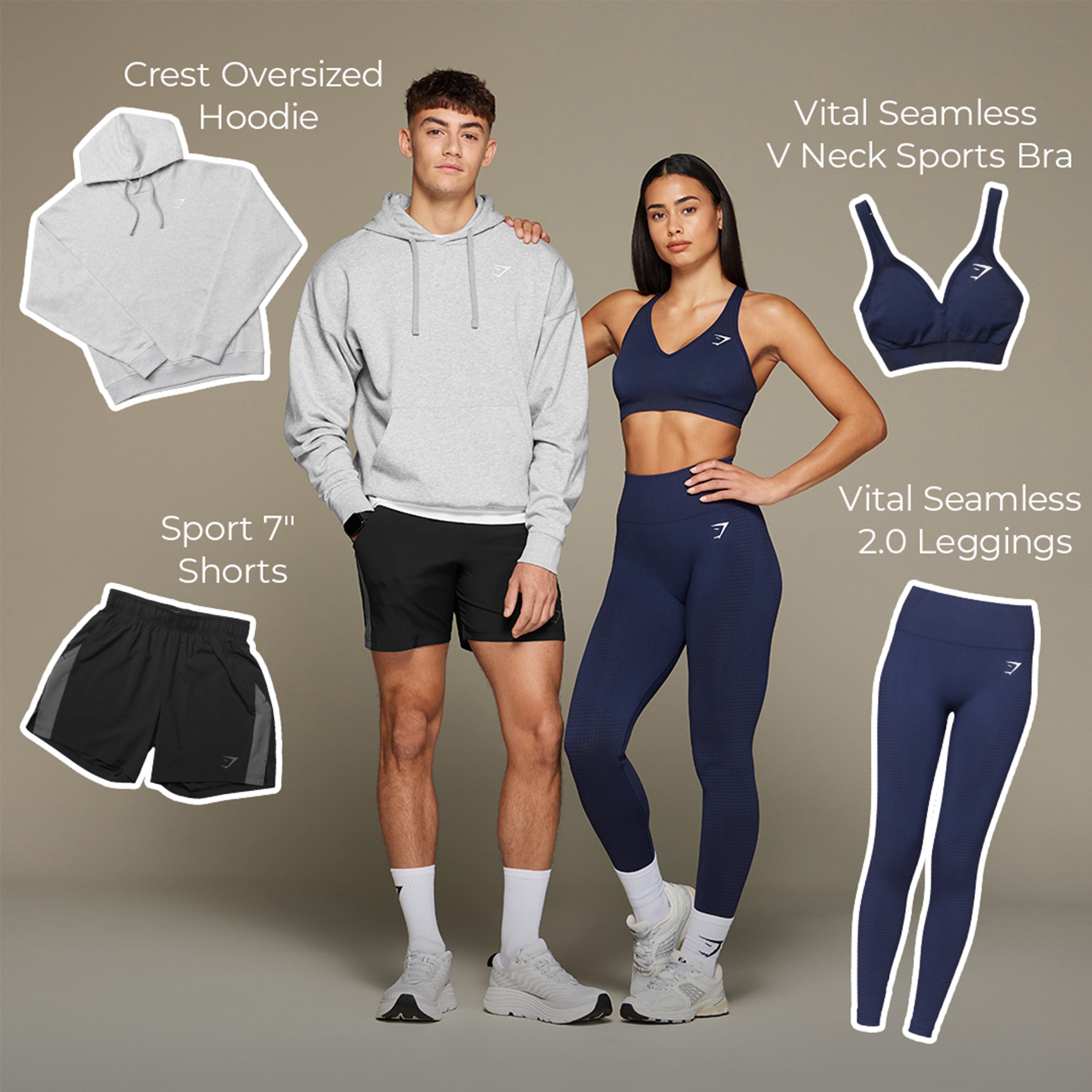
Credit: www.gymshark.com
How To Choose The Right Level Of Tightness
Picking the perfect fit is tricky. Too tight, and you’ll be uncomfortable. Too loose, and you miss out on the benefits. Here’s how to get it right.
Know Your Activity
- For running or cycling, go for compression leggings or shorts that stay in place but don’t squeeze too hard.
- For yoga or pilates, look for flexible, breathable fabrics that hug your body but let you stretch.
- For weightlifting, fitted tops and bottoms are best, but you may prefer slightly looser shorts for squats.
Check The Sizing Guide
Most brands offer detailed sizing charts based on your measurements. Always check these before buying, as sizing can vary between brands.
Test The Stretch
Try moving, bending, and stretching in your gym clothes. You should feel supported but never restricted. If you can’t move freely, try a bigger size.
Pay Attention To Seams And Waistbands
Look for flat seams or seamless designs to prevent chafing. Waistbands should be snug but not dig into your skin.
Consider Your Comfort Zone
Some people prefer very tight compression, while others like a gentle hug. Start with a moderate fit and adjust based on your comfort and the activity.
Try Before You Buy
If possible, try gym clothes on before purchasing. Move around in the store or at home to check for any discomfort or awkwardness.
When Tight Clothes May Not Be Ideal
While there are many reasons to go tight, there are also times when looser gym wear may be better.
Certain Medical Conditions
If you have circulation problems, skin conditions, or are pregnant, talk to a doctor before wearing compression gear.
Hot And Humid Climates
In very hot places, ultra-tight clothes can sometimes trap heat. Look for lightweight, breathable options with mesh panels.
Personal Preference
Some people simply feel better in looser clothes. Comfort is important, so choose what works for you—even if it’s not the trend.
Mistakes People Make With Tight Gym Clothes
Buying gym clothes is not always easy, and many people make common mistakes. Here’s what to avoid:
- Ignoring the Sizing Chart: Wearing gym clothes that are too small can limit movement and cause discomfort.
- Choosing Fashion Over Function: Don’t pick clothes just because they look good on a model. Make sure the fit and fabric suit your workout.
- Not Replacing Worn Out Gear: Compression wear loses its stretch over time. Replace old items when they no longer feel supportive.
- Wearing the Wrong Fabric: Cotton may feel soft, but it traps sweat and gets heavy. Stick to moisture-wicking materials.
- Overlooking Seams and Tags: Rough seams or tags can lead to irritation during movement. Choose seamless or flat-seam designs.
Environmental And Ethical Considerations
The rise of tight gym wear also has an impact on the environment and society.
Synthetic Fiber Concerns
Most tight gym clothes are made from synthetic fibers, which come from petroleum. These materials can shed microplastics during washing, which can harm oceans and wildlife.
Eco-friendly Alternatives
Some brands now offer recycled polyester or plant-based stretch fibers. If you care about sustainability, look for eco-friendly gym wear or brands with ethical manufacturing practices.
Longevity And Waste
Because tight gym clothes last longer than standard cotton, you may replace them less often. This helps reduce clothing waste.
Second-hand And Upcycling
You can often find quality gym wear in second-hand shops or online. Upcycling old gym wear into cleaning cloths or accessories is another way to reduce waste.
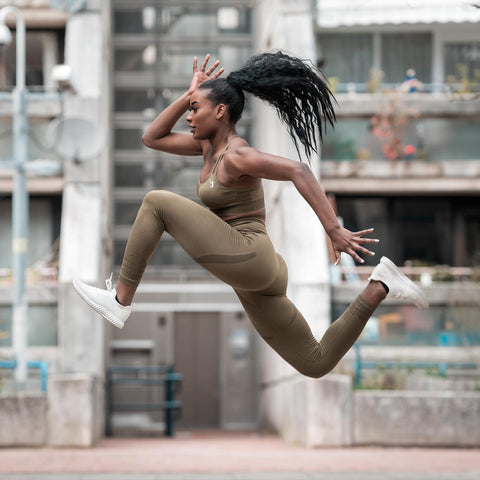
Credit: www.gymwear.co.uk
Gym Clothes Tightness: Cultural And Gender Perspectives
The way people view tight gym clothes changes depending on culture, age, and gender.
Gender Differences
Women’s gym wear is often tighter than men’s, partly due to fashion trends and partly for support (like sports bras or leggings). Men’s gym wear is slowly becoming more fitted, but often remains looser for comfort.
Modesty And Cultural Norms
In some cultures, wearing very tight clothes in public is frowned upon. Many brands now offer “modest activewear,” which gives a close fit without revealing the body’s shape.
Age And Body Confidence
Younger people may be more comfortable wearing tight gym clothes, while older gym-goers might prefer looser styles. The key is to choose what makes you feel good and lets you perform your best.
Practical Tips For Caring For Tight Gym Clothes
Taking care of your gym wear ensures it stays tight, fresh, and supportive.
- Wash in cold water to prevent shrinking and protect elastic fibers.
- Avoid fabric softeners—they coat the fabric and reduce moisture wicking.
- Hang dry instead of using a dryer to extend the life of your clothes.
- Separate by color to prevent fading and color transfer.
- Wash after every use to remove sweat, bacteria, and oils.
Non-obvious Insights For Beginners
Here are a couple of details beginners often miss:
- Try layering tight and loose pieces: For example, wear a compression base layer under a looser top for warmth or modesty.
- Different activities may require different levels of tightness: It’s okay to have both snug and slightly relaxed gym wear in your wardrobe, depending on your workout.
- Compression gear can aid in travel and recovery: Many athletes wear compression tights on flights or after long races to reduce swelling and speed healing.
A Quick Look: Tight Vs. Loose Gym Clothes
To sum up, here’s a comparison of tight and loose gym wear:
| Feature | Tight Gym Clothes | Loose Gym Clothes |
|---|---|---|
| Muscle Support | High | Low |
| Moisture Management | Excellent | Poor |
| Safety | Better (less snagging) | Lower (more risk) |
| Freedom of Movement | High | Medium |
| Fashion | Trendy | Casual |

Credit: www.nytimes.com
Frequently Asked Questions
Why Do Gym Clothes Need To Be So Tight?
Tight gym clothes improve performance by supporting muscles, boosting blood flow, and reducing chafing. They also help keep sweat away from your skin and reduce the risk of getting clothes caught on equipment.
Can Tight Gym Clothes Be Unhealthy?
If gym clothes are extremely tight, they can restrict movement or blood flow. Choose a fit that feels supportive but not painful. People with certain medical conditions should consult a doctor before using compression gear.
Are Tight Gym Clothes Only For Athletes?
No, anyone can benefit from tight gym wear, even beginners. The support, comfort, and moisture-wicking features help all fitness levels. Just make sure to pick the right fit for your activity.
How Do I Know If My Gym Clothes Are Too Tight?
If you have trouble breathing, see deep marks on your skin, or feel pain, your clothes are too tight. You should be able to move freely and feel comfortable throughout your workout.
Where Can I Learn More About The Science Behind Gym Wear?
For more details, you can read about compression garments and their benefits on the Wikipedia page on compression garments.
Tight gym clothes are more than a trend—they’re a smart choice for anyone serious about exercise. They support your body, enhance performance, boost confidence, and keep you safe. Whether you’re a beginner or a seasoned athlete, finding the right fit and fabric can make your workouts more effective and enjoyable.
Remember to listen to your body, try different styles, and choose what helps you move and feel your best.
