

What are Gym Clothes Called? A Guide to Fitness Apparel Terms
What Are Gym Clothes Called
Choosing the right gym clothes is more important than many people think. If you wear regular clothes to exercise, you might feel uncomfortable, sweaty, or even get hurt. But if you wear clothes made for the gym, you can move easily, stay cool, and keep your skin healthy. Many people wonder, "What are gym clothes called?" or "Why do people use special names like tank top, compression shorts, or sports bra?" The world of gym clothing has its own words, styles, and materials. It can be confusing for beginners, but knowing the right terms helps you buy, use, and care for your workout gear.
Gym clothes are not just about fashion. They have special features for stretching, lifting, running, or yoga. Some are loose, others are tight. There are different types for men and women, and some are unisex. This guide will explain what gym clothes are called, what each type does, and how to choose the best ones for your workout.
Whether you’re new to the gym or want to upgrade your wardrobe, you’ll find clear answers here.
What Are Gym Clothes?
Gym clothes are also known as activewear, sportswear, or athletic wear. These terms are sometimes used for the same thing, but there are small differences.
- Activewear usually means clothes for both exercise and casual wear.
- Sportswear can mean all clothes for sports, including shoes and hats.
- Athletic wear means clothing made for physical activity.
All of these are designed for movement, sweat control, and comfort. They help you focus on your exercise, not your outfit.
Common Types Of Gym Clothes And Their Names
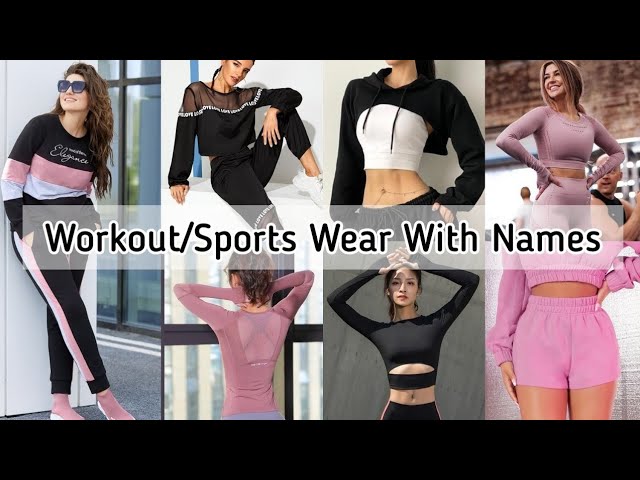
Gym clothes have many types, each with its own name and purpose. Here are the most important ones you’ll see in stores and online.
1. T-shirts
T-shirts are simple and popular for workouts. They come in:
- Cotton: Soft and comfortable, but can get heavy with sweat.
- Synthetic: Polyester or blends that dry fast and keep you cool.
Many gym T-shirts are labeled as moisture-wicking or performance T-shirts. Some have mesh panels for extra airflow.
2. Tank Tops
Tank tops are sleeveless shirts. They let your arms move freely and help keep you cool. You’ll see:
- Muscle tanks: Wider openings for arms, good for weightlifting.
- Stringer tanks: Very thin straps, popular with bodybuilders.
- Racerback tanks: The back has a “Y” shape, common for both men and women.
Tank tops are great for hot gyms or outdoor workouts.
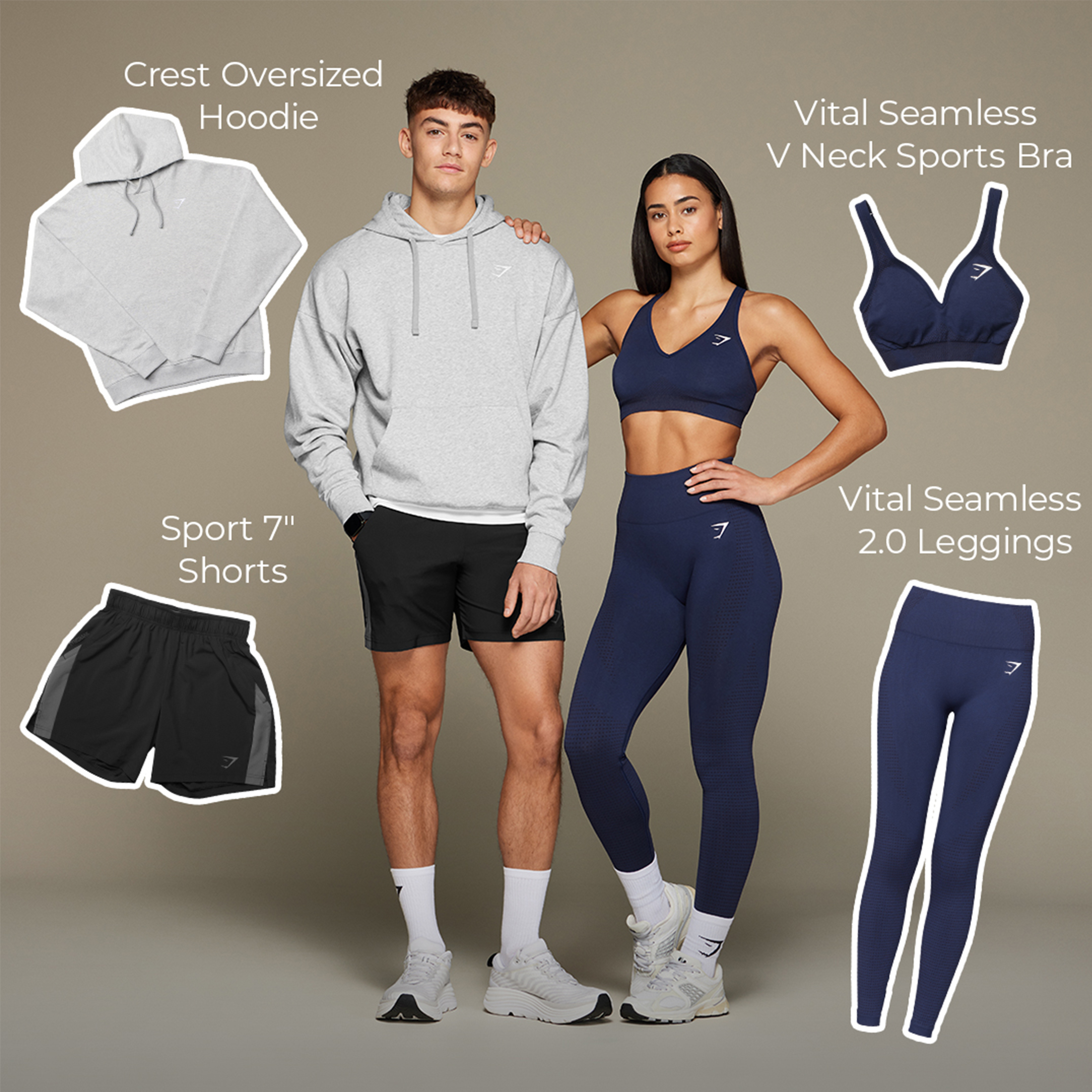
3. Sports Bras
A sports bra is made for women to support the chest during exercise. There are three main types:
- Low-impact: For yoga or stretching.
- Medium-impact: For cycling or hiking.
- High-impact: For running or jumping.
Sports bras are a key part of any woman’s gym wardrobe. They prevent pain and make moving easier.
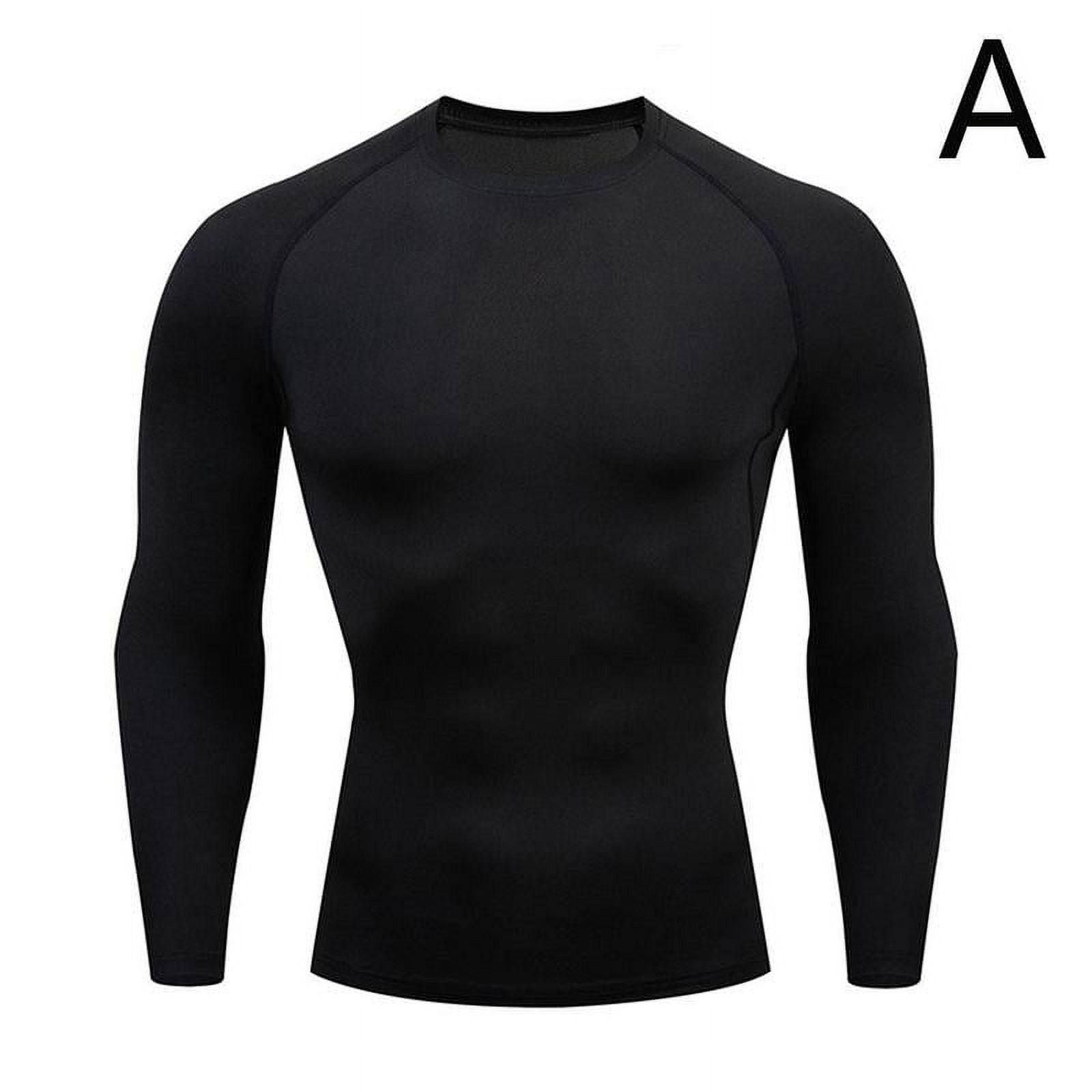
4. Compression Shirts
Compression shirts fit tightly to your body. They are made from stretchy materials like spandex or elastane. Their main benefits:
- Support muscles
- Reduce chafing
- Speed up recovery
Compression shirts are common in running, weightlifting, and high-intensity workouts.
5. Hoodies And Sweatshirts
Hoodies and sweatshirts are worn before or after workouts, or during warm-ups. They keep your muscles warm and help you sweat out toxins. You’ll find:
- Pullover hoodies: No zipper, you pull them over your head.
- Zip-up hoodies: Have a zipper in front, easy to take off.
These are often made from cotton blends or fleece.
6. Shorts
Gym shorts are lighter and shorter than normal shorts. They let you move easily and keep cool. Types include:
- Running shorts: Very short, often with built-in liners.
- Training shorts: Slightly longer, for general workouts.
- Compression shorts: Tight, support the thighs, prevent chafing.
Some shorts have pockets or drawstrings for a better fit.
7. Leggings
Leggings are tight pants that cover the legs. They are popular with women but also used by men. Features:
- High-waist leggings: Support the stomach, don’t slip down.
- Seamless leggings: No seams, so no irritation.
- Compression leggings: Add muscle support and warmth.
Leggings are used for yoga, pilates, running, and weightlifting.
8. Joggers
Joggers are looser than leggings but tighter at the ankles. They are comfortable and casual. Joggers are good for:
- Warm-ups
- Cardio
- Lounging after a workout
They are usually made from cotton, polyester, or blends.
9. Track Pants
Track pants are lightweight, straight-leg pants. They have stripes down the side and a looser fit than leggings. Features:
- Often have zippered ankles
- Made from polyester or nylon
Track pants are common for running, soccer, or warm-ups.
10. Sweatpants
Sweatpants are thicker and softer than track pants or joggers. They are used for:
- Warm-ups in cold weather
- Relaxing after workouts
- Low-intensity exercise
They often have an elastic waistband and cuffs.
11. Sports Socks
Sports socks are different from normal socks. They are made to:
- Wick moisture
- Prevent blisters
- Give extra support
You’ll see ankle socks, crew socks, and compression socks in gyms.
12. Headbands And Wristbands
Headbands keep sweat out of your eyes. Wristbands absorb sweat on your arms. Both are made from soft, absorbent fabric. They are popular in sports like tennis and basketball, but also used in gyms.
13. Gym Shoes
Gym shoes are a big category. They are also called trainers, sneakers, or cross-trainers. There are special shoes for each sport:
- Running shoes: Extra cushion, light.
- Training shoes: Flat sole, good for lifting weights.
- Court shoes: For tennis, basketball, etc.
Good gym shoes protect your feet and improve your performance.
14. Sports Underwear
Sports underwear is made for exercise. For men, these are often called performance briefs or compression underwear. For women, look for seamless panties or sports thongs. They prevent chafing and wick sweat.
15. Compression Tights
Compression tights cover the legs and sometimes the waist. They are tighter than leggings. Used for:
- Running
- Recovery after workouts
- Keeping muscles warm
Some athletes wear them under shorts.
16. Sports Jackets
Sports jackets are lightweight and protect you from wind or rain. They are also called windbreakers or track jackets. Features include:
- Zippers
- Breathable fabric
- Pockets
You wear them for outdoor running or to the gym.
17. Gym Gloves
Gym gloves protect your hands during weightlifting. They are also called lifting gloves or training gloves. Benefits:
- Better grip
- Less calluses or blisters
- Wrist support (in some styles)
They are made from leather, synthetic materials, or mesh.
18. Athletic Caps And Hats
Athletic caps keep the sun out of your eyes during outdoor workouts. They are sometimes called performance caps or running hats. Features include:
- Lightweight fabric
- Breathable panels
- Sweatbands inside
Some people use them for style or to keep hair out of the face.
19. Sports Hijabs
Sports hijabs are made for Muslim women who want to cover their hair while exercising. These are made from stretchy, breathable fabrics. They are also called performance hijabs or active hijabs. Brands like Nike and Adidas now make them.
20. Arm Sleeves
Arm sleeves are tubes of stretchy material you wear on your arms. They are also known as compression sleeves. Used for:
- Muscle support
- Protection from sun
- Reducing swelling
You see them in basketball, running, and weightlifting.
21. Gym Towels
A gym towel is small and made to absorb sweat. Some are called sweat towels or workout towels. They are important for hygiene and keeping equipment clean.
22. Gym Bags
While not clothes, a gym bag is part of your gym gear. Also called duffel bags or sports bags. They carry your clothes, shoes, towel, and water bottle.
Credit: www.youtube.com
Gym Clothes For Men And Women
Most gym clothes are unisex, but some are designed especially for men or women. Here’s a quick look at the differences.
For Men
- Tank tops and muscle shirts are more common.
- Shorts are usually longer.
- Compression shorts and training shirts are popular.
- Sports underwear has extra support.
For Women
- Sports bras and high-waist leggings are common.
- Shorts are often shorter or tighter.
- More color and pattern choices.
- Sports underwear is seamless or thong style.
Some brands make unisex gym clothes, usually labeled as such.
Gym Clothes Materials And Technology
The material of your gym clothes can change how you feel during a workout. Here are common materials and their benefits:
Cotton
Cotton is soft and absorbs sweat, but it stays wet. Not good for heavy workouts but fine for stretching or yoga.
Polyester
Polyester is light, dries fast, and doesn’t wrinkle. Most gym clothes use polyester blends.
Spandex (elastane, Lycra)
Spandex is very stretchy and makes clothes fit tightly. Used in compression wear, leggings, and sports bras.
Nylon
Nylon is smooth, strong, and dries quickly. It’s used in running shorts, jackets, and underwear.
Bamboo
Bamboo fabric is soft, fights odor, and is good for sensitive skin. Used in eco-friendly gym clothes.
Mesh
Mesh is a net-like fabric. It adds ventilation to keep you cool.
Moisture-wicking technology is a special feature in many gym clothes. It pulls sweat away from your skin, so you stay dry and comfortable.
Why Names Of Gym Clothes Matter
Knowing the right names helps you:
- Choose the best item for your workout
- Avoid buying the wrong thing (like cotton for running)
- Understand product labels and shop online
- Talk to gym staff or trainers clearly
For example, asking for "compression shorts" gives you a different product than just "shorts. " Brands use these names to describe fit, material, and purpose.
Difference Between Gym Clothes And Regular Clothes
People sometimes wonder if they can just wear a normal T-shirt or shorts to exercise. Here’s a quick comparison:
| Feature | Gym Clothes | Regular Clothes |
|---|---|---|
| Material | Moisture-wicking, stretchy | Cotton, denim, non-stretchy |
| Fit | Snug or loose, designed for movement | Not designed for exercise |
| Durability | Withstands sweat, frequent washing | Wears out faster with exercise |
| Features | Flat seams, ventilation, support | Basic construction |
Wearing regular clothes for exercise can cause chafing, discomfort, and even injury.
How To Choose The Right Gym Clothes
Picking the right gym clothes can make your workout better and safer. Here’s what to consider:
1. Type Of Exercise
- Running: Look for moisture-wicking shirts, shorts, and running shoes.
- Weightlifting: Use compression shirts, tanks, shorts or leggings, and lifting gloves.
- Yoga/Pilates: Wear leggings, sports bras, and tanks for flexibility.
- High-intensity workouts: Choose compression gear for support.
2. Fit
- Clothes should not be too tight or too loose.
- Try them on and move around to test comfort.
3. Material
- Choose synthetic blends for sweat and stretch.
- Avoid 100% cotton for heavy workouts.
4. Weather
- For outdoor workouts, layer with jackets, hats, and gloves.
- In hot gyms, use tanks and shorts.
5. Personal Style
- Pick colors and patterns you like.
- Confidence helps motivation.
6. Budget
Some brands are expensive, but there are good options at all price levels. Focus on quality for the main items (shoes, sports bras).
Gym Clothes For Different Sports
Not all gym clothes are the same. Each sport has special needs.
| Sport/Activity | Best Gym Clothes | Special Features |
|---|---|---|
| Running | Running shorts, T-shirt, running shoes | Lightweight, reflective |
| Yoga | Leggings, tank top, sports bra | Stretchy, seamless |
| Weightlifting | Compression shirt, shorts, gloves | Muscle support, grip |
| Cycling | Cycling shorts, jersey, gloves | Padded shorts, zipper pockets |
| Team Sports | Jersey, shorts, crew socks | Number, logo, moisture control |
Wearing the right clothes for your sport can improve your performance and comfort.
Caring For Your Gym Clothes
Good gym clothes can last a long time if you care for them properly. Here’s how:
- Wash after every use to prevent bacteria and odor.
- Use cold water and a gentle cycle.
- Avoid fabric softeners – they block moisture-wicking.
- Hang dry if possible, or use low heat.
- Wash similar colors together.
Some people forget to clean their gym bag or shoes. These can collect germs, so clean them often.
Common Mistakes When Choosing Gym Clothes
Many people buy gym clothes without thinking about their needs. Here are mistakes to avoid:
- Choosing style over comfort
- Wearing the wrong size
- Ignoring material (like buying cotton for high sweat)
- Forgetting about weather (no layers for outdoor workouts)
- Not investing in good shoes or sports bras
One non-obvious tip: Don’t wear underwear under compression shorts or leggings – these are made to be worn alone for best comfort and hygiene.
Another useful insight: Try on gym clothes and move like you would during exercise. A shirt that feels good when standing might ride up or chafe when lifting arms.
Credit: www.gymshark.com
Popular Gym Clothes Brands
There are many brands making gym clothes, from budget to high-end. Some well-known names include:
- Nike
- Adidas
- Under Armour
- Reebok
- Lululemon
- Gymshark
- Puma
Some brands focus on men, others on women, and some are unisex. Always check reviews and return policies before buying.
Gym Clothes Trends
Gym clothes are always changing. Here are some current trends:
- Seamless leggings and tops for comfort
- Bold prints and colors
- Eco-friendly fabrics like recycled polyester or bamboo
- Smart clothing with sensors to track heart rate or posture
But the most important thing is comfort and performance, not just style.
Credit: www.walmart.com
Where To Buy Gym Clothes
You can find gym clothes in many places:
- Sports stores
- Brand stores (Nike, Adidas, etc.)
- Online shops (Amazon, brand websites)
- Department stores
- Thrift shops (for budget options)
Online shopping gives more choices, but always check size guides and reviews. Many brands have free returns if something doesn’t fit.
Gym Clothes In Different Cultures
In some countries, gym clothes are worn only for workouts. In others, people wear athleisure – gym clothes as everyday fashion. For example, yoga pants, hoodies, and sneakers are common streetwear in the US and Europe. In some places, modesty is important, so women may wear sports hijabs or long-sleeve tops.
Gym Clothes Accessories
Besides the main clothes, there are useful accessories:
- Water bottles for hydration
- Fitness trackers (watches, bands)
- Lifting belts for heavy weights
- Ankle weights for extra resistance
- Sweatbands for head and wrists
These are not “clothes,” but they are part of your gym kit.
The Future Of Gym Clothes
Technology is changing gym clothes. Some brands make smart fabrics that:
- Change temperature with your body heat
- Track your heart rate or movement
- Control odor with silver or bamboo fibers
There’s also a move toward eco-friendly gym wear, using recycled plastic bottles or organic cotton.
For more about the science of sportswear and its impact on performance, you can check this Activewear article.
Frequently Asked Questions
What Is The Difference Between Activewear And Sportswear?
Activewear is made for both exercise and casual wear. You can wear it to the gym or outside for errands. Sportswear usually refers to clothing for specific sports, including uniforms and gear. But in everyday use, people often use the terms for the same types of clothing.
Can I Wear Regular Clothes To The Gym?
You can wear regular clothes, but it’s not recommended for intense workouts. Regular clothes can get heavy with sweat, cause chafing, and limit your movement. Gym clothes are made to keep you comfortable and prevent skin problems.
Do I Need A Sports Bra For Light Exercise?
Yes, it’s a good idea. Even for light activities like yoga, a sports bra gives support and helps prevent discomfort. Choose a low-impact style for gentle exercises.
How Do I Know What Size Gym Clothes To Buy?
Check the brand’s size chart and measure yourself. If you shop online, read reviews about fit. Try on clothes and move your arms and legs to make sure nothing is too tight or loose. Remember, some materials stretch over time.
What Are Compression Clothes And Do I Need Them?
Compression clothes fit tightly and support your muscles. They help with blood flow, reduce soreness, and prevent chafing. You don’t need them for every workout, but they are helpful for running, weightlifting, and long workouts.
Choosing the right gym clothes makes exercise more enjoyable and effective. Learn the names, try different styles, and always pick comfort and function first. Your body will thank you, and you’ll get the most out of every workout.
