

Why are Gym Clothes Made of Polyester? Benefits Explained
Why Are Gym Clothes Made Of Polyester
Choosing the right gym clothes can make a surprising difference in your workout. If you've shopped for fitness wear, you have probably noticed one material dominates: polyester. From big sports brands to local gym shops, polyester is everywhere in activewear. But why? What makes this fabric the top choice for gym clothes, and why do brands trust it over other options like cotton or nylon? The answer is more interesting than you might think.
Understanding the reasons behind polyester’s popularity can help you pick better clothes, enjoy more comfortable workouts, and even make your gear last longer. Many people believe all fabrics are the same, but in the world of fitness, small details make a big impact.
This article will break down everything you need to know about why gym clothes are made of polyester—covering science, comfort, durability, and more. You’ll also discover some industry secrets and practical advice most beginners miss.
What Is Polyester?
Polyester is a synthetic fiber made from petroleum-based chemicals. Unlike natural fibers such as cotton or wool, polyester is created in factories through a process called polymerization. The final material is then spun into threads and woven or knitted into fabric.
The fibers are strong, lightweight, and smooth. Manufacturers can blend polyester with other fibers to change its feel or performance. For example, a polyester-cotton blend combines breathability with extra strength. Pure polyester, though, is the most common for gym clothes because of its unique benefits.
Key Properties Of Polyester
Polyester has several qualities that make it stand out in activewear. Let's look at the main characteristics:
- Moisture-wicking: Moves sweat away from the skin.
- Quick-drying: Dries faster than most natural fibers.
- Durability: Resists stretching, shrinking, and tearing.
- Lightweight: Feels less bulky during movement.
- Shape retention: Keeps its form after many washes.
- Wrinkle resistance: Looks neat without ironing.
- Color retention: Holds bright colors, even with frequent washing.
- Easy care: Machine washable and low maintenance.
These features are not just marketing claims. They are backed by science and real-world testing. Each property plays a role in why polyester is the top choice for gym clothes.
Why Moisture Management Matters
When you exercise, your body produces sweat to cool itself. If your clothes keep sweat against your skin, you can feel uncomfortable, cold, or even develop rashes. That’s why moisture management is a top priority for sportswear.
How Polyester Handles Sweat
Polyester fibers are hydrophobic—they do not absorb water. Instead, they pull moisture away from your skin and move it to the fabric’s surface. From there, sweat evaporates quickly. This process is known as wicking.
Compare this to cotton, which absorbs sweat and holds onto it. Wet cotton becomes heavy, sticky, and cold. Polyester, in contrast, stays light and dry—even during tough workouts.
The Science Behind Wicking
The shape and structure of polyester fibers allow for tiny spaces between threads. These gaps help move sweat through the fabric. Some modern gym clothes use advanced polyester with special cross-sections or coatings for even better wicking.
This is one of the main reasons you feel drier and more comfortable in polyester gym clothes—even during intense training.
Quick-drying Performance
Nobody likes staying wet after a workout. Quick-drying fabrics help you transition from exercise to daily life without discomfort.
Polyester’s low water absorption means it dries much faster than cotton or wool. After washing, polyester clothes are often ready to wear in a short time. In the gym, this means you avoid chills and stay comfortable, even if you sweat a lot.
This quick-drying property also helps prevent body odor. Bacteria that cause odor grow more easily in wet fabrics. Since polyester dries fast, it reduces the time sweat stays trapped, limiting odor build-up.
Durability And Longevity
Gym clothes take a lot of abuse. They are stretched, pulled, washed, and exposed to sweat, lotions, and sunlight. Durability is critical.
Polyester is naturally strong. It resists tearing, stretching, and abrasion much better than cotton or other natural fibers. It doesn’t shrink or lose shape after washing. High-quality polyester can last for many years, even with heavy use.
Real-world Example
Professional athletes and trainers often choose polyester-based clothes because they need gear that can survive intense use. For home exercisers, this means you get more value for your money—your gym clothes keep looking and performing well, workout after workout.
Lightweight And Flexible
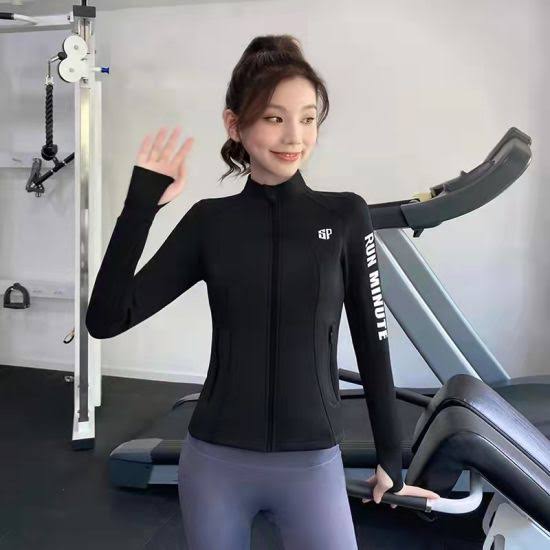
Good gym clothes should never feel heavy or restrict your movement. Polyester is lightweight, which makes it comfortable for all kinds of training—from running to yoga.
Manufacturers can make polyester fabric very thin without losing strength. This keeps clothes breathable and easy to move in. Some advanced polyester blends even add a bit of stretch, making them feel almost like a second skin.
Credit: ugawear.com
Shape Retention And Wrinkle Resistance
Nobody wants their gym shirt to become baggy or wrinkled after a few workouts. Polyester naturally returns to its original shape after stretching. This shape retention means your clothes always fit as they should.
Polyester also resists wrinkles. You can throw a polyester shirt in your gym bag, and it will still look neat. For people with busy lives, this is a big advantage.
Color Retention And Style
Gym clothes are often bright and colorful. Polyester holds dyes very well. Even after many washes, the colors stay vivid and don’t fade easily. Cotton, on the other hand, can lose brightness over time.
This color retention lets brands create eye-catching designs that stay looking new. If you like your gym clothes to match your style, polyester is a smart choice.

Credit: vibrantbodycompany.com
Easy Care And Maintenance
No one wants to spend time hand-washing or ironing gym clothes. Polyester is machine washable and dries fast. It doesn’t need special care. This is a big reason why busy people and athletes prefer polyester-based activewear.
If you travel or go straight from work to the gym, you can rely on polyester clothes to stay fresh and easy to manage.
Comparing Polyester To Other Fabrics
To understand why polyester is preferred, it helps to compare it to other common gym clothing materials.
| Fabric | Moisture Wicking | Drying Speed | Durability | Comfort |
|---|---|---|---|---|
| Polyester | Excellent | Very Fast | High | Good |
| Cotton | Poor | Slow | Medium | Very Good |
| Nylon | Good | Fast | High | Good |
| Wool | Good | Medium | Medium | Good (but itchy for some) |
This table shows that polyester scores highest in the areas most important for gym clothes—especially wicking, drying speed, and durability.
Cost And Accessibility
Another reason polyester is so popular in activewear is cost. Polyester is less expensive to produce than many natural fibers. It can be made in very large quantities, which keeps prices low.
This means you can find good-quality polyester gym clothes at almost any price point—from budget to premium brands. Fitness becomes more accessible when high-performance gear is affordable.
Polyester And Sustainability
One concern some people have is the environmental impact of polyester. Because it is synthetic and made from petroleum, it is not biodegradable like cotton or wool. However, the industry is changing. Many brands now use recycled polyester, made from old plastic bottles or fabric waste.
Recycled polyester offers the same benefits as new polyester, but with a much lower environmental footprint. If sustainability is important to you, look for gym clothes made from recycled or eco-friendly polyester.
Advanced Polyester Technologies
Polyester is not just one material. Over time, manufacturers have created many advanced versions to improve performance.
Examples Of Advanced Polyester Types
- Microfiber Polyester: Extremely fine threads create super-soft, lightweight fabric. Used in high-end gym tops.
- Polyester-Elastane Blends: Add stretch for activities like yoga or pilates.
- Antimicrobial Polyester: Treated to resist odor-causing bacteria.
- Mesh Polyester: Knitted for extra breathability in sweaty zones.
- Recycled Polyester: Made from recycled plastics, reducing waste.
How These Help You
Choosing the right blend or technology can make a big difference. For example, if you sweat heavily, look for mesh panels or antimicrobial treatments. If you need extra stretch, elastane blends are best.
The Role Of Polyester In Performance
Athletes rely on every detail to improve their results. Polyester helps in several ways:
- Temperature control: Keeps sweat off the skin, helping the body cool more efficiently.
- Freedom of movement: Light and stretchy fabrics don’t hold you back.
- Layering: Thin polyester clothes are easy to layer for different weather or workouts.
- Reduced risk of chafing: Smooth fibers and moisture control lower the chance of skin irritation.
These benefits are not just for professionals. Anyone can feel the difference, from casual walkers to marathon runners.
Common Mistakes When Choosing Gym Clothes
Even with all these advantages, some people still feel uncomfortable in their gym gear. Why? Often, it’s because of simple mistakes:
- Choosing the wrong size: Polyester doesn’t shrink, so always buy your true size.
- Ignoring fabric blends: Some blends may have less wicking ability.
- Not checking for breathability: Solid polyester may feel hot; look for mesh zones.
- Skipping care instructions: Polyester is easy-care, but some treatments require cold wash or no fabric softener.
- Buying low-quality brands: Cheap polyester can feel scratchy or trap odor—invest in trusted brands.
Understanding these mistakes helps you get the best out of your gym clothes.
The Feel And Comfort Of Polyester
Some people say polyester feels less “natural” than cotton. However, modern polyester fabrics are much softer and more comfortable than older versions. Brands now focus on smooth textures, better fit, and advanced finishing to make the experience as pleasant as possible.
If you haven’t tried polyester gym clothes in a while, you might be surprised by the comfort of newer designs.
Polyester For All Types Of Workouts
Polyester is not just for one sport or activity. Here are some examples of how it fits different exercise routines:
- Running: Moisture-wicking and lightweight for long distances.
- Gym training: Durable and flexible for weightlifting or HIIT.
- Yoga/Pilates: Polyester blends with stretch for freedom of movement.
- Team sports: Bright colors for uniforms, easy care for frequent washing.
- Outdoor activities: Quick-drying for hiking or cycling.
Polyester’s versatility is one reason it remains the top choice for athletes and casual exercisers alike.
Polyester Vs. Cotton: Breaking Down The Differences
The debate between polyester and cotton is common. Here’s a closer look:
| Feature | Polyester | Cotton |
|---|---|---|
| Moisture Control | Wicks sweat, dries fast | Absorbs sweat, stays wet |
| Durability | Very strong, resists shrinking | Can stretch, shrink, or tear |
| Care | Machine wash, quick dry | Needs careful drying, can wrinkle |
| Comfort | Modern polyester is soft, but some people prefer cotton’s natural feel | Soft, breathable |
| Cost | Usually cheaper | Can be more expensive |
For high-intensity workouts, polyester usually wins. For lounging or low-sweat activities, cotton may be more comfortable.
Insights Beginners Often Miss
1. Polyester Needs The Right Fit
Many people focus only on the fabric, not the fit. Polyester works best when it’s close to the body. Too loose, and you lose wicking benefits; too tight, and it may feel restrictive. Try different brands and styles to find your ideal balance.
2. Not All Polyester Is Equal
Low-quality polyester can feel stiff, trap heat, or even smell worse over time. High-quality polyester (especially with modern treatments) solves these issues. Always check reviews and brand reputation.
3. Care Impacts Performance
Using fabric softeners can actually block the wicking channels in polyester, reducing its sweat-moving ability. Always follow care labels and avoid harsh chemicals.
Polyester’s Impact On Skin Health
Some worry that synthetic fabrics might cause skin problems. In reality, polyester is hypoallergenic for most people and helps keep skin dry—lowering the risk of rashes or fungal infections that grow in moist environments.
However, if you have very sensitive skin, you might want to choose polyester blends with cotton or bamboo for extra softness.
How Brands Use Polyester In Design
Sportswear brands use polyester in clever ways:
- Zoned ventilation: Mesh panels in sweaty areas.
- Seamless construction: Reduces chafing and irritation.
- Reflective prints: Polyester holds reflective ink for night running.
- Compression: Tight polyester blends for muscle support.
These design elements are only possible because polyester is so versatile.
The Evolution Of Polyester In Sportswear
Polyester was once seen as a “cheap” fabric, but technology has changed that. Now, even top athletes wear polyester-based gear for competitions. Innovations include:
- Moisture channels: Special yarn shapes for better wicking.
- Cool-touch finishes: Feels cold against skin during workouts.
- Eco-friendly versions: Made from recycled materials.
Today, polyester is trusted from local gyms to the world’s biggest sports events.
Practical Tips When Buying Polyester Gym Clothes
When shopping, keep these tips in mind:
- Check for mesh panels in high-sweat zones.
- Look for antimicrobial treatment if you sweat a lot or worry about odor.
- Test stretch and fit—move your arms and legs in the fitting room.
- Read care labels—some polyester is sensitive to heat or softeners.
- Try recycled polyester for an eco-friendly choice.
- Choose trusted brands for best comfort and durability.
- Buy a few pieces first to see how the fabric feels during real workouts.
These steps help you get the most out of your investment.
Polyester And Weather Adaptability
Polyester gym clothes can be worn in various climates:
- Hot weather: Choose lightweight, mesh-heavy styles.
- Cold weather: Layer thin polyester pieces to trap warmth without sweat buildup.
- Rainy days: Polyester dries fast and doesn’t hold water.
Some outdoor brands even use waterproof polyester shells with breathable linings for all-weather use.
Environmental Progress In Polyester
The fashion industry is under pressure to reduce waste. Many sports brands now use recycled polyester—often labeled as rPET (recycled polyethylene terephthalate). This reduces the need for new oil, cuts landfill waste, and saves energy.
Some companies also offer recycling programs for old gym clothes, turning them back into new fabric. This “circular” approach is growing and makes polyester a more responsible choice.
For more information on recycled polyester and sustainability efforts, you can visit the Wikipedia page on polyester.
Polyester And Fashion Trends
Polyester is not just practical. Fashion designers use it to create trendy, eye-catching gym clothes. Its ability to hold prints, textures, and colors opens endless possibilities—from bold graphics to subtle patterns.
If you care about style, you’ll find more options in polyester than almost any other gym fabric.

Credit: www.nytimes.com
Why Polyester Will Stay Popular
With so many advantages—performance, price, style, and technology—polyester will likely remain the main fabric for gym clothes. While new materials will always appear, it’s hard to match polyester’s combination of features.
As technology improves and recycled options become more common, polyester’s role in the activewear world will only grow stronger.
Frequently Asked Questions
Why Do Most Gym Clothes Use Polyester Instead Of Cotton?
Polyester is chosen because it wicks sweat away, dries fast, and doesn’t lose shape. Cotton absorbs sweat and stays wet, making it less comfortable during intense workouts.
Is Polyester Safe For Sensitive Skin?
For most people, polyester is safe and even helps prevent skin rashes by keeping moisture away. However, those with very sensitive skin might prefer polyester blends for extra softness.
Does Polyester Gym Wear Smell More Than Other Fabrics?
Polyester can trap odor if not treated with antimicrobial finishes. Many modern brands add treatments to reduce this issue. Proper washing also helps control odor.
How Can I Make My Polyester Gym Clothes Last Longer?
Wash in cold water, avoid fabric softener, and dry on low heat or air-dry. High heat can damage the fibers and reduce performance.
Are There Eco-friendly Polyester Gym Clothes?
Yes, many brands now offer recycled polyester made from plastic bottles or old garments. Look for “recycled” or “rPET” labels to find these options.
Polyester’s role in gym clothes is the result of science, technology, and practical experience. Next time you pick up a new workout shirt or shorts, you’ll know exactly why polyester is the fabric behind your best performance.
