

How Long Should You Wear Gym Shoes Before Replacing Them?
How Long Should You Wear Gym Shoes
Choosing the right time to replace your gym shoes can feel confusing. Some people keep their sneakers for years, while others change them after a few months. If you use your gym shoes for running, lifting weights, fitness classes, or just walking, knowing when to get a new pair is very important. Old shoes can cause injuries, reduce your comfort, and even hurt your performance. But how long should you really wear gym shoes? Let’s explore the answer in detail, so you can keep your feet healthy and your workouts safe.
Why The Lifespan Of Gym Shoes Matters
Many people don’t think much about their gym shoes until they start to fall apart. But the truth is, the lifespan of your shoes affects much more than just appearance. Worn-out gym shoes lose their cushioning, support, and even their grip. This can lead to problems like sore feet, knee pain, or even sprained ankles.
Changing your gym shoes at the right time is not only about comfort. It’s about safety. Good shoes protect your joints and muscles during exercise. If you wait too long, you might feel pain or even get hurt. That’s why it’s smart to understand how long gym shoes last, and what signs to watch for.
Factors That Affect How Long You Should Wear Gym Shoes
There is no single answer that fits everyone. How long you should wear gym shoes depends on several key factors. Let’s look at the main ones:
1. Your Activity Type
Not all exercises use shoes in the same way. For example:
- Running: Running shoes absorb a lot of impact. If you run often, your shoes wear out faster.
- Weightlifting: Lifting shoes mostly need stability and less cushioning. They may last longer if only used for weight training.
- HIIT or CrossFit: These workouts involve jumping and quick movements, which can break down shoes quickly.
- Walking: Walking is gentler, so shoes may last a bit longer.
- Indoor Gym Use: Treadmill running or gym machines can be less tough on shoes than outdoor surfaces.
Insight: Using the same shoes for every type of workout means they will wear out faster. Try to have different pairs for different activities if possible.
2. Shoe Quality And Construction
Not all gym shoes are created equal. Some brands and models use better materials or stronger construction. Higher quality shoes may cost more, but they often last longer. Look for:
- Strong outsoles (the bottom of the shoe)
- Good stitching
- Quality foam or gel cushioning
- Reinforced toe and heel areas
Tip: Sometimes, cheaper shoes wear out twice as fast, so you don’t always save money by buying the lowest price.
3. Your Body Weight And Gait
Heavier people put more pressure on shoes with every step. Also, the way you walk or run (your gait) changes how shoes wear out. For example, if you roll your feet in or out, some parts of your shoes may get thin faster.
4. Frequency Of Use
How often do you wear your gym shoes? Someone who goes to the gym twice a week will need new shoes less often than someone who trains every day.
5. Surface And Environment
Shoes used outdoors, especially on rough or wet surfaces, will not last as long as those used inside. Outdoor shoes face more dirt, water, and abrasion.
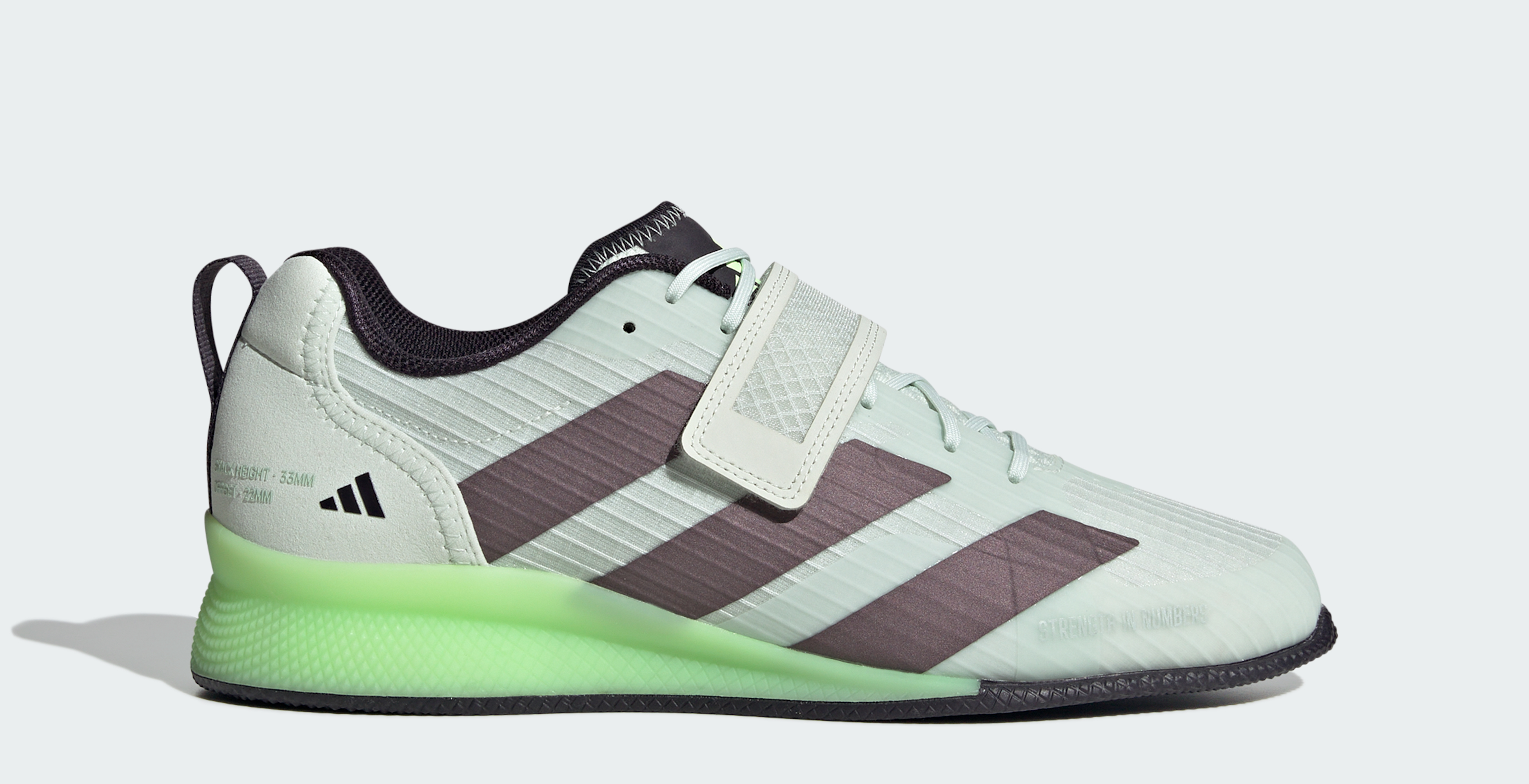
Credit: www.adidas.com
How Long Do Gym Shoes Usually Last?
The most common advice is to replace gym shoes every 300 to 500 miles of use, or after about six months to one year for regular gym-goers. But this is just a guideline.
Here’s a simple breakdown:
- High-impact activities (running, HIIT): 4 to 6 months
- Moderate use (gym classes, walking): 6 to 12 months
- Low-impact (occasional use): Up to 18 months
Insight: Gym shoes may look fine on the outside, but their support and cushioning can break down inside before you see any damage.
A Mileage-based Approach
If you track your running or walking distance, you can use mileage to decide when to replace your shoes. Here’s a comparison:
| Activity Level | Recommended Mileage | Approximate Months |
|---|---|---|
| Frequent Runner (5 days/week) | 300-400 miles | 4-6 months |
| Moderate Runner (2-3 days/week) | 400-500 miles | 7-12 months |
| Casual Walker/Gym-Goer | Up to 500 miles | 12-18 months |
Note: Not everyone tracks miles. Don’t worry—the next section explains what signs to look for.
Clear Signs It’s Time To Replace Your Gym Shoes
You don’t always need a calendar or a mileage app to know when your shoes are done. There are clear signs your gym shoes are no longer safe or comfortable.
1. Loss Of Cushioning
If your shoes feel flat, hard, or less bouncy, the cushioning is probably worn out. Good shoes should feel comfortable and absorb shock.
2. Worn Outsoles
Flip your shoes over. If the treads are smooth or you see holes, the outsole is finished. Lack of grip can cause slips and injuries.
3. Uneven Wear
Look for spots where the shoe is thinner, especially on the heel or forefoot. Uneven wear changes your alignment and can cause pain.
4. Pain Or Discomfort
Do you suddenly feel new aches in your feet, knees, or back? Old shoes may be to blame. Fresh pain is often a sign your shoes are no longer protecting you.
5. Broken Structure
If the shoe bends too easily, or the heel counter (the back part) is soft and floppy, support is gone.
6. Odor And Hygiene Issues
Bad smells, mold, or trapped moisture can make shoes unhealthy. Sometimes, shoes cannot be cleaned anymore and should be replaced.
7. Visible Damage
Large cracks, holes, or separated soles mean your shoes are at the end of their life.
Comparison: New Vs. Worn-out Gym Shoes
| Feature | New Gym Shoe | Worn-Out Gym Shoe |
|---|---|---|
| Cushioning | Soft, responsive | Flat, hard |
| Support | Firm heel, stable | Loose, unstable |
| Outsole Grip | Good tread, non-slip | Smooth, slippery |
| Odor | Minimal | Persistent, strong |
| Appearance | Clean, intact | Worn, damaged |
How To Make Your Gym Shoes Last Longer
While all gym shoes wear out, you can take steps to make them last as long as possible. Here are effective tips to extend their life:
1. Rotate Your Shoes
If you train often, use two or more pairs of gym shoes. Letting shoes rest between workouts helps them recover their shape and dry out.
2. Use Them Only For Exercise
Wearing your gym shoes everywhere (work, errands, etc. ) Will wear them out much faster. Change into gym shoes only at the gym.
3. Clean Them Regularly
Dirt, sweat, and bacteria break down shoes. Wipe them with a damp cloth after each workout. Remove insoles to air dry.
4. Store Properly
Keep your shoes in a cool, dry place. Avoid leaving them in hot cars or damp bags, which can warp materials.
5. Untie Before Removing
Don’t just kick off your shoes. Untie and loosen laces to avoid damaging the heel structure.
6. Avoid The Washing Machine
Hand-wash shoes when needed. Washing machines can weaken glue and foam.
Bonus Insight: Some shoe brands offer replacement insoles or parts. Changing insoles can add comfort, but it does not fix worn-out soles or support.
Dangers Of Wearing Old Or Worn-out Gym Shoes
It’s easy to ignore old shoes if they still feel comfortable. But the risks are real. Here’s what can happen if you don’t replace your gym shoes when you should:
1. Increased Injury Risk
Without proper support, your feet move the wrong way. This can lead to:
- Sprained ankles
- Plantar fasciitis (heel pain)
- Shin splints
- Stress fractures
2. Joint And Muscle Pain
Every step with bad shoes means more shock for your knees, hips, and back. Over time, this causes pain and even long-term damage.
3. Reduced Performance
Good shoes help you run faster, jump higher, and train longer. Worn-out shoes make you feel slow, tired, and less stable.
4. Hygiene Problems
Old shoes collect bacteria and fungus, leading to foot odor, athlete’s foot, or infections.
Non-obvious Insight: Even if you don’t feel pain now, damage can build up slowly. By the time you feel it, the problem may already be serious.

Credit: www.ironsidetraining.com
Gym Shoe Replacement: Activity-specific Guidance
Let’s look at how often you should change your gym shoes depending on your main activity.
Running
Runners put the most stress on their shoes. Most running shoes last about 300 to 500 miles. If you run 20 miles a week, that’s about 4 to 6 months.
- Tip: Track your miles using a fitness app or write them in a notebook.
- Sign: When you feel less bounce or see worn treads, replace them.
Walking
Walking is easier on shoes, but you still need to watch for signs of wear. Replace your walking shoes every 500 miles or when you see:
- Flat spots
- Sore feet after walks
- Outer sole is smooth
Weightlifting
Shoes for lifting weights focus on stability. They might last longer, up to a year or more if used only for lifting.
- Tip: Check the heel and sole for firmness. If shoes feel soft, support is gone.
Hiit/crossfit
These workouts use a lot of quick, side-to-side movement. Shoes can break down faster, especially the sides and soles. Replace every 6 to 9 months or sooner if you see damage.
Group Fitness Classes
Shoes for aerobics, Zumba, or dance wear out from jumps and twists. Watch for:
- Outsole smoothness
- Midsole feels thin
- Less ankle support
Replace every 6 to 12 months.
Indoor Vs. Outdoor
Indoor shoes usually last longer since there’s less dirt and rough surfaces. If you use your shoes outside, check them more often.
How To Track Your Gym Shoe Usage
Not everyone measures miles or months. Here are some simple ways to track shoe usage:
- Write the date you start using your shoes inside the tongue or on the box.
- If you use a fitness tracker, check your weekly mileage.
- Take a photo of your shoes when new. Compare them every few months.
- Note any new pain or discomfort. This can be an early warning.
Pro Insight: If you do several types of workouts, try to rotate at least two pairs of shoes. This makes each pair last longer and protects your feet.
Myths And Mistakes About Gym Shoe Replacement
Many people believe things about gym shoes that aren’t true. Let’s clear up some common myths:
Myth 1: Shoes Last Until They Look Bad
Reality: Shoes can lose support and cushioning long before they look worn. Trust how they feel, not just how they look.
Myth 2: Expensive Shoes Last Much Longer
While higher quality often means better durability, even expensive gym shoes wear out with time and use. Don’t keep them longer just because they cost more.
Myth 3: You Can "break In" Painful Shoes
If new shoes hurt after a few workouts, they may not be right for you. Don’t wait months hoping they will become comfortable.
Myth 4: Replacing Insoles Fixes Old Shoes
New insoles might add comfort, but they don’t repair worn-out soles or lost support.
Myth 5: You Only Need One Pair
Using the same pair for everything means faster wear. If you do many activities, consider having a few pairs for different workouts.
Special Situations: When To Replace Shoes Sooner
Sometimes you need to change your gym shoes faster than normal. Here are a few examples:
1. Injury Or Pain
If you develop a new injury or pain, old shoes might be part of the problem. Try a new pair to see if things improve.
2. Major Weight Change
If your body weight changes a lot, your shoes may wear out differently. Heavier weight can mean faster breakdown.
3. Extreme Weather
Wet shoes lose their support quickly. If your shoes get soaked often, check them more often for damage.
4. Intensive Training
Before a big event or training cycle, start with a fresh pair. This gives you the best support when you need it.
How To Choose The Best Replacement Gym Shoes
When it’s time for new gym shoes, here’s what to look for:
- Fit: Shoes should be snug but not tight. Leave a thumb’s width at the toe.
- Support: Choose the right support for your foot type (neutral, stability, or motion control).
- Cushioning: Enough to absorb shock, but not so soft you lose balance.
- Activity-specific design: Running shoes are different from lifting shoes or HIIT shoes. Choose for your main workout type.
- Breathability: Look for mesh or ventilated materials to keep feet dry.
- Weight: Lighter shoes are good for fast movements; heavier shoes add stability.
Tip: Try on shoes at the end of the day when your feet are slightly swollen, just like during a workout.
Shoe Comparison Example
Here’s a simple side-by-side look at shoe features for different activities:
| Shoe Type | Main Feature | Best For |
|---|---|---|
| Running Shoe | Cushioning, bounce | Running, cardio |
| Training Shoe | Side support, flexibility | HIIT, gym classes |
| Lifting Shoe | Flat sole, stability | Weightlifting |
| Walking Shoe | Light cushioning, comfort | Walking, casual gym use |
The Environmental Impact Of Replacing Gym Shoes
Every time you buy new gym shoes, you add to environmental waste. Many shoes are not easy to recycle. Here’s how you can reduce your impact:
- Donate old shoes if they’re still usable. Many charities accept them.
- Recycle through special programs. Some brands offer shoe recycling.
- Buy durable shoes to avoid frequent replacements.
- Look for eco-friendly brands that use recycled materials.
Insight: Old gym shoes can sometimes be used for gardening, painting, or other home projects before final disposal.

Credit: runtothefinish.com
Summary: How Long Should You Wear Gym Shoes?
To keep your workouts safe and comfortable:
- Replace gym shoes every 300 to 500 miles or 6 to 12 months for most users.
- Use your eyes and how you feel. If shoes are flat, sore, or slippery, it’s time to change.
- Rotate pairs and care for your shoes to make them last longer.
- Don’t wait for pain or big damage—prevention is better than cure.
If you’re unsure, ask a sports shoe expert at a local store, or check Runner’s World for more guidance.
Changing your gym shoes at the right time is a simple way to protect your body and enjoy your workouts. Listen to your feet—they know best.
Frequently Asked Questions
How Do I Know If My Gym Shoes Are Too Old?
If your gym shoes feel less comfortable, have flat cushioning, smooth soles, or new pain in your feet or legs, they are probably too old. You may also see cracks, holes, or a floppy heel.
Can I Use The Same Shoes For Running And Gym Workouts?
You can, but it’s not ideal. Running shoes are made for forward motion and cushioning. Gym workouts often need more side-to-side support. Using separate pairs helps each last longer and gives better support.
Does Cleaning My Gym Shoes Help Them Last Longer?
Yes. Regular cleaning removes sweat, dirt, and bacteria that break down shoe materials. Just avoid using washing machines or dryers, as they can damage shoes.
Is It Okay To Wear Gym Shoes For Daily Activities?
Wearing gym shoes for everyday use wears them out faster. It’s better to save them for workouts and use other shoes for daily walking.
What Is The Best Way To Recycle Old Gym Shoes?
Many brands and stores have shoe recycling programs. You can also donate shoes in good condition to charities. Some companies use old shoes to make playgrounds or running tracks.
Taking care of your gym shoes—and knowing when to say goodbye—keeps you healthy, comfortable, and ready for your next workout. Listen to your body, check your shoes often, and enjoy safe exercise every step of the way.
