

Why are Flare Pants Forbidden? Surprising Fashion Facts Revealed
Why Are Flare Pants Forbidden
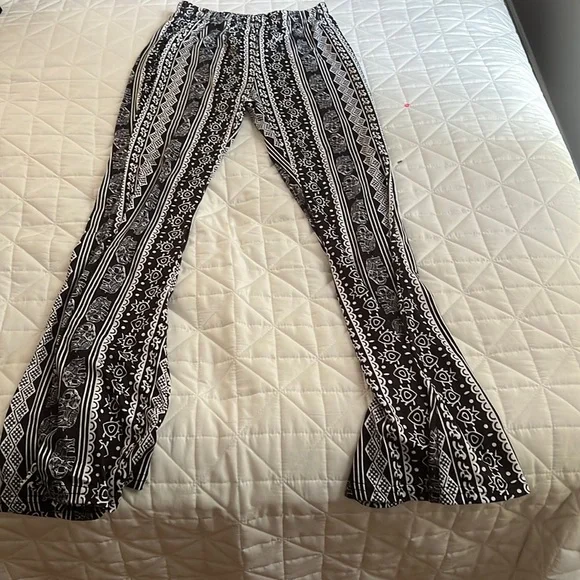
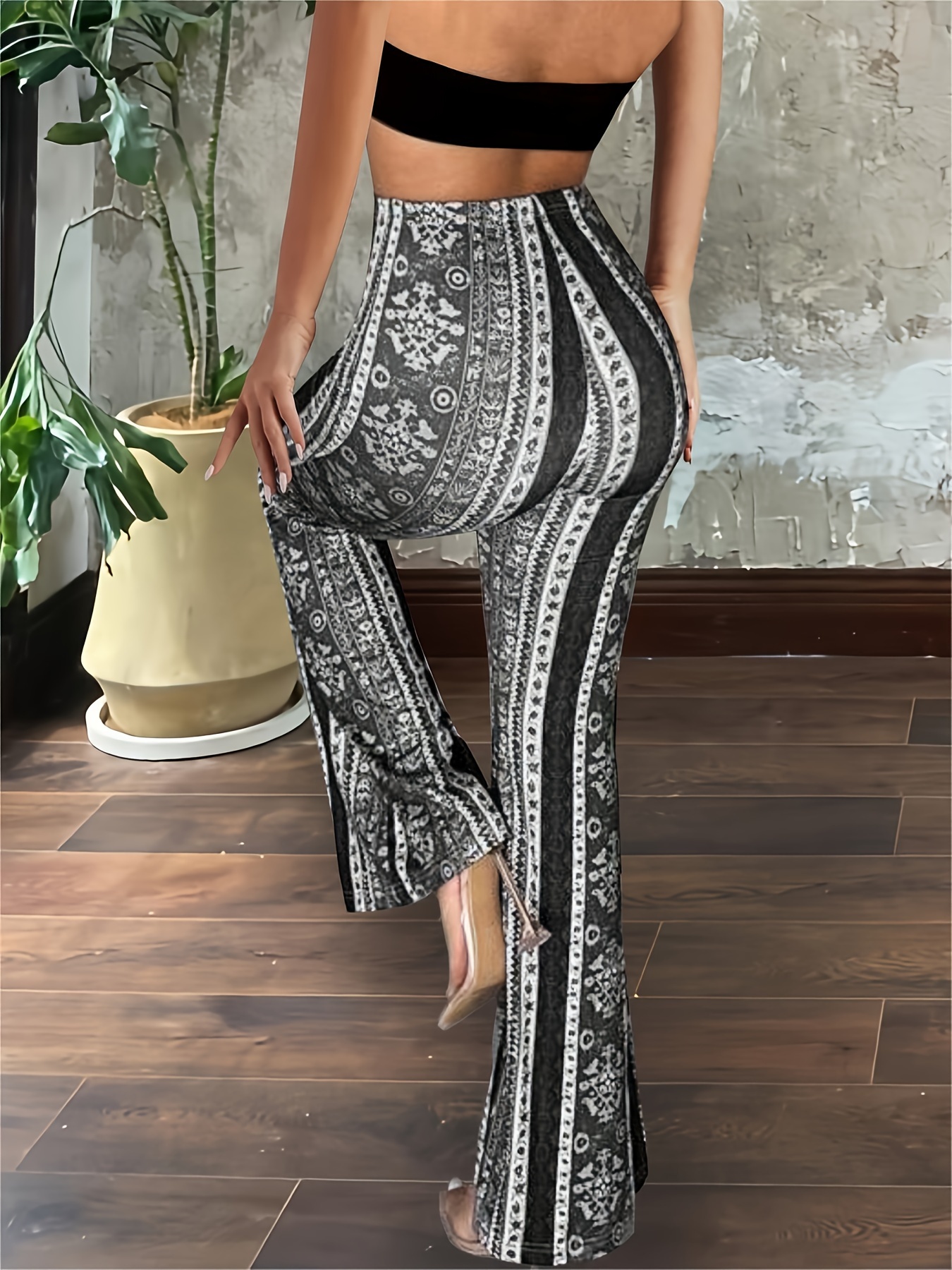
Flare pants have an unmistakable style—wide at the bottom, snug at the top. They’ve made waves on fashion runways and in the streets. Yet, in some places, you’ll hear that flare pants are forbidden. For many, this seems odd. Clothing is about expression, right? But the story behind these bans is deeper than fashion trends. It touches on culture, safety, discipline, and even politics. Understanding why flare pants are forbidden in certain settings can help you see how societies use clothing rules to send messages, protect people, or keep order.
This article explores the complex reasons behind the bans on flare pants. We’ll look at schools, workplaces, religious groups, and even some public spaces. You’ll learn about the practical, cultural, and sometimes surprising factors that lead to these rules. If you’ve ever wondered why a simple pair of pants could cause so much debate, keep reading.
You’ll find answers, real-life examples, and insights you might not expect.
The Roots Of Flare Pants Bans
Clothing bans often reflect bigger issues. When flare pants are forbidden, it’s rarely about the pants alone. It’s about what they mean, how they’re used, or what they might cause.
Flare Pants And Their Symbolism
Flare pants are not just a style. In some cultures, they represent rebellion or non-conformity. Fashion can signal membership in a group, or even resistance to authority. In some societies, flare pants became linked with youth movements that wanted change. This made them a target for rules and bans.
The Power Of Dress Codes
Institutions create dress codes to shape behavior. When flare pants are forbidden, it’s often about sending a message—about discipline, tradition, or unity. Some schools and workplaces want everyone to look similar. This makes enforcing rules easier. It also reduces distractions, at least in theory.
Flare Pants As A Safety Issue
In some jobs or activities, flare pants can be dangerous. Wide bottoms can get caught in machines, escalators, or even bicycle chains. For these environments, the ban isn’t about style—it’s about preventing injuries.
Settings Where Flare Pants Are Forbidden
Flare pants are not universally banned. But in certain places, rules are strict. Let’s look at the main settings where flare pants are often forbidden, and why.
Schools And Educational Institutions
Many schools have strict dress codes. The reasons for banning flare pants include:
- Uniformity: Schools want students to focus on learning, not fashion. Flare pants can draw attention, making some students stand out.
- Discipline: Administrators believe that strict dress codes encourage respect and order.
- Safety: Flare pants may cause students to trip, especially in crowded hallways or on stairs.
- Prevention of Bullying: Dress codes can reduce bullying based on clothing. If everyone dresses similarly, there are fewer chances for teasing.
Some schools even publish lists of forbidden clothing, with flare pants mentioned by name. Enforcement can be strict, with students sent home or given detention for breaking the rules.
Real Example
In some Asian countries, school uniforms are standard. Flare pants are seen as a break from the norm and are often not allowed. School leaders say this keeps the focus on studies and prevents group rivalries.
Workplaces With Safety Concerns
Certain jobs require special clothing. In manufacturing, construction, or kitchens, loose or wide clothing is a hazard.
- Machinery Risk: Flare pants can get caught in gears or moving parts.
- Fire Risk: In kitchens, wide pants might brush against open flames.
- Cleanliness: In labs or hospitals, flare pants can touch the floor, spreading germs.
Many companies have clear dress codes for safety. Workers are often required to wear fitted pants or uniforms.
Data Table: Workplace Dress Codes And Common Bans
| Industry | Common Clothing Bans | Reason for Ban |
|---|---|---|
| Manufacturing | Flare pants, loose sleeves | Machine entanglement |
| Food Service | Flare pants, open shoes | Fire, hygiene |
| Healthcare | Flare pants, jewelry | Infection control |
Religious Institutions
Some religious groups have clear rules about clothing. These rules may be based on tradition, modesty, or symbolism.
- Modesty: Flare pants may be seen as drawing too much attention.
- Uniformity: Some faiths encourage similar dress to reduce pride or vanity.
- Tradition: If a group has always worn a certain style, new trends like flare pants may be rejected.
For example, some religious schools or temples do not allow flare pants for either men or women. Instead, they require straight, plain trousers or skirts.
Military And Uniformed Services
In the military, police, and similar jobs, uniforms are about discipline and unity. Flare pants are not practical or allowed.
- Practicality: Uniforms are designed for movement and safety.
- Appearance: A uniform look shows order and teamwork.
- Tradition: Many forces have strict dress codes going back decades.
Flare pants break the visual line of the uniform. They also could make it harder to move quickly.
Public Transport And Event Venues
Some places, such as amusement parks, subway systems, or concert halls, may have dress codes. These are often about safety or crowd control.
- Escalator Safety: Flare pants can get caught in escalators.
- Trip Hazard: In crowded places, wide pants increase the risk of falls.
- Dress Code Policy: Some venues want a certain image or standard.
These bans are less common, but they do exist in some cities or venues.
Cultural And Social Influences
Fashion is never just about what you wear. It’s about what it means to the people around you.
Flare Pants And Rebellion
In some periods, flare pants have been a symbol of rebellion. They were worn by groups who wanted to stand out or challenge authority.
- Youth Movements: Flare pants were sometimes linked to protests or counterculture.
- Music and Media: Pop stars and bands made flare pants famous, influencing young people to copy the look.
When a style becomes linked with rebellion, schools and other authorities may ban it to avoid encouraging defiance.
Social Status And Group Identity
What you wear can signal your social status or group. Flare pants have been used to show that someone is “in” with a certain crowd.
- Peer Pressure: In places where flare pants are trendy, not having them can make someone feel left out.
- Group Rivalries: Sometimes, clothing styles are linked to rival groups. Banning flare pants can be a way to stop conflicts.
Gender And Flare Pants
In some cultures, certain clothing is seen as only for men or women. Flare pants, because of their shape, have sometimes been seen as “too feminine” or “not masculine enough”. Some institutions ban them based on these traditional ideas about gender.
Practical Concerns And Safety
Beyond culture and symbolism, there are practical reasons why flare pants may be forbidden.
Movement And Activity
Wide-legged pants can make movement harder in some situations:
- Sports and PE: In schools, flare pants can get in the way during gym class.
- Climbing Stairs: There’s a higher risk of tripping.
- Manual Work: In jobs where you bend or lift, flare pants can snag on objects.
Weather And Environment
In wet or dirty places, flare pants pick up more mud and water. This can make them less practical and more likely to be banned.
Data Table: Flare Pants Vs. Straight Pants In Practical Use
| Feature | Flare Pants | Straight Pants |
|---|---|---|
| Tripping Risk | Higher | Lower |
| Machine Safety | Poor | Good |
| Weather Protection | Collects dirt/water | Less collection |
| Uniformity | Lower | Higher |
Hygiene
Flare pants can drag on the ground, picking up dust, germs, or chemicals. In places like hospitals or kitchens, this is a major concern.
Dress Codes: How They Evolve
Dress codes are not fixed forever. They change with time and with society’s values.
Changing Fashion Trends
Sometimes, what is forbidden today becomes allowed tomorrow. As flare pants move in and out of style, rules can change.
- Fashion Cycles: Flare pants become popular, fade, and return.
- Institution Response: Rules may relax as the style loses its “shock value”.
Public Opinion And Pressure
If many people support a style, bans can be challenged. Students and workers have sometimes protested dress codes, leading to change.
- Petitions and Protests: Groups can ask for rules to be changed.
- Media Attention: News coverage can put pressure on rule-makers.
Legal Challenges
In some countries, strict dress codes have been challenged in court. People argue that banning flare pants limits freedom of expression. Courts sometimes agree, especially if the ban seems unfair or not related to safety.
Comparison Table: Main Reasons For Dress Code Changes
| Trigger for Change | Typical Outcome |
|---|---|
| Changing trends | Relaxed rules |
| Public campaigns | Policy review |
| Legal action | New guidelines |
| Safety incidents | Stricter enforcement |
Non-obvious Insights Beginners Miss
Most people think bans are just about style. But two key points are often missed:
- Flare pants can be a “proxy” for other issues. Sometimes, the ban is not about the pants, but about controlling group identity, discouraging protest, or keeping the peace. If a style is linked to a movement or controversy, it becomes a target.
- Dress code enforcement reveals power dynamics. Who makes the rules? Who is affected most? Often, young people or minorities are the ones whose styles are banned. It’s less about the clothing and more about maintaining control.
These insights explain why flare pants, a simple piece of clothing, can carry so much meaning.
Global Differences In Flare Pants Bans
The rules around flare pants are not the same everywhere.
Western Countries
In many Western countries, flare pants are usually allowed except in workplaces with safety rules. Schools may have more relaxed dress codes, though some private schools keep strict standards.
Asia And Middle East
In some Asian countries, traditional values are strong. Schools and offices often have uniforms or strict dress codes. Flare pants are sometimes seen as too casual or rebellious.
In the Middle East, modesty is important. Some styles of flare pants may be viewed as not modest enough, especially if they are tight at the top.
Africa And Latin America
Dress codes vary widely. In urban areas, Western fashions are common, but some schools and workplaces keep strict rules. In rural areas, traditional clothing is more common, and flare pants may not be popular or may be seen as inappropriate.
International Schools And Companies
Global organizations often set dress codes that avoid extremes. Flare pants may be allowed if they are not too wide or flashy.
How Flare Pants Bans Are Enforced
Rules are only as strong as their enforcement. Here’s how bans are put into practice:
- Warnings: First-time offenders are often warned.
- Detention or Suspension: In schools, repeat offenders may be punished.
- Sent Home: Students or workers may be sent home to change.
- Fines: In rare cases, fines are given for breaking dress codes.
- Job Loss: In workplaces, not following safety dress codes can lead to dismissal.
Some places use spot checks, while others have staff watching at the entrance. Enforcement is often stricter where safety is a concern.

Credit: poshmark.com
Psychological Effects Of Dress Codes
Banning flare pants (or any style) can affect how people feel.
- Loss of Expression: Some feel they can’t show their personality.
- Resentment: Strict rules can cause frustration or rebellion.
- Belonging: Uniforms can make people feel part of a group, but also less unique.
- Focus: Some studies show that uniforms reduce distractions, but the evidence is mixed.
Dress codes can help in some ways, but they can also create tension.
Flare Pants: Fashion Comebacks And Future Trends
Even when forbidden, flare pants have a way of coming back. Fashion is cyclical. What’s banned today may be celebrated tomorrow.
- Celebrity Influence: When famous people wear flare pants, trends can shift quickly.
- Social Media: Fashion spreads fast online, challenging old rules.
- Design Tweaks: Designers may create “hybrid” pants that are wide but not too wide, to fit within dress codes.
Institutions must decide whether to adapt or keep old rules.
How To Choose Pants For Dress-code Environments
If you’re in a place where flare pants are forbidden, what should you wear?
- Check the Dress Code: Always start with the official rules.
- Opt for Straight or Tapered Pants: These are usually safe and accepted.
- Look for Comfort: Choose materials that allow movement.
- Avoid Excessive Decoration: Simple is often best.
- Ask for Clarification: If in doubt, ask a teacher, manager, or leader.
Sometimes, you can suggest changes if you think a rule is outdated, but always do this respectfully.
What To Do If You Disagree With A Ban
If you feel a ban is unfair, there are steps you can take:
- Start a Conversation: Ask for the reasons behind the rule.
- Gather Support: See if others feel the same.
- Offer Alternatives: Suggest safer or more acceptable styles.
- Propose Pilot Programs: Test new styles in a small group first.
- Use Official Channels: Many schools and companies have ways to request rule changes.
Remember, change can take time. Be patient and respectful.
Credit: poshmark.com
Flare Pants In Pop Culture
Flare pants are not just about rules—they’re part of music, movies, and art. They’ve been worn by rock stars, movie icons, and fashion designers. This cultural influence keeps the style alive, even when banned in some places.
Celebrities have sometimes challenged bans by wearing flare pants to important events, making headlines and sparking debate. This shows how fashion and rules are always in conversation.
Alternatives To Flare Pants
If you love the look but can’t wear flare pants, try these options:
- Bootcut Pants: Slightly wider at the bottom, but less extreme.
- Straight-Leg Pants: Classic and widely accepted.
- Tapered Pants: Narrow at the ankle, but can be stylish.
- Culottes: Wide and comfortable, but usually stop at the calf.
Try different styles to see what works for you and your environment.
Credit: www.temu.com
Are Flare Pants Forbidden Forever?
Rules change with society. Many bans are reviewed over time. If flare pants are forbidden now, they may be allowed in the future—especially if safety or discipline reasons become less important.
Fashion reflects what people care about. As values shift, so do dress codes. What matters most is understanding why rules exist—and finding ways to express yourself within them.
For more about how fashion rules evolve in society, you can read this detailed analysis on Wikipedia.
Frequently Asked Questions
Why Are Flare Pants Considered A Safety Risk In Workplaces?
Flare pants have wide bottoms that can get caught in machines, doors, or on stairs. In jobs with moving parts or open flames, this is dangerous. Most workplaces prefer fitted pants to keep workers safe and avoid accidents.
Are Flare Pants Banned In All Schools?
Not all schools ban flare pants. Public schools in some countries may allow them, but private or religious schools often have stricter rules. It’s best to check your school’s dress code for specific rules about pants.
Do Flare Pants Have A Negative Cultural Meaning?
In some places and times, flare pants have been linked to rebellion or non-conformity. This can make them controversial. However, in many cultures, they are just another fashion choice. The meaning depends on local history and current trends.
Can Flare Pants Be Part Of A Uniform?
Usually, uniforms are designed for unity and safety. Flare pants do not fit these goals in most cases. However, some creative industries might allow or even encourage them as part of a specific “look. ”
Is It Possible To Change A Rule About Flare Pants?
Yes, it’s possible but can take time. You can talk to school or workplace leaders, gather support, and suggest alternatives. If the ban is not about safety, rules are sometimes updated as trends change.
Fashion rules are about more than just style—they reflect safety, culture, and identity. Understanding why flare pants are forbidden helps you navigate these rules and express yourself in any environment.
