

When's the Best Time to Workout for Maximum Results?
When’s The Best Time To Workout
Finding the best time to work out is a question many people ask. You may wonder if exercising in the morning is better than in the evening, or if squeezing in a session during lunch brings better results. The truth is, the answer is not simple.
The “best” time to work out depends on your goals, body clock, lifestyle, and even your mood. Some people feel energetic at sunrise, while others feel most powerful after sunset. Understanding how timing affects your body and mind can help you create a routine that sticks—and gets results.
In this article, you’ll learn how your body’s internal clock works with exercise, what science says about morning, afternoon, and evening workouts, and how to pick the right time for you. We’ll look at fat loss, muscle growth, energy levels, and practical tips for every situation.
You’ll also find real examples, expert insights, and answers to common questions. If you want to get the most from your fitness routine, this guide will help you make smart choices that fit your life.
How Your Body Clock Affects Your Workout
Your body has a natural cycle called the circadian rhythm. This 24-hour clock controls your sleep, energy, hormones, and body temperature. These rhythms affect how your body responds to exercise at different times of the day.
What Is Circadian Rhythm?
The circadian rhythm is controlled by your brain. It tells your body when to wake up, when to sleep, and even when to feel hungry. Body temperature, heart rate, and hormone levels change during the day. These changes can make you feel more alert or more tired.
Why Does It Matter For Exercise?
Your strength, power, and endurance can go up or down based on the time of day. For example, your body temperature is usually lowest in the early morning and highest in the late afternoon. Warmer muscles can move better and are less likely to get injured. Hormone levels like cortisol and testosterone also change during the day, affecting fat loss, muscle growth, and energy.
Non-obvious Insight
Many beginners think only motivation matters. But your circadian rhythm can make some times easier to exercise, even with low willpower. If you find it hard to stick to a routine, matching your workout to your body clock can help.
Morning Workouts: Benefits And Drawbacks
Exercising in the morning is popular for people with busy schedules. For some, it’s the only time they can fit in a session. But is it the best time for everyone?
Benefits Of Morning Workouts
- Boosts Energy for the Day: Morning exercise increases blood flow and releases hormones like endorphins, which help you feel awake and positive.
- May Help with Fat Loss: Studies show that people burn more fat when working out before breakfast, because the body uses stored fat for energy.
- Builds a Consistent Habit: Morning workouts are less likely to be interrupted by work, family, or other plans.
- Improves Focus: Exercise in the morning can sharpen your mind, making you more productive.
- Better Sleep at Night: People who exercise early often fall asleep faster and sleep more deeply.
Drawbacks Of Morning Workouts
- Lower Body Temperature: Muscles and joints are stiffer in the morning, which can increase injury risk if you skip warming up.
- Less Strength and Power: Research suggests peak muscle strength and endurance are usually in the afternoon or evening.
- Motivation Can Be Low: Not everyone feels energetic at sunrise, especially if you’re not a “morning person.”
- Harder for High-Intensity Training: If you need to perform at your best, morning may not always be ideal.
Example
If you need to leave for work at 8 am, a 6:30 am workout might fit your routine. But warming up is extra important—spend at least 10 minutes stretching and doing light movements before lifting weights or running.
Afternoon Workouts: The Science And Reality
Afternoon is often overlooked, but for many, it’s the “sweet spot” for performance. Between lunch and dinner, your body is warmed up, and your mind is alert.
Why The Afternoon May Be Best
- Higher Body Temperature: Your muscles are naturally warmer, reducing the risk of injury.
- Strong Performance: Studies show most people are strongest and fastest between 2 pm and 6 pm.
- Balanced Hormones: Testosterone, which helps with muscle building, is still high in the afternoon.
- Lower Perceived Effort: You may feel workouts are “easier,” even if you’re working hard.
Real-world Benefits
If you train for sports or heavy lifting, afternoon sessions can give you the best mix of strength and energy. Group classes and team sports often happen in the late afternoon for this reason.
Drawbacks
- Schedule Conflicts: Work, school, or meetings can make it hard to find time.
- Post-Lunch Slump: Some people feel sleepy after lunch. A light snack or a short walk before your workout can help.
Example
If you finish work at 5 pm, a 5:30 pm session gives you the benefit of a fully awake body but isn’t too late to disrupt your evening.
Evening Workouts: Pros, Cons, And Surprising Facts
For many, evening is the only free time for exercise. Gyms are busy, classes are available, and you can blow off steam after a long day.
Pros Of Evening Workouts
- Peak Strength and Endurance: Studies often find personal bests are set in the evening.
- Stress Relief: Exercise helps you relax after work or school, lowering cortisol (stress hormone).
- More Time to Warm Up: You’re less likely to rush your warm-up or workout.
- Flexible Schedule: Fewer time pressures, so you can focus on your routine.
Cons Of Evening Workouts
- Can Interfere with Sleep: High-intensity workouts late at night may make it harder to fall asleep.
- Crowded Gyms: Evenings are peak hours, so you may have to wait for equipment.
- Social and Family Commitments: Dinners, events, or family time can compete with your workout.
Surprising Fact
Some people experience a “second wind” in the early evening. If you feel tired after work, a short walk or snack can help you get motivated.
Example
If you have family time until 8 pm, a 9 pm workout might work. Keep it moderate—avoid heavy lifting or intense cardio if you notice sleep problems.
Comparing Morning, Afternoon, And Evening Workouts
To help you decide, here’s a comparison of the main benefits and challenges for each time period.
| Time of Day | Main Benefits | Main Challenges |
|---|---|---|
| Morning | Boosts energy, better sleep, builds routine, may burn more fat | Stiff muscles, lower strength, motivation can be low |
| Afternoon | Peak performance, warmer muscles, high testosterone | Schedule conflicts, post-lunch sleepiness |
| Evening | Peak strength/endurance, stress relief, flexible | Can affect sleep, crowded gyms, social conflicts |
How Workout Timing Affects Goals
Your best time to exercise can depend on your fitness goal. Here’s how different times may help you reach your target.
For Fat Loss
Some research suggests fasted morning workouts may help burn more fat. This is because your body uses stored fat when you exercise before eating. However, the difference is small for most people. The key is to exercise regularly, not just focus on timing.
Non-Obvious Insight: Consistency matters more than timing. If you only manage morning workouts once a week but can go every evening, choose the evening.
For Muscle Building
Testosterone is highest in the morning, but strength and power peak in the afternoon and evening. For most people, lifting weights later in the day helps you use heavier weights and recover faster.
For Endurance
Studies show endurance (like running or cycling) is slightly better in the late afternoon or evening. Your lungs and heart work more efficiently when your body is warmer.
For Better Sleep
Morning workouts usually help you sleep better at night. Evening workouts can disrupt your sleep if you finish less than 1 hour before bed.
Practical Example
If you want to build muscle, try to lift weights in the late afternoon. If your goal is better sleep, choose morning sessions.
Personal Factors: What Should You Consider?
Every person is different. Your best workout time depends on more than just science. Here’s what else to consider:
Your “chronotype”
Are you a morning person or a night owl? If you feel most awake early, use that energy. If you’re slow to start but feel energetic late, evening workouts might be best.
Work And Family Schedule
Busy parents or shift workers may only have one option. The best workout is the one you can do regularly, even if it’s not “perfect. ”
Meal Timing
Some people feel weak if they exercise without eating. Others do fine with fasted workouts. Try different times and see what fits your body.
Social Support
Working out with friends or joining a class can boost motivation. If your friends meet in the evening, that might be your best time.
Recovery And Injury
If you have joint pain or past injuries, avoid cold morning workouts. Afternoon or evening sessions may reduce stiffness.
Real-world Example
A new parent may only have 20 minutes after the baby’s nap. A student with night classes may need to exercise in the morning. The key is to find what works for your life.
Popular Myths About Workout Timing
Many myths exist about the “best” time to exercise. Let’s look at the facts.
- Myth: You must work out in the morning to see results.
- Truth: Any time of day can be effective if you are consistent.
- Myth: Evening exercise is bad for sleep.
- Truth: For most people, moderate evening workouts do not harm sleep. Only very intense late-night sessions can cause problems.
- Myth: Fat loss only happens with fasted morning workouts.
- Truth: Total calories burned matters more than timing.
- Myth: Afternoon workouts are for athletes only.
- Truth: Anyone can benefit, not just professionals.
- Myth: Hormones are the only thing that matter.
- Truth: Hormones help, but motivation, routine, and energy are just as important.
Credit: www.ymcamidtn.org
How To Choose Your Best Workout Time
Here’s a step-by-step way to find your ideal time:
- Track Your Energy: For one week, write down when you feel most awake and strong.
- Test Different Times: Try short workouts in the morning, afternoon, and evening.
- Check Your Schedule: Block out time when you’re least likely to be interrupted.
- Notice Performance: Which time feels best? When do you recover fastest?
- Adjust as Needed: Life changes. Be flexible and adjust if needed.
Sample Workout Schedules For Different Lifestyles
You may find it helpful to see some example schedules.
| Lifestyle | Suggested Workout Time | Why It Works |
|---|---|---|
| Busy Professional | Early Morning (6–7 am) | Less chance of work conflicts, builds routine |
| Student | Late Afternoon (4–5 pm) | After classes, more energy than morning |
| Stay-at-Home Parent | Mid-Morning (10–11 am) | After school drop-off, before lunch chores |
| Shift Worker | Right after waking up | Keeps routine, matches body clock |
Non-Obvious Insight: If your schedule changes weekly, set a “floating” workout time—commit to exercising within a 3-hour window, not a fixed time.
Tips For Making Any Workout Time Work
No matter when you exercise, you can get great results. Here are practical tips to help you succeed:
- Warm Up Properly: In the morning, spend extra time warming up to avoid injuries.
- Stay Hydrated: Drink water before, during, and after your workout, especially if exercising later in the day.
- Eat Smart: Have a light snack if you feel tired or weak.
- Plan Ahead: Pack your workout clothes and gear in advance.
- Listen to Your Body: If you feel pain or extreme fatigue, adjust your timing or routine.
- Stay Consistent: Regular exercise matters more than perfect timing.
- Log Your Results: Track how you feel and your progress to find your ideal time.
How Workout Timing Affects Nutrition And Supplements
The time you exercise can affect what and when you eat.
Pre-workout Food
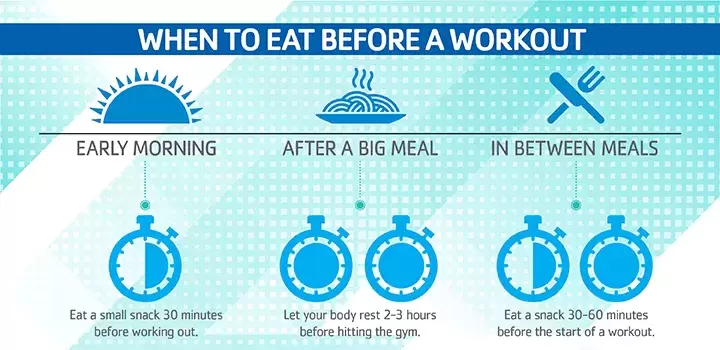
- Morning: If you exercise before breakfast, choose a small snack like a banana if you feel dizzy.
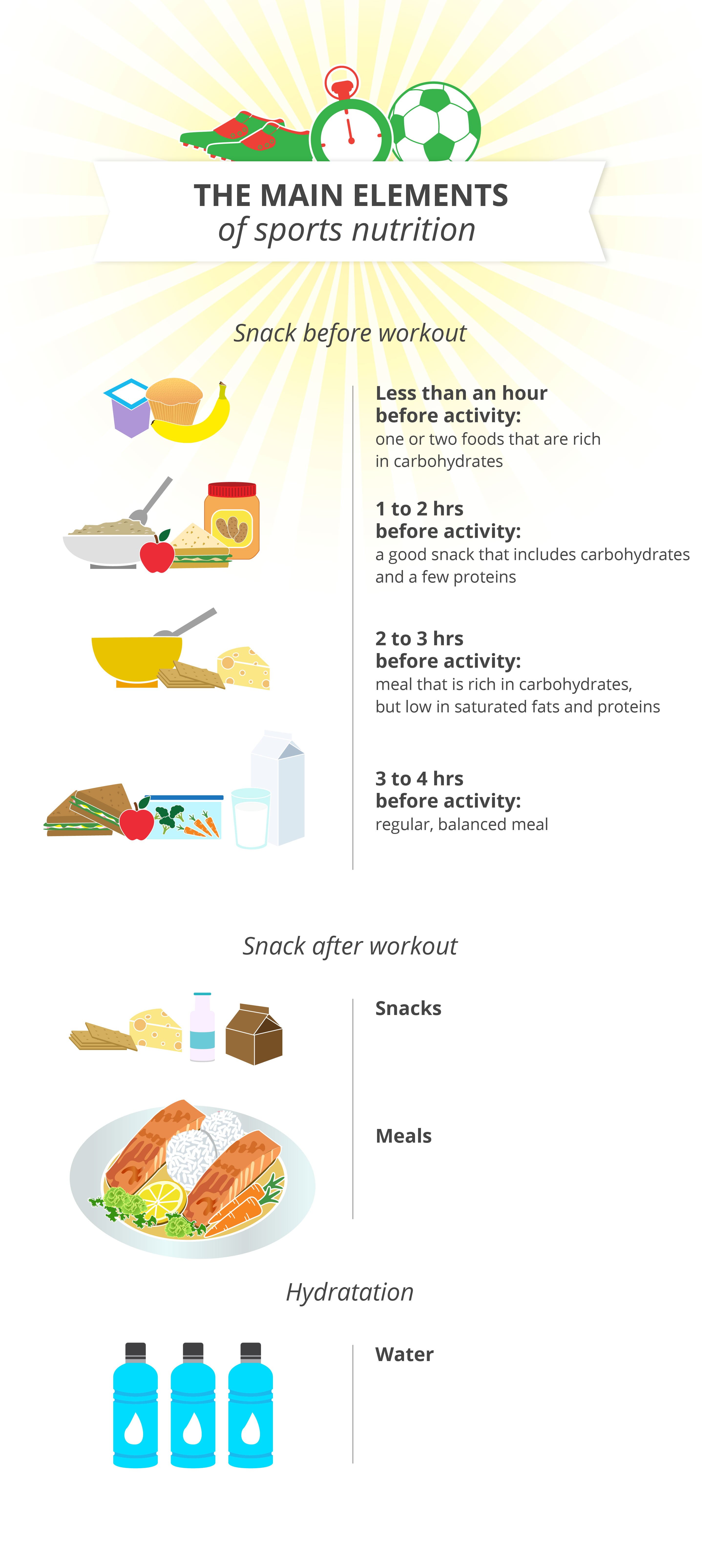
- Afternoon/Evening: Eat a balanced meal 1–2 hours before, with carbs and protein.
Post-workout Recovery
- Have a meal or snack within 1 hour of finishing, especially after intense sessions. Include protein (like eggs or yogurt) and carbs (like fruit or toast).
Supplements
- Caffeine: If you use pre-workout caffeine, avoid it late in the day to prevent sleep problems.
- Protein: Can be taken any time; timing is less important than total daily intake.
Special Cases: When Timing Really Matters
Most people can exercise at any time, but for some, timing is more important.
Athletes
Training is often matched to competition time. If your race is at 7 pm, practice at that hour when possible.
People With Medical Conditions
If you have diabetes, check your blood sugar before and after. If you have heart problems or take medication, ask your doctor for advice.
Fasting Or Religious Observance
If you fast for religious reasons, plan workouts during times when you can eat and drink, or keep sessions light.
What Science Really Says
Research shows that the best time to work out is the time you can do consistently. For most people, performance is best in the afternoon or evening, but benefits are found at any hour. If you want to see the science, check this NIH study on exercise timing.
Credit: fitcombustiveis.com.br
How To Stay Motivated, Whatever Time You Choose
Motivation can change, but these tips can help you keep moving.
- Set Clear Goals: Know why you’re exercising.
- Find a Buddy: Workout with friends or join a class.
- Use Music: Good music can boost your mood and energy.
- Track Progress: Small wins keep you going.
- Forgive Missed Days: Life happens. Get back on track without guilt.
Summary Table: Best Workout Time By Goal
| Goal | Best Time | Key Reason |
|---|---|---|
| Fat Loss | Morning (fasted) | May burn more fat |
| Muscle Building | Afternoon/Evening | Peak strength, warmer muscles |
| Endurance | Afternoon/Evening | Better cardiovascular performance |
| Better Sleep | Morning | Does not disrupt sleep |

Credit: www.jillianmichaels.com
Frequently Asked Questions
Is It Bad To Work Out At Night?
For most people, evening workouts are safe and effective. However, intense sessions right before bed may make it harder to fall asleep. If you notice sleep problems, try finishing exercise at least an hour before bedtime.
Will I Lose More Weight If I Exercise In The Morning?
Some studies show a small increase in fat burning with morning workouts, especially before breakfast. But overall, total calories burned and a healthy diet are more important for weight loss than exercise timing.
What If I Can Only Exercise At Different Times Each Day?
That’s okay. Consistency in total weekly activity matters more than a fixed time. Try to keep a routine, but don’t worry if your schedule changes. Listen to your body and adjust as needed.
Does The Best Workout Time Change With Age?
As you age, you may notice changes in energy and recovery. Some older adults prefer morning for structure, while others feel stronger in the afternoon. The most important thing is to stay active and choose a time that fits your lifestyle.
Should I Eat Before Or After My Workout?
If you exercise in the morning, a small snack may help. For afternoon or evening sessions, eat a balanced meal 1–2 hours before. Always eat something with protein and carbs after your workout to support recovery.
Working out is a journey, not a race. The “best” time is the time that helps you stay consistent, feel good, and reach your goals. Whether it’s sunrise, lunchtime, or late at night, every workout counts. Listen to your body, experiment, and enjoy the process—your health is worth it.
