

What Should You Not Wear to the Gym: Top Fashion Mistakes
What Should You Not Wear To The Gym
Walking into a gym is often a fresh start—a place to focus on your health, build strength, and boost your confidence. Yet, what you wear can impact your workout more than you might realize. The wrong clothing can distract you, limit your movements, and even put you at risk for injury or embarrassment.
Many people, especially beginners, make mistakes when choosing gym outfits. This guide will help you avoid common pitfalls by explaining what you should not wear to the gym, why it matters, and how to make better choices. Whether you’re a first-timer or someone looking to refine their fitness wardrobe, understanding these points can help you get the most from your gym experience.
Why Gym Clothing Choices Matter
Gym clothing is not just about looking good. The right gear supports your movements, keeps you comfortable, and helps prevent injury. Clothes that are too tight, too loose, or made from the wrong materials can cause problems. For example, a shirt that traps sweat may lead to skin irritation or even make you sick.
Shoes without support can cause pain or injuries over time. It's not just about fashion—it's about function and safety. Many gyms also have dress codes for hygiene and safety reasons. Understanding what not to wear can help you fit in and avoid uncomfortable situations.
Shoes: What To Avoid And Why
Your feet take a lot of pressure during exercise. Wearing the wrong shoes can ruin your workout and even cause lasting damage. Here are some shoes you should never wear to the gym:
1. Sandals Or Flip Flops
Sandals offer no support and leave your feet exposed. In a gym, heavy equipment and moving parts are everywhere. One dropped weight could cause a serious injury. Flip flops also make it easy to slip, trip, or stub your toes.
2. Old Or Worn-out Sneakers
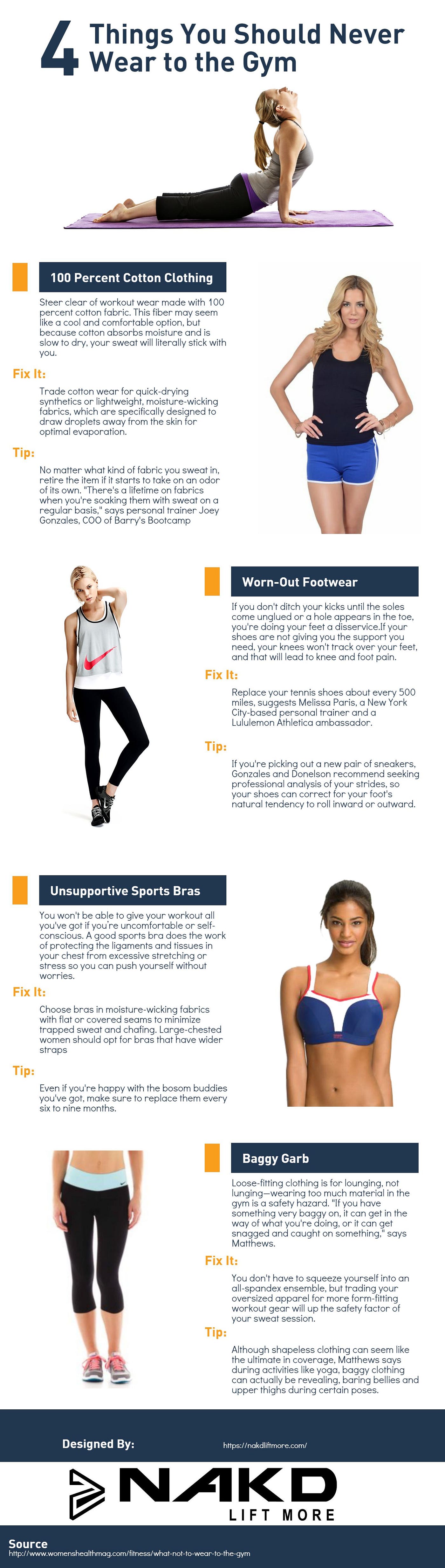
Even if they feel comfortable, old shoes can lose their grip and cushioning. This increases your risk of slipping or hurting your joints. Many people keep using their favorite sneakers for too long, not realizing how much the support has faded.
3. Barefoot Or Socks Only
Some believe working out barefoot improves balance. But in most gyms, this is unsafe. Floors can be dirty or slippery, and you risk stepping on something sharp. Socks alone offer no grip and increase your chance of falling.
4. Dress Shoes Or Boots
You might think this is obvious, but it happens. Dress shoes are stiff, slippery, and not made for movement. Boots are heavy and restrict foot movement, making exercise awkward and unsafe.
5. Running Shoes For Weightlifting
Running shoes are designed for forward motion, not heavy lifting. They have soft soles that can make you unstable during squats or deadlifts. Many lifters use flat-soled shoes for better balance.
Key insight: Many people don’t realize that shoe choice should change with the exercise. For example, what works for treadmill running may not be safe for lifting weights.
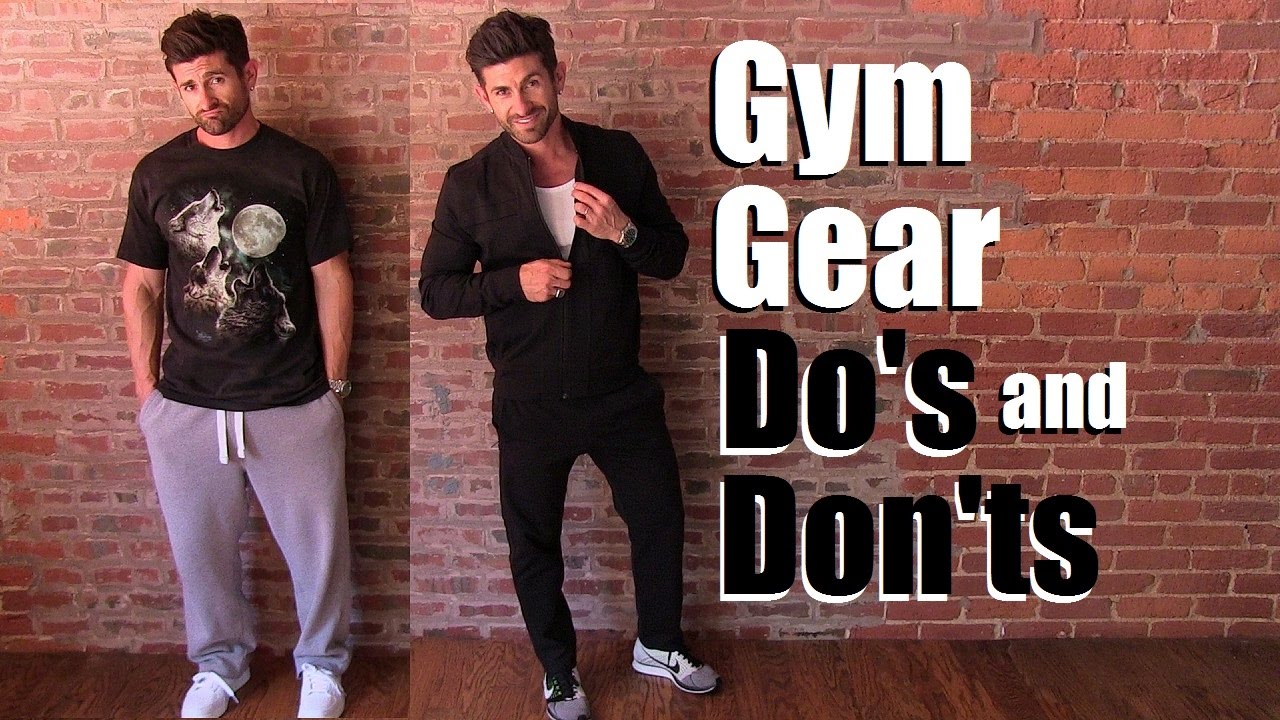
Credit: www.youtube.com
Clothing Materials To Steer Clear Of
The fabric of your clothing affects how you feel and perform. Some materials are uncomfortable, trap sweat, or even cause skin problems.
1. 100% Cotton
Cotton feels soft but absorbs sweat and dries slowly. You’ll end up wearing a heavy, wet shirt that clings to your body. This can lead to chills or chafing, especially in air-conditioned gyms.
2. Wool Or Heavy Fabrics
Wool is warm but not breathable. Heavy fabrics make you overheat quickly, especially during cardio. You’ll sweat more, lose fluids faster, and tire out sooner.
3. Non-breathable Synthetics
Some cheap polyester clothes trap heat and sweat. This makes you feel sticky and can cause rashes or acne. Always look for “moisture-wicking” labels, which means the fabric moves sweat away from your skin.
4. Plastic Or Rubber Suits
Some people wear these to “sweat more” and lose weight quickly. In reality, they cause dehydration, dizziness, and even dangerous overheating. Losing water weight is not the same as losing fat.
Data comparison: Fabric Performance
| Material | Breathability | Moisture Control | Comfort for Gym |
|---|---|---|---|
| 100% Cotton | Low | Poor (holds sweat) | Poor |
| Wool | Medium | Medium | Fair (can overheat) |
| Cheap Polyester | Low | Poor (traps sweat) | Poor |
| Moisture-wicking Synthetic | High | Good | Excellent |
Non-obvious tip: Even if a shirt is labeled “athletic,” always check the fabric content. Not all “sport” clothes are made for sweat control.
Ill-fitting Clothing: Too Loose Or Too Tight
The fit of your clothing can be just as important as the fabric.
Too Loose
Baggy clothes might feel comfortable, but they can catch on equipment and get in the way. Oversized shirts or pants make it hard to see your body’s movements in the mirror, which is important for checking your form. Loose shorts can ride up or slip down during exercises, causing embarrassment.
Too Tight
Skin-tight clothing can restrict blood flow and limit your movement. Very tight leggings, tops, or compression gear may look good but can cause discomfort and even numbness. Overly tight clothes also highlight sweat patches and can make you self-conscious.
Non-obvious insight: Many people wear clothes that are too tight thinking it will give them support, but true compression gear is different from just “tight clothes.” Proper compression wear is designed to boost circulation, not limit it.
Fashion Over Function: Styles To Avoid
Some trends look great outside the gym but don’t work well for exercise.
1. Jeans Or Denim Shorts
Denim is stiff and restricts movement. Sweating in jeans is uncomfortable and can cause painful rashes.
2. Button-down Shirts Or Collared Shirts
These are not made for exercise. The fabric doesn’t stretch, and buttons can dig into your skin during movements like crunches or pushups.
3. Fashion Belts Or Large Accessories
Belts, large watches, or bracelets can get caught on equipment or pinch your skin. They serve no purpose and can be dangerous.
4. Off-the-shoulder Tops Or Strapless Bras
These may look stylish but offer no support. They often slip during movement, requiring you to adjust your outfit constantly.
5. Clothes With Excessive Zippers Or Studs
Extra decorations can scratch you or damage gym equipment. They can also make it uncomfortable to lie flat on a bench.
Jewelry: What Not To Wear
Jewelry is often overlooked, but it can cause real problems.
1. Necklaces
Chains can get tangled or caught on machines. If you’re doing fast movements, they can hit you in the face or chest.
2. Rings
Metal rings can dig into your fingers when gripping weights. They can also get stuck if your fingers swell during exercise.
3. Dangling Earrings
Long earrings can snag on clothing or equipment. Even small hoops can cause injuries if caught by accident.
4. Watches And Bracelets
Bulky watches and bracelets can press into your wrist, block blood flow, or break during heavy lifts.
Table: Jewelry Hazards in the Gym
| Type of Jewelry | Risk | Better Alternative |
|---|---|---|
| Necklaces | Snagging, choking | Remove or wear short, tight chain if necessary |
| Rings | Pinching, swelling, stuck fingers | Leave at home or use silicone band |
| Earrings | Snagging, earlobe injury | Small studs only |
| Watches/Bracelets | Breakage, blocking movement | Fitness tracker or nothing |

Credit: www.youtube.com
Inappropriate Gym Attire: What Crosses The Line
Gyms are public places. Some outfits are not just impractical—they may be against the rules.
Offensive Or Revealing Clothing
Clothes with offensive language, graphics, or political statements can create an uncomfortable environment for others. Revealing outfits, like see-through leggings or extremely low-cut tops, can also be distracting and may violate gym policies.
Streetwear
Clothes meant for the street, like cargo pants or hooded coats, are not made for sweating or moving. They add bulk, trap heat, and can damage machines.
Underwear As Outerwear
Wearing only a sports bra or just compression shorts might be accepted in some gyms, but in many places, it’s considered inappropriate. Always check your gym’s dress code to avoid surprises.
Non-obvious insight: Some gyms have “no skin” policies, which means both men and women must cover their torso and upper legs. Always read posted rules.
Hygiene Hazards: What Not To Wear For Cleanliness
Hygiene is a big concern in shared gym spaces. Some clothing choices can spread germs or cause skin problems.
1. Dirty Or Unwashed Clothes
Wearing yesterday’s sweaty shirt or socks is a fast way to spread bacteria and cause bad odors. Clean clothes are not just polite—they protect your skin from infections like ringworm or athlete’s foot.
2. Clothes That Don’t Breathe
Non-breathable materials trap moisture, making it easier for bacteria and fungi to grow.
3. Sharing Gloves Or Towels
Never share workout gloves or towels. This spreads germs quickly. Bring your own and wash them regularly.
4. Heavy Makeup Or Fragrances
While not clothing, thick makeup or strong scents can mix with sweat, clog pores, or cause allergic reactions in others. It’s best to go natural.
Outerwear: When To Leave It Behind
Sometimes it’s tempting to keep your jacket or hoodie on during the first part of your workout. While a light layer for warm-up is fine, heavy outerwear is a bad idea.
- Bulky Jackets and Hoodies
They limit your range of motion and make you overheat quickly. Zippers and hoods can get caught on machines.
- Scarves or Hats
Loose scarves can get tangled, and hats trap heat. In rare cases, hats can fall off during head movements, distracting you or others.
Practical tip: If you need to warm up, wear layers you can easily take off after a few minutes.
Wrong Types Of Supportive Gear
Supportive gear like belts, gloves, and braces can help, but only if used correctly.
Weightlifting Belts For Cardio
Some people wear weightlifting belts for all exercises, thinking they protect their back. In reality, they are only useful for heavy lifts. Wearing them during cardio or stretching is unnecessary and may even weaken your core muscles over time.
Compression Gear Misuse
Compression socks or sleeves are helpful for circulation, but wearing them too tightly or for the wrong activity can cause numbness or swelling.
Incorrect Gloves
Some gym gloves are too thick or made of non-breathable material, which can cause sweaty hands. Choose gloves designed for your specific workout.
Special Considerations For Women
Women face unique challenges when choosing gym wear.
Unsupportive Bras
A regular bra is not enough for exercise. Without a sports bra, you risk discomfort, pain, and even long-term sagging. Choose a sports bra that matches your activity level—light support for yoga, high support for running.
Sheer Or Transparent Leggings
Some leggings become see-through when stretched. Test your leggings at home by bending over in front of a mirror. If you can see your underwear, others can too.
Skirts Or Dresses
Even sports skirts can ride up or restrict movement. Shorts or leggings are a safer, more comfortable choice.
Special Considerations For Men
Men also have specific clothing mistakes to avoid.
Baggy Basketball Shorts
While comfortable, very loose shorts can ride up or show too much during certain exercises. Choose fitted, moisture-wicking shorts instead.
Going Shirtless
Some men prefer to exercise without a shirt. However, most gyms require shirts for hygiene reasons. Sweat spreads more easily without a shirt, and shared equipment gets dirty faster.
Underwear-only
Just like women, men should not wear only underwear or compression shorts. It is both unhygienic and against most dress codes.
Changing Seasons: Adapting Your Gym Wear
Your gym outfit should change with the seasons, but not all seasonal gear is gym-appropriate.
In Hot Weather
- Avoid heavy or dark clothing. It traps heat and makes you sweat more.
- Don’t wear open-toed shoes. Even in summer, your feet need protection.
In Cold Weather
- Skip thick jackets or multiple layers. You’ll warm up quickly once you start moving.
- Don’t wear gloves meant for outdoors. They don’t let your hands breathe and may cause overheating.
Table: Seasonal Clothing Adjustments
| Season | What to Avoid | Better Choice |
|---|---|---|
| Hot Weather | Heavy fabrics, dark colors, open-toed shoes | Lightweight, breathable, covered shoes |
| Cold Weather | Bulky jackets, outdoor gloves | Moisture-wicking layers, gym gloves |
How To Choose The Right Gym Clothes Instead
Now that you know what not to wear, here’s how to pick better options:
- Choose moisture-wicking fabrics that keep sweat away from your skin.
- Pick clothes that fit well—not too tight, not too loose.
- Wear closed-toe, supportive shoes made for your workout type.
- Use proper support gear like sports bras or athletic supporters.
- Keep jewelry at home or choose small, safe pieces.
- Follow your gym’s dress code to avoid issues.
Common Mistakes And How To Avoid Them
1. Not Testing Clothes Beforehand
Try new outfits at home. Squat, stretch, and move around to check for transparency, tightness, or discomfort.
2. Ignoring Gym Rules
Every gym is different. Some allow sleeveless tops or shorts, some don’t. Read signs or ask staff.
3. Thinking Style Over Safety
Looking good is nice, but safety and function always come first.
4. Not Replacing Old Gear
Shoes and sports bras wear out over time. Replace them regularly to avoid injury.
5. Wearing Unwashed Clothes
Even if you only wore it for a short session, wash your gym wear every time.
Real-life Examples
A surprising number of injuries happen because of poor clothing choices. For example, a dropped dumbbell on a sandaled foot can mean weeks of recovery. Or, someone wearing loose shorts may slip during a box jump, leading to falls and embarrassment.
Other gym-goers may feel uncomfortable when someone wears overly revealing clothes, which can create tension or conflict.
Research shows that performance improves when you’re comfortable and confident in your clothing. According to a study published by the American Council on Exercise, moisture-wicking fabrics can reduce skin irritation by up to 40% compared to cotton.
The Social Aspect: Respecting Others
Remember, the gym is a shared space. Your clothing choices affect not just your comfort but also the comfort of those around you. Wearing clean, appropriate clothes shows respect and helps everyone have a positive workout experience. If you’re unsure about an outfit, it’s better to be cautious and choose something more conservative.
Frequently Asked Questions
Credit: medium.com
What Should I Do If I Forget My Gym Shoes?
If you forget your gym shoes, do not try to work out in sandals, boots, or socks. It’s better to skip your workout or choose a safe, low-impact activity like stretching. Many gyms have rental shoes or a lost-and-found—ask staff for help.
Can I Wear Makeup To The Gym?
Wearing heavy makeup is not recommended. Sweat can mix with makeup, clogging pores and causing breakouts. If you want to wear makeup, choose lightweight, non-comedogenic products or simply go without.
Is It Okay To Wear Tank Tops Or Sleeveless Shirts?
This depends on your gym’s dress code. Some gyms allow tank tops, while others require sleeves for hygiene reasons. Always check posted rules or ask at the front desk.
Why Can’t I Work Out In Cotton Clothes?
Cotton absorbs sweat and does not dry quickly. This can make you feel cold, cause chafing, and even increase the risk of skin infections. Choose moisture-wicking fabrics for a more comfortable and hygienic workout.
How Often Should I Wash My Gym Clothes?
You should wash gym clothes after every workout. Even if you don’t sweat much, bacteria and dead skin cells can build up. This helps prevent odors and skin problems.
The right gym attire can make a big difference in your workout experience. By avoiding the wrong clothes, you protect yourself and others, improve your performance, and feel more confident every time you step into the gym. To learn more about the science behind athletic clothing, visit the Wikipedia page on activewear. Choose wisely, and let your focus stay on your fitness goals, not your outfit.
