

What'S the Difference between Mens And Womens Tank Tops: Key Facts
What’s The Difference Between Men’s And Women’s Tank Tops
When you look at a tank top, it may seem simple: a sleeveless shirt, easy to wear, and perfect for warm days or workouts. But if you compare men’s tank tops and women’s tank tops, you’ll find many differences—some obvious, some less so. These differences go beyond just color or size. They touch on how our bodies are shaped, how we move, what we expect from our clothes, and even what society expects from fashion.
Understanding these differences helps you find a tank top that fits well, feels comfortable, and looks good, no matter who you are. Whether you are shopping for yourself, buying a gift, or just curious, knowing what sets these garments apart can save you time, money, and frustration.
Key Design Differences
At first glance, a men’s tank top and a women’s tank top can look quite similar, but the design details quickly reveal important contrasts.
Cut And Shape
Perhaps the most basic difference is the cut. Men’s tank tops are designed with a straighter, boxier shape. This fits the typical male torso, which is generally wider at the shoulders and more uniform down the sides. Women’s tank tops, on the other hand, often have a more tailored cut, with curves to match the bust, a narrower waist, and sometimes a slight flare at the hips. This “hourglass” design helps the garment fit the average female body more comfortably and attractively.
Armhole Size And Shape
Armholes are another detail where you see a clear difference. Men’s tank tops usually have wider, deeper armholes. This allows for more movement and ventilation, which is useful for activities like sports or gym workouts. Women’s tank tops often have smaller, higher armholes for better coverage and to reduce the risk of gaping around the bust.
Neckline Styles
Men’s tank tops mostly feature crew necks or scoop necks that sit high and offer full coverage. Women’s tank tops, however, show a wide range of necklines—from classic crew, to v-neck, scoop neck, or even plunging and halter styles. This variety is meant to flatter different body shapes and offer more fashion choices.
Strap Width And Placement
The straps on men’s tank tops are usually wider and sit straight over the shoulders. This adds durability and coverage. Women’s tank tops might have narrower straps or even spaghetti straps, and sometimes the straps are set closer together or further apart to match different fashion trends or bra styles. Thin straps make layering easier or add a delicate look.
Length And Hem
Men’s tank tops are generally a bit longer, ending at or below the hip. This offers coverage during movement. Women’s tank tops can be shorter—some are cropped above the waist, while others are longer to cover the hips. Sometimes, the hem is curved, split, or has a decorative finish.
Fabric And Material Choices
The type of fabric used in tank tops is not just about comfort. It affects fit, breathability, stretch, and even style. Men’s and women’s tank tops can both use cotton, polyester, blends, or performance fabrics, but the blends and weights often differ.
Men’s Tank Top Materials
- Heavier cotton: Often used for durability and a structured fit.
- Cotton-poly blends: Offer strength and easy care.
- Performance fabrics: For athletic wear, moisture-wicking polyester or nylon is common.
Women’s Tank Top Materials
- Lighter cotton or modal: Softer and drapes better over curves.
- Stretch fabrics: Blends with spandex or elastane for a close, flexible fit.
- Lace, mesh, or ribbed knits: For style and texture.
A key insight: many women’s tank tops use thinner, stretchier fabric, which hugs the body more closely. This can be comfortable, but it also means the garment may show lines from undergarments or be less forgiving of body changes.
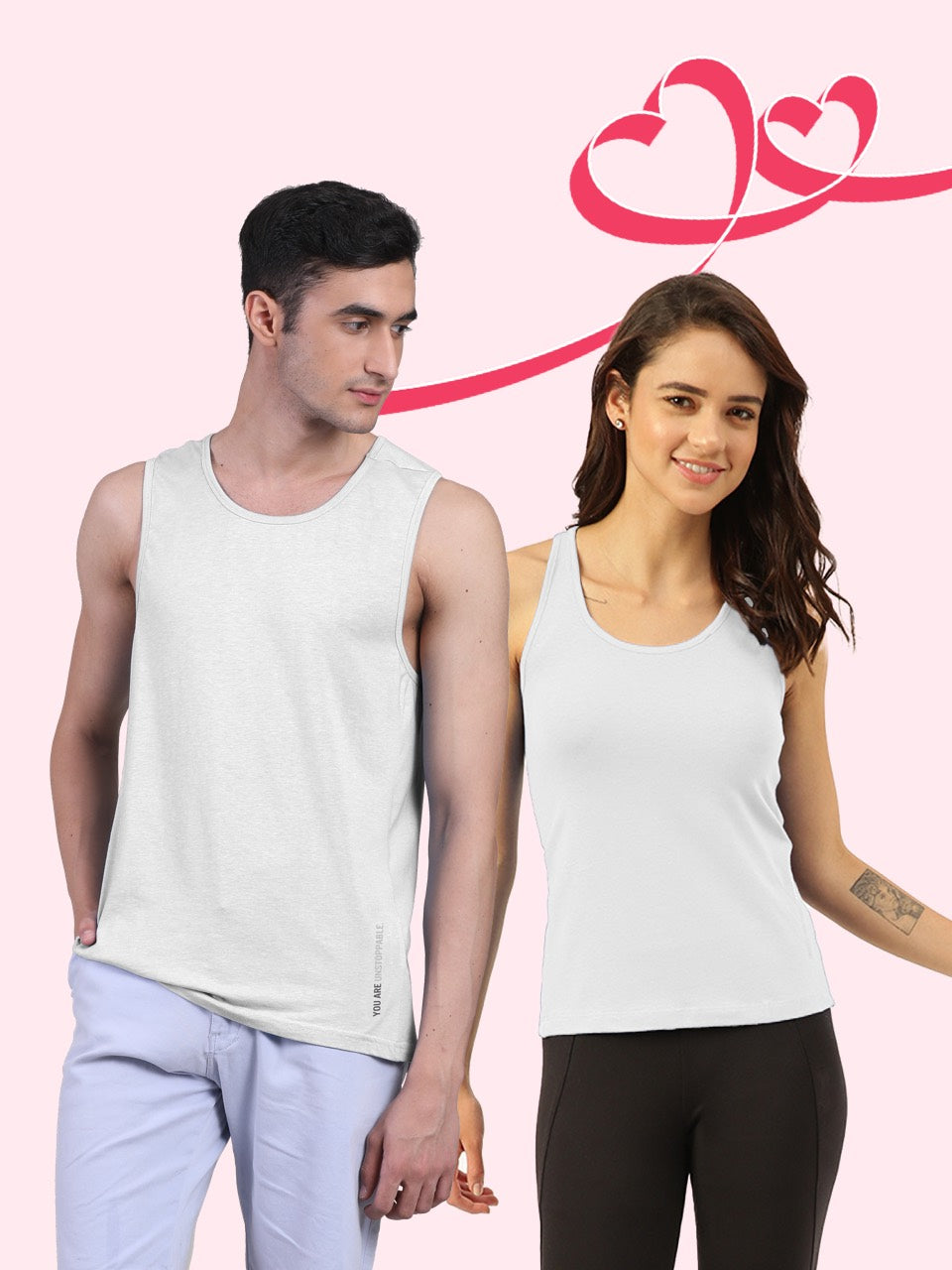
Credit: freecultr.com
Sizing And Fit Differences
Sizing is one of the biggest challenges, especially if you are shopping online or looking for unisex options.
How Men’s And Women’s Sizing Works
Men’s sizes are usually based on chest circumference and length, with sizes like S, M, L, XL, and up. The measurements are more uniform, and the fit is loose or relaxed. Women’s sizes, however, are often based on bust, waist, and hip measurements. The sizing may use numbers (like 2, 4, 6, etc.) or letters (XS, S, M, etc.), and the fit is usually closer to the body.
The Challenge Of Unisex Tank Tops
Some brands offer unisex tank tops, but these often default to a men’s cut, which can be too boxy or loose for many women. If you see “unisex,” check the size chart and reviews. You may need to size down or look for styles specifically labeled for women.
Size Comparison Table
To make the difference clearer, here’s a general size comparison for men’s and women’s tank tops:
| Men's Size | Chest (inches) | Women's Size (approx.) | Bust (inches) |
|---|---|---|---|
| Small | 34-36 | Medium | 34-36 |
| Medium | 38-40 | Large | 38-40 |
| Large | 42-44 | X-Large | 42-44 |
These are just rough guides. Always check the brand’s own size chart for the best fit.
Style And Fashion Trends
The way men and women wear tank tops, and the styles available, are shaped by changing fashion trends, social norms, and even pop culture.
Men’s Tank Top Styles
Men’s tank tops tend to focus on simplicity, function, and comfort. Common styles include:
- Basic athletic tanks: Wide straps, straight cut, often in neutral colors.
- Muscle tanks: Deeper armholes, showing more of the sides and chest.
- Stringer tanks: Thin straps, cut to show off the chest and back muscles—popular with bodybuilders.
- Graphic or logo tanks: For streetwear or casual fashion.
Men usually layer tank tops under shirts or wear them alone in casual or athletic settings.
Women’s Tank Top Styles
Women’s tanks come in many more styles, designed for both function and fashion:
- Fitted tanks: Close to the body, often with built-in stretch.
- Cropped tanks: Shorter length, ending above or at the waist.
- Flowy tanks: Loose, drapey fabric, sometimes with a flared hem.
- Built-in bra tanks: Extra support for light activity.
- Fashion tanks: Lace trims, decorative straps, or bold prints.
- Athletic racerbacks: Narrow at the back for freedom of movement.
Women’s tank tops are more likely to be worn as a main fashion piece, layered under jackets, or paired with different bottoms for a variety of looks.
Color And Pattern Choices
While both men’s and women’s tank tops come in many colors, men’s tanks are more likely to stick to solids and subtle prints. Women’s tanks, in contrast, often feature brighter colors, floral patterns, tie-dye, lace, or sequins. This reflects broader trends in fashion marketing and consumer expectations.
Function And Use Cases
Tank tops serve different purposes depending on who’s wearing them and where.
For Sports And Exercise
Both men and women use tank tops for exercise, but the design focus is different. Men’s athletic tanks are usually loose, allowing airflow and freedom. Women’s athletic tanks might be fitted, with a racerback design for support and movement. Some have built-in bras or moisture-wicking fabrics tailored for women’s needs.
Everyday Wear
Men often use tank tops as undershirts, hidden beneath button-down shirts or polos. Women, on the other hand, may wear tanks as a visible top—layered under cardigans, jackets, or worn alone in hot weather.
As Sleepwear Or Loungewear
Both men and women enjoy tank tops for sleep or relaxing at home. Here, comfort is king, but women’s versions might be softer, cuter, or paired with matching shorts.
Special Functions
- Nursing tanks: Women’s tanks designed with easy-open flaps or clips for breastfeeding.
- Shapewear tanks: Offer support or smoothing under clothes.
- Maternity tanks: Extra stretch and length to cover a growing belly.
Most men’s tanks don’t need these specialized functions.
Construction And Craftsmanship
How a tank top is made affects its comfort and durability. There are some construction differences between men’s and women’s designs.
Seams And Stitching
Men’s tank tops often use flat seams and basic stitching for strength. Women’s tanks may use decorative stitching, and sometimes the seams are shifted or shaped to reduce chafing around the bust or under the arms.
Hem And Finishing
A men’s tank will usually have a straight hem and basic finish. Women’s tanks might include scalloped edges, lace trims, or curved hems.
Support Features
Some women’s tank tops include a built-in shelf bra or double layers for extra support. You rarely see this in men’s tank tops, because the male chest does not need the same support.
Comfort And Mobility
Comfort is personal, but gendered designs try to predict what most wearers will need.
Men’s Comfort Needs
Men’s tank tops are designed for roomy movement at the shoulders and chest. Fabrics are often heavier to avoid clinging, and the fit is less tailored.
Women’s Comfort Needs
Women’s tank tops focus on soft, stretchy materials that don’t pinch or ride up. There’s more attention to preventing gaping around the armholes and neckline. Some designs avoid bulky seams to reduce irritation.
Cultural And Social Differences
Tank tops have different meanings in men’s and women’s wardrobes.
Gender Norms
Traditionally, a man wearing a tank top in public might be seen as casual, sporty, or even rebellious, depending on the style. For women, tank tops are more accepted as mainstream fashion, but the cut (especially how much skin is shown) can affect how they are perceived.
Dress Codes And Modesty
In many workplaces or formal settings, tank tops are not allowed for either gender. But outside these settings, women’s tanks often have more rules—such as strap width or neckline depth—especially in schools or conservative cultures.
Pop Culture
Certain men’s tank top styles have been linked to sports, hip-hop, or “bad boy” images, while women’s tanks show up in everything from fitness ads to high fashion runways.

Credit: www.reddit.com
Pricing And Brand Positioning
Price is influenced by brand, material, and style. There are some general trends:
- Men’s tank tops: Usually priced for basics; high-end brands may cost more if using special fabrics.
- Women’s tank tops: Wider price range, from cheap fast fashion to designer pieces. Features like built-in bras, lace, or premium fabrics add to the cost.
Interestingly, even when materials are similar, women’s tank tops may be priced higher due to additional design elements or fashion markups—a phenomenon sometimes called the “pink tax. ”
Durability And Care
The way tank tops are constructed and the fabrics used affect how long they last and how you should care for them.
Men’s Tank Tops
Heavier fabrics and simple construction mean men’s tanks often stand up to repeated washing and hard use. They resist stretching out of shape and can handle rougher laundry cycles.
Women’s Tank Tops
Lighter, stretchier fabrics can be more delicate. Thin straps, lace, or built-in bras may need gentle washing or even hand washing to avoid damage. Stretchy materials can lose shape with frequent wear or improper drying.
A non-obvious tip: always check the care label, especially for women’s tanks. Gentle washing keeps them looking new longer, and air drying helps preserve stretch.
Performance And Functionality
When it comes to sports or heavy activity, tank tops have to do more than just look good.
Sweat Management
Men’s athletic tanks focus on ventilation and wicking. Wide armholes and mesh panels help heat escape. Women’s athletic tanks are designed for both sweat control and coverage. This means more options for layering, plus anti-chafe seams and quick-dry fabrics.
Support Features
Only women’s tanks offer built-in support. This helps during yoga, jogging, or gym workouts. Men’s tanks do not need support features, so they focus more on airflow and durability.
Mobility
Men’s tanks give a looser fit for broad arm swings or lifting. Women’s tanks may use racerback or stretch panels to allow for flexibility while maintaining coverage.
Brand And Market Focus
Brands often segment their tank tops based on gender, even when the lines are blurring.
Men’s Brands
Sports brands (like Nike, Adidas, Under Armour) often lead in men’s tanks, focusing on performance and durability. Fashion brands keep the look minimal and classic.
Women’s Brands
Women’s tank tops are marketed with more variety—athletic, fashion, maternity, shapewear, or even festival wear. Brands like Lululemon, Athleta, and Victoria’s Secret offer many cuts and colors, each with a different use in mind.
Unisex And Gender-neutral Options
Some brands now offer gender-neutral tanks. These are often looser, more basic cuts, but may not fit everyone perfectly. Trying these on before buying is wise.
Visual Comparison: Men’s Vs Women’s Tank Tops
It’s easier to spot the differences with a side-by-side look at typical features.
| Feature | Men's Tank Top | Women's Tank Top |
|---|---|---|
| Cut | Straight, boxy | Curved, tailored to body |
| Armhole | Wide, deep | Smaller, higher |
| Strap width | Wide | Narrow/spaghetti |
| Neckline | Crew or scoop, high | Varied, often lower |
| Support | None | Sometimes built-in bras |
| Fabric | Heavier, less stretch | Lighter, more stretch |
| Hem | Straight, basic | Curved, split, or decorative |
Common Mistakes When Choosing A Tank Top
Many people buy tank tops without thinking about these differences, leading to bad fit or disappointment.
- Ignoring body shape: A men’s tank may be too loose on a woman, or a women’s tank too tight on a man.
- Choosing the wrong fabric: Stretchy or thin fabrics may feel revealing or clingy.
- Not checking size charts: Sizes are not equal across brands or genders.
- Forgetting about support: Women may need a built-in bra or plan to wear a sports bra underneath.
- Overlooking care instructions: Delicate trims or fabrics can get ruined in a regular wash.
- Assuming unisex fits all: Unisex tanks usually fit more like men’s, so women may need to adjust sizing.

Credit: www.reddit.com
Practical Tips For Buying The Right Tank Top
- Know your measurements: Don’t guess. Use a tape measure for bust/chest, waist, and hips.
- Read reviews: Other buyers will often mention if a tank runs large, small, or is see-through.
- Try before you buy: If possible, try on different styles to see what feels best.
- Think about layering: Consider what you’ll wear under or over your tank.
- Test for transparency: Hold the tank to the light. If it’s too thin, it may show undergarments.
- Check return policies: This is important, especially when shopping online.
The Role Of Tank Tops In Fitness Culture
Tank tops are staples in gyms, yoga studios, and on the track. The design differences are meant to help you move freely and stay cool.
- Men’s tanks are cut for range of motion and to show off muscle development.
- Women’s athletic tanks often double as fashion, with colors and patterns that stand out. They may provide support for high-impact activities.
Interestingly, fitness influencers and athletes have helped popularize both men’s and women’s tank tops outside the gym. You’ll often see tank tops styled for streetwear or casual days.
Sustainability And Ethical Choices
There’s growing interest in buying eco-friendly or ethically made tank tops. Both men’s and women’s options are available in organic cotton, recycled polyester, or bamboo. Some brands publish their sourcing and factory info online.
If this matters to you, look for certifications or check the brand’s reputation. For more, see Good On You for ethical fashion ratings.
Frequently Asked Questions
What If A Man Wants To Wear A Women’s Tank Top, Or Vice Versa?
There’s nothing stopping anyone from wearing whatever style they like. Just be aware that the fit may be different: a women’s tank will likely be tighter, with narrower straps and more room at the hips. A men’s tank may be boxier and less fitted. Trying on different sizes can help you find what’s comfortable.
Are Unisex Tank Tops A Good Choice For Everyone?
Unisex tank tops are designed to fit most body types, but in reality, they often fit more like men’s tanks. This means they may be too loose or long for some women. If you prefer a tailored fit, look for tanks designed for your body shape.
Do Women’s Tank Tops Always Have Built-in Bras?
No, not all women’s tank tops have built-in bras. Some do, especially athletic or yoga styles, but many don’t. Always check the product description if you need extra support. You may need to wear a sports bra or regular bra underneath.
Why Do Women’s Tank Tops Often Cost More Than Men’s?
Women’s tank tops sometimes cost more because of extra design elements, special fabrics, or fashion details like lace and trims. This can also be due to market pricing strategies, known as the “pink tax,” where women’s clothing is priced higher than men’s.
How Can I Care For My Tank Tops To Make Them Last Longer?
Follow the care instructions on the label. For most tank tops, gentle washing and air drying will help them last longer, especially for women’s tanks with delicate fabrics or trims. Avoid hot water and rough cycles if possible.
Choosing the right tank top means knowing your needs, your body, and how different styles are made. Whether you want a tank for the gym, the street, or just lounging at home, understanding these differences will help you find something that fits, feels good, and looks great. And remember, fashion rules are just guidelines—you should always wear what makes you comfortable. For more about garment sizing and the evolution of fashion, you might find the Wikipedia article on tank tops helpful.
