

What is the Difference between a Shirts And Tank Tops: Style Guide
What Is The Difference Between Shirts And Tank Tops
Choosing what to wear often feels simple—until you start comparing two basic pieces like shirts and tank tops. On the surface, both are everyday wardrobe items, but their differences go far deeper than just sleeves or fabric. Understanding these differences can help you dress better for the weather, social events, sports, or even just personal comfort. Many people, especially those learning English, get confused because the words seem similar or are used loosely in conversation. This guide will clear up the confusion. You’ll learn how each piece is designed, when to wear them, how they suit different body types, and even how culture and fashion trends influence their use. We’ll break down everything with clear explanations, real-life examples, and practical tips, so you’ll never mix up a shirt with a tank top again.
Basic Definitions
Before diving into deep comparisons, it’s important to understand what these clothing items are.
A shirt is a garment that covers the upper body. It typically has sleeves, a collar, and buttons or some kind of closure. Shirts come in many types: dress shirts, T-shirts, polo shirts, and more.
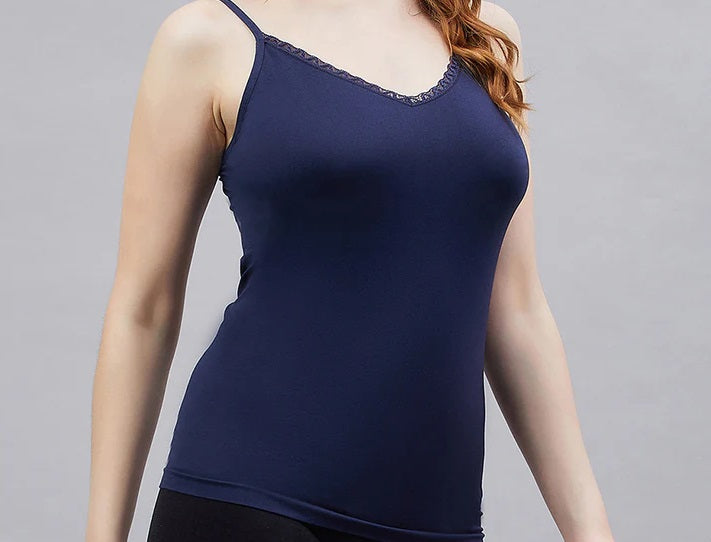
A tank top is a sleeveless upper-body garment. It has wide shoulder straps and no buttons, collars, or closures. Tank tops are usually casual and often made from lightweight material.
Key Design Differences
Sleeves And Shoulder Coverage
One of the most obvious differences is the presence or absence of sleeves.
- Shirts: These usually have sleeves—short, long, or even three-quarter length. The sleeves cover all or part of the arms and often have cuffs.
- Tank tops: These have no sleeves at all. The armholes are large, exposing the shoulders and upper arms completely.
This simple feature changes the look, feel, and function of each garment.
Neckline And Collar
Shirts often have a collar, especially formal or business shirts. T-shirts, a type of shirt, have a crew neck or V-neck but usually no collar. Collared shirts add a formal touch and can be buttoned up or left open.
Tank tops have a simple neckline—often round or scooped. There is never a collar, and the neck area is generally wider and more open than a shirt.
Closures: Buttons, Zippers, And Pullovers
Most shirts (especially dress shirts and some casual shirts) have buttons or zippers down the front. This allows you to put them on like a jacket. Some, like T-shirts, are pullovers with no closures.
Tank tops are almost always pullovers. There are no buttons, zippers, or fasteners. You simply slip them over your head.
Length And Fit
Shirts usually reach down to the hips or below. They are designed to be tucked in or left out, depending on the style. Their fit can range from slim to loose.
Tank tops are often cut shorter and are rarely tucked in. They fit closer to the body, emphasizing the shoulders and chest.
Fabric Choices
Shirts are made from a wide range of materials—cotton, linen, polyester, silk, blends, and more. Dress shirts use crisp fabrics; casual shirts may use softer, more flexible materials.
Tank tops are most often made from cotton, spandex, or blends that stretch and breathe. The fabric is usually lighter than shirts, making them more suitable for warm weather or exercise.
Construction
The way the seams and edges are finished also differs. Shirts have more detailed sewing, with hems, cuffs, and often double stitching for durability. Tank tops have simple hems, often with reinforced edges but less structure.
Credit: c9airwear.com
Main Functions And Uses
Everyday Fashion
Shirts are a basic part of wardrobes worldwide. They’re worn to work, school, meetings, and almost any public setting. Because they come in many styles, you can find shirts for both formal and casual occasions.
Tank tops are mainly casual. You’ll see them at the beach, gym, or during summer activities. They are not usually considered formal or business wear.
Sports And Physical Activity
Tank tops are popular for sports because they allow maximum arm movement and keep you cool. They are common in weightlifting, running, basketball, and yoga.
Some shirts, like athletic T-shirts, are also used in sports. However, they’re chosen when protection from the sun or light coverage is needed.
Layering
Shirts are often layered. You can wear a shirt over a T-shirt or under a jacket. They are part of multi-layer outfits, especially in cooler weather.
Tank tops are mostly worn alone or as an underlayer beneath shirts, blouses, or jackets. They add comfort and absorb sweat.
Cultural And Social Signals
Wearing a shirt usually signals a higher level of formality or respect for the occasion. For example, you’d wear a shirt to a job interview, but a tank top would be out of place.
Tank tops are accepted in relaxed, informal settings. In some places or cultures, wearing a tank top in public (especially for women) may not be appropriate.
Visual Comparison: Shirt Vs. Tank Top
To make the differences even clearer, here’s a visual comparison:
| Feature | Shirt | Tank Top |
|---|---|---|
| Sleeves | Yes (short, long, or 3/4) | No |
| Collar | Usually present | Never |
| Closure | Buttons, zippers, or pullover | Pullover only |
| Material | Wide variety (cotton, silk, etc.) | Mainly cotton or blends |
| Fit | Loose or fitted | Usually fitted |
| Formality | Formal and casual | Casual only |
History And Evolution
The Shirt
Shirts have a long history. In many cultures, they started as undergarments worn under coats or jackets. Over time, shirts became outerwear, and features like collars, cuffs, and buttons were added. Today, shirts are a symbol of style and status. For example, a crisp white shirt is often connected to professionalism or elegance.
The Tank Top
Tank tops have roots in sports and swimwear. The name “tank” comes from “tank suit,” an early term for a one-piece swimsuit. Tank tops became popular as undergarments, then casual wear, especially in hot climates and athletic settings. They are now a symbol of relaxed, sporty style.
Practical Situations: When To Choose Each
Professional Settings
You should almost always choose a shirt for work, meetings, or formal events. Wearing a tank top in these settings is rarely appropriate and can give the wrong impression.
Hot Weather
In high temperatures, a tank top will keep you cooler and more comfortable. The lack of sleeves improves airflow and helps sweat evaporate quickly.
Exercise And Sports
Tank tops are ideal for workouts and sports involving arm movement. For outdoor sports, you might choose a T-shirt (a type of shirt) to protect your skin from the sun.
Layering For Warmth
In colder conditions, you can wear a tank top as a base layer under a shirt or sweater. This traps body heat and absorbs sweat. Shirts can be layered with jackets or sweaters for extra warmth and style.
Social Gatherings
For relaxed events like barbecues, picnics, or family gatherings, both shirts and tank tops can work. Choose a shirt if you want to look a bit more dressed up; a tank top if comfort is more important.
Sleepwear
Many people wear loose shirts or tank tops for sleep. Tank tops are especially popular for comfort in warm bedrooms.
Fashion Styles And Trends
Shirts In Fashion
Shirts are one of the most flexible fashion items. They can be dressed up with ties and jackets or dressed down with jeans or shorts. Patterns, colors, and fabrics change with trends, but shirts remain a core piece in both men’s and women’s fashion.
Tank Tops In Fashion
Tank tops have moved from undergarments and gym wear into mainstream fashion. Designers now create tank tops with decorative straps, prints, or embellishments. Some people layer tank tops under sheer shirts or jackets as a style statement.
Gender And Age
Both shirts and tank tops are worn by all genders and ages, but the designs often vary. For example, women’s tank tops may have slimmer straps or different cuts around the neck and arms. Children’s shirts are often simpler, with fewer buttons or decorations.
Body Types And Fit
Choosing between a shirt and a tank top can depend on your body type and how you want to look.
- Shirts: Because they have sleeves and a structured fit, shirts can hide or highlight parts of your body. For example, a loose shirt can cover the belly, while a fitted shirt can show off your chest and arms.
- Tank tops: These show more skin and draw attention to your shoulders, arms, and upper chest. If you like these features, a tank top is a good choice. Some people feel less comfortable in tank tops if they prefer not to show their arms.
Practical Insight: Many beginners choose the wrong size. Remember, tank tops should fit close to the body but not squeeze. Shirts should allow free movement but shouldn’t look baggy unless that’s the style.
Care And Maintenance
Washing
Both shirts and tank tops can usually be washed in a machine, but the method depends on the material.
- Shirts made from cotton or blends are easy to wash, but silk or linen shirts may need special care.
- Tank tops are usually simple to wash and dry.
Ironing
Most shirts, especially dress shirts, need ironing to look neat. Tank tops rarely need ironing, except for some fabrics that wrinkle easily.
Durability
Shirts with detailed construction (like collars and cuffs) can last a long time if cared for well, but the extra seams can wear out faster. Tank tops have fewer seams and are generally less likely to tear at stress points.
Common Mistakes To Avoid
- Wearing a tank top to a formal event: This is rarely acceptable. Even in hot weather, find a light shirt instead.
- Choosing the wrong size: Tight tank tops can be uncomfortable and unflattering, while oversized shirts can look sloppy.
- Ignoring fabric: Choose breathable fabrics for hot weather; thicker materials for cooler conditions.
- Not considering body type: Some cuts and fits work better for certain body shapes. Try several options before deciding.
- Layering incorrectly: If you layer a tank top under a shirt, make sure the straps don’t show awkwardly or create visible lines.

Credit: www.youtube.com
Examples From Everyday Life
Imagine you are going to a job interview. You would wear a collared shirt—maybe with a tie or jacket. A tank top would be completely wrong, sending a message that you are too casual.
If you plan a day at the beach, a tank top is perfect. It keeps you cool, allows you to move freely, and fits the relaxed setting.
At a gym, most people wear tank tops for weightlifting or cardio. But if you’re doing yoga or outdoor sports, a T-shirt or athletic shirt might offer better coverage and sun protection.
For a dinner with friends, you could choose either—a stylish button-down shirt for a smart look or a fashionable tank top with a jacket for a trendy, relaxed style.
Variations And Related Styles
Types Of Shirts
- Dress Shirt: Formal, often with a stiff collar, worn with suits.
- T-shirt: Casual, no collar, short sleeves, pullover.
- Polo Shirt: Has a collar and buttons, sporty yet stylish.
- Henley Shirt: No collar, with a few buttons at the top.
- Flannel Shirt: Made from soft, warm fabric; often checked patterns.
Types Of Tank Tops
- Classic Tank Top: Simple, wide straps, straight cut.
- Muscle Tank: Looser fit, larger armholes for workouts.
- A-Line Tank: Wider at the bottom, fitted at the top.
- Racerback Tank: Straps meet in the middle at the back, common in sportswear.
- Camisole: Thin straps, often worn as an undergarment by women.

Credit: jetprintapp.com
Table: Different Shirt And Tank Top Types
Here’s a quick look at the most common varieties:
| Type | Shirt | Tank Top |
|---|---|---|
| Basic Everyday | T-shirt, Dress Shirt | Classic Tank |
| Sport/Activity | Polo, Athletic Shirt | Muscle Tank, Racerback |
| Layering | Henley, Flannel | Camisole |
| Formal/Business | Dress Shirt | Rarely used |
Climate And Regional Differences
Hot Climates
In hot and humid places, tank tops are a common sight. They help people stay cool and allow sweat to evaporate quickly.
Cold Climates
In colder areas, shirts are worn for warmth. Tank tops might be used as an underlayer to trap heat but are rarely worn alone outdoors.
Cultural Norms
In some cultures, wearing a tank top in public (especially for women) is not acceptable. Shirts are more widely accepted and often required in religious or formal settings.
Cost And Accessibility
Shirts can range from very affordable to luxury prices, depending on the brand, material, and design. T-shirts are usually the most budget-friendly type of shirt.
Tank tops are generally less expensive than shirts. They use less fabric and are easier to make. Designer or branded tank tops can cost more, but basic ones are very accessible.
Insight for beginners: It’s easy to find both shirts and tank tops in most clothing stores. However, the cheapest options may not last long or feel comfortable. Invest in better fabric for pieces you wear often.
Sustainable Fashion Considerations
As people become more aware of environmental issues, the choice between shirts and tank tops can also involve looking for sustainable materials.
- Organic cotton and recycled polyester are now used in both shirts and tank tops.
- Some brands offer clothing with eco-friendly dyes or fair labor practices.
It’s worth checking labels and brand information if you want to reduce your fashion footprint. For more about sustainable fashion, see Sustainable Fashion.
Styling Tips
For Men
- Pair a fitted tank top with shorts for a sporty summer look.
- Layer a tank top under an open shirt for relaxed style.
- Choose a crisp shirt for work or formal events.
- Roll up shirt sleeves for a casual touch.
For Women
- Wear a colorful tank top under a sheer blouse.
- Pair a tank top with a high-waisted skirt or jeans.
- Choose a tailored shirt for the office, or a soft flannel for weekends.
- Add accessories like scarves or statement necklaces to shirts for extra style.
Unisex Tips
- Tuck a shirt into your pants for a polished look.
- Avoid tank tops in very formal settings or when you need to look professional.
- Try different fits and lengths to see what flatters your shape.
Non-obvious insight: Sometimes, the difference is not just style but comfort. If you sweat a lot, tank tops can help—but they also show sweat stains more easily. Choose dark colors or moisture-wicking fabrics if this is a concern.
Global Influence And Pop Culture
Both shirts and tank tops have become symbols in movies, sports, and music. For example, action stars often wear tank tops to show strength, while business leaders are almost always shown in shirts. Tank tops are linked to summer festivals and athletic events, while shirts are part of school uniforms and traditional dress codes.
Cultural tip: In some countries, a tank top is called a “vest” or “singlet,” which can cause confusion. Always check local terms when traveling or shopping online.
How To Choose Between A Shirt And A Tank Top
Here are some quick guidelines:
- Consider the occasion: Shirts for formal or mixed company; tank tops for casual or athletic settings.
- Think about comfort: Tank tops are cooler; shirts offer more coverage.
- Check the weather: Hot weather favors tank tops; cool weather, shirts.
- Know the dress code: Some places (workplaces, restaurants, religious sites) require shirts.
- Trust your style: Some people feel confident in tank tops; others prefer the structure of a shirt.
Table: Quick Comparison For Everyday Choices
| Situation | Shirt | Tank Top |
|---|---|---|
| Work/Business | ✔️ | ❌ |
| Gym/Sports | ✔️ (some sports) | ✔️ (most sports) |
| Beach/Pool | ❌ | ✔️ |
| Hot Weather | ✔️ (light fabrics) | ✔️ |
| Cold Weather | ✔️ | ✔️ (as underlayer) |
| Formal Event | ✔️ | ❌ |
Frequently Asked Questions
What Is The Main Difference Between A Shirt And A Tank Top?
The main difference is that a shirt has sleeves and often a collar, while a tank top is sleeveless with wide shoulder straps. Shirts can be formal or casual, and tank tops are almost always casual.
Can You Wear A Tank Top Under A Shirt?
Yes, many people use a tank top as an underlayer. It adds comfort and absorbs sweat. Make sure the tank top is not visible under the shirt for a neat look.
Are Tank Tops Appropriate For Work?
In most offices and formal settings, tank tops are not considered appropriate. Choose a shirt, especially one with sleeves and a collar, for a professional appearance.
How Should I Care For Shirts And Tank Tops?
Both can be machine washed, but always check the label. Shirts may need ironing and special care if made from delicate fabrics. Tank tops are usually low maintenance but avoid high heat when drying to prevent shrinking.
Which Is Better For Hot Weather: A Shirt Or A Tank Top?
A tank top is usually better for hot weather because it allows more air to reach your skin and helps keep you cool. However, lightweight shirts made from breathable fabric can also work well if you need more coverage.
Understanding the real differences between shirts and tank tops helps you choose what to wear and when. With this knowledge, you can dress with confidence for any occasion, weather, or style preference. Whether you want to look professional or just stay cool, you now know exactly which to pick and why.
