

What to Wear to the Gym If You Don’t Have Gym Clothes: Smart Tips
What to Wear to the Gym If You Don’t Have Gym Clothes
Going to the gym is a positive step for your health, but sometimes you don’t have special gym clothes. Maybe you forgot them, maybe you haven’t bought any yet, or maybe you just want to use what you already own.
The good news is that you can still work out comfortably and safely. The key is to choose the right everyday clothes and adapt them for exercise. This guide will help you pick the best outfit for the gym, even if you don’t have gym clothes.
You’ll learn how to avoid discomfort, stay safe, and feel confident as you start your workout.
Understanding The Importance Of Proper Gym Clothing
Many people think gym clothes are just about looking sporty. In reality, what you wear affects your comfort, performance, and safety. Gym clothes are designed to help you move freely, absorb sweat, and prevent injuries. However, you can achieve similar results with regular clothes if you choose wisely.
For example, wearing tight jeans can restrict your movement, while loose cotton shirts can get heavy with sweat. Making smart choices helps you avoid problems and focus on your workout.
Key Factors To Consider When Choosing Non-gym Clothes
Before you pick an outfit, think about these important points:
- Comfort – You need clothes that let you move easily. Avoid anything too tight or too loose.
- Breathability – Choose fabrics that let air flow, like cotton or linen.
- Flexibility – Make sure you can bend, stretch, and lift without problems.
- Safety – Avoid clothes with zippers, buttons, or anything that can scratch you or get caught in equipment.
- Absorbency – Sweat can make clothes heavy and uncomfortable. Choose materials that soak up sweat or dry quickly.
- Modesty – Some gyms have rules about what you can wear. Make sure you follow them.
- Durability – Your clothes should survive repeated movement and washing.
Best Alternatives To Gym Clothes From Your Wardrobe
You don’t need to buy anything new. Here are common items you can use:
T-shirts
A simple cotton t-shirt works well. It’s breathable, comfortable, and allows movement. Avoid shirts with lots of decorations or thick prints, as these can trap heat. Loose or fitted t-shirts both work, but fitted ones prevent excess fabric from getting caught.
Tank Tops
If you have a tank top or sleeveless shirt, it’s a good choice. It helps keep you cool, especially during intense workouts. Make sure it isn’t too loose, so it doesn’t slide off your shoulders.
Long Sleeve Shirts
For cooler climates or if you prefer more coverage, a long sleeve cotton shirt is suitable. Avoid shirts made from heavy or thick materials. Roll up the sleeves for more freedom if needed.
Sweatshirts And Hoodies
A lightweight sweatshirt or hoodie is good for warm-ups or winter workouts. Don’t use heavy or thick sweatshirts for cardio, as you may overheat. Remove layers as you get warmer.
Shorts
Basketball shorts or even regular cotton shorts are comfortable and allow movement. Avoid tight shorts made from denim or heavy materials. Check the length; too short can be uncomfortable, too long can restrict movement.
Sweatpants
If you have sweatpants, they are an excellent alternative. They are flexible, soft, and suitable for all exercises. Avoid sweatpants with tight cuffs if you’re doing activities like running.
Yoga Pants Or Leggings
Yoga pants or leggings work well. They stretch and move with your body. Make sure they are not see-through, especially when stretching or squatting.
Track Pants
Track pants are designed for movement. If you have them, use them. They are usually lightweight and comfortable.
Pajama Pants
Soft pajama pants can be used for gentle exercises. Avoid silk or loose pajamas for high-intensity workouts, as they may slip or tear.
Casual Dresses
For some activities like yoga or stretching, a casual dress with shorts underneath is acceptable. Make sure it’s not too short and doesn’t restrict movement.
Button-down Shirts
A button-down shirt may not be ideal, but if it’s the only option, choose a lightweight one and keep it untucked. Remove accessories and roll up the sleeves.
Polo Shirts
A polo shirt is a good option if you want something more formal. It’s comfortable and allows movement. Avoid thick fabrics.
Joggers
Joggers are a modern alternative to sweatpants. They are comfortable and suitable for most workouts.
Skorts
A skort (shorts with a skirt overlay) is good for activities like walking or cycling. It offers coverage and freedom.
Old Clothes
Sometimes, old clothes you don’t mind sweating in are perfect. They’re comfortable and you won’t worry about damaging them.
Footwear: What To Wear If You Don’t Have Trainers
Shoes are important for safety and comfort. If you don’t have gym trainers, look for alternatives:
Everyday Sneakers
Sneakers (casual shoes) are suitable for most gym activities. They have flexible soles and cushion your feet. Avoid fashion sneakers with thick soles or heavy decorations.
Running Shoes
If you have running shoes, use them. They are designed for movement and support.
Slip-on Shoes
Slip-on shoes with rubber soles are comfortable and easy to use. Make sure they have good grip.
Canvas Shoes
Canvas shoes (like Converse) are lightweight and flexible. They work for weightlifting or light cardio.
Sandals Or Flip-flops
Avoid sandals or flip-flops. They don’t protect your feet and can cause injuries.
Dress Shoes
Never use dress shoes for gym workouts. They are stiff and unsafe.
Barefoot
Some gyms allow barefoot training for activities like yoga or Pilates. Make sure the gym allows it and the floor is clean.
Socks
Wear thick cotton socks to protect your feet, even if you’re barefoot. Avoid thin or slippery socks.
Comparing Regular Clothes And Gym Clothes
Let’s compare the performance of regular clothes and gym clothes. This helps you decide what works best for your workout.
| Feature | Regular Clothes | Gym Clothes |
|---|---|---|
| Comfort | Moderate | High |
| Breathability | Varies | Excellent |
| Flexibility | Depends on fabric | Designed for movement |
| Sweat Absorption | Usually low | High |
| Durability | May tear easily | Built to last |
| Safety | Risk of snagging | Safe for equipment |
Accessories To Avoid And Alternatives
Some accessories can cause problems in the gym. Here’s what to avoid and what to use instead:
Jewelry
Remove rings, necklaces, and bracelets. They can catch on equipment or cause injury.
Watches
Remove watches unless they are fitness trackers.
Scarves And Ties
Avoid scarves and ties. They can get caught or fall off.
Belts
Remove belts. They restrict movement and can cause discomfort.
Hats
If you wear a hat, make sure it is secure and not too hot.
Hair Bands
Use soft hair bands to keep hair out of your face.
How To Prepare Clothes For Gym Use
If you’re using regular clothes, make them more suitable for the gym:
- Wash clothes before use. Sweat and bacteria can cause odor.
- Check for holes or loose threads. Repair them so they don’t tear.
- Remove accessories. Take off anything that isn’t part of the outfit.
- Test flexibility. Try moving, stretching, and jumping in your outfit before going to the gym.
- Layer wisely. Start with a t-shirt and add layers if needed. Remove layers as you warm up.
- Choose dark colors. Sweat is less visible on dark fabrics.
- Pack a towel. Use a small towel to wipe sweat.
Gym Activities And Clothing Choices
Different activities need different clothes. Here’s how to match your outfit to your workout:
Cardio (running, Cycling)
- Wear t-shirts and shorts or leggings.
- Choose sneakers or running shoes.
- Avoid loose pants that can get caught.
Weightlifting
- Wear fitted t-shirts or tank tops.
- Use canvas shoes or sneakers.
- Avoid baggy clothes that hide your form.
Yoga Or Pilates
- Wear leggings or soft pants.
- Use barefoot or thick socks.
- Choose a fitted top.
Group Classes (zumba, Aerobics)
- Wear shorts or leggings and a t-shirt.
- Use sneakers.
- Avoid skirts or dresses.
Stretching Or Warm-up
- Wear comfortable sweatpants or joggers.
- Use a long sleeve shirt or hoodie.
Common Mistakes When Choosing Gym Clothes
Many beginners make mistakes when picking their outfit. Here are some to watch out for:
- Wearing jeans – They restrict movement and cause discomfort.
- Choosing tight clothes – Too tight clothes can tear or limit movement.
- Using heavy fabrics – Thick shirts or pants trap heat.
- Wearing sandals – Unsafe and can cause injury.
- Forgetting to remove jewelry – Risk of snagging or injury.
- Not testing clothes – You may discover discomfort during the workout.
Practical Tips For Beginners
Here are some smart tips to make your first gym visit easier:
- Try your outfit at home. Move, jump, and stretch to check flexibility.
- Pack a spare shirt. If you sweat a lot, you can change after your workout.
- Bring water. Staying hydrated helps you feel good.
- Use deodorant. It keeps you fresh in the gym.
- Keep a small bag for wet clothes. If you sweat, change clothes after the workout.
- Listen to your body. If you feel uncomfortable, adjust your outfit.

Credit: themomedit.com
How To Stay Safe And Comfortable
Safety and comfort are important for a good gym experience. Here’s how:
- Wear shoes with grip to avoid slipping.
- Choose clothes that cover your body but let you move.
- Avoid clothes with holes or loose threads.
- Keep hair tied back to avoid distraction.
- Use a towel to wipe sweat from equipment.
Washing And Caring For Gym Clothes
Even if you use regular clothes, caring for them is important:
- Wash clothes after every workout. Sweat can cause odor and bacteria.
- Use cold water to protect fabric.
- Avoid fabric softener; it can reduce absorbency.
- Dry clothes in the sun if possible. It helps remove bacteria.
- Check clothes for damage after washing.
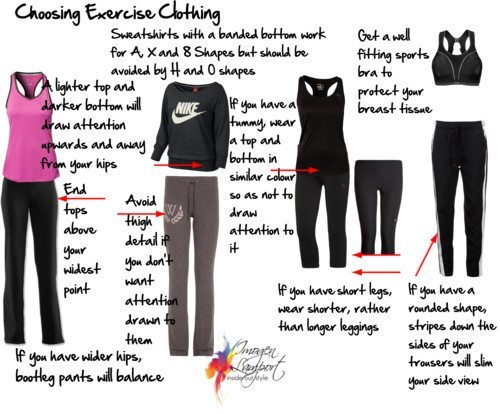
Credit: insideoutstyleblog.com
Real-life Examples And Stories
Many people use regular clothes at the gym. For example, a student may use a t-shirt and shorts for weightlifting. A busy worker might wear leggings and a casual top for a quick session. Some gyms even have “come as you are” days, where members wear everyday outfits.
These stories show that you don’t need special clothes to start your fitness journey. Confidence and comfort matter more than fashion.
Comparing Fabric Types For Gym Use
Different fabrics have different benefits. Here’s a comparison:
| Fabric | Breathability | Flexibility | Absorbency | Durability |
|---|---|---|---|---|
| Cotton | High | Moderate | Low | Moderate |
| Polyester | Moderate | High | High | High |
| Linen | High | Low | Low | Low |
| Denim | Low | Low | Low | High |
| Spandex | Moderate | High | Moderate | High |
Gym Rules And Dress Codes
Some gyms have rules about what you can wear. They may ban certain clothes for safety or hygiene reasons. For example, some gyms do not allow open-toed shoes, jeans, or tank tops. Always check your gym’s dress code before your first visit.
If you’re not sure, ask staff for guidance.
Quick Checklist For Choosing Gym Clothes
Here’s a simple checklist to help you pick the right outfit:
- Is the outfit comfortable?
- Can you move freely?
- Is the fabric breathable?
- Are shoes safe and supportive?
- Are accessories removed?
- Does the outfit cover your body as needed?
- Is the outfit clean?

Credit: www.beautiful-solutions.co.uk
Why You Don’t Need Fancy Clothes To Start Exercising
The biggest barrier for many beginners is thinking they need expensive gym clothes. In reality, fitness is about movement, not fashion. Many top athletes started with simple outfits. What matters is effort, consistency, and comfort. If you feel good, you’ll perform better.
When Should You Buy Gym Clothes?
You may not need to buy gym clothes right away, but there are times when it becomes helpful:
- When your regular clothes wear out or tear
- When you want better sweat control
- When you join advanced classes or need special support
- When your gym has a dress code
Quality gym clothes can improve comfort and performance, but they are not required for beginners.
How To Save Money On Gym Clothes
If you decide to buy gym clothes, you don’t need to spend a lot. Here are some tips:
- Buy during sales or clearance events.
- Choose basic colors and styles.
- Look for online deals or secondhand options.
- Test fit before buying.
- Invest in one good pair of shoes first.
Environmental Impact Of Clothing Choices
Using regular clothes for the gym is more sustainable. You reuse what you have, avoid buying new items, and reduce waste. Gym clothes are often made from synthetic materials, which have environmental costs. By using your own clothes, you help the planet.
Non-obvious Insights Beginners Miss
- Layering is powerful – You can combine t-shirts, tank tops, and sweatshirts to create the perfect outfit for any weather. Layering lets you adjust as you warm up or cool down.
- Dark colors hide sweat – Many beginners worry about sweat marks. Dark shirts and pants make this less visible and help you feel more confident.
- Old clothes are perfect – Clothes you no longer wear daily are ideal for gym use. You won’t worry about stains or damage.
- Try before you go – Testing your outfit at home saves you from embarrassment or discomfort at the gym.
- Accessories can cause injury – Even small jewelry can snag on machines, so always remove them.
Psychological Benefits Of Feeling Comfortable
Feeling comfortable in your clothes helps you focus on your workout, not your appearance. When you’re not distracted by tightness or discomfort, you perform better. Confidence is key to sticking with exercise. Starting with familiar clothes removes barriers and makes the gym feel less intimidating.
Advanced Tips For Experienced Gym-goers
If you’re experienced, here’s how to improve your outfit:
- Try combining regular clothes with one gym item, like shoes.
- Use sweat-wicking underwear for added comfort.
- Carry a spare outfit for after the workout.
- Rotate clothes to keep them fresh.
- Try new combinations for different workouts.
Frequently Asked Questions
What If My Clothes Get Sweaty?
If your clothes get sweaty, change into a fresh outfit after your workout. Bring a small towel to wipe sweat during exercise. Use dark-colored clothes to hide sweat marks.
Can I Wear Jeans To The Gym?
Jeans are not recommended. They limit movement and become heavy with sweat. Choose shorts, sweatpants, or leggings instead.
Is It Safe To Work Out Barefoot?
Some gyms allow barefoot workouts for yoga or Pilates. For other activities, wear shoes with good grip. Always check with your gym before going barefoot.
What Shoes Should I Wear If I Don’t Have Trainers?
Wear everyday sneakers or canvas shoes with rubber soles. Avoid sandals or dress shoes, as they are unsafe and uncomfortable.
How Can I Make My Regular Clothes More Suitable For Exercise?
Wash clothes before use, remove accessories, check for flexibility, and choose breathable fabrics. Test your outfit at home to ensure comfort.
Making smart choices with your everyday clothes is a practical way to start working out. You don’t need fancy gym outfits to achieve your fitness goals. Comfort, safety, and confidence matter most. You’re ready to step into the gym, even without special clothes. For more tips on fitness clothing, visit Healthline.
