

Is It Ok to Wear Gym Gloves? Pros, Cons, and Expert Tips
Is It Ok To Wear Gym Gloves
Many people who start strength training or working out at the gym quickly notice a simple question: Is it ok to wear gym gloves? Some athletes wear them all the time, while others avoid them completely. If you look around a gym, you will see both sides—some people gripping the bars with covered hands, and others with bare skin. So, which choice is best? This article will guide you through every detail about gym gloves, including their benefits, drawbacks, myths, and real-life situations. By the end, you will be able to decide if gym gloves fit your needs.
What Are Gym Gloves?
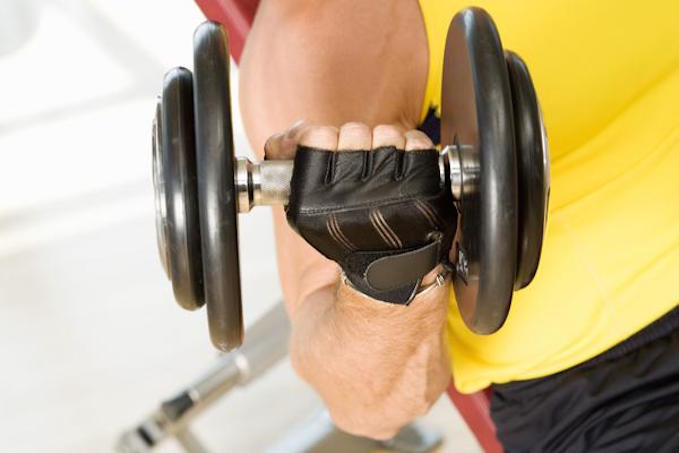
Before diving into the debate, it helps to know what gym gloves are. Gym gloves, also called workout gloves, are special gloves designed for weightlifting and exercise. They are made from materials like leather, synthetic fabric, or a mix of both. Some gloves cover the whole hand, while others only protect the palm and fingers. Many have extra padding, wrist straps, or special grip patterns.
You will find several types:
- Full-finger gloves: Cover the entire hand, often used for cold conditions or extra protection.
- Half-finger gloves: Leave the fingertips free for better grip and ventilation.
- Grip pads: Small pads that only cover the palm, offering minimal coverage.
Each style has a unique purpose, but all aim to protect your hands and improve your workout experience.
Why Do People Wear Gym Gloves?
There are many reasons why people choose to wear gym gloves:
- Hand Protection: Gloves help prevent blisters, calluses, and skin tears. When lifting heavy weights, the bars can rub against your skin and cause discomfort. Gloves act as a barrier.
- Better Grip: Sweaty hands make it hard to hold onto weights. Gloves often have textured surfaces or grip pads that help you hold the bar securely.
- Support for Wrists: Some gloves come with built-in wrist wraps or extra support. This can help stabilize your wrists, especially during heavy lifts like bench press or deadlifts.
- Comfort: Wearing gloves can reduce pressure on your hands, making workouts more comfortable, especially during long sessions.
- Hygiene: Gyms are full of bacteria and germs. Gloves create a layer between your skin and shared equipment, lowering the risk of picking up infections.
- Confidence and Motivation: For some people, gloves make them feel more prepared and confident, especially if they are new to the gym.
Arguments In Favor Of Wearing Gym Gloves
Let’s look at the strongest reasons people choose to wear gym gloves:
1. Preventing Calluses And Blisters
If you lift weights regularly, you probably notice rough skin or calluses on your palms and fingers. These are the body’s way of protecting your skin from constant friction. Still, many people find them unattractive or uncomfortable. Gloves add a layer between your hand and the bar, making it much harder for calluses or blisters to form.
2. Improving Grip Strength
A strong grip is essential for safe and effective lifting. When your hands are sweaty, bars can slip. Gloves use materials like rubberized patterns or textured leather to give extra grip, especially helpful for exercises like pull-ups or deadlifts.
3. Reducing Hand Pain
Some people experience pain or discomfort from pressing heavy bars into their hands. Padded gloves help spread the pressure across your palm, reducing pain and making workouts more enjoyable.
4. Supporting Weak Or Injured Wrists
If you have a history of wrist injuries or weakness, gloves with wrist straps provide support. This can help stabilize your joints during pressing or lifting movements.
5. Encouraging Better Hygiene
Gym equipment is touched by many people daily. Bacteria, viruses, and fungi can live on surfaces for hours. Gloves form a protective layer, lowering your risk of skin infections.
6. Helping Beginners Gain Confidence
New gym-goers often feel nervous about their technique or appearance. Wearing gloves can offer a sense of security and help you focus on learning good form rather than worrying about pain or slipping.
Arguments Against Wearing Gym Gloves
While gym gloves offer benefits, there are also reasons some people avoid them:
1. Reduced Direct Grip Strength
Gloves add a layer between your hand and the bar. For some, this means less direct contact and reduced grip feedback. Over time, you may rely on the glove’s grip rather than building up natural hand strength.
2. Decreased Sensitivity
Feeling the bar is important for good technique. Gloves can dull the sensation, making it harder to adjust your grip during lifts.
3. Poor Fit And Comfort Issues
Not all gloves fit the same way. If they are too loose, they can bunch up and cause blisters. If they are too tight, they can restrict movement or cut off circulation.
4. Sweating And Odor
Some gloves trap sweat, leading to bad smells and even skin irritation. Washing gloves regularly helps, but not everyone remembers to do it.
5. False Sense Of Security
Gloves can sometimes make you feel more secure than you actually are, especially with very heavy lifts. This may encourage you to try weights or exercises you are not ready for.
6. Not Allowed In Some Sports
In some competitive sports, like powerlifting, gloves are not allowed during official events. Training with gloves all the time may mean you are unprepared for competitions.

Credit: www.menshealth.com
Science And Studies On Gym Gloves
There is not a huge amount of research focused only on gym gloves, but related studies give useful information.
- A small study found that hand protection (like gloves or grip pads) reduces the risk of skin injuries during weightlifting. Fewer people reported torn calluses or blisters when using gloves.
- Another study showed that direct grip strength can drop by about 10% when wearing thick gloves, especially during heavy deadlifts.
- Some research into hand hygiene in gyms found that bacteria levels on shared equipment are high. Using gloves can lower your risk of picking up germs.
However, there is little evidence that gloves directly improve athletic performance. Most benefits are about comfort, hygiene, or protection.
Who Should Wear Gym Gloves?
Not everyone has the same needs. Here are some groups who may benefit most from wearing gym gloves:
- Beginners: If you are new to lifting, gloves can help you avoid painful blisters and boost your confidence.
- People with Sensitive Skin: Those who get calluses easily, or have skin conditions, may find gloves helpful.
- Anyone With Wrist Problems: Gloves with wrist support can protect weak or injured wrists.
- People Worried About Hygiene: If you want to avoid germs in the gym, gloves are a good option.
- High-Volume Lifters: If you train very often, gloves can help reduce skin wear and tear.
Credit: caliberstrong.com
Who Might Avoid Gym Gloves?
Some people may prefer not to wear gloves:
- Experienced Lifters: Those who want to build maximum grip strength often avoid gloves.
- Competitive Powerlifters: Most competitions do not allow gloves, so training bare-handed is better.
- People Who Prefer Direct Contact: If you like the feel of the bar, gloves may get in the way.
- Those With Sweaty Hands: Some gloves trap sweat, making hands slippery.
Common Myths About Gym Gloves
Let’s clear up some common misunderstandings:
Myth 1: Gloves Make You Instantly Stronger
Gloves do not directly increase your strength. They may help you grip better or feel more comfortable, but they cannot make your muscles stronger without training.
Myth 2: Only Beginners Wear Gloves
Many advanced lifters use gloves, especially for certain exercises or high-volume training. Gloves are a personal choice, not a sign of inexperience.
Myth 3: Gloves Prevent All Injuries
While gloves help protect your skin and support your wrists, they cannot prevent injuries caused by bad form or lifting too much weight.
Myth 4: Gloves Are Unhygienic
Some people think gloves are dirty because they absorb sweat. In fact, gloves can be washed, and they protect your hands from direct contact with shared equipment.
Myth 5: You Must Choose One Side
There is no rule that says you must always wear gloves or never wear them. Many people use gloves for specific exercises or when their hands are sore, and go bare-handed for others.
Different Types Of Gym Gloves And Their Uses
With so many options, it’s important to choose the right glove for your needs. Here are some popular types:
| Type | Features | Best For |
|---|---|---|
| Full-finger gloves | Maximum coverage, warmth, full protection | Outdoor workouts, cold gyms |
| Half-finger gloves | Fingertips exposed, better grip, more airflow | General gym use, weightlifting |
| Grip pads | Only cover palm, ultra-minimal | Quick sessions, avoiding calluses |
| Gloves with wrist straps | Extra wrist support, adjustable | Heavy lifting, weak wrists |
| Specialty gloves | Unique features like gel padding, open back | People with specific needs |
How To Choose The Right Gym Gloves
Picking the best gym gloves depends on your goals and comfort. Here are some tips to guide your choice:
- Fit: Gloves should be snug but not too tight. If they move around, they can cause blisters.
- Material: Leather is durable and gives a good grip, but can get hot. Synthetic materials are lighter and often breathe better.
- Padding: More padding gives comfort but can reduce your grip. Choose based on your needs.
- Wrist Support: If you have weak wrists, look for gloves with built-in straps.
- Ventilation: Mesh panels or open backs help keep your hands cool and dry.
- Easy to Clean: Make sure your gloves are machine washable or easy to wipe down.
Here’s a quick comparison of popular materials:
| Material | Durability | Breathability | Grip |
|---|---|---|---|
| Leather | High | Low | Good |
| Synthetic | Medium | High | Medium |
| Neoprene | Medium | Medium | Good |
When To Wear Gym Gloves (and When Not To)
Should you wear gym gloves every time? Not necessarily. Here are some situations where gloves may be helpful, and others where you might skip them.
Best Times To Wear Gym Gloves
- Heavy weightlifting: Gloves with wrist straps can help with big lifts.
- High-rep workouts: If you do many repetitions, gloves reduce skin irritation.
- Sweaty hands: Grip is better with gloves when your hands get slippery.
- Outdoor or cold gyms: Full-finger gloves keep your hands warm.
Times To Avoid Gym Gloves
- Grip strength exercises: For farmers walks or dead hangs, bare hands build grip faster.
- Skill-based lifts: Olympic lifts often need maximum hand feedback.
- Competitions: Many sports do not allow gloves, so practice without them.
Do Gym Gloves Affect Performance?
Many people wonder if gym gloves will help or hurt their results. Here’s what to consider:
- Grip strength: Gloves can help you hold the bar longer if your hands get sweaty. But they may also make your grip weaker over time if you never train without them.
- Technique: For complex lifts, you may want to feel the bar as much as possible. Gloves can reduce this feedback.
- Endurance: For long sessions, gloves protect your skin so you can train longer.
- Injury risk: Gloves with wrist support can lower the chance of wrist injuries, but they cannot fix bad lifting technique.
A smart approach is to use gloves for comfort and protection, but also spend some time training bare-handed to build natural strength.
Real-life Examples And Experiences
Let’s hear from people who have tried both options:
- Sarah, a beginner, started with gloves because of blisters. She felt more confident and was able to focus on learning good form. After a few months, she began mixing in bare-handed lifts to build grip.
- David, a powerlifter, trained without gloves to prepare for competitions. He developed strong hands, but sometimes used grip pads when his skin was too sore.
- Mike, who works out in a busy city gym, wears gloves mainly for hygiene. He finds them easy to clean and likes the peace of mind.
These stories show that there is no single answer. The right choice depends on your needs and goals.
How To Care For Your Gym Gloves
To get the most from your gloves:
- Wash regularly: Machine wash if possible, or hand wash with mild soap.
- Air dry: Never use a dryer, as heat can damage materials.
- Check for damage: Replace gloves that have holes or loose stitching.
- Store properly: Let gloves dry completely between workouts to prevent bacteria or odors.

Credit: www.gympaws.com
Non-obvious Insights About Gym Gloves
Here are two important things most beginners miss:
- You can use gloves only for specific exercises. For example, wear gloves during pull-ups or kettlebell swings, but go bare-handed for deadlifts. This way, you get both protection and grip training.
- Gloves can help you train longer during injury recovery. If you have a minor hand cut or blister, gloves can cover the area and let you keep working out safely.
Alternative Hand Protection Options
If you are not sure about full gloves, consider these options:
- Chalk: Used by many lifters to keep hands dry and improve grip. Chalk does not protect skin but helps prevent slipping.
- Lifting straps: Wrap around the bar and your wrist, taking some load off your grip. Good for heavy deadlifts.
- Tape: Athletic tape can be wrapped around fingers or palms for targeted protection.
- Bare hands: Some people prefer nothing at all, building tough skin over time.
A mix of these tools can give you the best balance between safety, grip, and comfort.
Common Mistakes When Using Gym Gloves
Don’t fall into these traps:
- Wearing gloves that are too loose or tight: Poor fit causes more problems than it solves.
- Never cleaning your gloves: Dirty gloves can cause skin irritation or smell bad.
- Relying only on gloves for safety: Good form and proper technique are always more important.
- Ignoring glove wear and tear: Replace your gloves when they become damaged.
- Using thick gloves for all exercises: Sometimes, less padding is better for grip and feedback.
Gym Gloves And Hygiene: The Facts
Many people worry about germs in the gym. A study found that free weights and cardio equipment often carry more bacteria than toilet seats. Gloves act as a barrier, but only if you keep them clean. If you do not wash your gloves, you might actually be spreading germs to your face or other surfaces. Always wash hands after workouts, even if you wear gloves.
For more about gym hygiene, you can read this CDC resource on hand hygiene.
Gym Gloves Vs. Bare Hands: Quick Comparison
To sum up the main differences, see this side-by-side comparison:
| Factor | Gym Gloves | Bare Hands |
|---|---|---|
| Grip strength | Can improve grip if hands are sweaty, but may reduce long-term grip development | Builds natural grip strength |
| Skin protection | Excellent, prevents calluses and blisters | No protection, higher risk of blisters |
| Hygiene | Better, but gloves must be cleaned | Direct contact with equipment |
| Wrist support | Available in some models | None |
| Bar feedback | Less, due to padding | Maximum feel and control |
| Odor issues | Possible if not cleaned | Hands can be washed easily |
Making The Right Choice For You
At the end of the day, the decision to wear gym gloves is personal. Think about:
- Your training goals (strength, endurance, skill)
- Your comfort level with calluses or blisters
- Any wrist or hand issues
- The hygiene of your gym
- Whether you plan to compete in sports that allow or ban gloves
Try both options and see what feels right. You may find that you use gloves sometimes, but not always.
If you are new to the gym, do not be afraid to try gloves. If you are experienced, think about mixing things up to get the benefits of both approaches.
Frequently Asked Questions
What Are The Main Benefits Of Wearing Gym Gloves?
The main benefits include protection from blisters and calluses, better grip when hands are sweaty, increased comfort, wrist support in some models, and improved hygiene by reducing direct contact with gym equipment.
Can Wearing Gym Gloves Reduce My Grip Strength?
Yes, wearing gloves can sometimes reduce direct grip strength because they add a layer between your hand and the bar. Over time, relying only on gloves may limit your natural grip development. To build grip strength, try mixing in bare-handed lifts.
Are Gym Gloves Necessary For Beginners?
Gym gloves are not required, but they can help beginners avoid painful blisters and make them feel more confident. Many new lifters use gloves in the beginning, then switch to bare hands as their skin and grip strength improve.
How Often Should I Clean My Gym Gloves?
It’s best to wash your gym gloves after every few uses, especially if you sweat a lot. Most gloves can be hand-washed or machine-washed. Let them dry fully before using them again to prevent odors and bacteria.
What Can I Use Instead Of Gym Gloves?
Alternatives include chalk, which keeps hands dry; lifting straps for heavy pulls; athletic tape for targeted protection; or simply training with bare hands. Each option has its own pros and cons, so you can choose based on your needs.
Finding the right approach to hand protection in the gym is about balance. Whether you wear gloves, go bare-handed, or use a mix of tools, the best choice is the one that keeps you safe, comfortable, and motivated to keep training.
