

What to Wear to the Gym If You Don’t Have Gym Clothes: Smart Solutions
If you walk into a gym and realize you don’t have gym clothes, it can feel stressful. Maybe you forgot your workout gear, or maybe you’re new to exercising and haven’t bought special outfits yet. The good news? You don’t need expensive sportswear to start working out.
Many people have suitable clothes at home, and with a few smart choices, you can be comfortable, safe, and confident while exercising. This guide will show you how to pick the right outfit using what you already own, so you can focus on your workout—not your wardrobe.
Why Gym Clothes Matter (but Aren’t Always Needed)
Most gyms recommend athletic wear because these clothes are designed for movement and sweat. Materials like polyester and nylon wick moisture away, keeping you dry. Proper gym clothes often fit snugly but stretch, preventing chafing and accidents. But not everyone has these items, and it’s okay to improvise.
Wearing the right clothes helps you:
- Move easily
- Stay comfortable
- Avoid injury
- Reduce sweat and odor
If you don’t have gym clothes, the goal is to find home clothes that mimic these features. You want freedom of movement, breathability, and safety.
What Makes Good Gym Clothing?
Before looking at alternatives, it’s smart to understand what makes gym clothes work well. Here are the key factors:
- Breathability: Fabrics should allow air flow to keep you cool.
- Moisture-wicking: Materials that move sweat away from your skin.
- Flexibility: The clothes should stretch and not restrict movement.
- Fit: Not too tight, not too loose—just comfortable.
- Durability: Strong seams and fabrics that can handle movement.
Many everyday clothes already have these qualities. Cotton, for example, is breathable but not moisture-wicking. Some pajamas, leggings, and t-shirts are flexible and comfortable. By checking your closet, you can find items that match these needs.
How To Choose The Right Clothes From Your Closet
Most people have at least a few pieces at home that can work for the gym. Let’s break down the process:
1. Check The Fabric
Your first step is to look at the labels. The best choices are:
- Cotton: Soft and comfortable, but absorbs sweat (not ideal for heavy workouts)
- Polyester: Often used in sportswear; dries quickly
- Nylon: Stretchy and moisture-wicking
- Spandex/Lycra: Highly flexible
Avoid wool, silk, denim, or heavy materials. These can trap heat, restrict movement, or get damaged.
2. Look For Comfort And Movement
Try on different items and do a few squats, stretches, or arm circles. If you feel restricted, choose something looser. If your clothes ride up or fall down, they may not be suitable.
3. Prioritize Safety
Loose sleeves or baggy pants can get caught in gym equipment. Clothes should fit close to your body but not squeeze. Check for holes, weak seams, or anything that could tear.
4. Consider Sweat
If you sweat a lot, avoid heavy cotton. Dark colors hide sweat better. Layering can help—wear a t-shirt under a hoodie, so you can remove layers as needed.
5. Dress For The Workout
Different exercises need different clothing. For example:
- Cardio (running, cycling): Lightweight, breathable tops and shorts
- Strength training: Flexible pants or shorts, fitted tops
- Yoga/stretching: Stretchy leggings or joggers, comfortable tops
Everyday Items You Can Use For The Gym
You probably have several items at home that can work. Here are common choices:
T-shirts And Tops
- Basic cotton t-shirts are fine for light workouts.
- Long-sleeve shirts can work for cooler gyms.
- Avoid shirts with buttons, collars, or bulky pockets.
Bottoms
- Leggings: Great for flexibility, popular for yoga and stretching.
- Sweatpants/joggers: Good for warmth and comfort, but avoid overly loose ones.
- Shorts: Basketball or soccer shorts are perfect; regular cotton shorts work too.
Sports Bras And Undergarments
For women, sports bras provide support. If you don’t have one, choose a snug-fitting bra. Avoid underwire bras for comfort.
For men, regular underwear works, but avoid boxers with loose legs. Choose briefs or boxer briefs for support.
Socks
Wear athletic socks if you have them. Otherwise, choose thicker socks without holes. Avoid ankle socks that slide down.
Shoes
If you don’t have athletic shoes, use comfortable sneakers. Avoid sandals, dress shoes, or boots. Shoes should have a rubber sole and fit securely.
Accessories
- Headbands: Prevent sweat from dripping into your eyes.
- Wristbands: Keep hands dry.
- Towels: Bring a small towel for sweat.
Comparing Gym Clothes Vs. Everyday Clothes
To help you see the differences, here’s a quick comparison:
| Feature | Gym Clothes | Everyday Clothes |
|---|---|---|
| Breathability | High | Medium |
| Moisture-wicking | Yes | No |
| Flexibility | High | Varies |
| Durability | Designed for movement | May tear |
| Fit | Snug, supportive | Loose or tight |
Tips For Making Everyday Clothes Work For The Gym
You can make home clothes more gym-friendly with a few adjustments.
1. Layer Smartly
Layering helps you adjust to temperature. Start with a t-shirt and add a hoodie or sweatshirt. Remove layers as you warm up.
2. Roll Up Sleeves Or Pants
Loose sleeves or pants can get in the way. Roll them up or tuck them in.
3. Secure Your Hair
If you have long hair, tie it back. Use a band or scarf to keep hair out of your face.
4. Hide Sweat Stains
Wear dark colors or patterns. These hide sweat marks better than light colors.
5. Test Before You Go
Try a few exercises at home. Jump, stretch, and squat. Make sure nothing slips, pinches, or restricts movement.
6. Use Baby Powder
If you’re worried about sweat or chafing, apply baby powder to areas like underarms or thighs.
7. Avoid Jewelry
Rings, watches, and necklaces can cause injuries or get caught. Leave them at home.
Clothing Choices For Specific Workouts
Different exercises need different clothes. Here’s how to match your outfit to your workout.
Cardio
Running, cycling, and HIIT demand clothes that move with you and handle sweat.
- Choose a t-shirt or tank top.
- Wear shorts or leggings.
- Use sneakers with good grip.
Strength Training
Lifting weights or using machines needs flexibility and support.
- Fitted t-shirt or long-sleeve shirt.
- Joggers or shorts.
- Supportive shoes.
Yoga Or Stretching
Comfort and flexibility are key.
- Leggings or stretchy pants.
- Loose, soft t-shirt.
- Barefoot or socks with grip.
Group Classes
If you’re joining a class, comfort and movement are important.
- Lightweight t-shirt.
- Shorts or leggings.
- Sneakers or dance shoes.
What To Avoid When Using Everyday Clothes For The Gym
Some clothes are best left at home. Here’s what to skip:
- Jeans: Too stiff and heavy.
- Dress shirts: Restrictive and uncomfortable.
- Skirts or dresses: Risky and not practical.
- Heavy sweaters: Cause overheating.
- Sandals or flip-flops: Unsafe and not supportive.
Common mistakes include wearing clothes that are too tight, too loose, or have fragile seams. Also, avoid clothes with big logos, metal decorations, or zippers that can scratch equipment.
Real-life Examples
Many people start their fitness journey using home clothes. For example:
- Maria wanted to try yoga but had no leggings. She used pajama pants and a fitted t-shirt. After a few sessions, she bought yoga pants.
- Tom began running in old basketball shorts and a cotton t-shirt. He soon realized the t-shirt got heavy with sweat, so he switched to a polyester one he found in his closet.
- Lina joined a gym class in sweatpants and a tank top. She felt comfortable and confident, even without branded sportswear.
These stories show that the most important thing is to start. Over time, you may find certain items work better, but you don’t need to wait for perfect gear.
How Often Should You Wash Your Gym Clothes?
Sweat and bacteria build up quickly during exercise. Even if you’re using regular clothes, wash them after each workout. This prevents odors, skin irritation, and infections.
If you sweat little, you might reuse clothes once, but it’s safer to wash them. Dry them fully before wearing again.

Credit: themomedit.com
Budget-friendly Tips For Gym Wear
You don’t need to spend money to exercise. Here are ways to save:
- Use what you have: Look for old sportswear, pajamas, or comfy clothes.
- Buy second-hand: Many thrift stores have athletic wear.
- Swap with friends: Exchange clothes with friends of similar size.
- DIY modifications: Cut old pants into shorts, or sew up holes.
When you do buy gym clothes, focus on essentials like a good pair of sneakers and comfortable tops. Brands are less important than fit and function.
Data: Gym Clothes Vs. Everyday Clothes In Practice
Research shows most beginners use home clothes in their first gym visits. According to a survey from the International Health, Racquet & Sportsclub Association, about 42% of new gym-goers wear regular t-shirts, and 35% use sweatpants or leggings from home.
Sweat management and flexibility are the most reported issues. However, only 17% said they felt uncomfortable in non-gym clothes after the first month.
This data suggests you can start with what you have and transition slowly as you learn what works best for you.
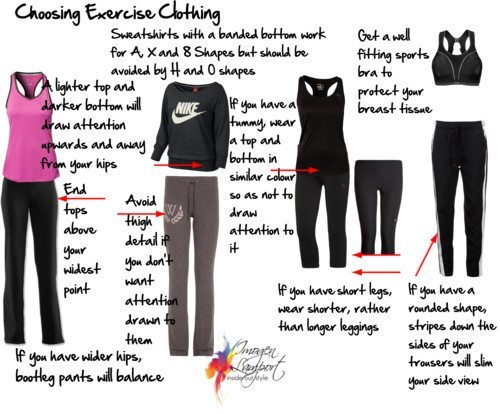
Credit: insideoutstyleblog.com
Making A Positive Impression At The Gym
Some worry about being judged for not having gym clothes. In reality, most gym users focus on their own workouts. Staff and trainers see beginners every day and understand that people use what they have.
If you’re concerned, smile, be polite, and focus on your workout. Confidence comes from action, not from clothing.
Table: Safe Substitutes For Gym Clothes
Here’s a quick guide to safe alternatives:
| Gym Item | Home Substitute | Notes |
|---|---|---|
| Sports Bra | Snug bra | Choose one without underwire |
| Leggings | Pajama pants | Look for stretchy material |
| Athletic shorts | Basketball shorts | Loose but not too baggy |
| Athletic socks | Thick cotton socks | Check for holes |
| Training shoes | Sneakers | Rubber soles, secure fit |
| Headband | Scarf or bandana | Absorbs sweat |
How To Upgrade Your Gym Outfit Over Time
As you get comfortable with exercise, you may want to invest in gym clothes. Here’s a simple plan:
- Start with shoes: Good sneakers reduce injury risk.
- Add moisture-wicking tops: These keep you dry.
- Buy supportive bottoms: Leggings or shorts that move with you.
- Get accessories: Headbands, wristbands, and towels.
Look for deals online or in local stores. Brands don’t matter—fit and comfort do.
What If You’re Still Unsure?
If you’re still worried, remember that the gym is a place for self-improvement. Most people start as beginners. You don’t need perfect clothes to get healthy. If you’re unsure about your outfit, ask the staff or a trainer. They’ll give honest advice and help you feel welcome.

Credit: themomedit.com
Non-obvious Insights
Many beginners don’t realize:
- Pajama pants with elastic waistbands can be better than jeans for flexibility.
- Layering a t-shirt under a button-up (with the button-up open) can control sweat and regulate temperature.
- Old sports uniforms (like school or club shirts) work well even if they aren’t branded gym clothes.
- Compression shorts worn under regular shorts prevent chafing.
These tips can help you avoid discomfort and enjoy your workout more.
The Importance Of Feeling Good
Your attitude is as important as your outfit. If you feel comfortable and confident, your workout will be better. Focus on how your clothes make you feel, not how they look.
Gym clothes are just tools. If you don’t have them, use what you have and keep going. Over time, you’ll learn what works best for your body and your routine.
Frequently Asked Questions
What If I Only Have Jeans Or Dress Pants?
Jeans and dress pants are not ideal. They restrict movement and can cause overheating. Try to find pajama pants, leggings, or shorts. If you must use jeans, choose a pair with stretch and avoid tight fits.
Can I Wear Flip-flops Or Sandals To The Gym?
No, flip-flops and sandals are unsafe. They offer no support and can cause injuries. Always wear sneakers or closed-toe shoes with rubber soles.
Is It Okay To Wear Regular Underwear Instead Of Athletic Underwear?
Yes, regular underwear is fine for most workouts. Avoid loose boxers, as they can bunch up. Choose briefs or boxer briefs for support. For women, a snug bra without underwire is best.
How Can I Keep My Clothes From Smelling After Workouts?
Wash your workout clothes after each use. Use a detergent with odor-fighting properties. Dry them fully before wearing again. Wearing dark colors or moisture-wicking fabrics helps reduce odor.
What Should I Do If I Feel Embarrassed About My Outfit?
Most gym-goers focus on their own workouts. Staff and trainers are used to beginners. If you’re worried, start with quieter times or bring a friend. Confidence grows as you keep going. The gym is about progress, not fashion.
Final Thoughts
Going to the gym without gym clothes is common, especially for beginners. You can use everyday items like t-shirts, leggings, sweatpants, and sneakers. The key is comfort, safety, and freedom of movement. Avoid clothes that restrict or overheat. Try your outfit at home before heading to the gym, and wash it after each use.
Remember: starting your fitness journey is more important than what you wear. Over time, you’ll discover what works best for your body and your routine. If you need help, ask staff or trainers—they want you to succeed. For more information on athletic wear and fitness, visit Wikipedia.
Your gym journey starts now, with whatever clothes you have. Take the first step and enjoy the process!
