

How Many Gym Clothes Do I Need Men: Essential Wardrobe Guide
How Many Gym Clothes Do I Need Men
Finding the right amount of gym clothes can be confusing. Maybe you’re starting your fitness journey, or you already go to the gym regularly. You might wonder if you have enough, or maybe too much. This question isn’t just about style—it’s about practicality, hygiene, and comfort.
The right number of gym clothes helps you avoid running out of clean options, saves time, and keeps your workouts enjoyable.
Many men think they need a big wardrobe for exercise, but that’s rarely true. Having too few makes laundry stressful, while too many wastes money and space. The answer depends on your workout routine, how often you wash clothes, and your personal preferences.
In this article, you’ll learn how to calculate exactly what you need, including advice for different types of workouts, practical tips, common mistakes, and a few non-obvious insights. By the end, you’ll know how to build a gym wardrobe that fits your life—without confusion.
Why The Number Of Gym Clothes Matters
If you don’t have enough gym clothes, your workout routine can suffer. You might skip sessions because you ran out of clean shirts, or wear damp, smelly gear. On the other hand, owning too many can make your closet messy and lead to wasted money.
Hygiene And Comfort
Sweat is a big part of exercise. Wearing clean clothes each session is crucial for skin health and avoiding body odor. Dirty clothes can cause irritation, rashes, or acne, especially in hot, humid environments. Comfort also matters—gym clothes should feel good on your body, not sticky or rough.
Time And Convenience
Having the right amount means you can focus on exercise, not laundry. If you work out often, you need enough clothes to last between washes. This saves time and makes your routine smoother.
Cost And Space
Gym clothes aren’t cheap. Buying only what you need prevents waste. It also helps you organize your closet, so you can quickly find what you’re looking for.
Factors To Consider Before Deciding
Before you buy or organize your gym clothes, think about these points. They help you find the right number for your lifestyle.
Workout Frequency
How often you exercise affects how many clothes you need. Someone who goes to the gym five times a week will need more than someone who goes twice. If you do intense workouts that make you sweat more, you may need extra shirts.
Laundry Schedule
If you wash clothes daily, you can get by with fewer gym outfits. But if you wash once a week, you’ll need enough clothes to last until your next laundry day.
Types Of Activities
Different workouts need different gear. For example, yoga requires flexible, soft clothes, while weightlifting may need sturdy, sweat-wicking fabrics. Outdoor running often needs layers, while indoor gym sessions are simpler.
Climate And Season
If you live in a hot area, you’ll sweat more and need to change clothes more often. In colder climates, you may need extra layers. Seasons affect what you wear and how many items you need.
Personal Preferences
Some men want a fresh shirt for every session, others don’t mind reusing. Your comfort level and style preferences matter. If you like variety, you might want more options.
Gym Dress Codes
Some gyms have rules about clothing, such as requiring sleeves or banning certain types of shorts. Check your gym’s policy so you don’t buy items you can’t use.
Credit: cultec.com
Essential Gym Clothes For Men
Let’s break down what items you need for most workouts. While some people like extras, these are the basics.
1. Workout Shirts/tops
Usually, you need one shirt per workout. Breathable, sweat-wicking fabrics are best. Cotton absorbs sweat and stays wet, so avoid it for intense sessions.
2. Workout Shorts/pants
Shorts are great for cardio and summer. Pants or leggings are helpful in colder weather or for certain activities like yoga.
3. Underwear
Moisture-wicking underwear helps prevent chafing and discomfort.
4. Socks
Athletic socks keep your feet dry. Extra pairs are useful if you do double workouts.
5. Shoes
Most men need at least one pair of gym shoes. Some activities require special shoes, like running or lifting.
6. Sweat Towel
Not clothing, but essential. Bring a small towel for wiping sweat during workouts.
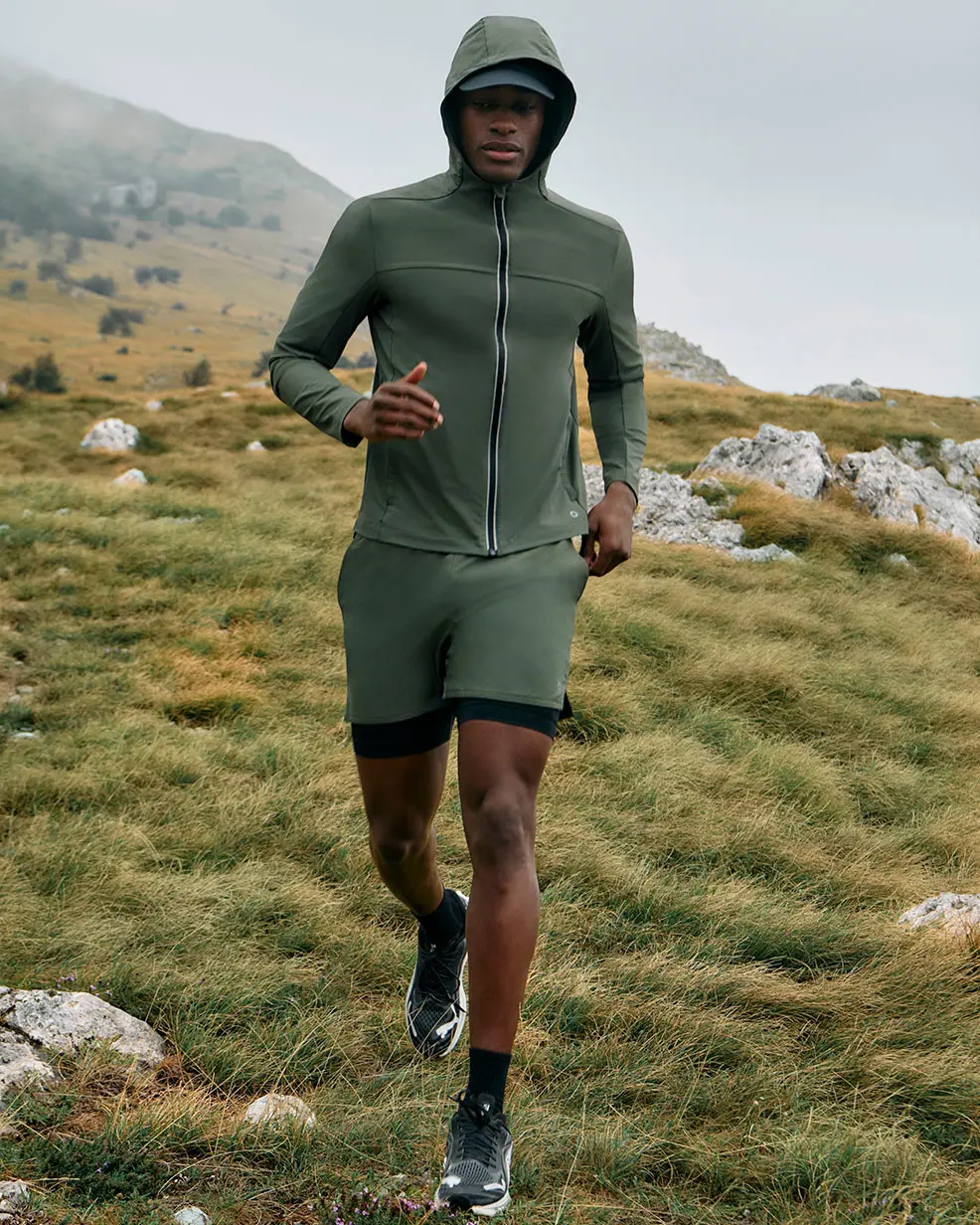
7. Outer Layer (jacket/hoodie)
Useful for warming up, outdoor runs, or chilly gyms.
8. Compression Gear
Optional, but many men find compression shorts, shirts, or sleeves help with support and muscle recovery.
How To Calculate The Right Number For You
Finding your ideal number is easy if you follow a simple formula. Let’s use some examples.
Step-by-step Calculation
1. Count Weekly Workouts
How Many Times Do You Exercise Each Week?
Example: 4 Times
2. Check Laundry Frequency
How Often Do You Wash Gym Clothes?
Example: Once A Week
3. Multiply
You need enough shirts, shorts, socks, and underwear to last between washes.
4 workouts × 1 week = 4 shirts, 4 shorts, 4 pairs of socks, 4 pairs of underwear
4. Add Extras
Always add one or two extra items in case of unexpected situations (extra sweaty sessions, skipped laundry, or travel).
Example Table: Weekly Gym Clothing Needs
| Item | Workouts per Week | Laundry Cycle (Days) | Recommended Quantity |
|---|---|---|---|
| Shirts | 4 | 7 | 5–6 |
| Shorts | 4 | 7 | 4–5 |
| Socks | 4 | 7 | 6 |
| Underwear | 4 | 7 | 6 |
| Shoes | — | — | 1–2 |
Special Cases
- If you sweat a lot, add extra shirts and socks.
- If you double up (morning and evening workouts), double your numbers.
- If you travel, pack more to cover the trip.
How Many Gym Clothes Do Most Men Actually Need?
Based on surveys and fitness experts, most men need:
- 5–7 workout shirts
- 4–6 pairs of shorts
- 6–8 pairs of socks
- 6–8 pairs of underwear
- 1–2 pairs of gym shoes
- 2 outer layers (hoodie, jacket)
- Optional: 2–3 compression items
This amount covers a week’s workouts, plus a couple of extras for emergencies. If you work out less, reduce the numbers. If you exercise more or sweat heavily, increase them slightly.
Comparison Table: Minimal Vs. Comfortable Gym Wardrobe
| Item | Minimal Wardrobe | Comfortable Wardrobe | Active Wardrobe |
|---|---|---|---|
| Shirts | 3 | 5–6 | 7–8 |
| Shorts | 2 | 4–5 | 6–7 |
| Socks | 3 | 6 | 8 |
| Underwear | 3 | 6 | 8 |
| Shoes | 1 | 2 | 2–3 |
| Outer Layer | 1 | 2 | 3 |
Choosing The Right Materials
The fabric of your gym clothes affects how many you need. Some materials dry quickly, so you can wash and wear again sooner. Others stay damp and require more frequent changes.
Best Fabrics For Gym Clothes
- Polyester: Quick-drying, lightweight, resists odor.
- Nylon: Durable, stretchy, dries fast.
- Spandex: Flexible, good for movement.
- Merino Wool: Soft, naturally resists odor, great for socks and underwear.
Avoid heavy cotton for intense workouts. It absorbs sweat and takes longer to dry.
Moisture Management
If your clothes dry quickly, you might need fewer items. You can rinse and hang them after each session. This is handy if you have limited space or travel often.
Odor Control
Some fabrics have anti-odor technology. This lets you use them more than once without smelling bad. Still, always wash after heavy sweat.
Gym Clothes For Different Activities
Workout gear varies by activity. Here’s what you need for popular exercises.
Cardio (running, Cycling, Hiit)
- Light, breathable shirts
- Shorts or tights
- Moisture-wicking socks
- Athletic shoes
Weightlifting
- Supportive shirt (sometimes sleeveless)
- Shorts or pants with stretch
- Compression gear (optional)
- Lifting shoes (optional)
Yoga And Stretching
- Flexible, soft tops
- Stretchy pants or shorts
- Barefoot or grip socks
Outdoor Workouts
- Layered clothing for weather changes
- Sun-protective fabrics
- Cap or hat
Swimming
- Swim trunks
- Towel
- Flip-flops
Activity Comparison Table
| Activity | Essential Gear | Optional Gear |
|---|---|---|
| Cardio | Shirt, Shorts, Socks, Shoes | Headband, Compression Socks |
| Weightlifting | Shirt, Shorts/Pants, Shoes | Compression Shirt, Wrist Wraps |
| Yoga | Flexible Top, Pants/Shorts | Grip Socks, Headband |
| Outdoor Run | Shirt, Shorts, Layer, Hat | Windbreaker, Gloves |
| Swimming | Swim Trunks, Towel | Swim Cap, Goggles |
Practical Tips For Managing Gym Clothes
Once you know how many you need, managing them is important. This makes your workout routine easier and keeps your clothes lasting longer.
Rotate Your Clothes
Don’t wear the same item every day. Rotating helps reduce wear and tear. It also keeps your clothes smelling fresh.
Wash Promptly
After each workout, wash your clothes soon. Sweat can cause bacteria and odors if left too long. If you can’t wash right away, air them out.
Store Properly
Keep gym clothes separate from regular clothes. Use a dedicated drawer or shelf. This helps you find them quickly and keeps everything organized.
Use A Gym Bag
A gym bag with a separate section for dirty clothes prevents smells from spreading. It also keeps your gear organized.
Dry Completely
Always dry clothes fully before storing. Dampness can cause mold and bad smells.
Replace When Needed
Gym clothes wear out faster than regular clothes. Replace them when they lose shape, smell, or show holes. Don’t wait until they’re unusable.

Credit: www.menshealth.com
Common Mistakes Men Make With Gym Clothes
It’s easy to make mistakes when buying or managing gym clothes. Avoid these to save money and frustration.
1. Buying Too Many
Some men buy lots of gym outfits but only use a few. This wastes money and space.
2. Buying Too Few
You might think you can get by with two shirts. But skipping laundry or sweating heavily leaves you without clean options.
3. Ignoring Fabric Quality
Cheap fabrics wear out fast and trap odor. Investing in good materials saves money in the long run.
4. Not Checking Gym Dress Codes
Buying sleeveless shirts for a gym that requires sleeves leads to wasted purchases.
5. Skipping Outer Layers
Not having a hoodie or jacket makes outdoor workouts uncomfortable.
6. Mixing Gym And Casual Clothes
Using gym clothes as casual wear shortens their lifespan and causes confusion.
7. Reusing Without Washing
Wearing the same shirt multiple times without washing can cause skin problems.
Non-obvious Insights For Beginners
Some tips aren’t obvious, but they make a big difference.
Quick-dry Trick
If you have limited gym clothes, choose quick-drying fabrics. After washing, hang them in a well-ventilated area or near a fan. They’ll be ready for your next workout much faster.
Backup Set
Keep one full set of gym clothes in your gym bag or car. If you forget or spill something, you won’t miss your session.
Layering For Flexibility
Instead of buying lots of different clothes for each season, layer your existing gear. Use lightweight shirts under hoodies or jackets. This saves money and space.
Double Duty
Some high-quality gym clothes are stylish enough for errands or casual outings. Choose neutral colors and simple designs if you want your gear to be versatile.
Tracking Usage
Use a simple system—such as color coding or arranging by day—to track which items you wear most. This helps you see if you need more or fewer pieces.
Gym Clothes For Travel And Special Situations
If you travel or attend fitness events, your needs change. Here’s how to prepare.
Packing For Travel
Take enough gym clothes for every workout, plus one extra. Quick-dry items are best. Pack a small laundry detergent for hand washing.
Events Or Competitions
Bring extra shirts, socks, and underwear. You may sweat more or need to change between activities.
Emergency Situations
Keep a backup set at work or in your car. This is useful for unexpected gym visits or outdoor activities.
Sustainable Choices And Longevity
Modern gym clothes come in eco-friendly materials. Choosing sustainable options reduces waste and lasts longer.
Eco-friendly Fabrics
Look for clothes made from recycled polyester, organic cotton, or bamboo. These are better for the environment and often more comfortable.
Caring For Your Clothes
Wash in cold water to protect fabric and color. Avoid strong detergents. Hang dry when possible.
Donating Or Recycling
When your gym clothes wear out, don’t throw them away. Many brands offer recycling programs. Donate usable items to charity.
How To Save Money When Buying Gym Clothes
You don’t need to spend a lot to build a good gym wardrobe. Here are some tips.
Buy In Bulk
Some stores offer discounts for buying packs of shirts or socks.
Look For Sales
Watch for seasonal sales or clearance events. You can find high-quality gear for less.
Prioritize Essentials
Spend more on shirts, shorts, and shoes, but buy budget options for socks and underwear.
Avoid Trendy Purchases
Trendy gym clothes often cost more and go out of style fast. Stick to classic colors and designs.
Use Loyalty Programs
Join store loyalty programs for extra discounts and rewards.
When To Replace Gym Clothes
Gym clothes don’t last forever. Here’s how to know when to replace them.
Signs It’s Time
- Fabric becomes thin or see-through
- Permanent odor even after washing
- Elastic loses shape
- Holes, tears, or fraying
If you notice these signs, replace the item. Don’t wait until it’s unwearable.

Credit: ca.gymshark.com
Building Your Gym Wardrobe: Practical Example
Let’s use a practical example. Imagine you’re a man who works out five times a week and washes clothes once a week.
Your Weekly Wardrobe
- 6 workout shirts
- 5 pairs of shorts
- 7 pairs of socks
- 7 pairs of underwear
- 2 pairs of shoes
- 2 hoodies/jackets
This setup gives you enough for every session, plus a backup. If you work out more, add another shirt or pair of shorts.
Advanced Example
If you do different activities, like running, yoga, and weightlifting, you might want:
- 3 light shirts for cardio
- 2 supportive shirts for lifting
- 2 flexible tops for yoga
- 3 pairs of shorts for cardio
- 2 pairs of pants for yoga
- 2 pairs of compression shorts
Mix and match based on your routine.
Gym Clothes And Skin Health
Wearing dirty or tight gym clothes can affect your skin. Here’s what to watch for.
Chafing
This happens when sweat and movement cause friction. Moisture-wicking fabrics and proper fit prevent chafing.
Acne
Sweaty clothes can trap bacteria, leading to acne. Always wear clean gear.
Rashes
Avoid clothes that are too tight or made from rough fabrics.
Storing And Organizing Gym Clothes
Keeping your gym wardrobe organized makes life easier.
Tips For Organization
- Use separate drawers or bins for gym clothes
- Arrange by item (shirts, shorts, socks)
- Use dividers to keep everything neat
- Hang jackets and hoodies
- Store shoes separately
An organized wardrobe helps you prepare faster and keeps clothes in good condition.
Frequently Asked Questions
How Often Should I Wash My Gym Clothes?
Wash gym clothes after every workout. Sweat and bacteria build up quickly. If you can’t wash right away, air them out to prevent odor.
Can I Wear The Same Gym Shirt Twice?
If you do light exercise and don’t sweat much, you might reuse a shirt once. For intense workouts, always use a fresh shirt. Wearing dirty clothes can cause skin issues.
Is It Necessary To Have Separate Gym Shoes?
Yes. Gym shoes are designed for exercise and provide support. Using regular shoes can cause injury and wear out faster. If you do different activities, consider having more than one pair.
What’s The Best Way To Store Gym Clothes?
Store gym clothes in a separate drawer or bin. Keep them folded or hung to prevent wrinkles. Use a gym bag for dirty items and always dry clothes fully before storing.
Are Expensive Gym Clothes Worth It?
Not always. High-quality fabrics are more comfortable and last longer, but you can find good options at reasonable prices. Look for features like moisture-wicking, durability, and odor resistance. Check reviews or trusted sources like Consumer Reports.
Final Thoughts
The right number of gym clothes depends on your routine, laundry habits, and preferences. Most men need 5–7 shirts, 4–6 shorts, and enough socks and underwear for each workout. Choose fabrics that dry quickly and resist odor. Keep your wardrobe organized, wash clothes promptly, and replace them when needed.
Avoid common mistakes like buying too many or too few, and use non-obvious tricks like keeping a backup set. With these steps, you’ll always have clean, comfortable gym clothes ready for your next session—without stress or waste.
