

What to Wear to Dance: Essential Outfit Tips for Every Style
What To Wear To Dance
Dancing is more than just movement—it's expression, energy, and connection. Whether you’re stepping into a studio for the first time or returning after a break, what you wear can shape your whole experience. The right dancewear helps you move freely, stay comfortable, and even boost your confidence.
But with so many styles and types of dance, the question “What should I wear to dance? ” can feel confusing.
This guide will take you through everything you need to know about dance attire. You’ll discover what to wear for different dance genres, why certain choices matter, and how to make smart decisions based on comfort, safety, and style. Along the way, you’ll learn tips most beginners overlook, and get clear advice to help you look and feel your best on the dance floor.
Why Dancewear Matters
Many people think dancewear is just about looking good, but it serves a bigger purpose. Clothes designed for dance allow your body to move without restriction. They help teachers see your alignment and technique, which is crucial for learning and improving.
Proper dance clothes also reduce the risk of injuries by supporting your muscles and joints.
Wearing the right outfit can increase your confidence. When you feel comfortable and prepared, you’re more likely to enjoy dancing and learn faster. In group classes, matching attire creates a sense of community and discipline.
Essential Qualities Of Good Dancewear
Before diving into specifics for each dance style, it’s helpful to know what makes a good dance outfit. Quality dancewear usually shares these features:
- Breathable fabric: Cotton blends, bamboo, and technical fabrics wick away sweat.
- Stretchiness: Materials like spandex or lycra let you move freely.
- Comfortable fit: Clothes should be snug but not tight. Baggy clothes can be a safety risk.
- Secure closures: Zippers, drawstrings, or elastic keep clothes in place.
- Minimal distractions: Avoid items with large buttons or zippers that can catch or scratch.
- Easy care: Most dancewear is machine washable for convenience.
Choosing outfits with these qualities makes it easier to focus on dancing, not your clothes.
What To Wear For Different Dance Styles
Every dance style has its own traditions and practical needs. Here’s a detailed guide to the most popular genres.
Ballet
Ballet is known for its strict dress codes. Most studios require:
- Leotard: Fitted and stretchy, lets teachers see your posture. Colors may be assigned by level.
- Tights: Pink or skin-colored, footed or convertible.
- Ballet shoes: Soft slippers made of leather or canvas with flexible soles.
- Skirt: Optional, usually short and sheer for visibility.
- Hair: Tied up in a bun or secured away from the face.
For men, the typical outfit is a fitted t-shirt or tank, black tights, and white or black ballet shoes. Supportive dance belts are often required.
Practical Tips For Ballet
- Bring extra hair ties and pins in case your bun loosens.
- Try your shoes on at the studio for the best fit; ballet shoes should be snug but not painful.
- If you’re taking pointe classes, always wear the right pointe shoes and toe protection.
Jazz
Jazz dance allows for more personal style, but comfort and movement are still key.
- Leotard or fitted top: Allows teachers to see your lines.
- Jazz pants or leggings: Stretchy and ankle-length. Shorts are okay in warmer studios.
- Jazz shoes: Slip-on or lace-up with split soles for flexibility.
- Hair: Pulled back from the face.
Some jazz classes permit tank tops or crop tops, but avoid anything too loose. For performances, you might need more specific costumes.
Insights For Jazz Dancers
- Try different jazz shoes (leather vs. canvas) to see what you prefer; each offers a different grip.
- Avoid jewelry—it can catch or distract during turns and jumps.
Contemporary And Modern
Contemporary and modern dance focus on expression and floor work, so your clothes must be both fitted and flexible.
- Fitted tank or tee: Allows full arm movement.
- Leggings or footless tights: Essential for floor work and sliding.
- Bare feet or half-sole shoes: Many classes are done barefoot for grip.
- Knee pads: Optional, but helpful for floor-heavy routines.
Loose shirts are sometimes allowed, but it’s better to check with your teacher. Modern classes may ask for socks or special foot gloves.
What Beginners Miss
- Knee pads can prevent bruises if you do a lot of floor work—many new dancers skip these and regret it later.
- Footless tights are better than regular tights for this style, as you often need to grip the floor.
Hip-hop
Hip-hop is one of the most flexible dance styles when it comes to clothing. The look is casual, but safety is still important.
- Loose t-shirt or tank: Allows airflow and movement.
- Sweatpants, joggers, or shorts: Baggy but not so long they cause tripping.
- Sneakers: Supportive and with clean soles. Some studios require shoes only used inside.
- Cap or bandana: Optional, but keeps hair out of your eyes.
Hip-hop is about individual style, so feel free to add your own flair—just avoid anything that might catch or fall off.
Useful Details
- Indoor-only sneakers keep the floor clean and prevent slips.
- Layers (hoodies, jackets) are great for warm-ups but should be removed for tricks or spins.
Ballroom
Ballroom dancing has two main categories: Latin (like cha-cha, samba) and Standard (like waltz, tango). Both have specific attire.
For Women
- Fitted top or bodysuit: Often with a skirt for Latin, or a long dress for Standard.
- Ballroom shoes: Closed-toe for Standard, open-toe for Latin. Heels should be stable and not too high for practice.
- Tights or fishnets: Depending on the style and comfort.
For Men
- Dress shirt or fitted tee: Lightweight and breathable.
- Dress pants or dance trousers: Slightly stretchy for movement.
- Ballroom shoes: Leather-soled for smooth sliding.
Ballroom Tips
- Practice in your dance shoes at home to break them in; new shoes can be stiff and slippery.
- Check the heel height—start lower if you’re new, as high heels increase the risk of injury.
Latin Dance (salsa, Bachata, Etc.)
Latin dances are energetic and often fast-paced, so clothes should move with you.
- Fitted dress or skirt and top: Skirts often have slits or ruffles for flair.
- Latin dance shoes: Flexible, with a suede sole and ankle strap for women.
- Dressy shirt and pants: For men, fitted but not tight.
- Minimal jewelry: For safety during spins.
Latin Dance Insights
- Shoe straps should be secure; loose shoes can fly off during spins.
- Bring a small towel—Latin dance is sweaty work.
Tap
Tap dancing is all about rhythm, so your footwear matters most.
- Tap shoes: With metal plates on the toe and heel. Lace-up or slip-on styles.
- Fitted pants or leggings: Avoid wide legs that can catch your heels.
- Comfortable tee or tank: Breathable for warm studios.
What To Remember
- Break in your tap shoes before class for better sound and comfort.
- Avoid thick socks—they can make your shoes too tight.
Musical Theatre
Musical theatre dance combines jazz, ballet, and acting, so you need versatile clothing.
- Leotard or fitted top: Allows movement.
- Leggings, jazz pants, or shorts: Depending on choreography.
- Jazz shoes or character shoes: Required for most classes.
- Dance belt: For men, if jumps or lifts are involved.
Practical Pointers
- Character shoes have a small heel and are used in many performances—practice in them if possible.
- Bring layers for quick changes between acting and dancing sections.
Social Dancing (swing, Lindy Hop, Etc.)
Social dance events are fun and relaxed, but clothes should still allow for movement.
- Casual dresses or skirts: For women, with shorts underneath for comfort.
- Button-down shirt and trousers: For men, with a belt that won’t dig in.
- Low-heeled dance shoes: Smooth soles for spinning, but not slippery.
- Flat shoes or sneakers: For more relaxed styles.
Real-world Advice
- Avoid long necklaces or big earrings—they can hit your partner during turns.
- Check the dress code for the venue; some clubs require dressier outfits.
K-pop Dance
K-Pop dance classes blend hip-hop, jazz, and street styles. Outfits are modern and often inspired by music videos.
- Loose t-shirt or crop top: Trendy and comfortable.
- Joggers, cargo pants, or shorts: For easy movement.
- Sneakers: Lightweight and supportive.
- Accessories: Hats or sweatbands, but nothing that could fall off.
Key Details
- Try to match the song’s vibe—some classes encourage themed outfits.
- Bring a water bottle—these classes can be intense.
Folk And Cultural Dances
Traditional dances have unique dress codes, often linked to cultural customs.
- Specific costumes: Like saris, kimonos, or folkloric dresses.
- Flat shoes or barefoot: Depending on the dance.
- Accessories: Sometimes required, such as scarves, belts, or hats.
Important Advice
- Ask your teacher about required clothing. Some studios provide costumes for performances.
- Practice in your costume at least once before a show; traditional outfits can feel very different from regular clothes.
Dancewear For Kids
Children’s dance classes focus on comfort, safety, and fun. Young dancers need clothes that fit well and stay put.
- Leotards and tights: For ballet, jazz, or tap.
- Shorts and t-shirts: For hip-hop or creative movement.
- Proper shoes: Always required for safety.
- No jewelry: Except for small, stud earrings.
It’s smart to label your child’s clothes and shoes. Dance studios can be busy, and items often get mixed up.
Dancewear For Adults
Adults returning to dance often worry about body image or flexibility. The right clothes can help you feel comfortable.
- Supportive undergarments: Sports bras, dance belts, or compression wear.
- Layers: Start with a cover-up and remove as you warm up.
- Personal style: Many adult classes are more relaxed, so choose clothes that make you feel good.
Remember, there’s no age limit to dance. Comfortable clothing helps you focus on learning, not comparing yourself to others.
How To Choose The Right Dance Shoes
Shoes are the foundation of your dance outfit. The wrong shoes can cause blisters, pain, or even injuries. Here’s what you need to know:
| Dance Style | Shoe Type | Key Features |
|---|---|---|
| Ballet | Ballet slippers (canvas or leather) | Snug fit, flexible sole |
| Jazz | Jazz shoes | Split-sole, lightweight |
| Hip-Hop | Sneakers | Cushioned, non-marking sole |
| Ballroom | Ballroom shoes | Suede or leather sole, stable heel |
| Tap | Tap shoes | Metal plates, secure fit |
Common Shoe Mistakes
- Wearing street shoes in the studio—these can bring in dirt and damage floors.
- Choosing the wrong size—dance shoes should be more fitted than regular shoes.
- Skipping socks—some shoes need thin socks for comfort, while others are best barefoot.
If you’re unsure, ask your teacher or a dancewear store for help. Trying on shoes at the end of the day, when your feet are slightly swollen, gives a more realistic fit.
Dance Accessories: What To Bring
Besides clothes and shoes, a few accessories can make your dance class more enjoyable:
- Water bottle: Hydration is essential.
- Towel: For wiping sweat.
- Extra hair ties/pins: To keep hair secure.
- Small bag: For shoes and personal items.
- Deodorant and wipes: For longer sessions.
- Notebook: To jot down corrections or choreography.
Avoid bringing valuables. Studios are busy and items can get lost.
What Not To Wear To Dance
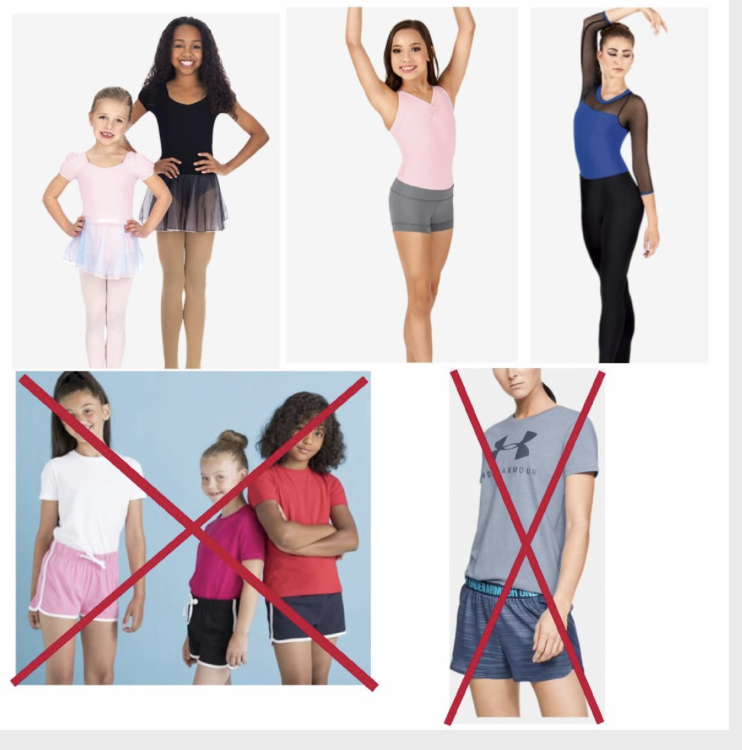
Some items might seem comfortable but are not safe or practical for dancing.
- Jeans or stiff pants: Restrict movement.
- Baggy, oversized tops: Hide your body lines and may catch on equipment.
- Long necklaces or big earrings: Can get caught or cause injury.
- Flip-flops or sandals: Offer no support.
- Heavy makeup or perfume: May run with sweat or bother others.
Wearing the wrong clothes can distract you and your classmates, and even lead to accidents.
Credit: www.fredastaire.com
Dressing For Dance Practice Vs. Performance
Your practice outfit and performance costume are often quite different.
For Practice
- Focus on fit, comfort, and function.
- Choose moisture-wicking fabrics.
- Bring layers for warm-ups and cool-downs.
For Performance
- Costumes are often chosen by the teacher or choreographer.
- Costumes may include sequins, feathers, or props.
- Always do a dress rehearsal to check for issues.
It’s vital to practice at least once in your performance costume. Sometimes, sequins or straps can surprise you during complex moves.
How To Care For Dancewear
Good dancewear can be an investment. Taking care of your clothes and shoes makes them last longer.
- Wash after each use: Sweat can damage fabric and elastic.
- Air dry: High heat can shrink or weaken materials.
- Store shoes in a bag: Keeps them clean and protected.
- Spot-clean costumes: Delicate materials may not survive the washing machine.
For shoes, use a suede brush on ballroom soles and keep tap shoes dry to prevent rust.
Dancewear For All Body Types
Dance is for every body. Most dancewear brands offer a range of sizes, but it can take time to find what fits you best.
- High-waisted leggings: Offer support and coverage.
- Built-in bras: Helpful for added support.
- Stretchy materials: Accommodate movement and shape.
If you feel self-conscious, start with extra layers and remove them as you gain confidence. The dance community values progress, not perfection.
Environmentally Friendly Dancewear
Sustainability matters in dance, too. Some brands now use recycled or organic materials. You can also:
- Buy second-hand: Dancewear swaps or resale groups are common.
- Repair minor damage: Sewing a small hole can extend life.
- Donate old clothes: Many studios collect outgrown items for new dancers.
Being mindful about your choices helps the environment and your wallet.
Credit: www.downstagedance.com
Cost Of Dancewear
Dancewear prices vary widely depending on the brand, quality, and style.
| Item | Average Price Range | Worth the Investment? |
|---|---|---|
| Leotard | $20–$60 | Yes, buy quality for durability |
| Dance Shoes | $30–$120 | Essential, don’t skimp |
| Practice Clothes | $15–$40 | Buy basics, mix and match |
| Performance Costume | $50–$200+ | May be provided by studio |
Buying a few quality items is better than filling your bag with cheap clothes that wear out quickly.
How To Find The Best Dancewear For You
- Visit a dance store for fittings; online sizing can be tricky.
- Ask classmates or teachers for recommendations; they know what works.
- Read reviews for comfort, durability, and fit.
- Try different brands—some fit smaller or larger than expected.
Don’t settle for uncomfortable clothes. The right outfit makes dancing more enjoyable.

Credit: www.youtube.com
Real-world Example: Preparing For Your First Class
Imagine you’ve signed up for a jazz class. You’re excited but unsure what to wear. Here’s what you might do:
- Call or email the studio to ask about the dress code.
- Visit a dance store to try on jazz shoes and leggings.
- Choose a fitted tank and bring a sweatshirt for warm-up.
- Pack a water bottle and extra socks.
- Arrive early and see what others are wearing.
You notice most dancers wear black leggings and bright tops. You feel comfortable and ready to learn, and you’re not distracted by slipping shoes or uncomfortable seams.
Common Mistakes And How To Avoid Them
- Ignoring the dress code: Always check with your studio to avoid being turned away.
- Prioritizing fashion over function: Choose comfort and safety first.
- Wearing new shoes on performance day: Break them in during practice.
- Forgetting spare clothes: Especially for long classes or workshops.
- Not labeling items: Especially important for kids or group classes.
Where To Learn More
If you want to explore further, check out this official resource from the Wikipedia: Dancewear for more background and history.
Frequently Asked Questions
What Should I Wear If I’m New To Dance And Unsure Of The Style?
Start with fitted, stretchy clothes like leggings and a t-shirt, plus sneakers or socks. Avoid jeans, skirts, or anything that could restrict movement. Ask your teacher in advance if you’re not sure.
Can I Wear Regular Workout Clothes To Dance Class?
For many styles like hip-hop or jazz, workout clothes are fine as long as they’re stretchy and comfortable. However, for ballet and ballroom, it’s better to wear traditional dancewear for safety and technique.
Do I Need Special Shoes For Every Type Of Dance?
Yes, special shoes are designed for each dance type. Ballet slippers, jazz shoes, tap shoes, and ballroom shoes all have unique features. Wearing the right shoes helps prevent injury and improves your performance.
How Do I Take Care Of My Dance Shoes?
Air out shoes after each class, wipe soles clean, and keep them dry. For suede soles, use a soft brush. Never machine wash dance shoes, and avoid wearing them outside.
Is It Okay To Wear Jewelry While Dancing?
It’s best to avoid jewelry—rings, long necklaces, and dangling earrings can get caught or cause injuries. Small, stud earrings are usually acceptable.
Dressing properly for dance is about more than just fashion. It’s about respecting your body, your teacher, and the art form. With the right clothes, you’ll be ready to move, learn, and enjoy every moment on the dance floor.
