

Best Dance Workout Clothes: Top Picks for Comfort and Style
When you step onto the dance floor, your clothes do more than cover your body—they set the tone for your workout, affect your performance, and impact your confidence. Whether you’re spinning through a high-energy Zumba class, moving with precision in ballet, or breaking a sweat in hip hop, choosing the best dance workout clothes can make a surprising difference. Too tight, and you’ll feel restricted; too loose, and you might get distracted or even risk an accident. But with countless styles and fabrics available, how do you know what really works?
This guide cuts through the confusion. It covers everything you need to know about selecting dance workout clothes: what matters most, the best pieces for different dance styles, how to compare materials, and key insights that even regular dancers sometimes overlook. You’ll also discover common mistakes, practical tips, and answers to the most asked questions about dance attire. Whether you’re a beginner or have years of experience, you’ll find advice here to help you look great and move freely every time you dance.
Why The Right Dance Workout Clothes Matter
Dance is more than just movement—it's expression, fitness, and sometimes even therapy. But the wrong clothing can turn a great session into an uncomfortable struggle. The ideal dance workout clothes:
- Support freedom of movement so you can stretch, leap, or twirl without restriction.
- Help manage sweat to keep you comfortable and focused.
- Reduce the risk of injury by providing the right amount of support and coverage.
- Boost your confidence with flattering styles and colors.
Surprisingly, many beginners think regular gym clothes or old t-shirts are enough. But dance involves unique movements—bending, sliding, jumping—that need specific features in your clothing. For example, ballet leggings differ from yoga pants, and a Zumba top isn’t the same as a jogging shirt.
Key Features To Look For In Dance Workout Clothes
When choosing clothes for dance workouts, focus on these essential features:
- Breathable fabrics: Materials like cotton blends, bamboo, and moisture-wicking synthetics help keep you cool and dry.
- Stretch: Look for clothes with spandex or elastane, which allow for a full range of motion.
- Fit: Clothes should hug your body without squeezing, offering support without restricting movement.
- Durability: Dance can be tough on clothes. Reinforced seams and quality stitching matter.
- Style: Choose designs that make you feel confident—whether classic black or bold prints.
- Layering options: Studios can be chilly or hot. Layering lets you adjust easily.
Many dancers forget to check the seams and waistbands. If they’re rough or too tight, you’ll feel it during long rehearsals.
Types Of Dance Workout Clothes
Depending on your dance style and workout routine, your ideal outfit may change. Here’s a breakdown of the main pieces and their uses.
Tops
Tops for dance workouts vary widely:
- Tank tops: Popular for their breathability and arm freedom.
- Crop tops: Great for high-heat classes and those who prefer less coverage.
- Fitted tees: Offer more coverage but still allow movement.
- Sports bras: Essential for support, especially in high-intensity dance styles.
Tip: For layered looks, try a sports bra under a loose tank.
Bottoms
Your lower half works hard in dance, so your bottoms matter:
- Leggings: The most popular choice, offer support and flexibility.
- Capris: Good for warmer studios or when you want more airflow.
- Shorts: Ideal for hip hop or high-intensity classes.
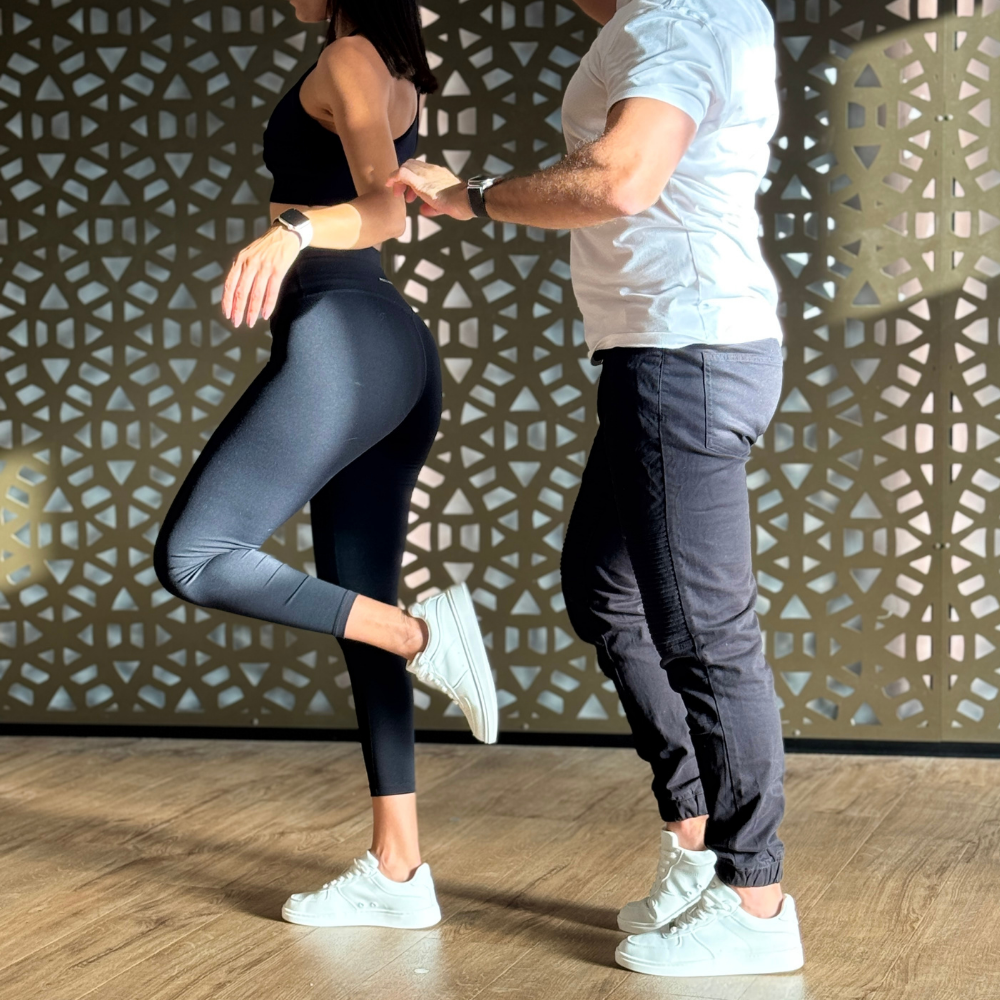
- Joggers: Great for street dance or warm-up routines.
Look for high-waisted designs if you want extra core support.
Footwear
Not all dance workouts need shoes, but when they do:
- Jazz shoes: Flexible and durable.
- Sneakers: Needed for Zumba, hip hop, or cardio dance.
- Ballet slippers: Lightweight for smooth gliding.
- Barefoot: Some modern classes encourage bare feet for grip and foot strength.
Outerwear
For warming up or cooling down:
- Wrap sweaters: Classic for ballet.
- Zip-up jackets: Easy to remove as you get warm.
- Loose sweatshirts: Good for cool studios.
Many dancers forget to bring layers, which can make warm-up and cool-down uncomfortable.
Best Fabrics For Dance Workout Clothes
Not every fabric handles sweat and movement equally. Let’s compare the best options:
| Fabric | Main Benefit | Common Uses | Drawback |
|---|---|---|---|
| Cotton Blend | Soft, comfortable | Tops, leggings | Holds sweat |
| Polyester | Moisture-wicking | Leggings, tanks | May hold odor |
| Spandex/Elastane | High stretch | All items | Not very breathable alone |
| Bamboo | Eco-friendly, soft | Tops, socks | Can be pricey |
| Nylon | Quick-drying | Sports bras, leggings | Less natural feel |
A common beginner mistake: picking pure cotton because it feels soft. Cotton soaks up sweat and stays wet, which can make you chilly or cause chafing. Blends with spandex or polyester are usually better for dance.
Dance Styles And Their Clothing Needs
Each dance style has its own culture—and that affects what you wear. Here’s how to match your clothes to your class:
Ballet
- Leotards: Classic choice, supports posture awareness.
- Tights: Offer coverage and allow for easy leg movement.
- Wrap skirt: Optional, adds flow and style.
- Ballet slippers: Essential for most classes.
Ballet clothes should show your lines, so avoid baggy fits.
Hip Hop
- Loose joggers or sweatpants: Allow for jumps and slides.
- Graphic tees or tanks: Express your style.
- High-top sneakers: Support for ankles.
Hip hop is about comfort and personality, so experiment with layers and colors.
Contemporary/modern
- Fitted leggings or shorts: For floorwork and stretching.
- Simple tanks or bras: Let your movements show.
- Barefoot or foot undies: For grip and foot articulation.
Minimalist clothes help the teacher see your form.
Zumba/cardio Dance
- Breathable tanks: You’ll sweat a lot.
- Supportive sports bras: For high-impact moves.
- Stretchy leggings or shorts: Move with you.
- Dance sneakers: Cushion jumps and turns.
Bright colors are popular, but comfort is more important.
Latin/ Ballroom
- Flowy skirts or dresses: For spins and flair.
- Fitted tops: Stay in place during movement.
- Dance heels or split-sole shoes: Designed for spins.
Beginners often skip specialized shoes, but the right footwear protects your joints.
How To Choose The Best Dance Workout Clothes For Your Needs
There’s no single “best” outfit for everyone. Here’s how to make the smartest choice:
- Consider your dance style: Ballet needs different clothes than Zumba.
- Think about studio temperature: Bring layers for chilly studios.
- Prioritize fit over fashion: A trendy design is useless if it pinches.
- Check the care instructions: Some fabrics need special washing.
- Try before you buy: Move around in the fitting room. If something feels off, it’ll be worse during class.
- Read reviews: Other dancers will mention durability, sizing, and comfort.
Non-obvious insight: Pay attention to the waistband. If it rolls down during squats or jumps, you’ll be fixing it all class. High-rise, wide waistbands tend to stay put.
Comparison: Dance Workout Clothes Vs. Regular Gym Clothes
Many people wonder if they can wear their regular gym clothes for dance. Here’s a direct comparison:
| Feature | Dance Workout Clothes | Regular Gym Clothes |
|---|---|---|
| Range of Motion | Designed for stretching and dynamic movement | Often tighter or bulkier |
| Support | Sports bras and leggings offer targeted support | May lack support for jumping or spinning |
| Durability | Reinforced for sliding, floorwork | May wear out faster with dance moves |
| Style | More expressive, creative designs | Often plain or basic |
| Sweat Management | Moisture-wicking and quick-drying | Varies by brand |
Takeaway: While gym clothes can work in a pinch, investing in real dance workout clothes will upgrade your comfort and performance.
Top Recommended Dance Workout Clothing Brands
Certain brands stand out for their quality, fit, and style. These are favorites among professional and amateur dancers:
- Bloch: Known for ballet and jazz attire, offers long-lasting leotards and tights.
- Capezio: Great range for all dance styles, from leotards to jazz pants.
- Nike: Their Pro line offers high-stretch leggings and supportive bras.
- Lululemon: Famous for soft, durable leggings and tanks.
- Alo Yoga: Stylish, high-performance pieces loved for contemporary dance.
- Adidas: Offers flexible, breathable options for hip hop and street dance.
- Zumba Wear: Bright, durable clothes designed for cardio dance.
- Reebok: Comfortable leggings and tops for various dance styles.
- So Danca: Ballet and Latin dance specialists with excellent fit.
- Sansha: Affordable, classic dance basics.
Each brand has its own fit, so check size charts and reviews before buying.

Credit: www.refinery29.com
Practical Tips For Buying And Wearing Dance Workout Clothes
- Buy two of your favorites: If you find a perfect pair of leggings or a top, buy a backup.
- Wash after every use: Sweat can damage fabrics and cause odors.
- Hang dry when possible: Preserves stretch and shape.
- Avoid fabric softeners: They can reduce moisture-wicking properties.
- Rotate your outfits: This helps them last longer and keeps things fresh.
- Pack extras: Always bring an extra top or sports bra to class.
- Personalize with accessories: Headbands, wristbands, or unique socks add flair.
A tip many overlook: test your outfit with a full range of dance moves at home before wearing it to class. Squat, stretch, jump, and twist—see if anything rides up, slips, or restricts you.
Common Mistakes To Avoid
Even experienced dancers sometimes get it wrong. Watch out for these pitfalls:
- Ignoring fit: Baggy clothes can hide your form and even trip you.
- Choosing pure fashion: Some trendy outfits aren’t made for real movement.
- Forgetting about sweat: If you sweat heavily, moisture-wicking fabrics are a must.
- Skipping support: A basic bra or old underwear won’t protect you during jumps.
- Wearing jewelry: Rings, necklaces, or hoop earrings can snag or cause injury.
Pro insight: Many dancers wear old street clothes to save money, but these can lead to discomfort and even skin irritation during long classes.
Caring For Your Dance Workout Clothes
Good dance wear isn’t cheap, so proper care matters:
- Wash in cold water: Hot water can shrink or damage elastic fibers.
- Use gentle detergent: Harsh chemicals break down technical fabrics.
- Turn clothes inside out: Protects colors and prints.
- Air dry: Preserves elasticity and shape.
- Store flat or folded: Hanging can stretch some fabrics.
With the right care, quality dance clothes can last for years—even with regular use.
How The Right Clothes Affect Performance And Confidence
The way you feel in your clothes can impact your dance experience in unexpected ways. A study in the International Journal of Fashion Design found that dancers wearing well-fitted, comfortable clothes had better posture, more energy, and higher confidence levels. When you’re not distracted by shifting waistbands or sweaty fabric, you focus better and perform at a higher level.
This isn’t just about looking good. It’s about mental comfort, too. When you feel supported and stylish, you’re more likely to push your limits and enjoy the process.
Environmentally Friendly Options
Eco-conscious dancers are looking for sustainable choices. Brands like Girlfriend Collective and Wolven offer leggings and tops made from recycled plastics or bamboo. These choices are not only better for the planet, but they’re often softer and just as durable as traditional materials.
One insight many miss: sustainable fabrics can also be more breathable, reducing odor and irritation.
For more about eco-friendly fashion and fabric choices, you can read the detailed guide at Good On You.
How To Build A Dance Workout Wardrobe On A Budget
Dance clothes don’t have to break the bank. Here’s how to stretch your dollars:
- Start with basics: A few quality pieces will serve you better than many cheap ones.
- Shop off-season: Buy winter layers in spring and tanks in fall.
- Look for sales: Brands often discount previous collections.
- Try secondhand: Many dance shops resell gently used items.
- DIY customization: Add patches or dye plain clothes for a unique look.
Remember, fit and comfort matter more than logos or trends.
Credit: www.pulsedanceshoes.com
Accessories That Improve Your Dance Workout
The right accessories can make your session smoother:
- Sweatbands: Keep hair and sweat out of your face.
- Dance socks: Special grip socks prevent sliding on studio floors.
- Water bottle: Hydration is key for any workout.
- Small towel: Quick wipe-down keeps you focused.
- Drawstring bag: Carry your gear easily.
A less obvious tip: Consider compression sleeves for calves or arms if you’re prone to muscle fatigue. These can support blood flow during long rehearsals.
How To Dress For Online Dance Workouts
With more people joining online dance classes from home, your clothing needs may change:
- Wear bright colors: Helps teachers see you on camera.
- Avoid busy patterns: Can create visual noise on video.
- Check your lighting: Wear contrasting clothes to your background.
- Skip shoes if on carpet: Protects your floors and joints.
A unique tip: Place a small mirror behind your camera to check your alignment during moves.

Credit: themomedit.com
Table: Sample Dance Outfit Combinations By Style
Here are some ready-to-wear combos you can try:
| Dance Style | Top | Bottom | Footwear | Accessory |
|---|---|---|---|---|
| Ballet | Leotard | Tights | Ballet slippers | Wrap sweater |
| Hip Hop | Graphic tee | Joggers | Sneakers | Beanie |
| Contemporary | Tank top | Leggings | Barefoot | Headband |
| Zumba | Sports bra | Shorts | Dance sneakers | Sweatband |
| Ballroom | Fitted top | Flowy skirt | Dance heels | Bracelet |
Mix and match these pieces to find your ideal outfit.
What Advanced Dancers Do Differently
Advanced dancers often take more care with their clothing. Here are two subtle habits they have:
- Test clothing under stage lights: Some fabrics become see-through or shiny under bright lights, so they test at home before performing.
- Customize fit: They may have waistbands or straps altered for a perfect fit, reducing distraction.
Another point: advanced dancers often keep a “backup outfit” in their bag in case something rips or becomes uncomfortable.
When To Replace Your Dance Workout Clothes
No matter how well you care for them, dance clothes wear out. Here’s when to swap them:
- Lost elasticity: If leggings or bras don’t snap back, it’s time.
- Persistent odor: Some smells won’t wash out.
- Visible wear: Holes, pilling, or see-through spots.
- Fit changes: If you’re constantly adjusting, upgrade.
Investing in new clothes isn’t just about style—it’s about safety and comfort.
Frequently Asked Questions
What Is The Most Important Feature In Dance Workout Clothes?
The most important feature is freedom of movement. Clothes should stretch and move with your body without restricting jumps, bends, or spins. Moisture-wicking is also key for comfort during long or intense sessions.
Can I Wear Regular Leggings For Dance?
You can, but dance-specific leggings often have stronger seams, better stretch, and higher waistbands for security. Regular fashion leggings may slide down or restrict certain movements.
How Many Outfits Do I Need For Weekly Dance Classes?
It’s best to have at least three to four sets so you’re not forced to re-wear sweaty clothes. More frequent dancers should have extra to allow for laundry days.
What Should I Avoid Wearing To A Dance Workout?
Avoid baggy clothes, jewelry, and pure cotton. Baggy clothes can get in the way or hide your form, jewelry can cause injuries, and cotton soaks up sweat, leading to discomfort.
Where Can I Learn More About Sustainable Dancewear?
You can learn more from trusted resources like Good On You, which rates brands on their environmental and ethical practices.
---
Choosing the best dance workout clothes is about more than style—it’s about feeling great, moving freely, and expressing yourself. With the right choices, you’ll enjoy every step, spin, and jump, both on the dance floor and beyond.
