

What to Wear First Day of Work Business Casual: Expert Style Tips
What To Wear First Day Of Work Business Casual
Starting a new job is a big moment. You want to make a positive first impression, and what you wear is a huge part of that. The first day can feel stressful, especially when the dress code is business casual. This phrase sounds simple, but in reality, business casual can mean different things in different workplaces. Wearing the right outfit helps you look professional, feel confident, and show respect for your new team.
Many people worry about making mistakes with their first-day outfit. Should you wear a blazer? Are jeans allowed? What about shoes? You don’t want to overdress or underdress. The truth is, business casual is about balance: you look polished, but not too formal. It’s about blending comfort, style, and professionalism.
This guide gives you practical, clear advice. You’ll learn what to wear, what to avoid, and how to adapt your outfit to your workplace. We’ll cover both men’s and women’s options, real examples, and insider tips that beginners often miss.
You’ll see comparison tables, get answers to common questions, and discover how to build a business casual wardrobe with confidence. By the end, you’ll feel ready to walk into your new job looking your best.
Understanding Business Casual
Business casual is not the same everywhere. Some companies are strict, while others are relaxed. The general idea is to look neat and professional, but with less formality than a suit and tie.
Business casual usually means:
- No full suits or ties for men
- No formal dresses or pant suits for women
- Avoiding jeans, sneakers, and t-shirts
- Choosing dress pants, blouses, button-down shirts, and closed-toe shoes
But these rules can change. Tech companies often have a more relaxed style. Finance, law, or consulting firms expect a sharper look. This is why your first day matters—you learn the company’s real culture.
Common Elements Of Business Casual
Most workplaces share these basics:
- Collared shirts (button-down, polo)
- Dress pants or chinos
- Knee-length skirts or dresses
- Blouses or sweaters
- Closed-toe shoes (loafers, flats, low heels)
- Simple accessories
Avoid anything too casual or too flashy. If you are unsure, lean toward being slightly more formal on your first day.
Why First Impressions Matter
Your outfit tells people a lot about you before you even speak. Studies show that people judge professionalism and confidence based on appearance within the first few seconds. According to a survey by CareerBuilder, 49% of employers say how you dress affects your chances of getting promoted.
Looking polished shows you respect the workplace and take your job seriously. Dressing appropriately also helps you feel confident. When you look good, you focus better, interact more easily, and start your career on a positive note.
Business Casual For Men
Many men find business casual confusing. Here’s how to build a simple, smart outfit that works for most offices.
Key Pieces For Men
- Dress Shirt: Choose a button-down shirt in a solid color or simple pattern. Light blue, white, or pale gray are safe choices.
- Dress Pants or Chinos: Go for tailored pants in navy, gray, or beige. Avoid jeans unless you know they are allowed.
- Sweater or Cardigan: A thin knit over your shirt can look smart and adds comfort.
- Blazer (Optional): If you want to be a bit more formal, a blazer is a good choice. But skip the full suit.
- Belt: Match your belt with your shoes for a clean look.
- Dress Shoes: Leather loafers, oxfords, or brogues are ideal. Make sure they are clean and polished.
Example Business Casual Outfit For Men
- Light blue button-down shirt
- Navy chinos
- Brown belt and brown loafers
- Gray knit sweater (optional)
- Simple watch
What To Avoid
- Athletic shoes or sneakers
- T-shirts or tank tops
- Jeans (unless confirmed)
- Loud patterns or logos
- Shorts
Insider Tip For Men
Many beginners forget the importance of fit. Even the best clothes look sloppy if they are too loose or too tight. Take time to check the fit of your shirt and pants. If needed, visit a tailor for simple adjustments.
This small step makes a big difference.
Business Casual For Women
Women have more choices, but this also means more chances for confusion. The key is to aim for modest, neat, and comfortable pieces.
Key Pieces For Women
- Blouse or Top: Choose solid colors or gentle patterns. Avoid anything too sheer or low-cut.
- Dress Pants or Slacks: Tailored pants in black, navy, or gray are always safe.
- Knee-Length Skirt: Pencil or A-line skirts work well. Avoid mini-skirts or anything too tight.
- Dress or Midi Dress: Simple dresses are a good choice. Go for sleeves or add a cardigan.
- Cardigan or Blazer: Layers help you adjust to office temperatures and look polished.
- Flats, Loafers, or Low Heels: Closed-toe shoes are safest. Avoid sandals or very high heels.
Example Business Casual Outfit For Women
- White blouse
- Black dress pants
- Navy cardigan
- Black loafers
- Simple necklace
What To Avoid
- Flip-flops or sandals
- Tight or revealing clothing
- Jeans (unless confirmed)
- Large, distracting jewelry
- Leggings (unless covered by a dress)
Non-obvious Insight For Women
Many women forget about comfortable shoes. You might walk more than expected in a new job, visiting different departments or attending meetings. New shoes can cause blisters. Always break in your shoes before your first day, or bring a backup pair.
How To Prepare Before Your First Day
Preparation is key. You don’t want to rush in the morning and realize your shirt is wrinkled or your shoes are dirty. These practical steps help you avoid common mistakes.
- Check Company Policy: Ask HR or your manager about the dress code. Look at employee photos or LinkedIn for clues.
- Plan Your Outfit: Lay out everything the night before. Make sure your clothes are clean and pressed.
- Try On Your Outfit: Check the fit and comfort. Move around to see if anything feels tight or awkward.
- Pack Essentials: Bring a notebook, pen, and any paperwork. Don’t forget breath mints and a water bottle.
- Prepare for Weather: Bring an umbrella or coat if needed. Offices can be cold, so layers help.
Mistakes Beginners Make
- Assuming business casual means jeans and t-shirts
- Ignoring company culture clues
- Wearing new shoes without breaking them in
- Forgetting to iron clothes
- Over-accessorizing
Adapting To Different Workplaces
Business casual means something different in every industry. Here’s how to adapt your outfit to fit the company culture.
Tech Companies
Tech firms are often relaxed. Jeans might be allowed, but avoid graphic t-shirts or sneakers on your first day. Stick to smart casual: chinos, a neat shirt, and loafers.
Finance And Law
These fields are more formal. Go for a crisp shirt, dress pants, and maybe a blazer. Women should avoid bright colors and stick to classic pieces.
Creative Agencies
You can be more expressive, but don’t go too wild. Choose unique accessories or colors, but keep the base outfit simple.
Retail Or Customer-facing Roles
Dress neatly and comfortably. You may need to stand or walk a lot, so choose practical shoes.
| Industry | Men | Women | Extra Tips |
|---|---|---|---|
| Tech | Chinos, button-down, loafers | Blouse, dress pants, flats | Skip blazer unless unsure |
| Finance/Law | Dress pants, shirt, blazer | Knee-length skirt, blazer | Stay classic, avoid bright colors |
| Creative | Patterned shirt, chinos | Midi dress, cardigan | Show personality with accessories |
| Retail | Comfortable pants, polo | Simple top, comfortable shoes | Expect to be on your feet |
Business Casual Vs. Other Dress Codes
Knowing the difference between business casual and other dress codes helps you avoid mistakes. Here’s a clear comparison.
| Dress Code | Men | Women | Main Features |
|---|---|---|---|
| Business Formal | Suit, tie, dress shoes | Pant suit, formal dress | Full suit, conservative |
| Business Casual | Dress shirt, chinos | Blouse, dress pants/skirt | No tie, less formal |
| Smart Casual | Polo, neat jeans | Sweater, casual skirt | Mix formal and casual |
| Casual | T-shirt, jeans, sneakers | T-shirt, jeans, sneakers | Relaxed, anything goes |
Building A Capsule Business Casual Wardrobe
If you want to be ready for any workday, build a capsule wardrobe. This means you have a few key pieces that mix and match easily.
For Men
- 3-4 button-down shirts
- 2-3 pairs of chinos or dress pants
- 1-2 sweaters or cardigans
- 1 blazer
- 2 pairs of dress shoes
For Women
- 2-3 blouses
- 2 pairs of dress pants
- 1 knee-length skirt
- 1-2 simple dresses
- 2 cardigans or blazers
- 2 pairs of closed-toe shoes
Mixing these pieces gives you many outfit choices. You save money, look consistent, and avoid morning stress.
Non-obvious Insight
Many people don’t realize the power of neutral colors. If your clothes are navy, black, gray, or beige, they always match. This makes it easy to get dressed and look coordinated.
Accessories And Grooming
Accessories are part of business casual, but keep them simple. A watch, belt, or small necklace adds polish. Avoid anything loud or distracting.
Grooming Tips
- Hair should be neat, not messy
- Nails should be clean and trimmed
- Avoid heavy perfume or cologne
- Minimal makeup is best
- Men should shave or trim facial hair
Grooming is often overlooked but makes a big impact. You look more organized and ready to work.
Real-life Examples: First Day Success Stories
Hearing what others did can help you feel less nervous. Here are real stories from new employees who nailed their business casual look.
Emma, new at a marketing firm, wore a navy dress, beige cardigan, and flats. She noticed that most women wore similar outfits. Her boss complimented her on her neat style.
Jake started at a tech company. He saw online photos and chose khaki pants, a white shirt, and brown loafers. He felt comfortable and noticed he fit right in.
Priya joined a bank. She wore gray dress pants, a pale blue blouse, and low heels. She brought a blazer just in case. Her manager said she looked “perfectly professional.”
These examples show that looking at company photos and preparing ahead really works.

Credit: www.reddit.com
Seasonal And Weather Considerations
Weather changes your outfit choices. Here’s how to adjust for different seasons.
Summer
- Choose lightweight fabrics (cotton, linen)
- Wear short sleeves or roll up sleeves
- Avoid sandals unless company allows
Winter
- Add a sweater or blazer
- Wear thicker fabrics (wool, tweed)
- Closed-toe shoes are safer
Rainy Days
- Bring an umbrella
- Choose water-resistant shoes
- Layer with a light jacket
You never want to be uncomfortable or caught off guard. Always check the forecast and plan ahead.
Practical Tips For Comfort
Comfort matters as much as style. You don’t want to spend your first day adjusting your clothes or dealing with sore feet.
- Try sitting, standing, and walking in your outfit before your first day
- Avoid itchy fabrics or tags
- Wear layers for changing office temperatures
- Choose shoes you can walk in for hours
- Bring a backup item (extra shirt or pair of shoes)
Comfort helps you focus on work, not your outfit.
:max_bytes(150000):strip_icc()/327220403_3349674091971127_8707245342438761839_n-b8d7651d57234befb45e581521107688.jpg)
Credit: www.byrdie.com
Common Questions And Concerns
Many people worry about small things. Here are answers to common concerns.
- Can I wear jeans? Only if you know they are allowed. Otherwise, stick to dress pants.
- Are sneakers okay? Usually not. Choose loafers or dress shoes.
- How much should I spend? You don’t need designer brands. Clean, well-fitting clothes are more important than price.
- What if I make a mistake? Don’t panic. Most companies expect new employees to adjust. Learn from day one and adapt.
Data: Business Casual Trends
Business casual is becoming more popular. According to a survey by Society for Human Resource Management, over 60% of US workplaces use business casual as their main dress code.
Interestingly, companies with business casual policies report higher employee satisfaction and retention. People feel comfortable but still look professional.
Companies also notice that employees who dress appropriately are more likely to be promoted. Dressing well signals you care about your job and company.
Business Casual Checklist For Your First Day
Before your first day, review this checklist:
- Check company dress code or ask HR
- Pick clean, pressed clothes
- Try on outfit for fit and comfort
- Break in shoes
- Prepare layers for weather/office
- Keep accessories simple
- Groom hair and nails
- Pack essentials: Notebook, pen, water
- Arrive early
- Observe what others wear and adjust as needed
This checklist helps you avoid mistakes and feel ready.
Observing And Learning From Colleagues
Your first day is about learning. Take time to observe what your coworkers wear. Are people more relaxed? Do they wear jeans? Are blazers common?
Use your first week to adjust your wardrobe. Many companies allow more casual clothes after the first day, once you understand the culture.
Insider Tip
Don’t rush to buy many new items before you start. Wait until you see what others wear. This saves money and helps you fit in.
Making Business Casual Your Own
As you settle in, you can add personality to your outfits. Try a colorful blouse, a patterned tie, or interesting shoes. Just keep the base outfit professional.
You can also adjust your style for comfort. Some offices are cold, so keep a sweater at your desk. Some allow more casual Fridays, so plan ahead.
Business casual doesn’t mean boring. It’s about finding your style within the rules.
Handling Dress Code Changes
Dress codes sometimes change. You might get an email about “casual Fridays,” or see coworkers wearing jeans after a few weeks.
If you’re unsure, ask HR or your manager. It’s better to ask than guess. Companies appreciate employees who want to fit in.
If the rules change, update your wardrobe slowly. Don’t throw out your business casual clothes—you’ll still need them for meetings or events.
Business Casual For Remote Work
More people work from home now. But if you have video calls, you still need to look professional.
- Choose a neat shirt or blouse
- Avoid pajamas or t-shirts on camera
- Keep your background tidy
- Dress pants are optional, but you may need them if you stand up
Remote business casual is about looking good from the waist up. It helps you feel focused and ready.
Frequently Asked Questions
What If I Don’t Have Business Casual Clothes Yet?
Don’t worry. Start with simple items you own: a plain button-down, neat pants, and clean shoes. You can add more pieces over time. Thrift stores and online shops offer affordable options.
Can I Wear Bright Colors On My First Day?
It’s best to stick to neutral colors on your first day. Once you see what others wear, you can add brighter colors or patterns.
Are Accessories Important In Business Casual?
Yes, but keep them simple. A watch, belt, or small necklace is enough. Avoid large jewelry or flashy items.
How Do I Handle Different Dress Codes In The Same Company?
Some departments are stricter than others. If you move between departments, dress for the most formal group. Ask HR for guidance if needed.
Is It Okay To Ask Coworkers About The Dress Code?
Absolutely. Most people are happy to help new employees. Asking shows you care about fitting in.
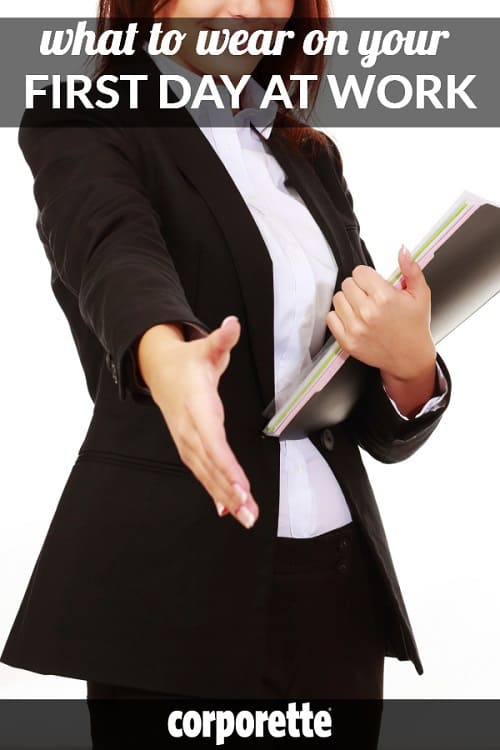
Credit: corporette.com
Bringing It All Together
Your first day at work is your chance to show professionalism and confidence. Business casual is about balance: you look neat, comfortable, and ready to work. Start with simple pieces, check the company culture, and adapt over time. Remember, fit and grooming matter as much as the clothes themselves. By preparing ahead, watching what others wear, and making small adjustments, you’ll create a business casual look that helps you succeed.
For deeper ideas about dress codes, you can visit the Wikipedia Dress Code page.
Your outfit is just the start of your career journey. With these tips, you’re ready to walk in with confidence and make a great impression.
