

What Do People Wear for Business Casual: Essential Style Guide
What Do People Wear For Business Casual
Business casual is one of the most common dress codes in offices around the world, but it is also one of the most misunderstood. Many people ask, “What do people wear for business casual?” because the answer is not always clear. One company may expect blazers and dress shoes, while another allows jeans and polo shirts. Getting it right is important: dressing too formally or too casually can affect how colleagues and managers see you. The good news is that business casual is flexible, and with the right guidance, anyone can master it and feel confident at work.
This article explains what business casual really means, why it exists, and what people actually wear in business casual settings. You will learn about key clothing items for men and women, how to choose the right pieces, and what to avoid.
There are real examples, visual tables, and answers to common questions. Whether you are starting a new job, preparing for an interview, or simply want to upgrade your work wardrobe, this guide will help you look professional and feel comfortable—without confusion.
Understanding Business Casual: What Does It Mean?
Business casual is a dress code that blends formal business wear with elements of casual style. It is less strict than traditional business attire, but still looks neat and professional. This dress code is popular in office settings, especially in industries like tech, education, and marketing.
The idea behind business casual is to make employees feel comfortable while still maintaining a polished appearance. It’s a balance between looking too relaxed and being overdressed. For example, a business suit with a tie is not required, but jeans with sneakers and a t-shirt are usually too informal.
The challenge is that business casual can mean different things depending on the company, country, or even the city. For example, a tech startup in Silicon Valley may allow more relaxed outfits, while a law firm in New York may expect a higher standard.
This is why it’s important to understand your specific workplace expectations.
Key Elements Of Business Casual Attire
Business casual outfits have a few basic rules, but there is also room for personal style. Here are the essential elements for both men and women:
For Men
- Shirts: Collared shirts are standard. This includes button-down shirts, polos, and sometimes sweaters. Bright colors or bold patterns are usually avoided.
- Pants: Dress pants, chinos, or khakis are best. Jeans may be allowed in some workplaces, but they should be dark, well-fitted, and free of holes.
- Shoes: Leather shoes, loafers, or dress boots are common. Sneakers are only acceptable in very relaxed offices.
- Blazers/Sport Coats: Optional but a good way to add professionalism.
- Accessories: Simple belts, watches, and sometimes a tie (but not required).
For Women
- Tops: Blouses, button-up shirts, sweaters, or smart tops. Avoid anything too revealing or with loud patterns.
- Pants/Skirts/Dresses: Tailored pants, pencil skirts, midi skirts, or business-appropriate dresses. Length should be at or below the knee.
- Shoes: Flats, loafers, low to medium heels, or dressy boots. Open-toed shoes are sometimes allowed but avoid flip-flops or sandals.
- Blazers/Cardigans: These can add a professional touch, especially for meetings.
- Accessories: Keep jewelry simple. Scarves or modest necklaces can add personality.

Credit: www.realestate-tokyo.com
Comparing Business Casual To Other Dress Codes
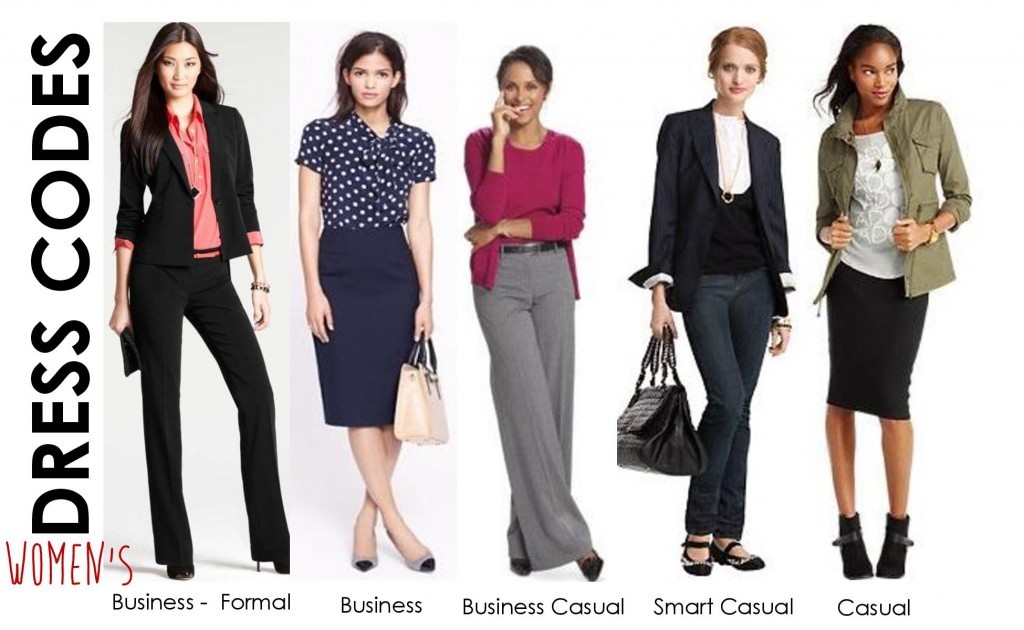
To better understand business casual, it helps to see how it compares to other common dress codes. Here is a visual comparison:
| Dress Code | Typical Clothing | Formality Level |
|---|---|---|
| Formal Business | Suits, ties, dress shirts, formal shoes | Very High |
| Business Casual | Collared shirts, slacks, blouses, skirts, loafers | Medium |
| Smart Casual | Polos, dark jeans, sweaters, stylish shoes | Low to Medium |
| Casual | Jeans, t-shirts, sneakers, hoodies | Low |
Business casual sits comfortably in the middle. It is less strict than formal business, but more polished than casual wear. Smart casual is a newer dress code that often overlaps with business casual, but it allows for even more personal style.
Typical Business Casual Outfits: Real Examples
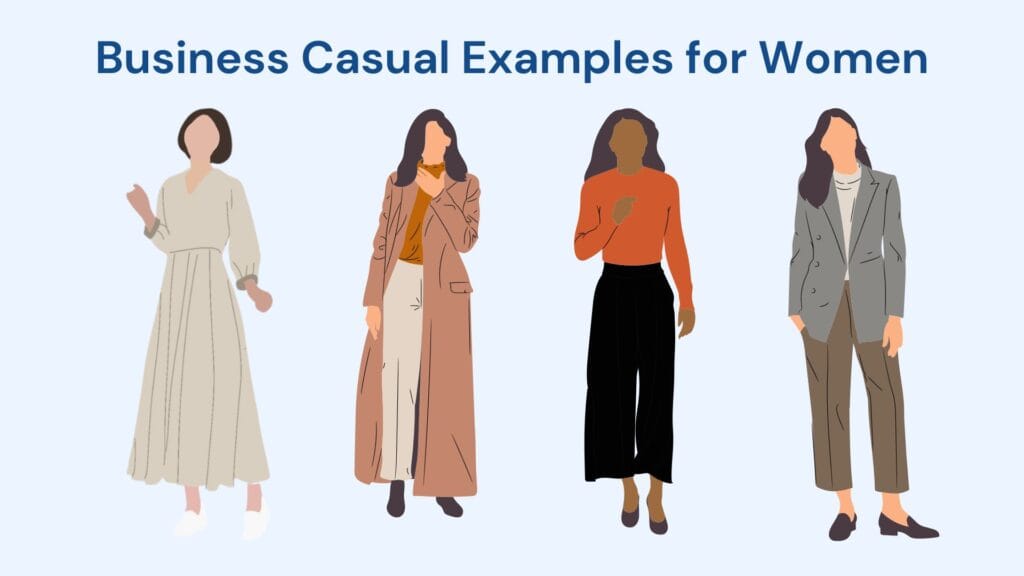
People often learn best by example. Here are some typical business casual outfits that fit most workplaces:
Men
- Navy chinos, a light blue button-up shirt, brown leather belt, and loafers.
- Charcoal dress pants, white polo shirt, gray sweater, and black dress boots.
- Olive khakis, checked button-down shirt (soft colors), and brown loafers.
- Black dress pants, light gray shirt, navy blazer, and oxford shoes.
Women
- Black tailored pants, cream blouse, navy cardigan, and black ballet flats.
- Navy pencil skirt, white button-up shirt, tan blazer, and nude low heels.
- Gray midi dress, burgundy belt, light scarf, and ankle boots.
- Khaki trousers, teal sweater, statement necklace, and loafers.
These combinations show the flexibility of business casual. You can mix and match pieces, but the look should always be clean, tidy, and not too flashy.
Choosing The Right Business Casual Clothes
Selecting business casual outfits involves more than just following a list. Here are some tips to help you make smart choices:
Fit Matters Most
No matter what you wear, clothing should fit your body well. Baggy shirts or too-tight pants look unprofessional. Tailored or well-fitting pieces always look smarter, even if they are simple.
Colors And Patterns
Neutral colors work best: navy, gray, black, beige, and white. Soft colors like light blue, blush, or olive are also good. If you like patterns, keep them small and subtle—like thin stripes or small checks.
Quality Over Quantity
Invest in a few high-quality pieces instead of many cheap ones. Good fabrics last longer and look more professional. For example, a wool blazer or leather shoes can be used for years.
Seasonal Adjustments
Business casual changes slightly with the weather. In summer, lighter fabrics like cotton or linen are acceptable. In winter, wool or heavier knits are fine. Just avoid shorts, tank tops, or anything that looks like beachwear.
Practical Insight
A common beginner mistake is focusing only on the top layer—like a nice shirt—but ignoring shoes or pants. Every part of your outfit matters. Even a small detail, like a worn-out belt, can affect your overall appearance.
What Not To Wear For Business Casual
Knowing what to avoid is just as important as knowing what to wear. Here are items that are usually not allowed in business casual offices:
- T-shirts: Even plain ones are too informal.
- Ripped jeans: Any clothing with holes or distress is not suitable.
- Athletic wear: Sweatpants, leggings (unless under a long tunic), and sneakers should be left at home.
- Flip-flops or sandals: These are not professional.
- Shorts or mini-skirts: Too casual and not office-appropriate.
- Loud logos or graphics: Clothing with large logos, slogans, or graphics can look unprofessional.
- Tank tops or spaghetti straps: These are usually too revealing.
- Heavy perfume or cologne: Not clothing, but strong scents are not appreciated in many workplaces.
Some companies relax the rules on Fridays or during special events, but these items are almost always outside the business casual standard.
Business Casual By Industry: Differences And Expectations
Business casual is not the same everywhere. It changes depending on the type of company, the city, and even the country. Here’s how business casual can look in different workplaces:
Tech Companies
Tech firms often have the most relaxed version of business casual. Jeans and polo shirts are common. Sneakers may be allowed. However, for client meetings or presentations, a blazer is a good idea.
Finance And Law
Banks, law firms, and consulting companies usually expect a higher standard. Blazers, dress shirts, and classic shoes are normal. Jeans are rarely accepted, even if they are dark and neat.
Creative Industries
Advertising, design, and media companies allow for more personality. Bright colors, trendy shoes, and bold accessories may be welcomed, as long as the outfit still looks professional.
Education And Healthcare
Teachers, administrators, and non-clinical healthcare workers usually wear comfortable, practical business casual. Cardigans, simple dresses, and comfortable shoes are standard.
Small Businesses And Startups
Dress codes in small businesses can be very flexible. Sometimes, the owner or manager sets the tone. It is safest to start more formal and adjust after seeing what others wear.
Gender Differences And Inclusivity
Business casual has traditionally been divided into “men’s” and “women’s” styles. However, many workplaces now recognize that gender is not binary, and people should dress in a way that fits their identity while staying within professional guidelines.
Unisex options like dress pants, button-up shirts, and blazers work for everyone. The key is to choose clothing that fits well, feels comfortable, and respects the spirit of business casual. If you are unsure, look at what respected colleagues wear, or ask your HR department for advice.
Credit: gardner-webb.edu
Essential Business Casual Wardrobe Pieces
Building a business casual wardrobe doesn’t require many items. Here’s a summary of must-have pieces for most people:
| Item | Description | Why It’s Essential |
|---|---|---|
| Dress Shirt | Button-up, long or short sleeve, solid or small pattern | Versatile and always professional |
| Chinos/Slacks | Tailored, neutral color | Comfortable and polished |
| Blazer/Sport Coat | Single-breasted, simple style | Adds instant professionalism |
| Blouse/Smart Top | Soft fabrics, modest neckline | Works alone or layered |
| Pencil Skirt/Midi Dress | Knee-length or below, simple shape | Classic and comfortable |
| Smart Shoes | Loafers, ballet flats, low heels | Practical and sharp |
| Sweater/Cardigan | Fine knit, solid color | Layering for warmth and style |
| Simple Accessories | Belts, watches, discreet jewelry | Shows attention to detail |
With these pieces, you can create many different outfits without spending too much time or money.
Common Myths And Mistakes About Business Casual
Many people make mistakes when dressing business casual, especially if they are new to the workforce. Here are some common myths and the truth behind them:
Myth 1: Business Casual Means You Can Wear Anything
Some people think business casual means there are no rules. In reality, it is still a professional dress code. Clothes should be clean, pressed, and appropriate for an office.
Myth 2: Jeans Are Always Acceptable
Jeans are only allowed in some workplaces. Even if they are, they should be dark, without rips, and worn with a nice shirt and shoes.
Myth 3: Only Expensive Brands Look Professional
You do not need to buy expensive brands. Fit, color, and fabric matter more than the label. Many budget-friendly stores offer great business casual options.
Myth 4: You Must Wear A Blazer Every Day
A blazer is useful but not required daily. Sweaters, cardigans, or neat shirts are also suitable.
Non-obvious Insight
A detail many beginners miss: ironing your clothes is as important as choosing the right ones. Wrinkled clothing makes even the best pieces look careless. Another tip: always check for stains, missing buttons, or loose threads before leaving home.
Credit: www.theforage.com
How To Build A Business Casual Wardrobe On A Budget
Looking professional doesn’t have to be expensive. Here’s how to build your wardrobe smartly:
- Start with the basics: Buy a few pairs of dress pants, a couple of shirts, and one pair of good shoes.
- Choose neutral colors: Black, navy, gray, and beige mix well with each other.
- Add one blazer or cardigan: This can change the look of any outfit.
- Shop sales or outlet stores: You can find quality pieces at lower prices.
- Buy one piece at a time: Build slowly, only adding what you really need.
- Care for your clothes: Follow washing instructions so items last longer.
This approach helps you avoid impulse buys and ensures every item fits your style and needs.
Business Casual For Interviews
If you are interviewing for a job with a business casual dress code, it is better to dress slightly more formally than you expect others to dress daily. This shows respect and preparation. For men, this might mean a blazer with chinos and a button-up shirt.
For women, a dress or skirt with a blouse and smart shoes works well.
Avoid very casual items, bold jewelry, or bright colors. When in doubt, ask your recruiter what is expected. First impressions matter, and it is easier to relax your outfit later than to recover from being underdressed.
Adapting Business Casual For Remote Work
Remote work is now common, and many people wonder how business casual applies when working from home. While you may not need to dress fully for the office, wearing business casual tops—like a collared shirt or blouse—helps you look professional on video calls.
Wearing proper pants and shoes is also useful when you need to stand up during a call. Dressing well, even at home, can also improve your focus and separate work from leisure time.
Business Casual Dress Codes Around The World
The meaning of business casual can change from country to country. For example:
- In Japan, business casual is quite formal: Dark pants, white shirts, and conservative shoes.
- In Northern Europe, smart jeans with a blazer may be common.
- In some parts of the Middle East, modesty is important, so long sleeves and covered legs are required.
If you travel or work in an international company, always check local expectations. What is normal in one country can be seen as too casual or too formal in another.
Data: How Employees Feel About Business Casual
Surveys show that most employees prefer business casual over strict formal wear. According to a study by OfficeTeam, about 56% of workers feel more productive in business casual clothes compared to traditional business attire. Another survey by SHRM found that 60% of companies in the US use a business casual dress code, making it the most popular choice.
These numbers show that business casual is here to stay, and learning how to dress for it is a smart investment in your career.
Sample Weekly Business Casual Outfit Plan
To help you visualize how to dress business casual throughout the week, here’s a sample plan:
| Day | Men’s Outfit | Women’s Outfit |
|---|---|---|
| Monday | Navy chinos, white button-down, brown loafers | Black pants, cream blouse, navy cardigan, flats |
| Tuesday | Gray slacks, light blue shirt, black dress boots | Pencil skirt, light sweater, black low heels |
| Wednesday | Olive khakis, checked shirt, tan loafers | Midi dress, thin belt, ankle boots |
| Thursday | Black dress pants, gray polo, navy blazer | Khaki trousers, teal top, statement necklace, flats |
| Friday | Dark jeans (if allowed), white shirt, casual blazer | Dark jeans (if allowed), blouse, cardigan, loafers |
This plan shows how you can rotate pieces to create many different looks, keeping your wardrobe fresh and interesting.
When To Adjust Your Business Casual Look
Sometimes, you need to adjust your business casual outfit for special events:
- Client meetings: Add a blazer or wear dressier shoes.
- Presentations: Wear more formal colors and avoid patterns.
- Company parties: You can add a touch of personality but stay professional.
Pay attention to your company’s calendar or ask colleagues if you are unsure. Dressing one step up for important days is always better than being too relaxed.
Business Casual For All Body Types
Everyone deserves to feel confident in business casual clothes. Here are tips for different body types:
- Tall or slim: Layer with a sweater or blazer to add shape.
- Petite: Choose high-waisted pants or skirts to elongate your legs.
- Curvy: Look for tailored jackets and A-line skirts to balance proportions.
- Plus size: Structured fabrics and darker colors create a smart silhouette.
Remember, comfort is important. Avoid anything that restricts movement or feels too tight. Try clothes on before buying, and use a tailor for the best fit when possible.
Sustainable Business Casual: Eco-friendly Choices
Eco-friendly fashion is growing in popularity, even for workwear. Here are ways to make your business casual wardrobe more sustainable:
- Buy fewer, better pieces: Quality lasts longer and reduces waste.
- Choose natural fabrics: Cotton, linen, and wool are biodegradable.
- Support ethical brands: Look for companies that pay fair wages and use safe materials.
- Second-hand shopping: Thrift stores and online platforms offer business casual clothes at lower prices.
- Care for your clothes: Washing in cold water and air drying help garments last.
Sustainable choices are not only good for the planet but also make your wardrobe unique and thoughtful.
Final Thoughts: Mastering Business Casual
Business casual is about balance. It gives you the freedom to express your style, but it also demands professionalism and attention to detail. When in doubt, choose simple, well-fitting clothes in neutral colors. Pay attention to shoes and accessories, keep everything clean and pressed, and always aim for comfort and confidence.
The best way to master business casual is to observe, ask questions, and adjust as you learn what works in your workplace. Over time, you will find a style that feels natural and helps you perform at your best. For more in-depth guidance and examples, the Wikipedia entry on business casual is a helpful resource.
Frequently Asked Questions
What Is The Main Difference Between Business Casual And Formal Business Attire?
The main difference is the level of formality. Formal business attire requires suits, ties, and dress shoes. Business casual allows more relaxed pieces like chinos, cardigans, and simple blouses, with no need for a tie or formal jacket.
Can I Wear Jeans In A Business Casual Office?
You can wear jeans only if your workplace allows them. If yes, choose dark, well-fitted jeans without rips or designs. Always pair them with a smart top and shoes to maintain a professional look.
Are Sneakers Ever Acceptable For Business Casual?
Sneakers are only appropriate in very relaxed offices, usually in tech or creative industries. Even then, choose clean, simple sneakers in neutral colors. In most traditional offices, stick to loafers, oxfords, or flats.
How Do I Know If My Outfit Is Too Casual?
Ask yourself: Would I wear this to a family picnic or a lounge? If yes, it’s probably too casual. Business casual should always look tidy, polished, and suitable for an office setting. When in doubt, add a blazer or choose dressier shoes.
What Should I Do If I’m Not Sure About My Company’s Dress Code?
If you are unsure, start with more formal business casual items and observe what others wear. You can also ask your manager or HR for guidance. It’s always better to be a bit overdressed at first than too casual.
With these tips and examples, you can confidently answer the question: “What do people wear for business casual?” and build a wardrobe that suits your needs—wherever you work.
