

What Time of the Day is Best for Gym? Find Your Peak Hour
What Time Of The Day Is Best For Gym
Finding the best time to go to the gym is a question many people ask, especially when starting a fitness routine. Some prefer early mornings, others like afternoons, and many enjoy evenings. But is there a “perfect” time for everyone?
The answer is more complex than it seems. Your ideal gym time depends on your goals, daily schedule, body’s natural rhythm, and even your lifestyle. Choosing the right time can boost your results, help you stick to your routine, and make workouts feel easier.
Let’s explore how timing affects performance, fat loss, muscle gain, and motivation—and help you decide when to hit the gym for the best results.
Why Gym Timing Matters
The time you exercise can influence your energy, strength, recovery, and progress. It’s not just about convenience; your circadian rhythm (body’s internal clock) affects hormone levels, body temperature, and alertness through the day. This impacts how you feel during workouts.
For example, cortisol, a hormone that helps you wake up, is highest in the morning. Testosterone, important for muscle growth, peaks at similar times. Body temperature rises throughout the day, reaching its highest in the late afternoon or early evening.
These changes affect your strength, endurance, and flexibility.
Many people believe gym timing makes little difference, but studies show it can impact performance and adaptation. Let’s break down the science and practical factors behind choosing your gym time.
Morning Workouts: Benefits And Challenges
Morning workouts are popular for those with busy days or strict schedules. Exercising in the morning means you’re done before other tasks begin. But does it suit everyone?
Advantages Of Morning Gym Sessions
- Consistency: Fewer distractions. Most people have fewer commitments in the early hours.
- Boosted metabolism: Exercise increases calorie burn, which can help with weight loss.
- Improved mood: Physical activity releases endorphins, which can make you feel happier for the rest of the day.
- Better sleep: Morning training reduces the risk of insomnia or poor sleep quality.
- Less crowded gyms: Early hours often mean less waiting for equipment.
- Mental clarity: Starting the day with exercise can help you focus and feel energized.
Challenges Of Morning Workouts
- Lower body temperature: Muscles may feel stiff, and risk of injury can be higher.
- Reduced strength: Performance may be lower compared to afternoon/evening.
- Harder to wake up: Motivation can be tough, especially for night owls.
- Limited fuel: If you train before breakfast, low blood sugar can reduce intensity.
How To Maximize Morning Gym Performance
- Warm up longer to boost flexibility and reduce injury risk.
- Eat a light snack (banana, yogurt, small smoothie) if needed for energy.
- Prepare gym clothes and bag the night before to make mornings easier.
- Start with lighter weights and build up as you wake up.
Credit: igrs.itu.edu.tr
Afternoon Gym Sessions: Balancing Energy And Schedule
Afternoons are a sweet spot for many because energy levels rise, and the body is fully awake. You can eat a meal or snack before exercise, which helps performance.
Advantages Of Afternoon Workouts
- Peak body temperature: Muscles are warmer, reducing injury risk.
- Higher strength and endurance: Studies show performance improves later in the day.
- Flexible schedule: Lunch breaks or mid-day slots offer flexibility.
- Post-work stress relief: Exercise helps combat afternoon fatigue and stress.
Drawbacks Of Afternoon Gym Sessions
- Crowded gyms: Many people visit during lunch or after work.
- Work interruptions: Busy days can cause skipped sessions.
- Possible energy dips: Afternoon slumps may lower motivation.
Tips For Afternoon Training
- Schedule workouts before lunch or right after work to avoid distractions.
- Stay hydrated throughout the day.
- Eat balanced meals, including protein and carbs, for fuel.
- Use headphones or playlists to stay focused in busy gyms.
Evening Workouts: Strength And Recovery
Evening workouts are favored by those who work late or prefer training after daily tasks. Body temperature and strength peak during this time. But late-night exercise can affect sleep for some.
Advantages Of Evening Gym Sessions
- Maximum strength: Studies show power and performance are highest in the evening.
- Greater muscle adaptation: Hormones like testosterone and growth hormone increase, helping muscle building.
- Stress reduction: Training helps unwind after a long day.
- Flexible scheduling: Fewer time restrictions compared to mornings.
- Social motivation: Group classes and partner training are popular in evenings.
Challenges Of Evening Workouts
- Sleep disruption: High-intensity workouts close to bedtime can affect sleep.
- Fatigue: After a full day, motivation may drop.
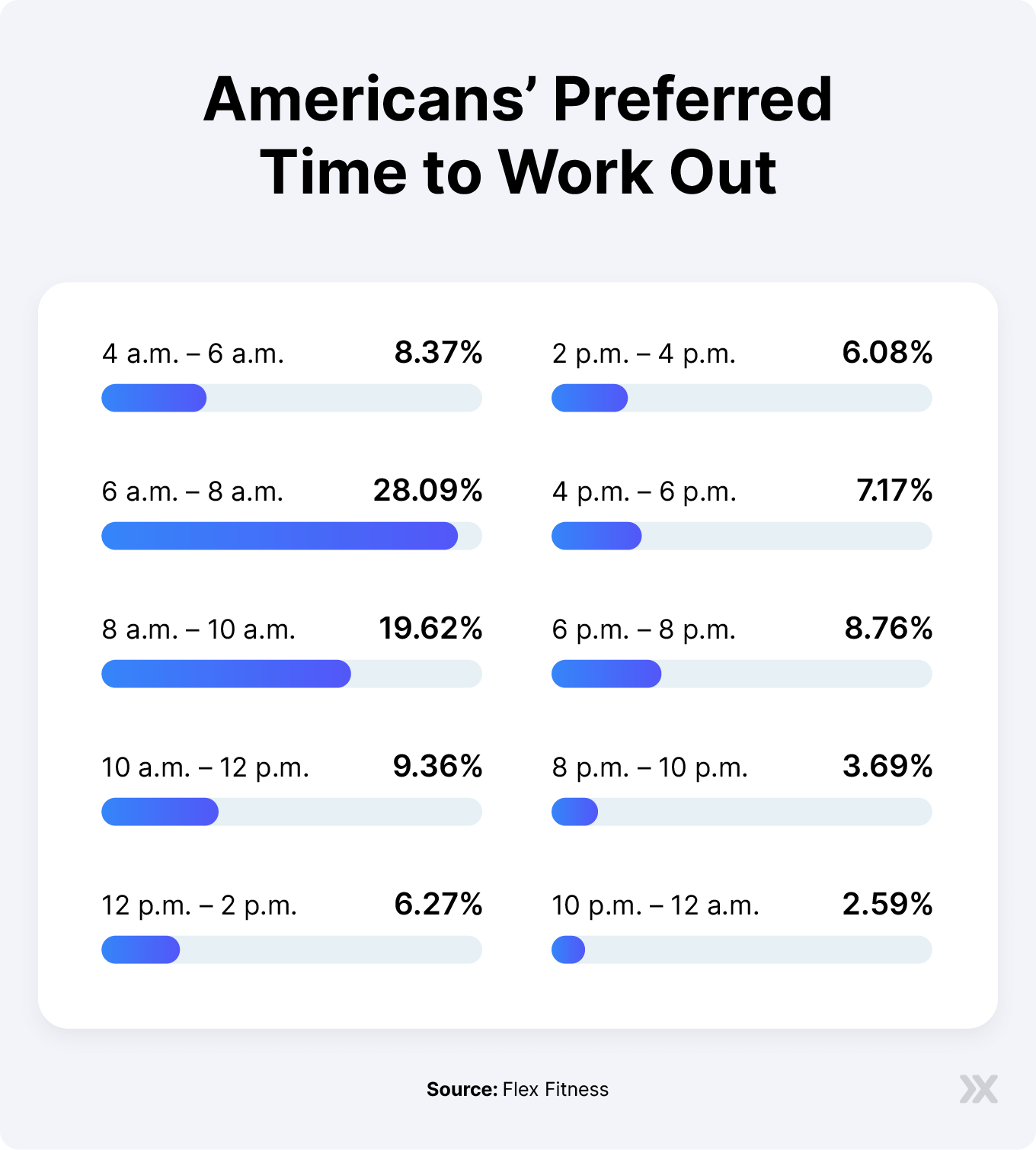
- Busy gyms: Peak hours are usually 5–8 p.m., leading to crowded spaces.
How To Make Evening Gym Workouts Successful
- Finish training at least 1–2 hours before bed to avoid sleep issues.
- Eat a light meal or snack before exercise for energy.
- Use relaxation techniques after workouts to wind down.
- Set a fixed gym time to build routine.

Credit: www.youtube.com
How Gym Timing Affects Your Fitness Goals
Your workout goals—fat loss, muscle gain, endurance, or general fitness—can influence the best time to exercise.
Fat Loss
Morning exercise is often recommended for fat loss. Training before breakfast can boost fat burning due to low blood sugar levels. However, studies show total calorie burn is similar across different times if workouts are consistent. Consistency is more important than timing.
Muscle Gain
Strength and muscle-building workouts may be more effective in the afternoon or evening. Research shows power, strength, and muscle adaptation peak when body temperature and testosterone levels are higher. If you want to maximize muscle gains, consider training later in the day.
Endurance And Cardio
Cardio performance often improves in the late afternoon and evening. Heart rate and lung function are better as the day progresses. But if mornings are easier for you, consistency matters more than timing.
Stress Relief And Mental Health
Exercise at any time reduces stress, but evening workouts can be especially helpful after a busy day. Morning workouts offer a positive start and set your mood for the day.
Hormones, Body Temperature, And Performance
Understanding how the body changes during the day helps explain gym timing effects. Let’s look at key factors.
Hormones
- Cortisol: Peaks in the morning, helps wake up, but can limit muscle growth if too high.
- Testosterone: Highest in the morning and late afternoon, aids muscle building.
- Growth hormone: Increases during sleep and after evening workouts.
Body Temperature
Your core body temperature rises throughout the day, peaking in the late afternoon/evening. Higher temperature means better flexibility, higher strength, and lower injury risk.
Performance Data
Several studies show that strength, endurance, and reaction time are highest between 4–7 p. m. However, motivation and routine are just as important.
| Time of Day | Strength | Endurance | Flexibility |
|---|---|---|---|
| Morning | Lower | Lower | Lower |
| Afternoon | Medium-High | Medium-High | Medium-High |
| Evening | Highest | Highest | Highest |
Sleep And Recovery: Timing Considerations
Sleep is crucial for muscle recovery and overall health. Gym timing can affect sleep, especially if you train late at night.
Morning Exercise And Sleep
Morning workouts are linked with better sleep quality. Physical activity early in the day sets your body clock, making it easier to fall asleep at night.
Evening Exercise And Sleep
High-intensity training close to bedtime can delay sleep. Heart rate and adrenaline remain high, making it harder to relax. If you must train late, try to finish at least 1–2 hours before bed.
Afternoon Exercise And Sleep
Mid-day workouts rarely affect sleep. They can boost alertness and productivity without interfering with rest.
| Gym Time | Sleep Impact | Recovery Quality |
|---|---|---|
| Morning | Improves | High |
| Afternoon | No impact | High |
| Evening | May worsen | Medium |
Practical Factors: Lifestyle, Work, And Family
Not everyone can choose their gym time freely. Jobs, family, and social life often dictate when you can work out.
Work Schedules
- Shift workers may prefer afternoon or evening gyms.
- Office workers often train in the morning or after work.
Family Commitments
Parents may fit workouts around school runs or family meals. Early mornings and late evenings are common.
Social Life
Some people enjoy group classes or partner training, which are usually offered in evenings.
Gym Location And Crowds
If your gym is crowded at certain hours, you may need to adjust. Check gym traffic and find quieter times.
Personal Chronotype: Are You A Morning Person Or Night Owl?
Your chronotype is your natural sleep-wake pattern. Morning people feel energetic early, while night owls peak later.
How Chronotype Affects Gym Timing
- Morning people often perform best in early hours.
- Night owls may struggle with morning workouts but excel in the evening.
Adjusting Gym Timing To Your Chronotype
Listen to your body. If you feel sluggish in the morning, try later sessions. If you wake up ready, mornings may suit you.
Comparing Gym Timing: Which Is Best For You?
Let’s summarize the key factors for each gym time.
| Gym Time | Best For | Challenges | Tips |
|---|---|---|---|
| Morning | Busy schedules, fat loss, better sleep | Lower strength, motivation | Warm up, prep clothes, snack if needed |
| Afternoon | Strength, endurance, flexible work | Crowds, interruptions | Hydrate, schedule, music for focus |
| Evening | Muscle gain, stress relief, social | Sleep disruption, fatigue | Finish early, relax after, set routine |
Non-obvious Insights: What Beginners Often Miss
- Consistency beats timing: The best gym time is when you can go regularly. Results come from sticking to a schedule.
- Small changes matter: Adjusting your gym time by one hour can improve performance or motivation. Try different slots for a week and note how you feel.
- Nutrition timing: Eating the right meal or snack before workouts can matter more than gym timing. A balanced meal 1–2 hours before exercise helps energy.
- Sleep quality: Evening workouts are fine if you finish early and relax after. Don't skip exercise if your only option is late evening—just adapt your routine.
How To Find Your Best Gym Time
The ideal gym time is personal. Here’s a practical way to find what works for you:
- Try different times: Spend a week training at morning, afternoon, and evening slots. Note your energy, performance, and motivation.
- Track results: Use a notebook or app to record strength, endurance, mood, and sleep quality.
- Consider your goals: Fat loss, muscle gain, or stress relief? Adjust timing for your main goal.
- Check your schedule: Pick a time you can stick to, even on busy days.
- Adapt if needed: If your routine changes, adjust gym timing instead of skipping workouts.
Real-life Examples
Example 1: Busy Professional
Sarah works long hours and has a family. She tried evening workouts but felt tired and skipped sessions. Switching to mornings helped her stay consistent, and she felt more energetic during the day.
Example 2: College Student
Alex has classes in the morning and free time in the afternoon. He found his strength improved by training after lunch, and crowded gyms motivated him to push harder.
Example 3: Night Owl
Jamal prefers late nights. He trains at 8 p. m. , enjoys quieter gyms, and sleeps well by finishing workouts early enough.
Data And Research
Several studies show performance peaks in the late afternoon and evening. For example, a research review found muscle strength is highest between 4–7 p. m. , while morning workouts help with consistency and sleep.
A study published in the Journal of Strength and Conditioning found that athletes who trained in the afternoon gained more muscle mass than those who trained in the morning. Yet, people who exercised in the morning stuck to their routine better.
You can read more scientific data on exercise timing at Sleep Foundation.
Credit: www.steinerspub.com
Common Mistakes When Choosing Gym Time
- Copying others: Your best gym time is personal. Don’t copy friends or influencers without testing what works for you.
- Ignoring sleep: Training late can disrupt rest. Prioritize sleep if evening workouts affect you.
- Skipping warm-up: Early sessions need longer warm-ups to prevent injuries.
- Missing meals: Don’t train on an empty stomach if you feel weak. Eat a light snack before exercise.
Tips To Build A Lasting Gym Routine
- Set a fixed schedule. Make gym time a non-negotiable part of your day.
- Prepare gear, clothes, and meals ahead of time.
- Use reminders or alarms if you struggle with motivation.
- Find a workout partner or group for accountability.
- Track progress and celebrate milestones.
Frequently Asked Questions
What Is The Best Time Of Day To Build Muscle?
Muscle strength and growth peak in the late afternoon or evening. Your body temperature and testosterone levels are higher, which helps performance and adaptation. If you want to maximize muscle gain, try training between 4–7 p. m.
Is It Better To Exercise On An Empty Stomach In The Morning?
Training before breakfast can boost fat burning, but it can also lower energy and performance. If you feel weak or dizzy, eat a light snack before your workout. Listen to your body and adjust as needed.
Can Evening Workouts Affect Sleep?
High-intensity exercise late at night can make it harder to fall asleep. Try to finish workouts at least 1–2 hours before bed. Relax after training and avoid caffeine late in the day.
How Do I Choose The Best Gym Time For My Schedule?
Pick a time that fits your daily routine and allows you to be consistent. Test different slots to see when you feel strongest and most motivated. Adjust your schedule if needed, but prioritize regular workouts.
Does Gym Timing Matter For Weight Loss?
Consistency matters more than timing for fat loss. Some studies suggest morning workouts may boost fat burning, but total calorie burn is similar across different times. Choose a time you can stick to and focus on regular exercise.
Finding your best gym time is a journey. It’s not about following trends or copying others—it’s about listening to your body, fitting exercise into your life, and staying consistent. Whether you train at dawn, midday, or night, results come from routine, effort, and smart choices.
Experiment, track your progress, and make fitness a lasting part of your day.
