

How to Store Gym Clothes: Smart Tips for Freshness and Organization
How To Store Gym Clothes
Staying active is great for your health, but dealing with gym clothes can be a challenge. After a workout, your clothes are sweaty, dirty, and sometimes smelly. If you don’t store them properly, odors can spread, bacteria can grow, and your gear may wear out faster. Many people just toss their gym clothes in a corner or shove them in a bag, but this can cause problems. Learning how to store gym clothes the right way keeps them fresh, lasts longer, and saves you time. Whether you use a gym locker, work out at home, or travel often, this guide will help you avoid common mistakes and get the best results.
Why Proper Storage Matters
Gym clothes are exposed to sweat, body oils, and bacteria during exercise. If they’re not stored correctly, these factors can lead to bad odors, staining, and even health risks. Moist environments help bacteria and fungi grow, which can cause skin problems and damage your clothes. Mold and mildew can also develop, especially if clothes are left in a bag or hamper for too long.
According to a study published in the Journal of Applied Microbiology, sweat-soaked fabrics can host up to 1,000 times more bacteria than clean fabrics. This means poor storage doesn’t just smell bad—it’s bad for your skin and your health. Storing gym clothes carefully also keeps your workout gear ready for the next session, saving you time and money.
The Best Ways To Store Gym Clothes After A Workout
1. Air Out Immediately
After your workout, always air out your gym clothes. Never leave them in your gym bag. When you get home, hang your clothes on a drying rack or over the shower rod. This helps sweat evaporate and reduces bacteria growth. If you have space, use a dedicated spot for gym clothes.
2. Use A Breathable Bag
For people who go straight from the gym to work or errands, a breathable gym bag is essential. These bags have mesh panels or are made from materials that let air flow. Avoid plastic bags, as they trap moisture and encourage odor. Some brands offer antimicrobial bags, which help control bacteria. Below is a quick comparison of common gym bag types:
| Bag Type | Breathability | Odor Control | Recommended Use |
|---|---|---|---|
| Plastic Bag | Low | Poor | Short transport |
| Canvas Bag | Medium | Moderate | Daily gym |
| Mesh Bag | High | Good | Frequent travel |
| Antimicrobial Bag | High | Excellent | Long-term storage |
3. Separate Dirty And Clean Clothes
Always keep your dirty gym clothes separate from clean clothes. Use a dedicated compartment in your bag or a separate laundry bag. Mixing them can transfer odors and bacteria, making your clean clothes smell bad.
4. Dry Before Storing
If you can’t wash your clothes right away, make sure they’re dry before storing them. Damp clothes should not be left in a hamper. If you use a locker at the gym, hang clothes on hooks or locker rails. At home, use a drying rack, hangers, or even a clothesline.
5. Use Odor Absorbers
Some products can help manage odors and moisture:
- Charcoal bags: These absorb odors and moisture naturally.
- Baking soda: Sprinkle a small amount in your gym bag to keep things fresh.
- Scented dryer sheets: Place one in your bag for a pleasant smell.
These methods work well, but don’t skip drying and washing; they just help between washes.
6. Quick Wash When Possible
If you have time, wash your gym clothes right after wearing them. This removes sweat, bacteria, and odors before they set in. Use a gentle detergent and cold water to protect fabric. Many people wash gym clothes with regular laundry, but this can transfer smells.
Consider washing them separately.
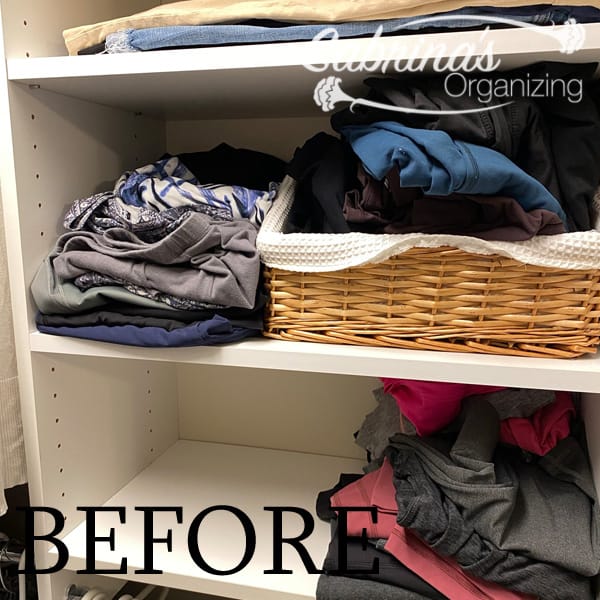
Credit: sabrinasorganizing.com
How To Store Gym Clothes At Home
Home storage is easier if you have space, but it still needs some planning. Here are good ways to store gym clothes at home:
Closet Storage
Store clean gym clothes in your closet. Use drawer dividers or separate shelves for workout gear. This keeps your clothes organized and easy to find. Fold items neatly or hang them to avoid wrinkles.
Dedicated Hamper For Gym Clothes
Have a separate hamper just for gym clothes. This prevents sweat and bacteria from spreading to other laundry. The hamper should have ventilation—wire baskets or mesh bins are good choices. If you use a regular hamper, line it with a mesh bag.
Use Laundry Bags
Laundry bags are helpful for storing dirty gym clothes. They can go straight into the washer, saving time. Mesh laundry bags allow air flow, which keeps odors down.
Scent Control Techniques
To manage smells:
- Use odor-neutralizing sprays.
- Keep a small box of baking soda inside the hamper.
- Wash hampers regularly.
These steps help keep your storage area fresh.
Storing Clean Clothes
Once gym clothes are washed and dried, store them in a cool, dry place. Avoid storing them in humid areas like bathrooms. Fold clothes neatly or hang them. Don’t pile clothes—this traps moisture and creates odors.
Organizing Gear
If you have different types of gym clothes, organize them by activity (yoga, running, cycling) or by season. This saves time and keeps your workout routine smooth.
| Storage Option | Pros | Cons |
|---|---|---|
| Closet Shelf | Easy access, keeps clothes neat | Can get crowded |
| Drawer Divider | Organizes by type | Limited space |
| Mesh Hamper | Allows air flow, prevents odor | Visible mess |
| Laundry Bag | Portable, easy washing | May trap moisture if closed |
Storing Gym Clothes In A Gym Locker
If you work out at a gym and use a locker, storing clothes well is important. Gym lockers can be humid and crowded, so a few tips will help:
Use Locker Hooks
Hang your clothes on hooks inside the locker. This lets air circulate and keeps your clothes dry. If your gym locker doesn’t have hooks, bring a portable hanger.
Locker Liners
Locker liners or mats absorb moisture and prevent bacteria growth. Change them regularly for best results.
Ventilated Storage
Choose a locker with ventilation holes or slots. This helps sweat evaporate and keeps odors down.
Antimicrobial Bags
Store your clothes in antimicrobial bags inside your locker. These bags kill bacteria and control smell.
Clean Locker Regularly
Wipe down your locker with disinfectant wipes every week. This keeps your locker fresh and prevents bacteria buildup.
Don't Leave Clothes Overnight
Never leave dirty gym clothes in your locker overnight. Take them home, wash them, and store them properly.
How To Store Gym Clothes While Traveling
Traveling with gym clothes is tricky. You need to keep them fresh and organized, especially if you stay in hotels or visit new gyms.
Pack Smart
Use packing cubes or mesh laundry bags for your gym clothes. This separates them from other clothes and allows air flow. Compressible bags save space but may trap moisture, so use them only for clean clothes.
Quick Drying
If you wash gym clothes while traveling, hang them in the bathroom or use a portable drying rack. Hotel air conditioners can help speed up drying.
Odor Control
Bring a small pack of dryer sheets, baking soda, or charcoal bags. Place them in your luggage to manage smells.
Separate Dirty And Clean
Always separate dirty gym clothes from clean clothes in your suitcase. Use zippered bags or mesh pouches. This stops odors from spreading.
Wash Clothes Often
If you have access to laundry services, wash gym clothes often. Quick washes prevent bacteria buildup and keep your gear fresh.
How To Prevent Odor And Bacteria In Stored Gym Clothes
Odor is the most common problem with gym clothes. Sweat, bacteria, and moisture combine to create a strong smell. Here are proven ways to prevent odor and bacteria:
Wash Regularly
Wash gym clothes after every use. Use a sports detergent designed for synthetic fabrics. These detergents break down sweat, oils, and bacteria better than regular soap.
Dry Completely
Make sure clothes are completely dry before storing. Even a small amount of moisture can cause odor and bacteria.
Use Antimicrobial Sprays
Spray your gym clothes with antimicrobial spray after workouts. This kills bacteria and stops odors.
Avoid Overcrowding
Don’t pack clothes too tightly in storage. Overcrowding traps moisture and creates a breeding ground for bacteria.
Clean Storage Areas
Clean hampers, bags, and lockers regularly. Use disinfectant sprays or wipes. This prevents bacteria from spreading.
Non-obvious Insight: Fabric Matters
Synthetic fabrics like polyester dry faster but can hold onto odors more than cotton. If you often struggle with smells, try switching to cotton or bamboo workout clothes. These materials breathe better and smell less over time.
Non-obvious Insight: Don’t Use Fabric Softener
Fabric softener coats fibers and traps odors. It also reduces the moisture-wicking ability of gym clothes. Always avoid fabric softener when washing workout gear.
How To Store Wet Gym Clothes
Sometimes, you need to store gym clothes that are still wet (for example, after swimming or a heavy workout). Here’s how to handle wet gym clothes:
Use A Waterproof Bag
Store wet clothes in a waterproof bag with a ventilation hole. This prevents leaks but still lets air flow. Never use a fully sealed bag for wet clothes—this creates bad smells.
Dry As Soon As Possible
When you get home, remove wet clothes from the bag and hang them to dry. Don’t leave them in the bag for more than a few hours.
Avoid Stacking
Never stack wet clothes on top of each other. This traps moisture and spreads bacteria.
Quick Wash
If you can, wash wet gym clothes right away. This keeps them clean and stops odors from developing.
How To Store Gym Shoes And Accessories
Gym clothes aren’t the only things that need good storage. Shoes, towels, and accessories can also spread odor and bacteria.
Store Shoes Separately
Keep gym shoes in a dedicated shoe bag. Use odor-absorbing inserts or sprinkle baking soda inside. Never store shoes with your gym clothes.
Dry Shoes
Let gym shoes dry after every use. Remove insoles and let them air out. Wet shoes are a common source of bad smells.
Clean Accessories
Wash towels, headbands, and wristbands often. Store them in mesh bags or on hooks. These items can collect sweat and bacteria.
How To Store Gym Clothes In Small Spaces
If you live in a small apartment or share space, storing gym clothes can be hard. Here are space-saving ideas:
Over-the-door Racks
Hang gym clothes and towels on over-the-door racks. These racks save floor space and let clothes dry.
Wall Hooks
Install wall hooks for hanging gym clothes. Hooks keep clothes off the floor and let air circulate.
Under-bed Storage
Store clean gym clothes in flat bins under your bed. Use bins with ventilation holes.
Collapsible Hampers
Use collapsible mesh hampers for dirty clothes. These can be folded away when not in use.
How To Store Gym Clothes For Different Activities
Different activities require different types of gym clothes. Here’s how to organize and store them:
Yoga Clothes
Yoga clothes are usually lightweight and stretchy. Store them folded or rolled to avoid wrinkles. Keep them together in a drawer or bin.
Running Clothes
Running clothes often have reflective strips and special fabrics. Hang them to dry, then fold or hang in the closet.
Swimming Gear
Store swimsuits and towels separately. Always dry them fully before storing. Use waterproof bins for gear.
Team Sports Gear
Team sports often involve bulkier clothes. Use larger bins or shelves for storage. Wash and dry gear before storing.
| Activity | Clothing Type | Storage Tip |
|---|---|---|
| Yoga | Stretchy leggings, tops | Fold/roll, keep together |
| Running | Quick-dry shirts, shorts | Hang to dry, fold for storage |
| Swimming | Swimsuit, towel | Dry fully, waterproof bin |
| Team Sports | Jerseys, socks | Wash, large bin |

Credit: www.youtube.com
Common Mistakes When Storing Gym Clothes
Many people make mistakes that cause gym clothes to smell, wear out, or spread bacteria. Here are the most common mistakes:
Leaving Clothes In Gym Bag
Never leave gym clothes in your bag for more than a few hours. Bags trap moisture and cause odors.
Storing Damp Clothes
Storing damp clothes leads to mold and mildew. Always dry clothes before storing.
Mixing Dirty And Clean Clothes
Mixing dirty and clean clothes spreads bacteria and smells. Keep them separate.
Using Closed Containers
Closed containers trap moisture. Always use breathable bags or bins for gym clothes.
Forgetting To Clean Storage Areas
Dirty hampers, lockers, and bags can be sources of odor. Clean them regularly.
Using Fabric Softener
Fabric softener traps sweat and reduces performance. Skip it for gym clothes.
Best Practices For Long-term Storage
Sometimes you need to store gym clothes for a long time—such as during a break or between seasons. Here’s how to keep them in good shape:
Wash And Dry Thoroughly
Before storing for the long term, wash and dry gym clothes completely. Even small amounts of sweat or moisture can cause damage.
Use Breathable Storage
Store gym clothes in breathable bins or bags. Avoid plastic or closed bins.
Store In A Cool, Dry Place
Humidity causes mold and odors. Choose a cool, dry spot for storage.
Add Odor Absorbers
Place charcoal bags, baking soda, or cedar blocks in storage bins.
Check Periodically
Every few weeks, check stored gym clothes for moisture or odors. Air them out if needed.
Special Tips For Gym Clothes Care
Gym clothes need special care to stay fresh and last longer. Here are extra tips:
Read Care Labels
Always follow the washing and drying instructions on the care label. Some fabrics need special treatment.
Use The Right Detergent
Choose detergents made for sports gear. These remove sweat and bacteria better.
Wash Inside Out
Turn gym clothes inside out before washing. This helps remove sweat and oils.
Avoid High Heat
High heat can damage elastic and synthetic fabrics. Use low heat when drying.
Store Away From Sunlight
Sunlight can fade colors and weaken fabrics. Store gym clothes out of direct sun.
Rotate Clothes
Don’t wear the same gym clothes every day. Rotate them to allow full drying and airing out.
Frequently Asked Questions
How Can I Keep Gym Clothes From Smelling Bad?
Wash them after every workout and dry completely. Use sports detergent and avoid fabric softener. Store clothes in breathable bags or hampers. Place odor absorbers like charcoal or baking soda in your storage area.
Should I Wash Gym Clothes Separately From Regular Laundry?
Yes, washing gym clothes separately helps prevent odors from spreading. Gym clothes often carry more sweat and bacteria, which can transfer to other laundry.
Can I Use A Regular Hamper For Gym Clothes?
You can, but a ventilated hamper or mesh bin is better. Regular hampers may trap moisture and cause smells. If you use a regular hamper, line it with a mesh bag.
What Is The Best Way To Store Gym Clothes In A Small Apartment?
Use over-the-door racks, wall hooks, collapsible hampers, and under-bed storage bins. Keep clothes dry and separate dirty from clean. These methods help save space and keep things organized.
Are Antimicrobial Gym Bags Worth It?
Yes, antimicrobial gym bags help control bacteria and odors. They’re especially useful if you need to store gym clothes for longer periods. Look for bags with ventilation and antimicrobial lining.
Storing gym clothes the right way keeps them fresh, safe, and ready for your next workout. By following these tips, you avoid odors, bacteria, and damage. Whether you store your clothes at home, in a gym locker, or while traveling, small steps make a big difference. For more information on fabric care and hygiene, visit CDC Hygiene Guidelines. With the right habits, your gym clothes will last longer, smell better, and help you stay healthy.

Credit: closetfulofclothes.com
