

What is the Meaning of Business Casual Dress Code: A Simple Guide
What Is The Meaning Of Business Casual Dress Code
For many people, the phrase business casual brings confusion. It’s a dress code that sits between formal suits and relaxed jeans, but the rules are not always clear. Offices around the world use business casual to create a comfortable yet professional environment. But what does this really mean for your daily wardrobe? Let’s break down the meaning of business casual, how it looks in practice, and how you can master this style with confidence.
Business casual is more than just a way to dress. It’s about balancing comfort and professionalism, showing respect for your workplace, and expressing your own style. Choosing the right clothes can affect how others see you and even your own performance at work.
If you’re not sure what counts as business casual, you’re not alone. Many beginners struggle to find the right mix. This article will give you practical advice, clear examples, and real comparisons to help you understand and apply the business casual dress code.
What Is Business Casual?
Business casual is a dress code used in many offices and workplaces. It means you don’t have to wear a full suit, but you shouldn’t dress too casually. The goal is to look neat, professional, and comfortable. It’s a middle ground between formal business attire and relaxed, everyday clothes.
Key elements of business casual:
- Avoiding formal suits and ties
- Wearing clothes that are neat and clean
- Choosing items that are comfortable for daily work
- Showing respect for the company and colleagues
Business casual can look different in every workplace. Some companies are stricter, while others are more relaxed. It’s important to check your company’s policy and notice how coworkers dress.
The History And Evolution Of Business Casual
Business casual did not always exist. Offices used to require formal suits and ties for men, and similar formal wear for women. Over time, companies wanted to create a friendlier and more productive environment. They allowed employees to wear less formal clothes, leading to the rise of business casual.
The shift began in certain industries and spread to others. Today, many companies use business casual as their standard dress code. Tech companies, creative agencies, and startups often prefer business casual for its flexibility and comfort. The meaning of business casual changes as new trends appear, but the focus stays on looking professional without being too formal.
Credit: www.businessinsider.com
Business Casual Vs. Other Dress Codes
To understand business casual, it helps to compare it to other common dress codes. Here’s a comparison table showing the differences:
| Dress Code | Main Features | Common Clothing |
|---|---|---|
| Formal/Business Professional | Suits, ties, strict rules | Suit, tie, dress shoes, dress shirt |
| Business Casual | Relaxed, no suit or tie, neat | Slacks, collared shirts, blouses, dress shoes |
| Casual | Very relaxed, almost any clothing | Jeans, t-shirts, sneakers, casual dresses |
Business casual sits between formal and casual. You should avoid jeans, t-shirts, and sneakers unless your company allows them. At the same time, don’t wear a full suit or tie unless required.
Key Components Of Business Casual Attire
Let’s look at the main pieces of business casual clothing for men and women. Each item has its own rules and tips.
Men’s Business Casual
- Shirts: Collared shirts like button-downs or polos. Avoid loud prints or slogans.
- Pants: Slacks, chinos, or khakis. No ripped jeans or shorts.
- Shoes: Dress shoes, loafers, or clean sneakers (if allowed). Sandals and flip-flops are not acceptable.
- Jackets: Optional, but a blazer can add polish.
- Accessories: Simple belts, watches. Avoid flashy jewelry.
- Sweaters: V-neck or crew neck sweaters, worn over a shirt.
Women’s Business Casual
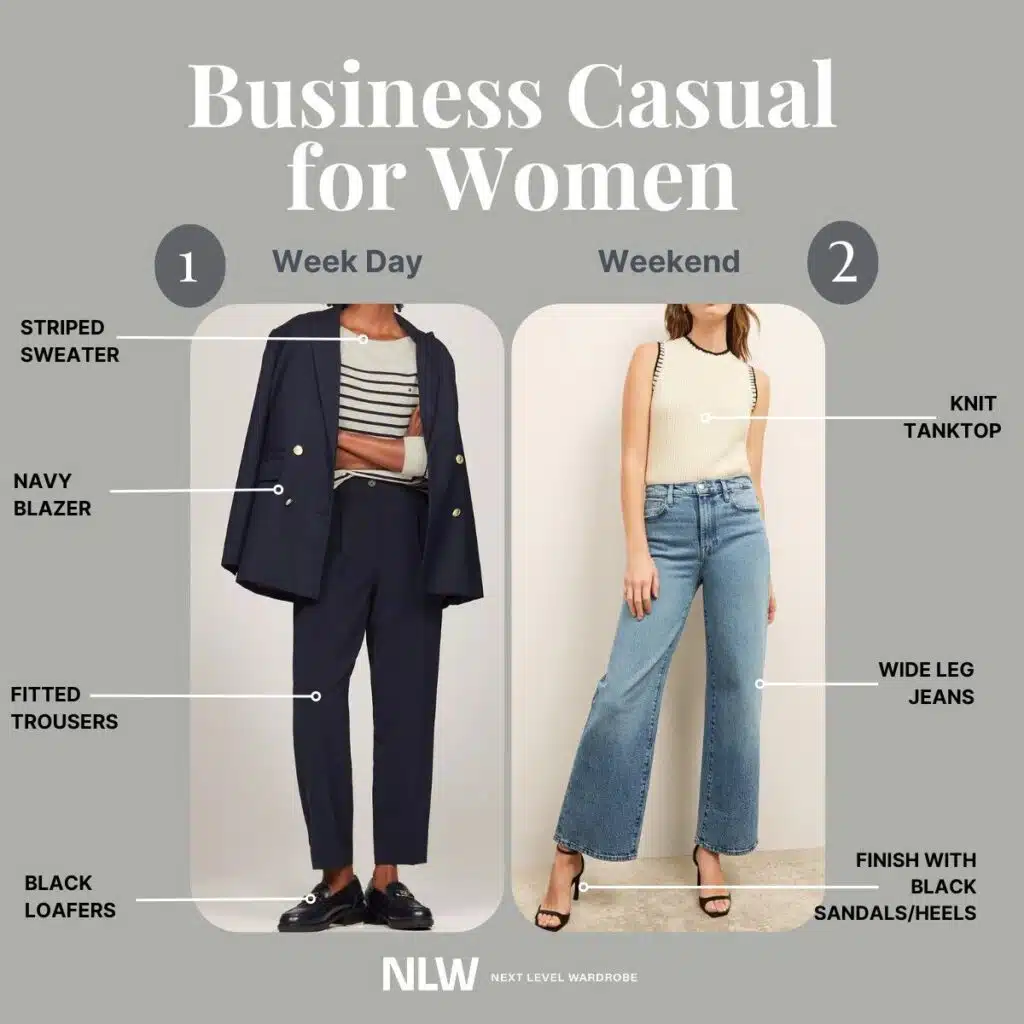
- Tops: Blouses, button-down shirts, sweaters. Avoid spaghetti straps or low-cut tops.
- Pants: Dress pants, tailored trousers, or knee-length skirts. Jeans only if allowed.
- Shoes: Flats, loafers, low heels. No flip-flops or worn-out sneakers.
- Jackets/Cardigans: Blazers or cardigans can make an outfit look more professional.
- Accessories: Simple jewelry, scarves. Avoid overly large or noisy pieces.
- Dresses: Knee-length or longer, with modest cuts.
A common mistake is wearing clothes that are too casual or too formal. For example, wearing a tie with business casual is usually unnecessary unless your company expects it. On the other hand, wearing a t-shirt or ripped jeans breaks the business casual rule.
Business Casual Do’s And Don’ts
Business casual can be tricky. Here are some clear do’s and don’ts to help you avoid common mistakes:
Do’s:
- Wear clean, ironed clothes
- Choose neutral or muted colors
- Keep accessories simple
- Make sure your shoes are clean
- Layer with a blazer or cardigan for a professional touch
Don’ts:
- Wear shorts, ripped jeans, or athletic wear
- Use flashy prints or bright colors
- Wear sandals or flip-flops
- Show too much skin
- Use heavy perfumes or colognes
Many beginners overlook the importance of fit and cleanliness. Even expensive clothes look bad if they don’t fit well or are wrinkled. Always check the fit and keep your clothes neat.
Examples Of Business Casual Outfits
Seeing real examples helps you understand what business casual looks like. Here are typical outfits for men and women:
Men
- Light blue button-down shirt, beige chinos, brown loafers
- Navy polo, gray slacks, black belt, clean sneakers
- White dress shirt, charcoal sweater, dark khakis
Women
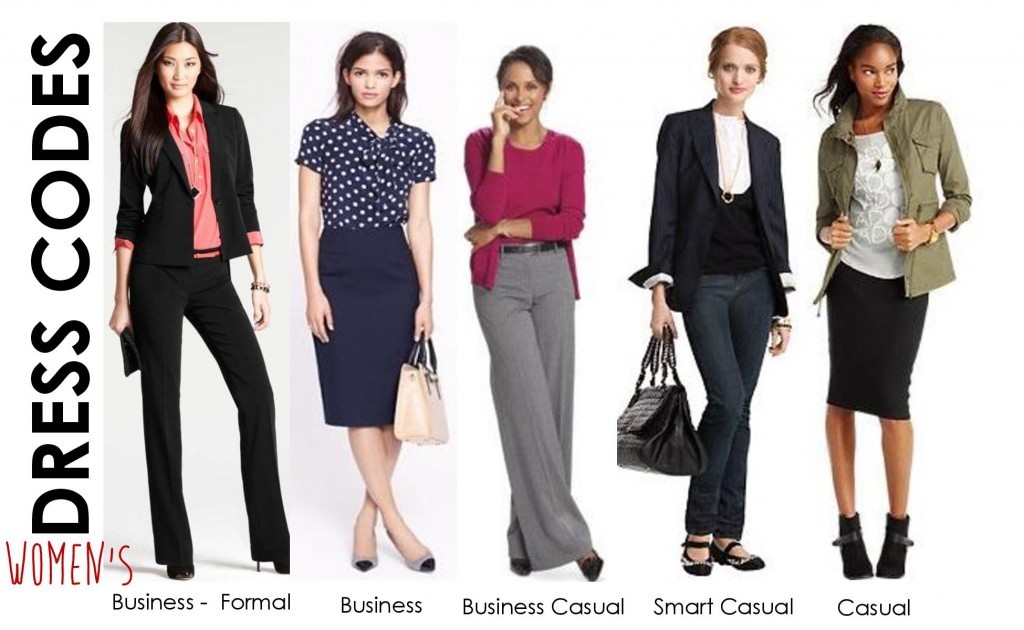
- White blouse, black dress pants, nude flats
- Light sweater, knee-length skirt, loafers
- Patterned scarf, pastel cardigan, tailored trousers
It’s smart to keep a few basic pieces in your closet that mix well. Many employees build a “capsule wardrobe” with versatile business casual items. This makes daily dressing easier and saves time.
Credit: gardner-webb.edu
Business Casual In Different Industries
The meaning of business casual changes across industries. In finance and law, business casual is often stricter. In tech or creative fields, the rules are more relaxed.
Here’s a comparison of business casual in different industries:
| Industry | Typical Business Casual | Relaxed Items Allowed |
|---|---|---|
| Finance | Dress pants, button-downs, blazers | None |
| Tech | Chinos, polos, sweaters | Clean sneakers, dark jeans |
| Creative | Fashion-forward blouses, tailored pants | Trendy shoes, bold prints |
| Healthcare | Dress shirts, slacks, comfortable shoes | Scrubs (for clinical roles) |
Always notice what others are wearing and ask HR if you’re unsure. Some companies allow jeans on Fridays or special days. Others always expect business casual.
Colors, Fabrics, And Patterns
Choosing the right colors and fabrics is key. Business casual works best with neutral colors like black, navy, gray, beige, and white. You can add soft colors or subtle patterns, but avoid anything too bright or loud.
Recommended fabrics:
- Cotton
- Wool
- Linen
- Blends (polyester-cotton)
Avoid athletic materials like spandex or nylon. These are too casual and not suitable for business casual.
Patterns should be subtle. Small stripes, checks, or dots are fine. Avoid large prints or logos. If you like color, use it in accessories like scarves or ties, not in your main outfit.
Common Business Casual Mistakes
Even experienced professionals make mistakes with business casual. Here are some traps to avoid:
- Wearing athletic shoes: Even if they’re clean, they often look too casual.
- Ignoring fit: Clothes that are too tight or too loose can look unprofessional.
- Forgetting about outerwear: Jackets or coats should also match the business casual look.
- Over-accessorizing: Too many accessories can distract from your professional appearance.
- Assuming “casual” means anything goes: Business casual is not the same as weekend casual.
A non-obvious insight: Many companies don’t mention socks, but wearing bright or patterned socks can break the professional look. Stick to simple colors.
Business Casual For Remote Work
Remote work has changed the way people dress. Some companies still expect business casual during video calls. Others are more relaxed. If your company asks for business casual, focus on your top half (shirt, sweater, blazer), since that’s what is visible.
Tips for remote business casual:
- Keep a blazer or cardigan nearby for calls
- Avoid shirts with logos or slogans
- Make sure your background is tidy
- Use good lighting to look professional
Many remote workers forget to check their camera before meetings. Always do a quick test to see how your outfit appears.
Business Casual Around The World
Business casual is not the same everywhere. In some countries, it means more formal wear. In others, it’s very relaxed. Cultural expectations affect what counts as business casual.
For example:
- In Japan, business casual is still quite formal. Men wear dress pants and collared shirts, women wear conservative dresses.
- In Australia, business casual is more relaxed, with chinos and polos common.
- In Europe, business casual often includes tailored blazers and elegant shoes.
If you travel or work with global teams, ask about their dress code. Respect local customs and adjust your clothing as needed.
How To Build A Business Casual Wardrobe
Building a business casual wardrobe is easier than you think. Start with basics and add pieces over time.
Steps to build your wardrobe:
- Buy neutral pants (black, navy, beige)
- Get collared shirts or blouses in simple colors
- Add a blazer or cardigan for layering
- Choose comfortable dress shoes
- Include a few accessories like belts or scarves
A practical tip: Buy clothes that mix well together. This way, you can create many outfits with fewer pieces.
Here’s a sample business casual wardrobe table:
| Item | Men | Women |
|---|---|---|
| Pants | Chinos, slacks | Dress pants, tailored skirts |
| Tops | Button-downs, polos | Blouses, sweaters |
| Layering | Blazer, sweater | Cardigan, blazer |
| Shoes | Loafers, dress shoes | Flats, low heels |
| Accessories | Belt, watch | Scarf, simple jewelry |
Don’t rush to buy everything at once. Start with basics and slowly add as you learn what works best.
Dressing For Business Casual Events
Sometimes, companies host events or meetings with a business casual dress code. These can include team lunches, client visits, or training sessions. You should still look professional, but you can show more personality.
Tips for business casual events:
- Choose clothes with a bit of color or pattern
- Wear comfortable shoes for standing or walking
- Bring a blazer for formal moments
- Keep accessories light and tasteful
For men, a polo shirt and chinos work well. For women, a patterned blouse and black pants are safe. If unsure, dress slightly more formal than usual.
Adapting Business Casual For Different Seasons
Business casual changes with the seasons. In summer, lighter fabrics and colors are better. In winter, use layers and warmer materials.
Summer tips:
- Wear cotton or linen
- Choose light colors
- Use short-sleeved shirts (if allowed)
- Avoid sandals unless your company allows
Winter tips:
- Layer with sweaters or blazers
- Choose wool or thicker fabrics
- Wear closed-toe shoes
- Add scarves for warmth
A common mistake is ignoring outerwear. Your coat or jacket should match your business casual look.
Why Business Casual Matters
Business casual is not just about clothes. It affects how others see you and your own confidence. Dressing well shows respect for your company and coworkers. It also helps you feel ready for work.
Research shows that employees feel more comfortable and productive in business casual environments. They can express themselves but still stay professional. Companies benefit by creating a friendly atmosphere that attracts talent.
A non-obvious insight: Your business casual clothes can help you network. When you look approachable, coworkers are more likely to start conversations.
How Companies Define Business Casual
Companies may give guidelines for business casual. Some have strict lists, others are more flexible. It’s important to read any dress code policy and ask questions if you don’t understand.
Common company rules:
- No jeans, shorts, or t-shirts
- No open-toed shoes
- No loud colors or prints
- Clothes must be clean and pressed
Some companies allow more casual wear on Fridays or special days. If you’re new, observe what others wear and follow their lead.
You can find more official guidance from sources like SHRM, which offers practical examples for employers and employees.
Business Casual For Job Interviews
Job interviews often use business casual. It’s safer to dress slightly more formal than the company’s usual standard.
Tips for interviews:
- Wear a collared shirt or blouse
- Choose dress pants or a knee-length skirt
- Use neutral colors
- Avoid heavy accessories
- Make sure your shoes are clean
A common mistake: Some candidates wear casual clothes, thinking the company is relaxed. Always aim to look professional in an interview. It shows you take the opportunity seriously.
Maintaining Your Business Casual Clothes
Business casual clothes last longer if you care for them. Here’s how:
- Wash shirts and pants regularly
- Iron or steam clothes to remove wrinkles
- Store shoes in a dry place
- Hang blazers and sweaters to keep their shape
- Use gentle detergents for delicate fabrics
Simple care can keep your wardrobe looking fresh and professional. A practical tip: Set aside a few minutes each week to check your clothes for stains or damage.
Business Casual For Plus Sizes And Different Body Types
Business casual works for all body types. The key is finding clothes that fit well and flatter your shape.
Tips for plus sizes:
- Choose tailored pants and blouses
- Use layers to create a smooth silhouette
- Avoid clothes that are too tight or too loose
Tips for slim or athletic builds:
- Add structure with blazers or sweaters
- Choose pants with a straight cut
- Avoid oversized items
A non-obvious insight: Alterations are worth the cost. Adjusting pants or sleeves can make any item look custom-fitted.
Frequently Asked Questions
What Is The Difference Between Business Casual And Smart Casual?
Business casual is a specific workplace dress code. It avoids suits but keeps things neat and professional. Smart casual is more relaxed and can include jeans, trendy shoes, and accessories. Smart casual is common for social events, not offices.
Can I Wear Jeans In Business Casual?
Usually, jeans are not allowed in business casual. Some companies make exceptions for dark, clean jeans with no rips. Always check your company’s rules before wearing jeans.
Are Sneakers Allowed In Business Casual?
In most offices, dress shoes or loafers are preferred. Some relaxed workplaces allow clean, simple sneakers. Avoid athletic or flashy sneakers unless your company allows them.
Is Business Casual Only For Office Jobs?
No, business casual is used in many settings—client meetings, conferences, events, and even some retail jobs. It’s about looking professional without being too formal.
How Can I Look More Stylish In Business Casual?
Add personality with accessories like scarves, belts, or jewelry. Use colors or patterns in small amounts. Make sure your clothes fit well and are clean. Layering with blazers or cardigans also makes outfits look stylish.
Business casual is more than just a list of clothes. It’s a way to show respect, feel comfortable, and express your own style. With the tips and examples in this guide, you can build a wardrobe that fits your company, your body, and your personality.
Remember, the meaning of business casual changes across workplaces, so always observe and ask when you’re unsure. Dressing well opens doors—both in your career and in your daily confidence.
Credit: nextlevelwardrobe.com
