

What is the Best Outfit to Wear When Running? Expert Tips Revealed
Choosing the right outfit for running can make a huge difference in your comfort and performance. You want clothes that move with you, keep you cool, and protect you from the weather.
But with so many options out there, how do you know what’s truly best for your runs? You’ll discover simple tips and expert advice to help you pick the perfect running outfit. By the end, you’ll feel confident stepping out the door, knowing your gear is working with you every step of the way.
Keep reading to find out what you should wear to run your best!
Credit: www.healingwithhorsesranch.org
Choosing The Right Fabric
Choosing the right fabric is key to a good running outfit. The fabric affects how you feel during your run. It controls sweat, heat, and comfort. Picking the right material helps you run longer and feel better.
Moisture-wicking Materials
Moisture-wicking fabrics pull sweat away from the skin. This keeps you dry and stops chafing. Materials like polyester and nylon work well. They help your body cool down by letting sweat evaporate fast. Cotton, by contrast, holds moisture and feels heavy.
Breathability And Ventilation
Breathable fabrics allow air to flow through your clothes. This lets heat escape and keeps you cool. Mesh panels or lightweight knits improve ventilation. Breathable fabric reduces overheating and keeps your skin fresh. It is important for hot weather runs.
Durability And Comfort
Strong fabrics last through many runs and washes. Look for materials that resist tears and wear. Soft fabrics prevent irritation and rubbing on your skin. Stretchy fabrics help move freely without tightness. Durable and comfortable clothes make running more enjoyable.
Selecting Proper Footwear
Selecting proper footwear is key for a good running experience. Shoes protect your feet and help you run better. The right shoes reduce injury risks and make running more comfortable. Choosing the right pair depends on where you run and your foot type.
Shoe Types For Different Terrains
Running shoes vary by terrain. Road running shoes have smooth soles for pavement. Trail shoes have deeper treads for dirt and rocks. Track shoes are lightweight with spikes for speed. Pick shoes made for your usual running surface. This keeps your feet safe and improves grip.
Importance Of Cushioning And Support
Cushioning absorbs shock from each step. It protects joints from impact. Support keeps your foot stable and prevents rolling. Look for shoes with good midsole cushioning. Arch support helps if you have flat or high arches. Proper cushioning and support reduce pain and fatigue.
Finding The Right Fit
Shoes should fit snug but not tight. There must be space for your toes to move. Try shoes at the end of the day when feet are swollen. Wear your running socks while trying on shoes. Walk and jog briefly to test comfort. A proper fit prevents blisters and discomfort during runs.
Layering For Weather Conditions
Layering your running outfit helps you stay comfortable in all weather conditions. It lets you add or remove clothes as the temperature changes. Good layering keeps your body dry and protects you from wind or rain.
Choosing the right layers depends on the weather. Lightweight materials work well in heat. Thicker fabrics help in cold. Waterproof layers shield you from wet weather. Understanding these basics improves your running experience.
Dressing For Warm Weather
Wear light, breathable clothes that let sweat evaporate. Choose moisture-wicking fabrics like polyester or nylon. Avoid cotton because it holds moisture and feels heavy. Shorts and sleeveless tops help air flow around your body. A lightweight hat or visor protects your face from the sun.
Outfits For Cold Weather
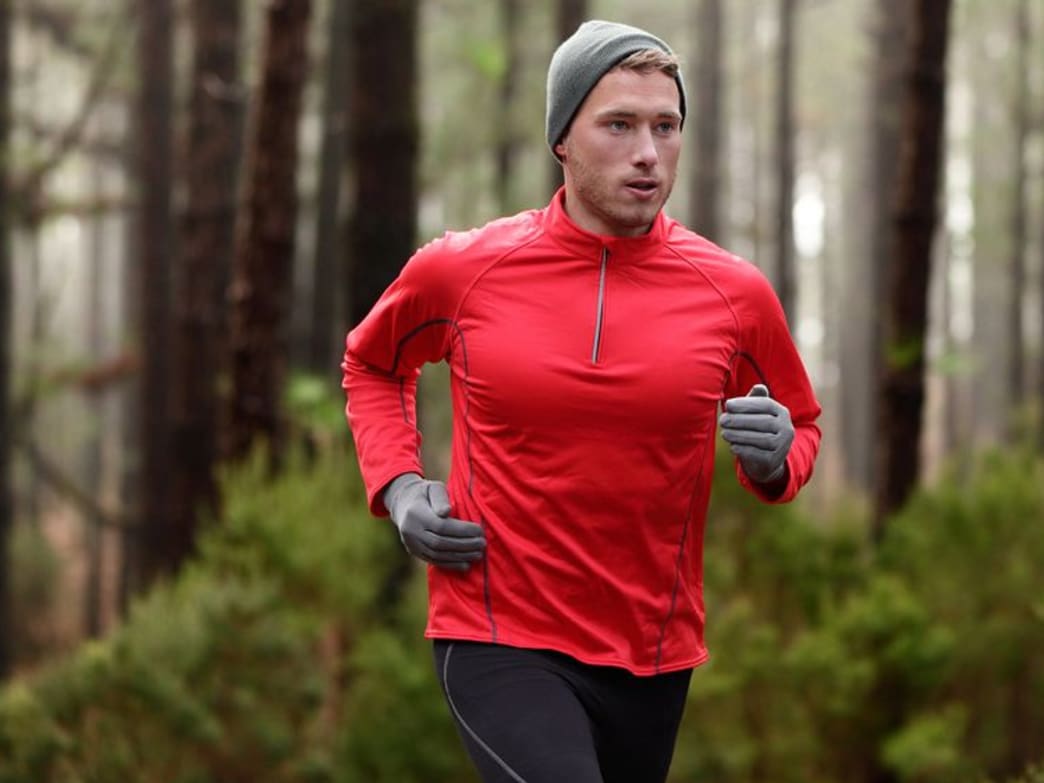
Start with a base layer that keeps sweat away from skin. Add an insulating layer for warmth, like a fleece or wool shirt. Top with a windproof jacket to block chilly air. Wear gloves and a hat to keep extremities warm. Avoid too many heavy layers that restrict movement.
Rain And Wind Protection
Use a waterproof, breathable jacket to stay dry in rain. Avoid thick raincoats that trap heat and cause sweating. Choose wind-resistant fabrics to block cold gusts. Look for jackets with vents to improve airflow. Waterproof shoes or shoe covers help keep your feet dry.

Credit: www.vilktukas.lt
Choosing The Right Accessories
Choosing the right accessories can improve your running experience. Accessories protect you from weather, keep you comfortable, and boost safety. Picking the best ones helps you run longer and feel better.
Socks And Their Impact
Socks may seem small but they matter a lot. Good running socks reduce blisters and prevent sweat buildup. Look for socks made of moisture-wicking fabric. Avoid cotton socks because they hold moisture. Socks with extra padding protect your feet during long runs. A proper fit stops slipping and rubbing.
Hats And Sunglasses
Hats shield your face from sun and rain. Choose lightweight hats with breathable fabric. They keep sweat out of your eyes. Sunglasses protect your eyes from UV rays and dust. Pick sunglasses that fit well and do not slip. Polarized lenses reduce glare and improve vision.
Visibility And Safety Gear
Running near roads or in low light needs visibility gear. Reflective vests, bands, or lights make you easy to see. Bright colors catch attention quickly. Safety gear helps drivers and others notice you early. It lowers the risk of accidents and keeps you safe.
Outfit Tips For Different Running Styles
Choosing the right outfit depends on the type of running you do. Different styles need different gear. This helps you stay comfortable and perform better. Here are tips for three common running styles.
Trail Running Gear
Trail running requires clothes that protect and support. Wear moisture-wicking shirts to stay dry. Long sleeves help protect from branches and bugs. Choose durable shorts or pants with some stretch. Trail running shoes must have good grip and support. A hat and sunglasses protect you from sun and debris.
Road Running Essentials
Road running needs lightweight and breathable clothes. Pick shorts or leggings with a snug fit. A simple t-shirt or tank top works well. Running shoes should be cushioned for hard surfaces. Reflective gear keeps you visible in low light. A sweatband or cap helps manage sweat.
Treadmill Running Attire
Treadmill running needs comfort and ventilation. Choose lightweight tops with good airflow. Shorts or leggings should allow easy movement. Wear running shoes designed for indoor use. Keep a towel handy for sweat. A water bottle nearby helps stay hydrated.
Common Mistakes To Avoid
Choosing the right outfit for running is important. Many runners make simple mistakes that hurt their comfort and performance. Avoiding these common errors helps you run better and enjoy the activity more. Knowing what not to wear is as important as knowing what to wear.
Wearing Cotton
Cotton absorbs sweat and stays wet. This makes your clothes heavy and uncomfortable. Wet cotton can cause chafing and skin irritation. Choose moisture-wicking fabrics instead. These fabrics keep you dry by pulling sweat away from your skin.
Ignoring Proper Footwear
Running in the wrong shoes can cause pain and injury. Shoes should fit well and support your feet. Old or worn-out shoes lose their cushioning and stability. Replace running shoes every 300 to 500 miles. Proper footwear reduces the risk of blisters and joint pain.
Overdressing Or Underdressing
Wearing too many clothes makes you sweat too much. This leads to overheating and discomfort. Dressing too lightly leaves you cold and stiff. Dress in layers that you can remove or add. Check the weather before you head out to run.
Credit: www.healingwithhorsesranch.org
Frequently Asked Questions
What Fabric Is Best For Running Outfits?
Moisture-wicking fabrics like polyester and nylon are best. They keep you dry by pulling sweat away from skin. Avoid cotton as it retains moisture and causes chafing. Look for lightweight, breathable, and quick-drying materials for comfort during runs.
Should I Wear Compression Gear While Running?
Compression gear improves blood flow and reduces muscle fatigue. It provides support and can enhance recovery. Many runners find it boosts performance and decreases soreness. However, comfort is key; choose compression wear that fits well and feels good.
How To Choose Running Shoes For Outfit Matching?
Prioritize comfort and support when choosing running shoes. Select colors that complement your outfit for style. Neutral shades like black, white, or gray match most clothes. Consider shoe type based on your running surface and foot shape.
Is Layering Important For Running Outfits?
Yes, layering helps regulate body temperature during runs. Start with a moisture-wicking base layer, add an insulating middle layer, and finish with a windproof outer layer. Layering adapts to weather changes and keeps you comfortable and protected.
Conclusion
Choosing the best outfit for running helps you stay comfortable and focused. Breathable fabrics keep sweat away and prevent chafing. Lightweight clothes allow easy movement and keep you cool. Proper shoes protect your feet and reduce injury risk. Dress in layers when running in cold weather.
Simple, functional gear makes your run more enjoyable. Remember, comfort matters more than style during your run. Try different outfits to find what works best for you. Running feels better with the right clothes on.
