

Can I Run in Leggings? Ultimate Guide for Comfort & Performance
Have you ever wondered if you can run in leggings without any issues? Maybe you’re looking for comfortable gear that moves with you, or you want to know if leggings can really keep up with your pace.
Running in the right clothes can make a huge difference in how you feel and perform. Stick with me, and you’ll discover the truth about leggings for running—what works, what doesn’t, and how to choose the best pair for your runs.
By the end, you’ll know exactly whether leggings are your new running best friend or something to skip. Let’s dive in!

Credit: orthobracing.com
Benefits Of Running In Leggings
Running in leggings offers many benefits that help improve your experience. Leggings fit snugly and move with your body. They provide comfort and support during every step.
These benefits make leggings a popular choice for runners. They help your muscles, keep your body temperature steady, and reduce skin irritation. Here are some key advantages of running in leggings.
Enhanced Muscle Support
Leggings apply gentle pressure on your muscles. This support helps reduce muscle vibration. It may lower muscle fatigue and soreness after running. Better muscle support can improve your running performance.
Improved Temperature Regulation
Leggings help keep your body warm in cold weather. The fabric also wicks away sweat in hot weather. This keeps your skin dry and comfortable. Good temperature control helps you run longer without feeling too hot or cold.
Reduced Chafing And Irritation
Leggings fit tightly and do not rub against your skin. This reduces chafing, which causes pain and irritation. Soft, smooth fabric lowers the chance of skin problems. Running feels more comfortable without constant irritation.
Choosing The Right Leggings
Choosing the right leggings for running is important. Not all leggings are made for exercise. Picking the right pair can improve comfort and performance. This guide helps you understand what to check before buying.
Fabric Types And Their Impact
Leggings come in many fabrics. Cotton feels soft but holds sweat. Synthetic fabrics like polyester and nylon dry fast. They keep you cool and dry during runs. Some leggings mix fabrics for stretch and durability. Look for materials that breathe and move with you.
Fit And Compression Levels
Fit affects how leggings feel while running. Too tight can restrict movement. Too loose can cause chafing. Compression leggings support muscles and reduce fatigue. They improve blood flow and help recovery. Choose a fit that feels snug but comfortable.
Features To Look For
Running leggings often have special features. Flat seams reduce skin irritation. A wide waistband keeps leggings in place. Pockets offer space for keys or cards. Reflective details improve visibility in low light. Choose leggings with features that match your needs.
Leggings For Different Weather Conditions
Choosing the right leggings for running depends on the weather. Different fabrics and designs suit various temperatures. This helps keep you comfortable and improves your performance.
Leggings come in many types made for warm, cold, and mixed weather. Knowing which to wear can make your run better and safer.
Warm Weather Options
In hot weather, lightweight and breathable leggings work best. Look for materials that wick sweat and dry quickly. Mesh panels or ventilation zones add extra airflow. Choose leggings with a shorter length or cropped style. Light colors can also help keep you cooler by reflecting sunlight.
Cold Weather Protection
For cold weather, thicker leggings with insulation keep you warm. Fabrics like fleece-lined or thermal blends trap heat close to your skin. Windproof and water-resistant leggings protect against chill and moisture. High-rise waistbands can help cover your stomach and keep heat in. Dark colors absorb sunlight, adding warmth during runs.
Layering Techniques
Layering leggings offers flexibility in changing weather. Start with a base layer that fits snugly and moves sweat away. Add a thicker or insulated pair over it if needed. Use removable layers to adjust warmth during your run. Layering also protects muscles and reduces injury risk. Choose leggings that allow easy movement even when layered.
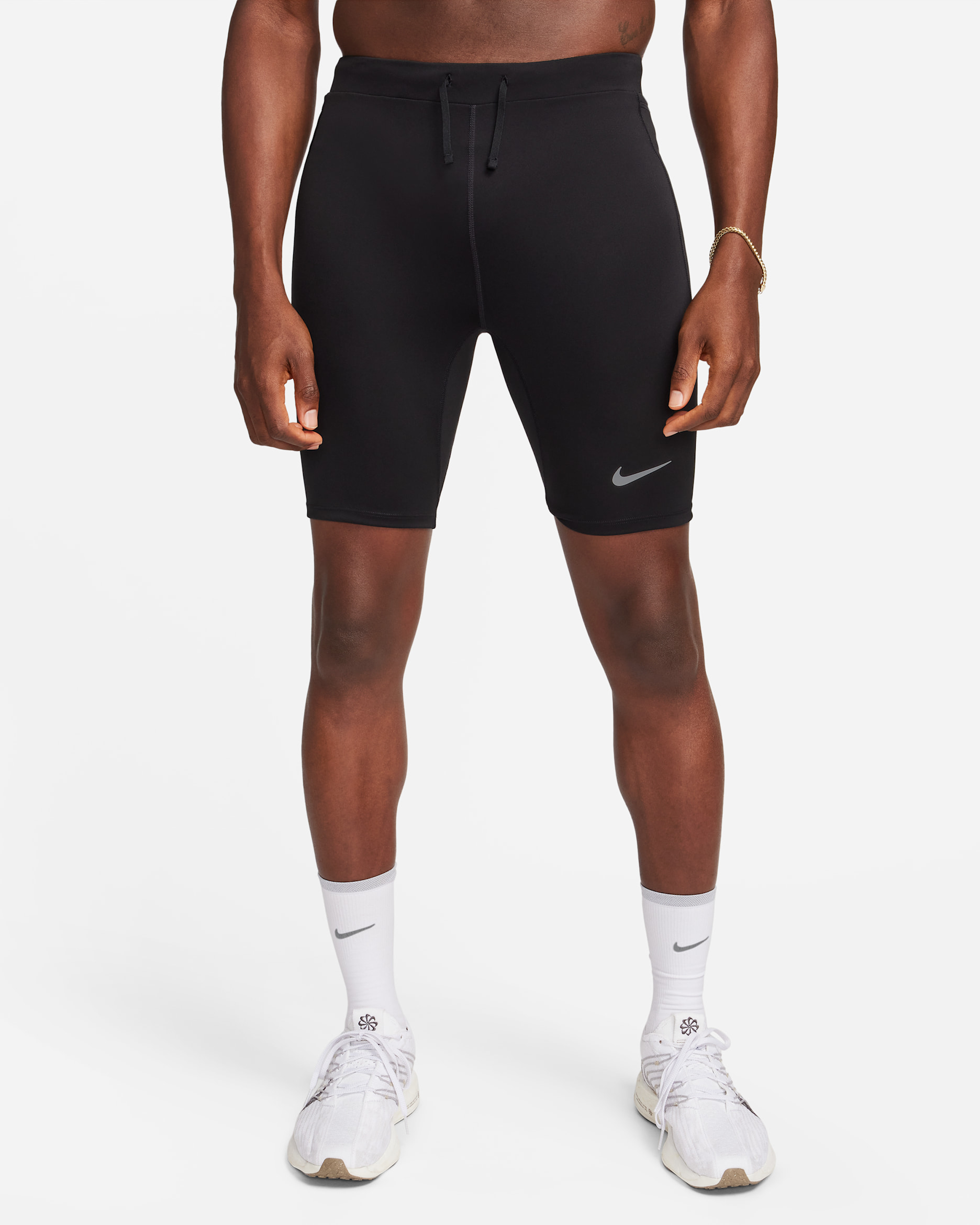
Credit: www.nike.com
Common Concerns About Running In Leggings
Many runners wonder about wearing leggings for their workouts. Some common concerns come up often. These worries focus on comfort, practicality, and how leggings look. Understanding these points helps make a better choice for running gear.
Breathability Issues
Leggings may cause overheating if fabric is not breathable. Sweat can build up and cause discomfort. Good leggings use moisture-wicking fabric to keep skin dry. Look for leggings made with mesh panels or ventilation zones. These help air flow and reduce sweat buildup. Breathable leggings improve comfort during long runs.
Durability And Wear
Running can be tough on leggings. Some leggings lose shape or develop holes fast. High-quality leggings resist wear and keep fit over time. Reinforced seams add strength and prevent tearing. Check fabric thickness and elasticity for better durability. Durable leggings save money and provide reliable support.
Style And Appearance
Some runners worry leggings might look too tight or revealing. Leggings come in many styles and lengths to suit different tastes. Dark colors often feel more secure and less see-through. Patterns and designs add personality while maintaining modesty. Choosing the right style boosts confidence during the run.
Tips For Maximizing Comfort And Performance
Running in leggings offers great flexibility and comfort. To get the best from your leggings, a few simple tips help. These tips focus on keeping you comfortable and improving your running performance. Follow these easy steps to enjoy every run fully.
Proper Washing And Care
Wash leggings after every run to remove sweat and dirt. Use cold water and gentle detergent to protect the fabric. Avoid fabric softeners; they can reduce the leggings’ stretch and breathability. Air dry leggings to keep their shape and elasticity. Proper care keeps leggings fresh and lasts longer.
Pairing With The Right Footwear
Choose running shoes that match your foot type and running style. Good shoes provide support and reduce injury risk. Leggings fit best with snug, lightweight shoes. This pairing helps you move freely and stay comfortable. Replace shoes regularly to maintain proper support and cushioning.
Incorporating Accessories
Use accessories to enhance your running experience. A moisture-wicking headband keeps sweat off your face. Compression socks improve blood flow and reduce fatigue. Reflective gear increases safety during early morning or evening runs. Small accessories add big comfort and performance benefits.
Leggings Vs. Other Running Gear
Choosing the right running gear affects comfort and performance. Leggings offer unique benefits but other options like shorts and tights also serve runners well. Understanding how leggings compare helps you pick the best for your run.
Comparison With Shorts
Shorts keep you cooler in hot weather. They offer more airflow and freedom around the legs. Shorts are easier to move in for some runners. They also dry faster after sweat or rain. Leggings cover more skin and protect from sun and bugs. Shorts may feel lighter but provide less coverage.
Comparison With Tights
Tights and leggings look similar but have small differences. Tights are usually thinner and tighter. They focus on muscle support and compression. Leggings often have thicker fabric and more stretch. Tights fit snugger and can help reduce fatigue. Leggings give more comfort for casual runs. Tights may feel restrictive for some runners.
When To Choose Each Option
Pick shorts in hot, humid weather for cooling. Choose leggings for cooler days or sun protection. Tights suit runners who want muscle support and recovery. Leggings work well for everyday running and layering. Think about weather, comfort, and your run type. Your choice affects how well you enjoy your run.
:max_bytes(150000):strip_icc()/vwt-cold-weather-running-gear-test-rabbit-pocket-tightz-ole-cleveland-20_crop-03a78a0656b0405ebe8a34d8aeaeea96.jpeg)
Credit: www.verywellfit.com
Frequently Asked Questions
Can I Run Long Distances In Leggings?
Yes, you can run long distances in leggings. Choose moisture-wicking and breathable fabric for comfort. Ensure leggings have good stretch and fit to avoid chafing during extended runs.
Are Leggings Better Than Shorts For Running?
Leggings provide more coverage and support than shorts. They protect against cold weather and reduce muscle vibration. Shorts offer more ventilation but less muscle support and protection.
What Leggings Are Best For Running?
Look for leggings made with breathable, moisture-wicking materials. Compression leggings enhance muscle support and blood flow. A high waistband and flat seams improve comfort and prevent irritation.
Do Leggings Cause Chafing When Running?
Leggings with smooth, seamless designs reduce chafing. Tight, non-breathable leggings may cause skin irritation. Choose leggings with proper fit and moisture control to minimize chafing risk.
Conclusion
Running in leggings can be comfortable and practical. Choose leggings made with breathable, stretchy fabric. They help keep your muscles warm and reduce chafing. Make sure they fit well and do not slip down. Proper running shoes matter more for your performance.
Remember to stay hydrated and stretch before running. Leggings are a good option for many runners. Try them and see how your body feels. Your comfort and safety always come first.
