

What is Gym Clothes Material? Ultimate Guide to Fabrics Explained
What Is Gym Clothes Material
Choosing the right gym clothes material can change your workout experience. If you have ever felt itchy, sticky, or too hot during exercise, your clothing material might be the cause. Today, gym wear is more advanced than ever. There are many types of materials, each with unique qualities. Some dry quickly, others stretch with your movements, and some even help with odor control. Understanding these differences helps you pick the best gym wear for your needs.
In this article, you'll learn about the most popular gym clothes materials, why they matter, and how they compare. You’ll also find out about new technologies, sustainability, and common mistakes people make when choosing workout fabrics. Whether you are new to fitness or a regular at the gym, this guide will help you make smarter choices for comfort and performance.
Why Gym Clothes Material Matters
When you work out, your body moves, sweats, and heats up. The material touching your skin can help or make things worse. The right gym clothes material should keep you cool, dry, and comfortable. It should also stretch with your body and not get heavy when wet.
If you wear regular cotton shirts or thick fabrics, you may feel uncomfortable quickly. They can trap sweat, cause chafing, or become heavy. On the other hand, high-performance materials are designed to manage sweat, stretch, and even reduce odors. Picking the right fabric can help you focus on your workout, not on your clothes.
Main Types Of Gym Clothes Materials
Different materials are used in gym wear, each with their own strengths and weaknesses. Here’s an in-depth look at the most popular types.
Polyester
Polyester is one of the most common materials used in gym clothes. It is lightweight, strong, and dries quickly. Most branded gym shirts, shorts, and leggings contain polyester or a polyester blend.
Key Features
- Moisture-wicking: Pulls sweat away from your skin, keeping you dry.
- Durability: Stands up to frequent washing and hard workouts.
- Lightweight: Easy to move in.
Drawbacks
Polyester can sometimes hold onto odors. If not washed properly, gym clothes may smell even after cleaning.
Example
Most running shirts, basketball jerseys, and compression wear are made from polyester blends.
Nylon
Nylon is another popular choice for athletic wear. It is soft, smooth, and very stretchy, making it ideal for tight-fitting clothes.
Key Features
- Stretch: Moves with your body, which is perfect for yoga or weightlifting.
- Quick-drying: Does not stay wet for long.
- Soft feel: Feels smooth against the skin.
Drawbacks
Nylon can be sensitive to high heat. Drying on high or ironing can damage it.
Example
Yoga pants, gym tights, and many activewear tops use nylon.
Spandex (lycra, Elastane)
Spandex is famous for its stretch. It is rarely used alone, but often blended with other fibers to add flexibility.
Key Features
- Extreme stretch: Can stretch up to 5-8 times its original size.
- Shape retention: Clothes keep their shape even after many uses.
- Comfort: Reduces resistance during movement.
Drawbacks
Spandex is not very breathable. Pure spandex is rarely used because it can feel hot and sticky.
Example
Compression shorts, fitted gym tops, and cycling shorts.
Cotton
Cotton is a natural fiber and feels soft and comfortable. However, it is not always the best choice for heavy workouts.
Key Features
- Softness: Gentle on the skin.
- Breathable: Allows air to pass, good for light workouts.
Drawbacks
Cotton absorbs sweat and holds onto it, which can lead to heavy, wet clothing.
Example
T-shirts for walking, warm-up tops, or cool-down clothes.
Bamboo
Bamboo fabrics are newer in gym wear. They are made from bamboo plants and offer a soft, eco-friendly option.
Key Features
- Eco-friendly: Biodegradable and made from renewable plants.
- Odor control: Naturally resists bad smells.
- Soft: Feels like silk.
Drawbacks
Bamboo can be more expensive and sometimes blended with other fibers to improve strength.
Example
Yoga tops, light workout tees, and base layers.
Merino Wool
Merino wool is not just for cold weather. It is a premium gym clothes material with unique properties.
Key Features
- Temperature control: Keeps you cool in heat and warm in cold.
- Odor resistance: Wool naturally fights bacteria.
- Moisture-wicking: Pulls sweat away from the body.
Drawbacks
More expensive than synthetic materials, and may need special washing.
Example
Running socks, base layers for outdoor workouts, and performance t-shirts.
Polypropylene
Polypropylene is a plastic-based fiber. It does not absorb water, making it good for wet or sweaty activities.
Key Features
- Waterproof: Does not soak up sweat.
- Lightweight: Easy to wear.
Drawbacks
Can feel plastic-like and is not always as comfortable as other fabrics.
Example
Base layers for hiking, outdoor running, and water sports.
Tencel (lyocell)
Tencel is a branded type of lyocell, made from wood pulp. It is a sustainable, soft, and breathable fabric.
Key Features
- Eco-friendly: Made using closed-loop processes, less environmental impact.
- Moisture management: Good at keeping skin dry.
- Soft: Gentle and comfortable.
Drawbacks
Can be more costly and less durable than polyester or nylon.
Example
Athletic shirts, yoga tops, and eco-friendly activewear.
Blends
Many gym clothes use a blend of materials. For example, polyester-spandex blends combine stretch and moisture control. Blends allow brands to offer the best of each fiber.
Common Blends
- Polyester and spandex for stretchy, quick-drying clothes
- Cotton and polyester for softness and durability
- Nylon and spandex for flexibility in leggings
How Gym Clothes Materials Compare
Not all gym clothes materials work the same way. To help you see the differences, here’s a comparison of three of the most popular options:
| Material | Moisture-wicking | Stretch | Odor Control | Durability |
|---|---|---|---|---|
| Polyester | Excellent | Good | Fair | High |
| Nylon | Very Good | Excellent | Fair | High |
| Cotton | Poor | Low | Poor | Medium |
From this comparison, you can see why most performance gym wear uses polyester, nylon, or blends with spandex.
Advanced Gym Clothes Technologies
Today’s gym clothes are not just about the basic material. Brands use new technologies to improve performance and comfort.
Moisture-wicking Technology
Many brands treat their fabrics to improve moisture-wicking. This means sweat is quickly pulled away from your skin and evaporates faster. This keeps you dry and reduces chafing.
Antimicrobial Treatments
Some gym clothes use antimicrobial treatments. These are chemical finishes that help the fabric resist bacteria and odor. This is helpful if you sweat a lot or wear your gym clothes for long periods.
Uv Protection
Certain fabrics offer UV protection. They block harmful sun rays, which is useful for outdoor workouts.
Compression Technology
Compression fabrics use a high amount of spandex to provide gentle pressure to muscles. This can improve blood flow and reduce muscle fatigue.
Seamless Construction
Some gym wear uses seamless technology. This reduces the number of seams, lowering the risk of chafing or irritation.

Credit: tripulse.co
Sustainability And Eco-friendly Gym Clothes Materials
More people now care about the environment. The gym wear industry is changing, too. Sustainable materials and processes are becoming more popular.
Recycled Polyester
Some brands use recycled polyester made from old plastic bottles. This reduces waste and still offers the benefits of regular polyester.
Organic Cotton
Organic cotton is grown without harmful chemicals. It is better for the environment but has the same pros and cons as regular cotton.
Bamboo And Tencel
Both bamboo and Tencel are made from renewable resources. They use less water and energy than traditional materials.
Comparing Sustainability
Here’s a look at how some materials compare on eco-friendliness:
| Material | Renewable Resource | Biodegradable | Water Usage | Energy Usage |
|---|---|---|---|---|
| Bamboo | Yes | Yes | Low | Low |
| Recycled Polyester | No | No | Low | Medium |
| Conventional Cotton | Yes | Yes | High | Medium |
This shows why many eco-conscious athletes choose bamboo, Tencel, or recycled materials.
How To Choose The Right Gym Clothes Material
Picking the right gym clothes material depends on your activity, comfort, and values. Here are some practical tips:
Consider Your Workout
- High-sweat activities: For running or HIIT, choose moisture-wicking materials like polyester or nylon.
- Stretch-focused exercise: For yoga or pilates, use blends with spandex for flexibility.
- Low-intensity workouts: For walking or stretching, cotton or bamboo may be comfortable.
Check For Comfort
- Look for flat seams or seamless designs to prevent irritation.
- Pick soft materials if you have sensitive skin.
Think About Durability
- Synthetic fibers like polyester and nylon last longer and keep their shape.
- If you train often, invest in durable blends.
Manage Odor
- Choose materials with antimicrobial treatments or natural odor resistance like merino wool or bamboo.
Go Green
- For sustainability, look for recycled polyester, bamboo, Tencel, or organic cotton.
Weather And Season
- For cold weather, pick merino wool or thicker blends.
- For hot weather, use lightweight, breathable synthetics.
Common Mistakes When Choosing Gym Clothes Material
Many people make errors when picking gym wear. Avoid these common mistakes:
- Choosing 100% cotton for intense exercise: Cotton gets heavy and stays wet.
- Ignoring fit and stretch: Some materials are not flexible enough for certain workouts.
- Not checking care instructions: Some fabrics need special washing or drying.
- Buying only for style: Looks matter, but comfort and performance are more important.
- Assuming price equals quality: Expensive doesn’t always mean better materials.
Special Gym Clothes Materials: Not Just For Sports
Performance fabrics are also used outside the gym. For example, compression socks can help with travel, and moisture-wicking shirts are great for hiking. The same qualities that help in the gym can improve comfort in daily life, especially in hot climates or long workdays.
How To Care For Gym Clothes Materials
Caring for your gym wear helps it last longer and perform better. Here are some tips:
Washing
- Wash in cold water to protect stretch and color.
- Use mild detergents without fabric softener (softener can block moisture-wicking).
- Turn clothes inside out to protect finishes.
Drying
- Air dry if possible to avoid shrinking or damaging spandex and nylon.
- Avoid high heat in dryers.
Special Care
- Wash gym wear soon after use to prevent odor build-up.
- For wool, use a gentle, wool-friendly detergent.
How Fabric Weight And Weave Affect Performance
It’s not just the fiber that matters—weight and weave also play a role.
- Lightweight fabrics are good for hot weather and intense workouts.
- Medium or heavy fabrics offer more warmth and coverage.
- Mesh panels or open weaves add breathability.
- Tight weaves can improve compression and support.
These details can make a big difference, especially for advanced athletes.
Innovations In Gym Clothes Material
The world of gym wear is always changing. Some new ideas include:
- Bioceramic fabrics: Claimed to improve blood flow and muscle recovery.
- Phase-change materials: These adapt to your body temperature for comfort.
- Graphene-infused fabrics: Strong, lightweight, and thermoregulating.
While some of these are still new, they may become more common in the future.
Gym Clothes Material And Skin Health
Wearing the wrong material can cause skin problems:
- Chafing: Rough seams or non-breathable fabrics rub the skin.
- Heat rash: Heavy, sweat-holding fabrics can block pores.
- Allergic reactions: Some people are sensitive to certain chemicals or fibers.
If you have sensitive skin, choose soft, natural, or hypoallergenic materials.
Cost Vs. Value In Gym Clothes Materials
Higher price does not always mean better performance. Sometimes, you pay more for a brand name. Focus on:
- Material quality
- Construction
- Fit and comfort
- Special features like odor control or seamless design
You can find good-quality gym wear in many price ranges if you know what to look for.
Real-world Example: Comparing Two Gym Shirts
Imagine two gym shirts—one is 100% cotton, the other is a polyester-spandex blend.
- During a 45-minute run, the cotton shirt gets wet and heavy. It rubs against the skin and feels cold after you stop.
- The polyester-spandex shirt stays light, dries quickly, and stretches as you move. You finish the run more comfortable and with less irritation.
This simple example shows why choosing the right gym clothes material is important for performance and comfort.
Popular Brands And Their Material Choices
Many well-known brands use special blends and proprietary materials:
- Nike Dri-FIT: Mostly polyester, with special moisture-wicking treatment.
- Under Armour HeatGear: Polyester and elastane blend for stretch and sweat management.
- Lululemon Luon: Nylon and Lycra blend for softness and flexibility.
- Adidas Climalite: Lightweight polyester for breathability.
Each brand may add their own technology, but the base materials are similar.
How To Read Fabric Labels In Gym Clothes
Understanding gym wear labels helps you choose wisely. Here’s what to look for:
- % Content: Shows how much of each fiber is used.
- Special features: Look for words like “moisture-wicking,” “quick-dry,” or “antimicrobial.”
- Care instructions: Follow these to keep your clothes in good condition.
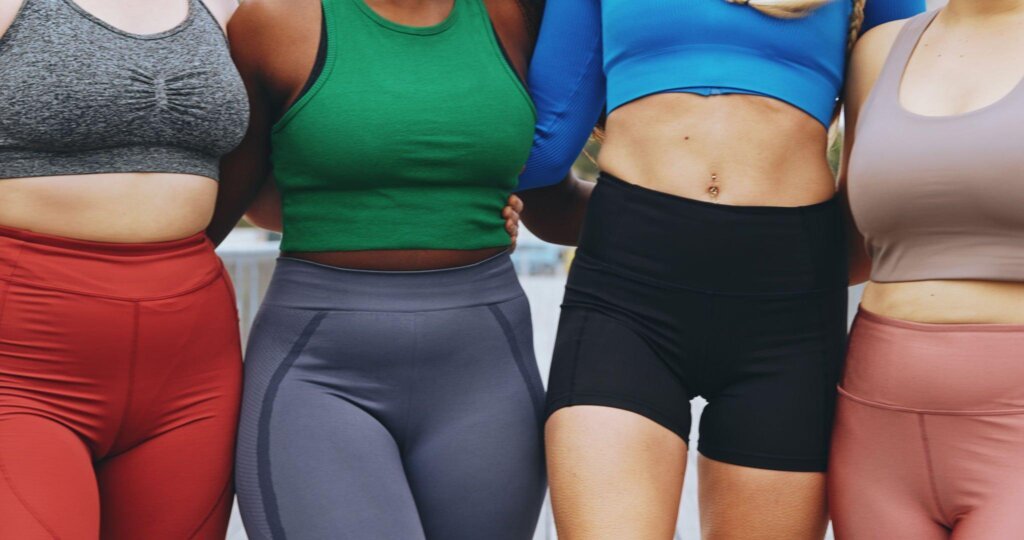
If you see a blend like “88% polyester, 12% spandex,” expect strong, stretchy gym wear.
Credit: tackapparel.com
Tips For Shopping For Gym Clothes Materials
When buying new gym wear, consider these steps:
- Try before you buy: Move around in the fitting room to test stretch and fit.
- Check reviews: See what other athletes say about durability and comfort.
- Look for guarantees: Some brands offer satisfaction guarantees.
- Ask about returns: In case the material isn’t right for you.
The Impact Of Gym Clothes Material On Performance
Wearing the right material can boost your workout. You stay cooler, drier, and more comfortable. This means you can focus on your performance, not your clothing. Athletes often say that good gym wear makes them feel more confident and motivated.
It’s not just marketing—science supports these claims. Studies show that moisture-wicking and breathable fabrics help athletes perform better and recover faster. If you train often, investing in the right material pays off.
For more research on textile performance, you can visit this detailed Wikipedia page on moisture wicking fabrics.

Credit: midwestworld.com
Frequently Asked Questions
What Is The Best Material For Gym Clothes?
The best material depends on your needs. For most workouts, polyester blends are top choices because they wick moisture, stretch, and last long. If you want natural fibers, merino wool and bamboo are also excellent for their comfort and odor control.
Can I Wear Cotton For Gym Workouts?
Cotton is fine for light or short workouts, but not for intense exercise. It absorbs sweat and stays wet, which can feel uncomfortable. For heavy sweating, choose synthetic materials.
How Do I Stop My Gym Clothes From Smelling Bad?
Wash gym clothes soon after use, avoid fabric softener, and choose antimicrobial-treated or odor-resistant materials like bamboo or merino wool. Air-drying also helps reduce odor build-up.
Are Eco-friendly Gym Clothes Materials As Effective?
Yes, many sustainable materials like recycled polyester, Tencel, and bamboo perform as well as traditional synthetics. They wick moisture, stretch, and last long, while having less impact on the environment.
How Can I Check If Gym Wear Is Genuine Performance Material?
Read the label for fiber content (like polyester or nylon), look for features (moisture-wicking, antimicrobial), and buy from trusted brands. Reviews and product websites can also help confirm quality.
The right gym clothes material can make your workouts more enjoyable and effective. By understanding the properties of each fabric, you can choose gear that fits your body, activity, and values. Whether you prioritize performance, comfort, or the planet, there is a gym wear material that will meet your needs.
