

What is Business Casual Women Dress? A Complete Style Guide
Choosing the right business casual attire can feel confusing, especially for women. Many companies use the term, but the actual dress code varies by workplace, region, and industry. You may wonder: What counts as business casual? How formal should you be? What clothes are allowed—and what should you avoid? Getting it right means feeling confident and comfortable while looking professional.
This article will guide you through the essentials of business casual women dress. You’ll learn what the term really means, see practical examples, get tips for building your wardrobe, and discover how to avoid common mistakes. Whether you’re new to the office or simply want to refresh your style, you’ll find clear advice here to help you look your best at work. Plus, you’ll discover how to adapt your outfits for different seasons, industries, and body types, making business casual work for you in every situation.
What Does Business Casual Mean For Women?
Business casual is a mix of professional and relaxed clothing. It’s less formal than a suit but more polished than jeans and a T-shirt. The idea is to look neat and ready for work, without feeling stiff or overdressed. This style suits most modern offices, including tech companies, banks, and creative agencies.
Unlike strict formal dress codes, business casual lets you express your personality. You’re not limited to dark suits or white shirts. However, it’s important to keep the look professional and avoid anything too casual or flashy. Business casual helps you feel at ease while showing respect for your workplace.
Key Features Of Business Casual
- Comfort: Clothes should be easy to move in, not tight or restrictive. This is essential for long days at work or meetings that require sitting and standing.
- Professionalism: Outfits must look tidy and appropriate for work. Avoid anything that looks messy, wrinkled, or worn out.
- Flexibility: You can mix formal and casual items, like pairing a blazer with dark jeans. This allows you to adjust your style for different tasks or events.
- Personal Style: There’s room for color, patterns, and accessories, as long as they aren’t distracting. You can add small touches that reflect your taste.
Typical Business Casual Pieces
Most business casual wardrobes include:
- Blouses or shirts: Plain or with subtle patterns. Avoid loud prints or slogans.
- Trousers or slacks: Well-fitted, not too tight. Choose materials that hold their shape.
- Knee-length skirts or dresses: Not mini or floor-length. Pencil or A-line skirts are popular.
- Cardigans or blazers: Add polish without being too formal. Cardigans are softer and blazers are sharper.
- Closed-toe shoes: Flats, loafers, or low heels. Comfort matters, especially if you walk or stand a lot.
- Minimal accessories: Simple jewelry, belts, or scarves. These add style but don’t take attention away from your work.
Some companies allow more freedom, while others expect a conservative style. For example, a tech startup may welcome bold colors, while a law firm prefers classic looks. Always check your company’s dress code if unsure, and observe what others wear.
Non-obvious tip: Many beginners forget that business casual is also about the condition of your clothing. Even the right items can look wrong if they are faded, stained, or wrinkled. Keeping your wardrobe in good shape is part of looking professional.
Business Casual Vs. Other Dress Codes
To understand business casual, it helps to compare it to other dress codes. Here’s a quick look at the main differences:
| Dress Code | Typical Outfits | Allowed Items | Not Allowed |
|---|---|---|---|
| Formal | Suits, tailored dresses | Heels, blazers | Jeans, sneakers |
| Business Casual | Blouses, slacks, cardigans | Flats, loafers | Shorts, tank tops |
| Casual | T-shirts, jeans | Sneakers, sandals | Too revealing clothes |
Business casual sits between formal and casual. It offers freedom but still expects you to look put-together. Sometimes, companies have “smart casual” or “dressy casual,” which are even more relaxed, but business casual is the most common for office settings.
For example, at a formal event you might wear a matching suit and heels. On casual days, jeans and sneakers are fine. Business casual lets you wear comfortable pants with a nice blouse and flats.
Non-obvious insight: The difference between business casual and casual is not just the clothes—it’s the attitude. Business casual shows you are ready to work and meet clients, even if you are not in a suit.
Building A Business Casual Wardrobe
Starting a business casual wardrobe doesn’t mean buying everything new. Focus on key pieces that work together, so you can mix and match for different looks.
Essential Clothing Items
- Neutral blouses: White, navy, beige, or light blue work well. Choose cotton, silk, or blends for comfort. You can layer these under cardigans or blazers.
- Tailored pants: Black, gray, navy, or khaki. Avoid leggings or jeans unless your office allows them. Straight-leg or slightly tapered styles are best.
- Knee-length skirts: A-line or pencil style. Avoid very short or very long skirts. Stick to classic fabrics like wool blends or cotton.
- Cardigans or blazers: Stick to solid colors or subtle patterns. These can turn a basic outfit into something polished.
- Simple dresses: Not too tight, not too loose. Patterns are okay, but keep them small. Shift and wrap dresses are good options.
- Closed-toe shoes: Flats, loafers, low heels. Avoid sandals unless allowed. Shoes should be comfortable for walking.
- Minimal accessories: Small earrings, a watch, or a delicate necklace. Scarves can add color, but avoid oversized pieces.
Practical Tips For Shopping
- Choose quality fabrics that last, like cotton or wool blends. They hold shape and resist wrinkles.
- Buy a few base colors first, then add more as your wardrobe grows. This makes matching easier.
- Look for wrinkle-resistant materials if you travel or move a lot. Many brands offer easy-care options.
- Try each item on to check fit and comfort—don’t just buy online. Move around, sit, and check from all angles.
- Consider layering: A cardigan over a blouse, a blazer over a dress. Layering lets you adjust to temperature changes.
Non-obvious insight: Don’t forget about undergarments. Seamless or nude-colored underwear prevents lines or show-through, especially with light-colored pants or skirts. This small detail makes your outfit look smoother and more professional.
Some beginners forget to check how clothes look when sitting, not just standing. A skirt or dress may rise higher than expected. Also, some fabrics show wrinkles or stains more easily, so choose wisely for long days. Another mistake: ignoring the care instructions. Dry-clean-only clothes may cost more over time.
What To Avoid In Business Casual Women Dress
Even when a company allows business casual, some items are always off-limits. Knowing what NOT to wear can save you from mistakes.
Common Mistakes
- Too revealing: Avoid deep necklines, backless tops, or mini skirts. This includes tops with thin straps or see-through fabrics.
- Overly casual: No ripped jeans, shorts, graphic T-shirts, or flip-flops. Stay clear of gym wear or anything meant for leisure.
- Heavy makeup or perfume: Keep it subtle. Strong scents or bold colors distract from your professionalism. Stick to neutral makeup and light scents.
- Large, flashy accessories: Stick to simple jewelry. Big earrings or chunky necklaces may look unprofessional. Avoid noisy bangles.
- Athletic wear: Leggings, sneakers, or gym clothes are not business casual. Save these for exercise or weekends.
Dress Code Differences
Some workplaces, like creative agencies, may allow jeans or bold colors. In banks or law firms, stricter rules apply. Always observe what others wear or ask HR if you’re unsure.
Non-obvious insight: Many women don’t realize that “casual Friday” does not mean “wear anything.” You still need to look neat. Also, avoid clothes with visible logos or slogans unless your company allows branded wear.

Credit: www.youtube.com
Business Casual By Season
Your business casual wardrobe should change with the weather. Staying comfortable is important, but you must keep the professional look.
Spring And Summer
- Light fabrics like cotton or linen help you stay cool.
- Short-sleeved blouses or dresses (not sleeveless unless allowed). If you wear sleeveless, make sure straps are wide and neckline is high.
- Lighter colors: Pastels, white, beige are fresh and appropriate.
- Closed-toe shoes or professional sandals (if allowed). Avoid athletic sandals or flip-flops.
- Layer with a lightweight cardigan in air-conditioned offices.
Fall And Winter
- Layer with cardigans, blazers, or sweaters for warmth.
- Heavier fabrics: Wool, tweed, knit keep you comfortable.
- Darker colors: Navy, black, burgundy fit the season and look professional.
- Closed-toe shoes, boots with a moderate heel. Avoid snow boots unless weather is extreme.
- Scarves for warmth and style, but keep patterns simple.
Seasonal Table
Here’s a quick guide for seasonal business casual choices:
| Season | Top | Bottom | Shoes | Accessories |
|---|---|---|---|---|
| Spring | Light blouse | Khaki pants | Flats | Small scarf |
| Summer | Short-sleeved shirt | Knee-length skirt | Loafers | Minimal jewelry |
| Fall | Sweater | Dark slacks | Low boots | Belt |
| Winter | Blazer | Wool trousers | Heeled boots | Warm scarf |
Remember, some offices keep air conditioning low in summer or high in winter. Layering helps you adjust throughout the day. In unpredictable weather, keep a spare cardigan or scarf in your bag.
Non-obvious insight: Some fabrics, like linen, wrinkle easily. For hot climates, choose blends that look smooth all day. In winter, watch for static cling from wool or knits; use anti-static sprays or slips.
Business Casual For Different Industries
Not all industries define business casual the same way. Here’s how the dress code changes in common workplaces.
Corporate Offices
- Prefer solid colors and conservative styles. Avoid bold prints or bright colors.
- Closed-toe shoes always required. Keep heels moderate.
- Minimal accessories. Think pearl earrings or a simple watch.
Creative Agencies
- Allow more color, patterns, and bold jewelry. Express yourself with unique pieces.
- Jeans may be allowed if clean and dark. Pair with smart tops.
- Trendy shoes or boots are fine. Experiment with style.
Tech Companies
- More relaxed rules; sneakers sometimes allowed. Comfort is key.
- T-shirts with a blazer or cardigan can work. Keep logos subtle.
- Casual dresses and skirts permitted, as long as they’re neat.
Healthcare And Education
- Comfortable shoes are important for walking. Supportive flats or loafers.
- Outfits must be practical and easy to clean. Avoid dry-clean-only fabrics.
- Simple jewelry and no distracting styles. Stick to basics.
Comparison Table
Let’s compare business casual expectations:
| Industry | Allowed | Not Allowed | Style Tips |
|---|---|---|---|
| Corporate | Blazers, slacks | Jeans, sandals | Stick to classic colors |
| Creative | Patterns, bold colors | Flip-flops, gym wear | Add personal flair |
| Tech | Clean jeans, sneakers | Ripped jeans, shorts | Mix casual with smart |
| Healthcare/Education | Comfortable shoes | High heels, distracting jewelry | Practical and neat |
Always check your company’s dress code for details. If you’re unsure, ask a coworker or HR. It’s better to ask than guess and make a mistake.
Non-obvious insight: Industry dress codes can change quickly. For example, tech companies that were once very casual may now prefer slightly more formal looks as they grow. Stay aware of trends in your field.
Credit: wonder-wardrobe.com
Business Casual Dress Examples
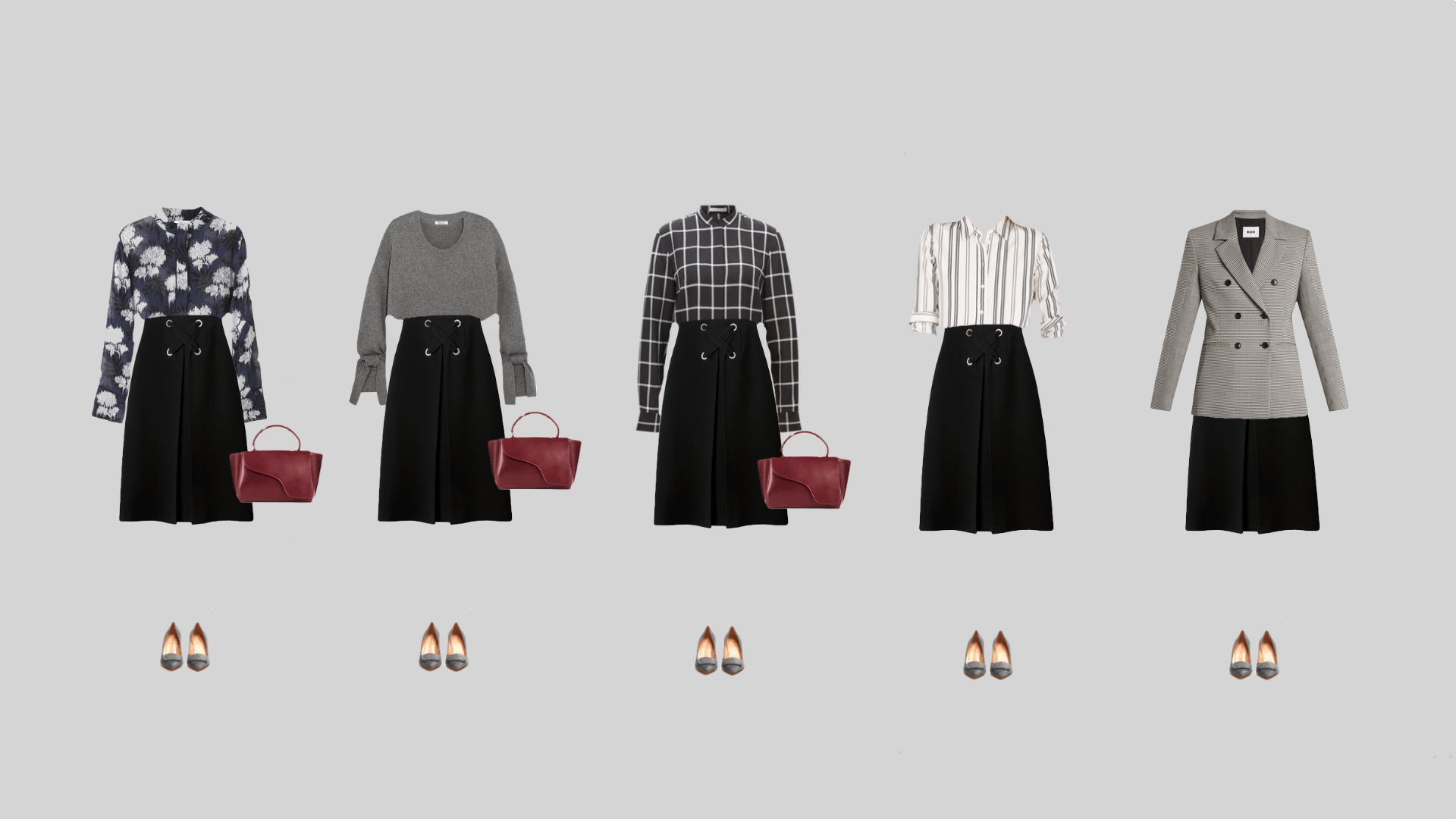
Seeing real examples helps you picture the style. Here are some sample outfits for different situations.
Daily Work
- Navy slacks, white blouse, beige cardigan, black flats. Add a simple necklace.
- Knee-length gray skirt, light blue shirt, simple belt, closed-toe heels. A watch completes the look.
- Dark jeans (if allowed), patterned blouse, navy blazer, loafers. Small stud earrings are perfect.
Meeting Or Presentation
- Black tailored pants, cream silk blouse, fitted blazer, low heels. Carry a structured handbag.
- A-line dress with subtle print, small earrings, matching flats. Add a light scarf for polish.
Casual Friday
- Clean dark jeans, pastel sweater, loafers. Keep accessories minimal.
- Knee-length skirt, short-sleeved blouse, flat shoes. Simple bracelet adds style.
After-work Events
- Shift dress with cardigan, simple necklace, closed-toe wedges. Choose a tote bag.
- Tailored pants, sleeveless blouse (if allowed), stylish flats. Add a lightweight blazer for meetings.
Non-obvious Insight
One detail beginners often miss: Many offices allow jeans only on specific days, like Friday, and only if paired with dressier tops and shoes. Always check the guidelines and notice how managers dress on these days.
Another tip: When planning your outfit, consider the event’s location. For example, a lunch meeting at a restaurant may require a more polished look than a team meeting in the office.
How To Accessorize Business Casual
Accessories add personality but must stay professional. Here’s how to do it right.
Jewelry
- Choose small earrings, thin necklaces, or a classic watch.
- Avoid large hoops or chunky bracelets. Keep it understated.
Scarves And Belts
- Light scarves in spring or fall add color. Choose simple patterns.
- Belts can define your waist, but keep them simple. Avoid flashy buckles.
Bags
- Use a structured tote or handbag in neutral colors. This looks professional and holds everything you need.
- Avoid backpacks unless your office allows them. If you use a backpack, choose one in leather or a plain design.
Tips
Don’t wear more than three accessories at once. Too much can look distracting. If you wear earrings, a necklace, and a watch, skip the bracelet.
Non-obvious insight: Many women don’t realize that noisy jewelry—like bangles that clink—can be distracting in meetings. Choose items that are quiet and comfortable.
Grooming And Presentation
Your clothes are only part of your business casual look. Grooming matters, too.
Hair
- Keep hair tidy, away from your face. Use clips or ties if needed.
- Simple styles: Ponytail, bun, or loose but neat. Avoid messy buns or unbrushed hair.
Makeup
- Use natural shades for eyes, lips, and cheeks. Light foundation and soft colors are best.
- Avoid glitter, heavy contouring, or bold colors. Keep it simple for work.
Nails
- Short, clean nails with neutral polish. Light pink, nude, or clear.
- Avoid chipped polish or bright colors. Remove polish if it starts to look messy.
Hygiene
- Fresh breath and clean clothes are essential. Carry gum or mints if needed.
- Avoid strong perfumes or colognes. Many offices prefer fragrance-free environments.
Non-obvious insight: Carry a small emergency kit—such as a comb, stain remover, or deodorant—in your bag. This helps you fix any problems quickly and stay confident.
Tips For Choosing Business Casual Women Dress
Here are some practical tips to help you succeed:
- Fit is everything: Clothes should not be too tight or too loose. Tailoring can help.
- Plan outfits ahead: Saves time and avoids mistakes. Lay out clothes the night before.
- Check the weather: Adjust layers and fabrics as needed. Keep a spare umbrella.
- Observe others: Learn from coworkers, especially when new. Notice what managers wear.
- Prepare for meetings: Dress up a bit more for important events. Add a blazer or more formal shoes.
- Keep a spare item: A blazer or cardigan in your office for emergencies. This helps if you spill or feel cold.
- Wash and care: Business casual clothes last longer if cleaned properly. Follow care labels.
- Rotate outfits: Avoid wearing the same look every day. Mix and match pieces.
- Adapt to your role: Managers may dress slightly more formal. If you get promoted, upgrade your wardrobe.
- Ask for feedback: If unsure, check with HR or a supervisor. It’s better to ask than guess.
Non-obvious Insight
Some fabrics look fine in the morning but wrinkle by noon. Test your outfits for a full day before making them a regular choice. Sit, stand, and move around to see how the outfit holds up.
Bonus tip: Keep a small sewing kit or safety pins in your desk. These can fix minor tears or wardrobe malfunctions instantly.
Business Casual Dress For Plus-size Women
Business casual works for all sizes. The key is choosing pieces that flatter your shape and feel comfortable.
- Look for structured blazers and cardigans to define your shape. Avoid shapeless jackets.
- Choose A-line skirts or tailored pants with stretch. These provide comfort and style.
- Pick blouses with vertical lines or subtle patterns. Vertical stripes elongate your look.
- Avoid clingy fabrics or overly loose tops. Balance fit and comfort.
Many stores offer plus-size business casual collections. Try items before buying, and don’t be afraid to tailor pieces for the best fit. Good tailoring makes any outfit look polished.
Non-obvious insight: Layering can help highlight your best features. For example, a fitted blazer over a soft blouse draws attention upward and creates a smooth silhouette.
Sustainable And Ethical Business Casual Choices
More women want business casual clothes that are ethical and sustainable. Here’s how to make smart choices:
- Look for clothes made from organic cotton, bamboo, or recycled materials. These are better for the environment.
- Choose brands that use ethical labor practices. Check websites for details.
- Buy fewer, higher-quality items that last longer. Invest in pieces you’ll wear often.
- Donate or recycle old clothes to reduce waste. Many organizations accept office wear for women returning to work.
Check labels and company websites for information. Sustainable choices can also save money over time.
Non-obvious insight: Capsule wardrobes—small collections of versatile pieces—are more sustainable and make dressing easier. Focus on quality and versatility rather than quantity.
Common Questions About Business Casual Women Dress
Many women have questions when starting out. Here are answers to the most frequent ones.
Frequently Asked Questions
What Colors Are Best For Business Casual?
Neutral colors like black, navy, gray, beige, and white are always safe. Soft pastels or small prints are fine, too. Bright colors work if your office allows them, but avoid neon or very bold shades. For creative industries, try adding one colorful item, like a scarf or blouse.
Can I Wear Jeans In A Business Casual Workplace?
Some offices allow dark, clean jeans as part of business casual, but only if paired with dressier tops and shoes. Avoid ripped, faded, or skinny jeans unless your company says it’s OK. Always check the dress code. Pair jeans with a blazer and neat shoes to dress them up.
Are Open-toe Shoes Allowed?
Most business casual offices expect closed-toe shoes, such as flats, loafers, or low heels. Some creative or tech workplaces allow open-toe sandals, but never flip-flops. Make sure your shoes are neat and comfortable. In some climates, open-toe shoes may be more acceptable in summer.
Is It Okay To Wear Sleeveless Tops?
Sleeveless tops may be allowed if they’re not too revealing and the straps are wide enough. Always carry a cardigan or blazer for meetings or colder offices. Avoid spaghetti straps or deep necklines. If unsure, layer with a jacket.
How Do I Build A Business Casual Wardrobe On A Budget?
Start with basic pieces: two pairs of pants, two skirts, three blouses, a cardigan, and one pair of flats. Buy neutral colors so you can mix and match. Look for sales, secondhand stores, or sustainable brands. Quality matters more than quantity. Consider buying classic pieces that don’t go out of style.
For more in-depth guides and global workplace dress norms, see Wikipedia.

Credit: classicsixny.com
Final Thoughts
Business casual women dress is about balancing professionalism and comfort. There’s no single outfit that fits all offices, but the basics—neat blouses, tailored pants, simple shoes—work almost everywhere. Use this guide to build a wardrobe that suits your style, your job, and your budget. Remember: Confidence comes from feeling comfortable and looking polished. With a few smart choices, you’ll always be ready for work.
Care for your clothes, adapt to your workplace, and don’t be afraid to express your personality in small ways. Business casual is flexible, so make it your own while respecting your company’s culture. And if you’re ever unsure, ask someone or check the dress code—being prepared is always professional.
Keep in mind that your appearance affects how others see you at work. A well-chosen business casual outfit can open doors, make you feel empowered, and help you focus on your job—not your clothes. Enjoy the process of finding your business casual style and let it support your career every day.
