

Are Boots Business Casual Women Should Wear to Work?
Choosing the right footwear for work is a challenge for many women. You want to look stylish, feel comfortable, and follow your company’s dress code. Boots are popular in colder months, but are they really business casual for women? This question comes up often, and the answer depends on several factors: boot style, material, color, and how you pair them with your outfit. If you’re unsure about wearing boots to the office, you’re not alone. Many women struggle to balance fashion with professionalism. Let’s explore the topic in detail, so you can confidently decide if boots are suitable for your business casual wardrobe.
Defining Business Casual For Women
The term business casual can mean different things depending on the company and industry. Some workplaces are strict, while others are more relaxed. Generally, business casual for women includes slacks, skirts, blouses, sweaters, cardigans, and closed-toe shoes. It aims for a polished look without being too formal.
Over the last decade, business casual has become more flexible. Some companies now allow more color, pattern, and style variety than ever before. However, there are still clear boundaries between what’s seen as office-appropriate and what’s not.
Common Elements Of Business Casual
- Tops: Blouses, button-down shirts, knit tops, and sweaters
- Bottoms: Dress pants, tailored skirts, and khakis
- Footwear: Flats, loafers, low heels, and sometimes boots
- Accessories: Simple jewelry, belts, and scarves
Business casual avoids denim, athletic wear, and overly casual shoes like sneakers or flip-flops. The goal is to look neat and professional, but not overly dressy.
It’s important to note that some offices allow dark, clean jeans on certain days (like "casual Fridays"), but these are exceptions rather than the rule. When in doubt, lean toward the more formal side of business casual, especially if you’re new.
Types Of Boots And Their Business Casual Potential
Not all boots are the same. Some styles fit business casual, while others are best for weekends or evenings. Knowing the differences is key.
Common Boot Styles
- Ankle Boots: Short boots ending near the ankle. They can be sleek and professional or casual.
- Chelsea Boots: Slip-on ankle boots with elastic sides. Their clean lines suit many workplaces.
- Riding Boots: Knee-high boots, often with a flat heel. Traditionally equestrian, they can look polished.
- Dress Boots: Boots made from fine leather or suede, often with a slim heel.
- Combat Boots: Chunky, lace-up boots. Usually too rugged for business casual.
- Western Boots: Cowboy-style boots. They’re bold, but usually not business casual unless your office is very relaxed.
Each style creates a different impression. For example, Chelsea boots are often considered timeless and versatile, while combat boots can make an outfit look edgy and informal. Riding boots, when kept simple, blend well with many business casual outfits, especially in autumn and winter.
Comparing Boot Styles For The Office
Here’s a quick overview of how popular boot styles match business casual standards.
| Boot Style | Business Casual Friendly? | Best Outfit Pairings |
|---|---|---|
| Ankle Boots | Yes (if simple and neat) | Dress pants, pencil skirts, tights |
| Chelsea Boots | Yes (classic style) | Trousers, midi skirts, tailored dresses |
| Riding Boots | Sometimes | Knee-length skirts, slim pants |
| Dress Boots | Yes | All business casual outfits |
| Combat Boots | No | Casual wear only |
| Western Boots | No (unless office is casual) | Casual or themed events |
Dress boots, ankle boots, and Chelsea boots are the safest choices for business casual. They look polished and don’t distract from your outfit.
One detail many overlook: the boot shaft height. Ankle boots are universally easy to style, while knee-high boots can sometimes overwhelm shorter skirts or wide-leg pants. The simpler the boot, the easier it is to blend with business attire.
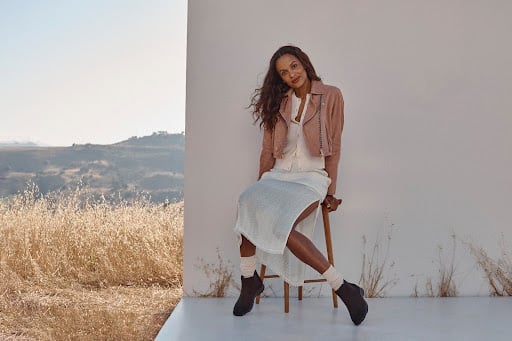
Credit: www.vionicshoes.com
What Makes A Boot Business Casual?
Several details affect whether a boot is business casual. Consider the following when choosing boots for work:
Material
- Leather: Smooth, polished leather is ideal. It looks professional and matches most outfits.
- Suede: Can work if the style is clean and the color is neutral.
- Patent: Shiny finishes are best for dressier environments.
- Synthetic: Some synthetic boots look neat, but avoid overly shiny or plastic-like finishes.
For example, matte leather ankle boots can look elegant and formal, while shiny, plastic-like materials can appear cheap and out of place in a business setting. Suede gives a softer appearance, but it’s more sensitive to weather and stains, so keep that in mind for rainy seasons.
Color
- Neutral colors: Black, brown, navy, gray, and taupe are safest. They blend well with business attire.
- Bold colors: Red, white, or patterned boots usually stand out too much for business casual.
Sticking with neutral colors offers flexibility. For instance, black or dark brown boots work with almost any color in your wardrobe, reducing the need for multiple pairs.
Heel Height
- Low to medium heel: 1-2 inches is comfortable and professional.
- Flat: Flat boots are fine if the style is tailored.
- High heels: Overly high heels (above 3 inches) can look too dressy.
A moderate heel can add polish and confidence, but comfort is key. If you’ll be walking or standing a lot, prioritize a sturdy, supportive heel.
Detailing
- Minimal design: Avoid boots with too many buckles, studs, or embroidery.
- Simple shapes: Clean lines and classic silhouettes are best.
Extra details like chains, rhinestones, or heavy stitching can draw unwanted attention. For business casual, less is almost always more.
Condition
- Well-maintained: Scuffed or worn boots look unprofessional. Keep them clean and polished.
Even a high-quality boot can look sloppy if it’s not cared for. Regular cleaning and occasional polishing make a big difference.
Non-obvious Insight
One factor beginners often overlook is the sole of the boot. Extremely thick or lugged soles (like those on hiking boots) can make a boot too casual, even if the rest of the boot looks polished. Thin, simple soles are preferred for business wear.
How To Style Boots For Business Casual
Pairing boots with business casual outfits is easier than you think. The key is balance. Your boots should complement your clothes, not overpower them.
With Pants
- Choose slim or straight-leg pants that tuck into or cover the top of the boot.
- Avoid baggy or distressed jeans.
- Match boot color to your pants for a longer leg look.
For example, pairing black ankle boots with black pants creates a sleek, continuous line, making you appear taller. Avoid rolling up your pants unless your office is very relaxed—visible socks can look sloppy.
With Skirts And Dresses
- Wear knee-high or ankle boots with tailored skirts.
- Avoid mini skirts—stick to knee-length or longer.
- Tights can add polish, especially in colder months.
A simple look: a navy pencil skirt, gray tights, and black ankle boots. This pairing is classic and works in most offices. For dresses, stick to structured, non-casual fabrics like ponte, wool, or crepe.
Outfit Examples
- Black ankle boots + gray dress pants + cream blouse
- Brown Chelsea boots + navy pencil skirt + white sweater
- Suede dress boots + tailored dress + blazer
Experiment with layering, too—a long cardigan or tailored coat can add warmth and sophistication.
Common Mistakes
- Wearing boots with visible wear and tear
- Pairing chunky boots with delicate outfits
- Choosing boots with flashy colors or patterns
Another mistake: tucking wide-legged pants into boots. This creates a bulky look and breaks the line of your outfit. Instead, let wider pants fall over the boots, or pick slim pants that fit neatly inside.
Non-obvious Insight
The fit around the ankle matters. Loose, slouchy boots can make your outfit look unstructured. Opt for boots that fit snugly around the ankle for a sharp, put-together appearance.

Credit: www.poseidonion.com
When Boots Are Not Business Casual
Some boots don’t fit business casual no matter how you style them. Here’s what to avoid:
- Overly casual boots: Uggs, hiking boots, rain boots
- Statement boots: Animal prints, metallic finishes, extreme designs
- High-heeled, party boots: Thigh-highs, platform boots
If in doubt, check your company’s dress code or ask HR. Some offices are flexible, while others are strict.
In certain creative fields, a bold boot might be accepted, but for most offices, subtlety is safer. Save your statement boots for weekends or after-work events.
Regional And Industry Differences
The acceptability of boots in business casual varies across regions and industries.
Urban Offices
Big cities often have more relaxed dress codes. Fashion-forward ankle boots and Chelsea boots are common in creative fields like marketing or tech.
Urban workplaces may also be more tolerant of unique colors (like burgundy or deep green), especially during fall and winter. However, even in creative environments, avoid boots that look distressed or heavily embellished.
Traditional Industries
Finance, law, and government offices usually prefer classic shoes. Boots must be simple and understated.
For these settings, stick with black or brown leather boots, minimal heels, and classic designs. Anything too flashy may draw unwanted attention or be seen as unprofessional.
Climate And Season
In colder climates, boots are practical for winter. Many companies allow boots in fall and winter, but expect loafers or pumps in spring and summer.
If your office is in a region with harsh winters, waterproof leather boots can be both practical and acceptable. Just make sure to change out of snow boots once indoors, switching to your business casual pair.
Comparing Dress Codes By Industry
Here’s a comparison of how different industries view boots for business casual.
| Industry | Boots Acceptable? | Boot Style Preferred |
|---|---|---|
| Tech/Creative | Yes | Ankle, Chelsea, Dress Boots |
| Finance/Law | Sometimes | Classic Dress Boots |
| Education | Yes | Simple, comfortable boots |
| Retail/Hospitality | Depends | Flat boots, low heels |
| Healthcare | Rarely | N/A |
If you’re unsure how your industry feels about boots, look at what leadership wears or ask a trusted colleague.
Boot Brands Popular For Business Casual
Some brands are known for making boots that fit business casual standards. Here are a few:
- Clarks: Known for comfortable, classic ankle boots.
- Sam Edelman: Stylish but not flashy, with good quality materials.
- Naturalizer: Focuses on comfort and simple design.
- Cole Haan: Offers dress boots with refined details.
- Steve Madden: Modern styles, but choose their simpler designs.
Other reliable brands include Franco Sarto, ECCO, and Dr. Scholl’s. These brands often use better materials and offer more support, making them ideal for long days.
Buying from trusted brands ensures quality and comfort. It’s better to invest in one pair of good boots than several cheap pairs.
Some beginners choose style over comfort, but after a few long days, regret sets in. If possible, read reviews or try on boots in-store to find your perfect match.
Practical Tips For Buying Business Casual Boots
Selecting the right boots involves more than style. Here are practical tips:
- Try boots with your work clothes. Fit and look can change depending on your outfit.
- Consider all-day comfort. Look for cushioned insoles and flexible soles.
- Check the shaft height. Ankle boots are easiest to pair. Knee-high boots can work but might not fit all pants.
- Avoid boots with bold logos or patterns. Subtle branding is best.
- Break in new boots before wearing them to work. Avoid blisters and discomfort.
A good tip is to wear the socks or tights you plan to use at work when trying on boots. This ensures the right fit and prevents surprises later.
Comparing Features: Comfort Vs. Style
Here’s a simple comparison of what to look for in business casual boots.
| Feature | Why It Matters | Example |
|---|---|---|
| Comfort | Long work days require supportive shoes | Cushioned insoles, roomy toe box |
| Style | Looks professional and fits the dress code | Neutral color, minimal details |
| Fit | Prevents pain and keeps outfit neat | True-to-size, no tightness |
| Durability | Boots should last through many seasons | Quality leather or suede |
If you walk or commute to work, consider weather resistance too. Some brands offer waterproof leather, which can be a lifesaver in wet climates.

Credit: puttingmetogether.com
Real-life Examples: Boots In The Workplace
Many women successfully wear boots as part of their business casual wardrobe. Here are a few scenarios:
Creative Office
Sarah works in a marketing agency. She wears black Chelsea boots with slim pants and a tailored blazer. Her boots are simple, polished, and match her outfit. She feels confident and gets compliments from coworkers.
Traditional Office
Emily works in finance. Her office allows boots, but they must be classic. She chooses brown leather dress boots with a low heel, pairing them with a knee-length skirt and tights. Her look is neat and blends in with her colleagues.
Academic Setting
Lisa teaches at a university. She prefers ankle boots for comfort. She pairs them with dress pants and a knit top. Her boots have minimal detailing, keeping her outfit professional.
What Beginners Miss
- Boots should match the rest of your outfit’s formality. Even the right boots can look out of place with casual clothes.
- The shape of the boot’s toe matters. Rounded or almond-shaped toes are best; pointed toes can look too dressy, and square toes may feel outdated.
Another subtle factor: the finish of your boots. Matte finishes look more understated, while high-gloss can look too flashy for some offices.
Boot Care: Keeping Them Professional
Even the best boots need care. Dirty or damaged boots can ruin your look. Here’s how to keep them office-ready:
- Clean regularly: Wipe off dirt and polish leather boots.
- Store properly: Use boot trees or stuff with paper to keep shape.
- Repair as needed: Fix scuffs, replace worn soles, and treat stains.
- Weatherproof: Use spray for suede and leather to protect from rain.
A well-maintained boot lasts longer and always looks professional.
If your boots get wet, let them dry naturally—never use direct heat, as it can crack leather. For stubborn stains, consider professional cleaning.
Sustainability And Ethical Choices
Many women now consider sustainability when buying boots. Ethical brands use eco-friendly materials and fair labor. Look for boots made from recycled materials, plant-based leather, or companies with transparent supply chains. Not only does this help the environment, but it also supports responsible business.
Some brands, like Nisolo and Allbirds, focus on ethical practices and use more sustainable materials. While they may cost more upfront, these boots often last longer and create less waste.
For more about ethical footwear, visit B Corporation.
Navigating Dress Codes: Tips For Beginners
If you’re new to the office or unsure about boots, here’s how to navigate the rules:
- Observe coworkers: Notice what others wear, especially those in similar roles.
- Ask HR: If unsure, check with your human resources team.
- Start conservative: Choose classic styles and neutral colors at first. You can try bolder choices once you understand the culture.
- Adapt for seasons: Wear boots in colder months, and switch to loafers or flats in warmer seasons.
Dress codes change, so stay flexible and ready to adjust.
Don’t forget: Some offices update dress policies, especially after leadership changes or mergers. Stay alert for updates and ask questions if you’re unsure.
The Role Of Boots In Modern Business Casual
Business casual is evolving. Boots are now more accepted, especially in urban and creative workplaces. They offer comfort, style, and practicality. Women no longer have to choose between fashion and professionalism. The right boots can be a smart addition to your work wardrobe.
The Power Of Versatility
Boots are versatile. A pair of black ankle boots can work with pants, skirts, and dresses. They transition from the office to after-work events. Investing in one good pair gives you many styling options.
Try switching up your look with different textures—smooth leather one day, soft suede the next. Just remember to keep the overall style simple and clean.
Data: Women’s Preferences
Surveys show that over 60% of working women prefer boots in fall and winter. Comfort and style are the main reasons. Many report feeling more confident and comfortable, especially during long work days.
Another insight: Women who commute by foot or public transport are more likely to wear boots due to weather protection and durability.
Frequently Asked Questions
Are Knee-high Boots Business Casual For Women?
Knee-high boots can be business casual if they are simple, made from quality leather or suede, and in neutral colors. Pair them with knee-length skirts or slim dress pants. Avoid boots with flashy details or high heels.
Can You Wear Boots With A Dress In A Business Casual Office?
Yes, you can wear boots with a dress. Choose ankle or dress boots with a tailored, knee-length dress. Add tights if needed. Avoid pairing boots with casual or very short dresses.
What Boot Colors Are Best For Business Casual?
Neutral colors like black, brown, navy, and gray are best. They match most business outfits and look professional. Avoid bright or patterned boots unless your office has a relaxed dress code.
Is Suede Acceptable For Business Casual Boots?
Suede is acceptable if the boot is clean, simple, and in a neutral color. Avoid suede boots with heavy detailing, bold colors, or signs of wear. Weatherproof them to keep them looking neat.
How Do I Know If My Boots Are Too Casual For The Office?
Check the style, color, and condition. If your boots have lots of buckles, patterns, or look worn, they may be too casual. Stick to classic styles and minimal designs. When in doubt, compare your boots to what others are wearing in your workplace.
Can I Wear Boots Year-round For Business Casual?
In most offices, boots are seen as fall and winter footwear. However, in cooler climates or more relaxed workplaces, boots may be appropriate year-round. Opt for lighter colors and fabrics in warmer months, and avoid heavy, insulated boots in spring and summer.
Final Thoughts
Boots can be a smart, stylish addition to a business casual wardrobe for women. The key is choosing the right style, color, and pairing them thoughtfully with your outfit. Remember to keep boots clean and well-maintained, and start with classic designs if you’re unsure.
As business casual evolves, boots are becoming more common, offering both comfort and confidence. With these tips, you can enjoy wearing boots to work and still look professional.
The most important thing is to choose boots that reflect your personal style while respecting your workplace culture. Over time, you’ll find the right balance between fashion and function, making boots a reliable part of your business casual rotation.
