

What is a Dh Rash: Causes, Symptoms & Effective Treatments
Have you ever noticed an unusual rash on your skin and wondered what it could be? If you’ve come across the term "DH rash" and felt confused, you’re not alone.
This type of rash can be uncomfortable and puzzling, but understanding what it is can help you take control of your health. You’ll discover exactly what a DH rash is, what causes it, and how you can recognize it early.
Keep reading to get clear answers and learn what steps you can take to feel better fast.
Credit: my.clevelandclinic.org
What Is A Dh Rash
A DH rash is a skin condition that causes red, itchy bumps or blisters. It often appears on the elbows, knees, and back. This rash is linked to a problem inside the body, not just the skin.
People with DH rash usually have a sensitivity to gluten. Gluten is a protein found in wheat, barley, and rye. The rash shows that the immune system is reacting to gluten in the diet.
Recognizing a DH rash helps people get the right treatment and avoid discomfort.
What Causes A Dh Rash?
The main cause is gluten sensitivity. The body’s immune system reacts to gluten and attacks the skin. This reaction leads to the rash and itching. It is a sign of an underlying condition called celiac disease.
Who Can Get A Dh Rash?
Anyone can develop DH rash, but it often affects adults. It may start in childhood or later in life. People with celiac disease have a higher chance of getting this rash.
How Does A Dh Rash Look?
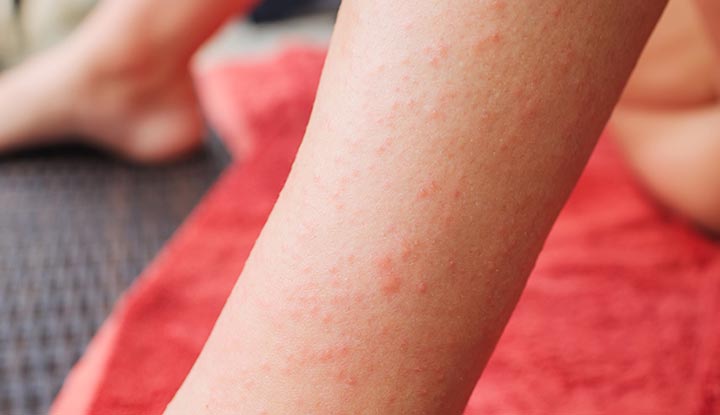
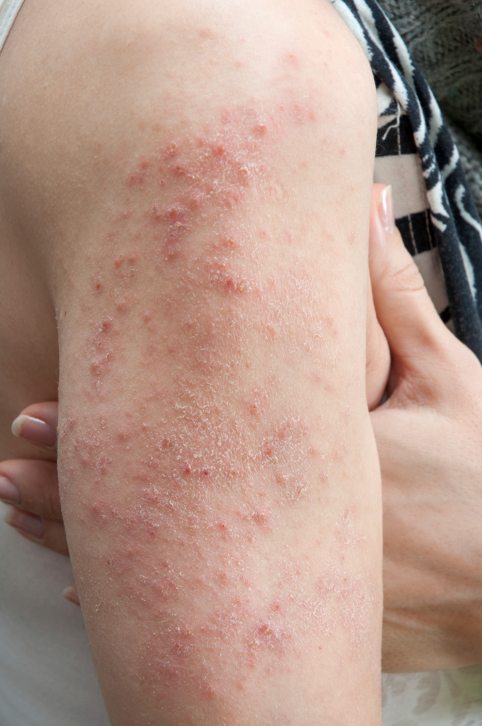
The rash appears as clusters of red bumps or blisters. It is very itchy and often found on elbows, knees, scalp, and back. Scratching can cause the skin to become raw or scaly.
Credit: www.allergicliving.com
Common Causes
DH rash is a skin condition linked to several causes. Understanding these causes helps manage and treat the rash better. The main factors include gluten sensitivity, genetics, and immune system reactions. Each plays a unique role in how the rash develops.
Gluten Sensitivity
Gluten sensitivity is a common cause of DH rash. Gluten is a protein found in wheat, barley, and rye. People with gluten sensitivity react to gluten by developing skin problems. Avoiding gluten often reduces or stops the rash. This reaction is part of a larger condition called celiac disease.
Genetic Factors
Genes also affect the chance of getting DH rash. If family members have the rash or celiac disease, the risk rises. Certain genes make the immune system overreact to gluten. This genetic link helps explain why some people get DH rash and others do not.
Immune Response
The immune system plays a key role in DH rash. It attacks the skin by mistake after gluten enters the body. This attack causes itching, redness, and blisters. The rash is a sign that the immune system is fighting something it should not. Controlling this response is key to managing symptoms.
Identifying Symptoms
Recognizing the symptoms of a DH rash is important for early care. The rash shows itself in clear ways. Knowing these signs helps you act quickly and reduce discomfort.
Skin Appearance
The skin develops small, red bumps or blisters. These often cluster in groups. The rash looks rough or scaly in some spots. It mostly appears on elbows, knees, and buttocks.
Itching And Discomfort
Itching can be intense and hard to ignore. It may worsen at night or after a shower. Scratching often leads to more irritation and skin damage.
Other Health Signs
Some people feel tired or weak with the rash. Digestive problems like stomach pain or diarrhea might occur. These signs suggest the rash is linked to internal health issues.
Diagnostic Methods
Diagnosing DH rash requires a careful approach. Doctors use specific tests to confirm the condition. These tests help identify the rash and its link to gluten sensitivity.
Below are the main diagnostic methods used by healthcare professionals.
Skin Biopsy
A skin biopsy is a key test for DH rash. A small skin sample is taken from the rash area. The sample is checked under a microscope. Doctors look for tiny deposits of immune proteins. These deposits confirm the DH rash diagnosis.
Blood Tests
Blood tests check for antibodies linked to gluten sensitivity. These antibodies suggest an immune reaction to gluten. High levels support the diagnosis of DH rash. Blood tests also help rule out other conditions.
Gluten Challenge
The gluten challenge involves eating gluten for several weeks. Doctors monitor skin and blood changes during this time. It helps confirm DH rash if other tests are unclear. This method must be supervised by a doctor to avoid harm.
Treatment Options
Treating DH rash involves steps to reduce symptoms and prevent flare-ups. Care focuses on diet, medicine, and skin care. Each option helps control this skin condition linked to gluten sensitivity.
Gluten-free Diet
Following a strict gluten-free diet is key. Avoid wheat, barley, and rye completely. This diet reduces skin symptoms and gut inflammation. It may take months to see full effects. Patience is important for healing.
Medications
Doctors often prescribe medications to ease symptoms fast. Dapsone is common and reduces itching and rash quickly. Other drugs like sulfapyridine may also help. Medicine supports the diet but does not replace it.
Managing Flare-ups
Flare-ups need quick attention. Use prescribed creams to soothe the skin. Avoid scratching to prevent infection. Keep skin clean and dry. Regular doctor visits help track your condition well.
Lifestyle Tips
Managing a DH rash involves more than just medicine. Small lifestyle changes can help reduce symptoms and speed healing. These tips focus on diet, skin care, and stress control. Each area plays a key role in keeping your skin calm and healthy.
Dietary Adjustments
Certain foods can trigger or worsen DH rash symptoms. Avoid gluten, found in wheat, barley, and rye. Try gluten-free grains like rice and corn. Eat fresh fruits and vegetables daily. Drink plenty of water to keep your skin hydrated. Limit processed foods and sugary snacks. These habits support your immune system and skin health.
Skin Care Routine
Use mild, fragrance-free soaps to avoid irritation. Bathe in lukewarm water, not hot. Gently pat your skin dry with a soft towel. Apply a moisturizer suited for sensitive skin. Avoid scratching or rubbing the rash. Wear loose, breathable clothing to reduce friction. Clean clothes and bedding often help prevent infection.
Stress Management
Stress can make DH rash worse. Practice deep breathing or meditation to relax your mind. Take short walks or do light exercise daily. Ensure you get enough sleep every night. Talk to friends or family about your feelings. Managing stress supports your body's healing process and skin health.
When To See A Doctor
Knowing when to see a doctor for a DH rash is very important. Some rashes heal on their own, but others need medical care. Early treatment can stop the rash from getting worse. It can also help find the cause fast.
Watch your rash closely. Check if it changes or spreads. Pay attention to how you feel overall. Some signs mean it’s time to get help from a doctor.
Severe Itching Or Pain
If the rash itches badly or causes pain, see a doctor. Strong itching or pain can mean infection or a serious reaction. Do not wait if discomfort affects your daily life.
Rash Spreading Quickly
A rash that spreads fast needs medical attention. Spreading may show an allergic reaction or infection. Early care can stop the rash from covering more skin.
Fever Or Other Symptoms
Fever with a rash is a sign to see a doctor. Other symptoms like swelling, chills, or feeling weak also matter. These may point to a serious health problem.
Blisters Or Open Sores
Blisters or open sores on a rash can get infected easily. A doctor can provide treatment to prevent infection. Avoid touching or breaking the blisters to keep safe.
No Improvement After Home Care
If the rash stays the same or worsens after home care, visit a doctor. Some rashes need medicine or special treatments. Do not ignore a rash that won’t heal.

Credit: www.dermatologyadvisor.com
Frequently Asked Questions
What Is A Dh Rash?
A DH rash, or Dermatitis Herpetiformis, is a chronic skin condition. It causes itchy, blistering skin eruptions. This rash is linked to gluten sensitivity and celiac disease.
What Causes A Dh Rash?
A DH rash is caused by an immune reaction to gluten. Gluten triggers antibodies that attack the skin, causing inflammation and blisters. It is a sign of underlying gluten intolerance or celiac disease.
How Is Dh Rash Diagnosed?
Doctors diagnose DH rash through skin biopsy and blood tests. They look for IgA deposits in the skin and gluten antibodies in blood. Diagnosis confirms the connection to gluten sensitivity.
What Treatments Help Dh Rash Symptoms?
Treatment includes a strict gluten-free diet and medications like dapsone. The diet stops new rashes, while dapsone controls itching and blisters quickly. Long-term management focuses on avoiding gluten exposure.
Conclusion
A DH rash shows as red, itchy skin spots. It often appears on elbows, knees, or buttocks. Many people with celiac disease get this rash. Treating celiac disease helps clear the rash. Avoiding gluten improves your skin health. Seeing a doctor can confirm the cause.
Early care prevents the rash from spreading. Simple steps make living with DH rash easier. Understanding this rash helps you stay healthy and comfortable.
