

Can Rash Guards Be Loose: Ultimate Guide to Fit & Comfort
Have you ever wondered if rash guards can be loose and still serve their purpose? You might think a little extra room makes them more comfortable, but does it affect how well they protect you?
Whether you're into surfing, swimming, or any water sport, the fit of your rash guard matters more than you realize. Keep reading to discover why the right fit can change your experience and what happens when your rash guard is too loose.
This could be the key to staying comfortable and protected every time you hit the water.
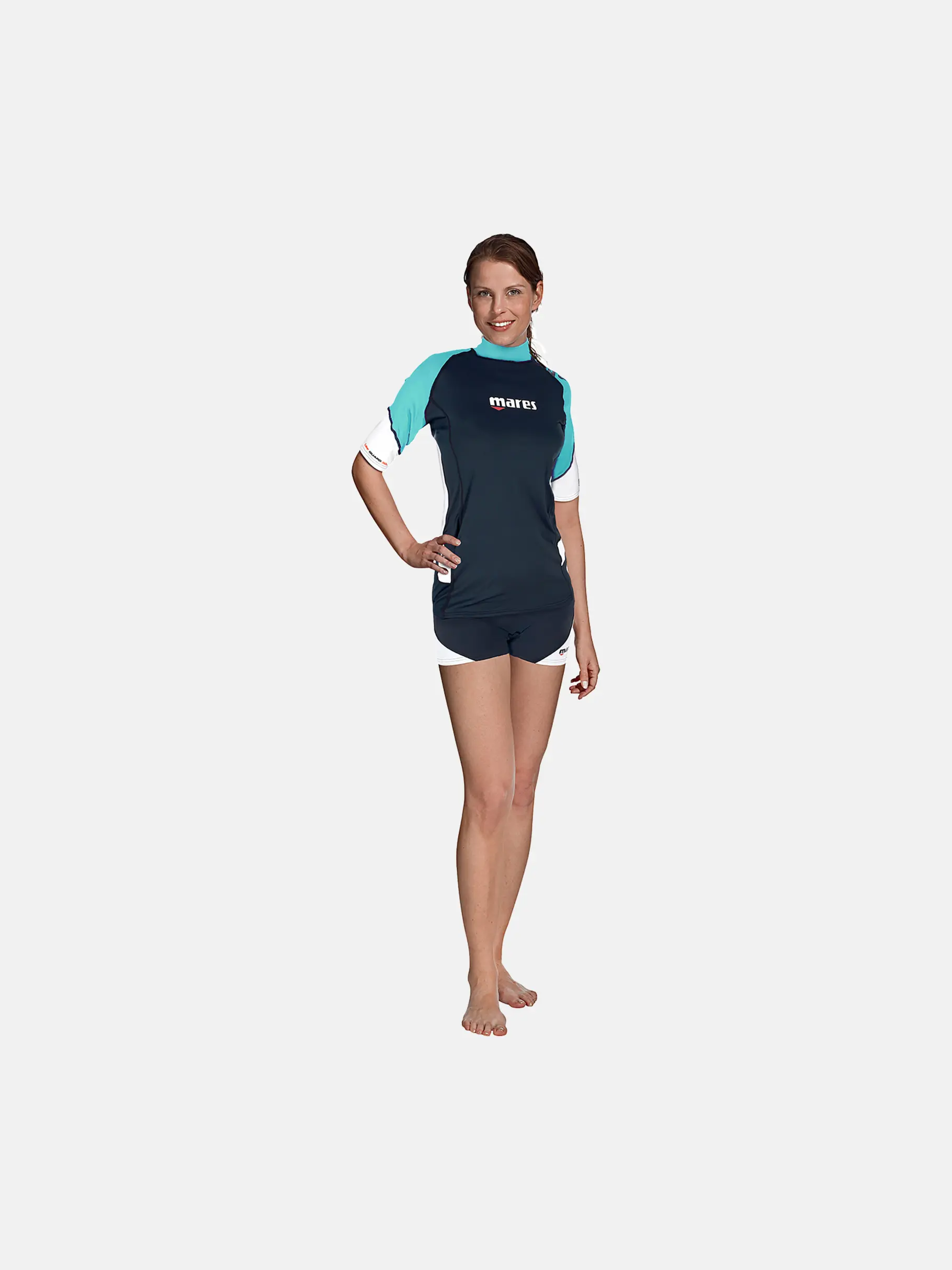
Credit: www.mares.com
Rash Guards And Their Purpose
Rash guards are special shirts designed for water sports and outdoor activities. They protect the skin from rashes, sunburn, and scratches. Wearing a rash guard helps keep the skin safe during surfing, swimming, or any active sport. The fit and material play a big role in how well they work.
Choosing the right rash guard can improve comfort and protection. Understanding their purpose helps decide if a loose fit is okay or not. Let’s explore what rash guards do and how they are made.
Protection Benefits
Rash guards protect against skin irritation caused by friction. They stop rashes from surfboards, sand, or wetsuits. The fabric also blocks harmful UV rays from the sun. This reduces sunburn risk during long hours outside. Rash guards can keep jellyfish stings and insect bites away too.
The tight fit helps the guard stay close to the skin. This way, it covers all areas without moving around. It also keeps water from entering and causing chills. Overall, rash guards provide a strong layer of defense for the skin.
Material And Design
Most rash guards are made of stretchy, quick-dry fabrics like polyester or spandex. These materials fit snugly and allow free movement. The fabric’s elasticity helps the guard hug the body closely. This prevents it from bunching or riding up during activity.
Designs often include flatlock seams to avoid irritation. The fabric is lightweight but durable to handle rough use. Many rash guards have UV protection built-in for extra safety. The balance of stretch and firmness is key to comfort and performance.
Importance Of Fit In Rash Guards
The fit of a rash guard plays a key role in its function. A rash guard that fits well protects your skin and supports your activity. Wearing a rash guard that is too loose can reduce these benefits. The right fit helps you stay comfortable and perform better.
Impact On Performance
A snug rash guard stays close to the body. It reduces drag in water and keeps you agile. Loose rash guards can flap and slow you down. A tight fit also helps keep muscles warm and reduces fatigue.
Comfort And Mobility
Comfort depends on fit. A rash guard that is too tight can restrict movement. Too loose, and it may bunch or ride up. A good fit balances snugness and freedom. This lets you move naturally without distraction.
Loose Vs Tight Rash Guards
Choosing between loose and tight rash guards can affect comfort and performance. Both fits have unique benefits and drawbacks. Understanding these helps in picking the right rash guard for your needs.
Pros Of Loose Fit
- Allows more air circulation, keeping you cooler.
- Easier to put on and take off.
- Offers more freedom of movement.
- Feels less restrictive during long use.
Cons Of Loose Fit
- Can cause fabric to bunch up and irritate skin.
- Less effective at protecting against sunburn.
- May not stay in place during active water sports.
- Water can get trapped, making it heavy.
Pros Of Tight Fit
- Provides better protection from sun and abrasions.
- Reduces water drag for smoother movement.
- Stays in place during intense activities.
- Helps muscles stay warm and supported.
Cons Of Tight Fit
- Can feel restrictive and uncomfortable.
- Harder to put on and take off.
- Might cause chafing if too tight.
- Less air flow, which can lead to overheating.
Choosing The Right Size
Choosing the right size for a rash guard is important for comfort and performance. A rash guard that is too loose can cause chafing and may not protect well. Too tight, and it can restrict movement or feel uncomfortable. Understanding how to find the right fit helps you enjoy your activities without distraction.
Measuring Tips
Start by measuring your chest, waist, and hips with a soft tape. Keep the tape snug but not tight. Measure your shoulders and arm length for a better fit. Write down your measurements before shopping. This helps you compare with sizing charts easily.
Try measuring in front of a mirror to ensure accuracy. Stand straight and breathe normally while measuring. Avoid measuring over thick clothing for the best results. Good measurements lead to better size choices.
Sizing Charts And Brands
Different brands may have slightly different sizes. Always check the brand’s sizing chart before buying. Compare your measurements to the chart carefully. Some brands offer slim, regular, or loose fits.
Read product descriptions for fit details. Customer reviews often mention if the rash guard runs large or small. Choose a size based on your comfort preference and activity type. The right size varies from person to person.
Comfort Factors Beyond Fit
Choosing a rash guard is not just about tight or loose fit. Comfort depends on several other factors. These affect how you feel during activities. Understanding these can help you pick the right rash guard for your needs.
Fabric Breathability
Breathable fabric lets air pass through easily. It helps keep your skin dry and cool. Rash guards made with mesh or lightweight materials improve airflow. This reduces sweat and discomfort during long wear.
Seam Placement
Seams can cause irritation if placed poorly. Look for rash guards with flatlock seams. These seams lie flat against the skin. They reduce chafing and rubbing, making movement smoother and pain-free.
Stretch And Flexibility
Stretchy fabric allows full range of motion. It moves with your body without restriction. Rash guards with good elasticity feel more comfortable, even if slightly loose. They adapt well to different activities and body shapes.
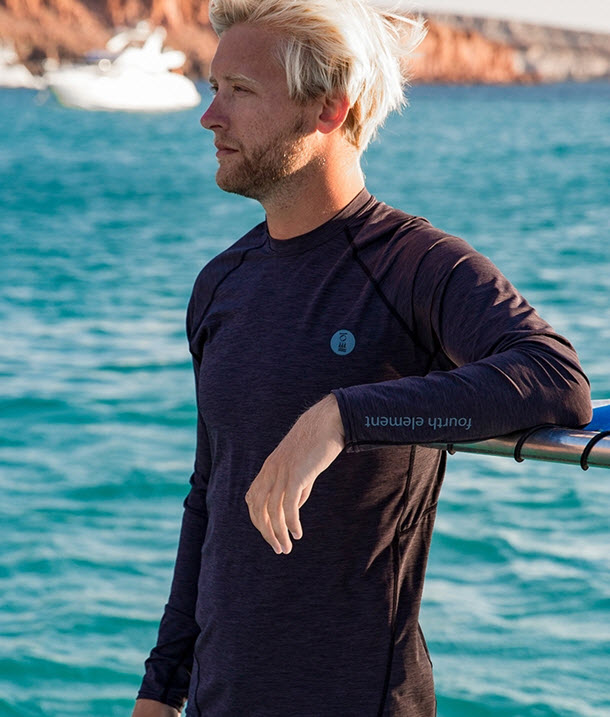
Credit: www.divedivedive.com.au
Rash Guards For Different Activities
Rash guards come in many styles for different activities. Choosing the right fit depends on what you plan to do. Some sports need tight rash guards, while others allow a looser fit. Understanding this helps you stay comfortable and protected.
Surfing And Water Sports
For surfing and water sports, rash guards should fit snugly. A tight fit stops the shirt from riding up in the water. It also protects the skin from sunburn and board rash. Loose rash guards can catch wind and slow you down. A close fit helps keep you safe and fast.
Martial Arts And Grappling
In martial arts, rash guards must be tight and stretchy. Loose shirts can get grabbed by opponents. They may also cause friction and discomfort. A tight rash guard moves with your body. It reduces skin irritation and prevents injuries. Comfort and fit are key for training and matches.
Casual Wear
For casual wear, rash guards can be looser. People wear them for sun protection or style. A loose rash guard feels cooler and less tight. It allows more air to flow around the body. This fit works well for walking or relaxing by the pool. Comfort is the main focus here.
Care And Maintenance Tips
Taking care of your rash guard helps keep it in good shape for a long time. Proper care maintains its stretch and color. It also protects the fabric from damage. Follow these tips to make your rash guard last.
Washing Instructions
Wash your rash guard in cold water. Use a gentle cycle on the washing machine. Avoid bleach or strong detergents. Hand washing works best to protect the fabric. Rinse well to remove all soap. Do not wring or twist the material. Let it air dry away from direct sunlight. Avoid using a dryer as heat can ruin the fabric.
Storage Recommendations
Store your rash guard in a cool, dry place. Keep it folded or hung on a hanger. Avoid tight spaces to prevent wrinkles and damage. Do not leave it wet or damp for long. Moisture can cause mold and odor. Keep it away from rough surfaces that can cause snags.
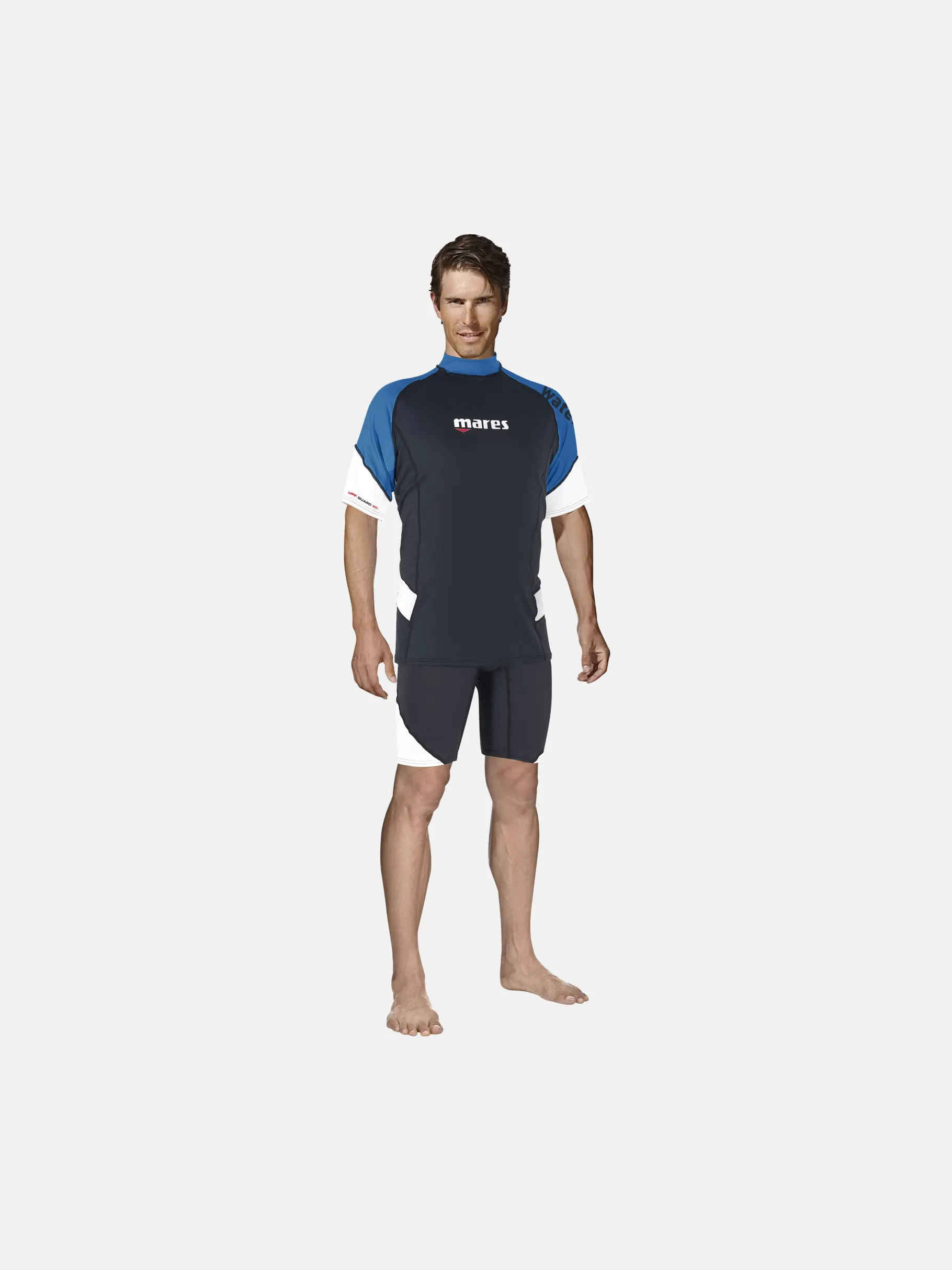
Credit: www.mares.com
Frequently Asked Questions
Can Rash Guards Be Worn Loose For Comfort?
Yes, rash guards can be worn loose for comfort, but a snug fit offers better protection and performance. Loose rash guards may cause chafing and drag in water, so balance comfort with functionality.
Does A Loose Rash Guard Affect Uv Protection?
A loose rash guard can reduce UV protection since gaps allow sunlight to reach your skin. For optimal sun defense, choose a rash guard that fits closely but comfortably.
Are Loose Rash Guards Suitable For Water Sports?
Loose rash guards are less ideal for water sports as they may flap and create drag. A tighter fit enhances mobility and reduces irritation during activities like surfing or swimming.
How Does Rash Guard Fit Impact Rash Prevention?
A snug rash guard minimizes skin contact with surfboards or sand, reducing rashes. Loose rash guards can bunch and cause friction, increasing rash risk during water activities.
Conclusion
Choosing the right fit for rash guards matters a lot. A tight rash guard protects better against rashes and sunburn. Loose ones might feel comfy but can cause chafing or move around too much. Think about your activity and comfort when picking a size.
A well-fitted rash guard keeps you safe and lets you move freely. Remember, comfort and protection go hand in hand for the best experience.
