

What If Business Casual Changed the Way You Dress Forever?
What If Business Casual
Imagine you walk into a workplace. People are dressed in a mix of shirts, blouses, neat pants, and clean shoes. Some wear blazers, but no ties. Others prefer sweaters over button-ups. This is the world of business casual. But what if business casual became the default everywhere? How would it change workplaces, careers, and daily life? Let’s explore the possibilities, challenges, and impact this style could have if it became the standard for all professional settings.
The Meaning Of Business Casual
Business casual is more than just a dress code. It’s a way to balance comfort with professionalism. Unlike formal business attire, business casual offers flexibility. It usually means:
- Collared shirts or blouses
- Dress pants or skirts
- Closed-toe shoes
- Optional blazers or sweaters
- No jeans, shorts, or flashy sneakers
There is no single definition, but the goal is to look neat and professional without feeling stiff or overdressed.
How Business Casual Differs From Other Dress Codes
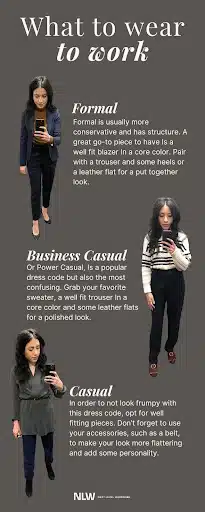
Let’s compare business casual, formal business, and casual styles:
| Dress Code | Main Features | Allowed Items | Common Settings |
|---|---|---|---|
| Business Casual | Relaxed but professional | Collared shirts, blouses, dress pants, skirts, loafers | Offices, meetings, client visits |
| Formal Business | Strict, traditional, elegant | Suits, ties, dress shoes, tailored skirts | Law firms, finance, high-level events |
| Casual | Comfort first, informal | T-shirts, jeans, sneakers, shorts | Startups, creative agencies, tech firms |
Business casual sits between formal and casual. It aims to keep a professional look without making people uncomfortable.
Why Business Casual Matters
Clothes are not just about style. They influence how people feel, act, and connect at work. Adopting business casual can have several effects:
- Employee Comfort: People work better when they feel comfortable. Business casual allows movement and reduces stress.
- Professional Image: Even without a suit and tie, employees look trustworthy and capable. This helps build client confidence.
- Inclusiveness: Business casual is easier to fit for different body types, cultures, and ages.
- Cost Savings: Formal wear is expensive. Business casual lets people use more affordable clothing.
- Attracting Talent: Younger employees often prefer flexible dress codes. Companies with business casual appeal to modern workers.
The Hidden Downsides
While business casual has benefits, some issues are easy to miss:
- Confusion: If rules are unclear, employees may dress too casually or too formally.
- Bias: Managers may judge people’s clothes, even if they do good work.
- Lost Identity: In some industries, formal dress is a sign of status. Business casual can blur these lines.
These points show that switching to business casual is not just about clothes—it changes culture and habits.
What If Business Casual Was Universal?
Imagine all workplaces adopted business casual. From law firms to tech startups, hospitals to government offices—everyone follows the same relaxed code. This shift would spark big changes.
Workplace Environment
A universal business casual dress code would create a more relaxed atmosphere. Employees would feel less pressure to fit a certain mold. Meetings would be less intimidating. Teamwork could improve, as clothing differences become less obvious.
But some traditions might fade. For example, formal events or ceremonies could lose their unique feel. High-stakes meetings might seem less serious.
Productivity And Performance
Research shows that comfortable clothing improves focus and reduces stress. People can move freely, sit for long hours, and feel at ease. This could boost performance, especially in jobs requiring creativity or problem-solving.
However, there’s a risk. Too much comfort may cause people to relax too much, lowering discipline. Some studies suggest a link between formal attire and attention to detail. Balancing comfort with professionalism is key.
Client And Customer Perception
Clients often judge businesses by appearance. If everyone goes business casual, clients may see companies as more modern, friendly, and open. This could attract new customers, especially younger ones.
But in fields like law, banking, or consulting, some clients expect traditional dress. Switching to business casual could challenge these expectations. Firms would need to explain the change and reassure clients about their expertise.
Equality And Diversity
Business casual is more flexible. It allows people of different backgrounds to express themselves. For example, religious attire or cultural clothing can fit more easily into business casual rules. This promotes inclusiveness and reduces barriers.
It also helps people with disabilities, as business casual can be adapted for comfort and mobility.
Economic Impact
Clothing sales would change. Demand for formal suits might drop, while brands selling business casual items would grow. Dry-cleaning services could lose business, as business casual is often easier to wash at home.
Many companies could save money on uniforms. Employees would spend less on work clothes, freeing up funds for other needs.
Business Casual By Industry
Different industries have unique needs. Let’s see how a universal business casual dress code would affect key sectors.
Law And Finance
Traditionally, lawyers and bankers wear formal suits. This signals trust and authority. If business casual became standard, these industries might struggle to keep the same image.
However, younger clients may prefer a more approachable style. Firms could attract more diverse talent and modernize their reputation. Still, formal events and courtroom appearances might require exceptions.
Healthcare
Doctors, nurses, and staff often wear uniforms or scrubs. In hospitals, business casual could mean neat shirts and pants for administrative staff. For medical workers, comfort and hygiene matter most. Business casual rules would need to be clear and safe.
Technology And Creative Fields
Many tech and creative companies already use business casual or even casual dress codes. Making it universal would not change much. But it could help standardize expectations and reduce confusion for new hires.
Education
Teachers and school staff often wear business casual. It helps them connect with students and parents. If business casual became universal, it could encourage more open communication and reduce stress among teachers.
Government And Public Sector
Government offices usually follow formal dress codes. Switching to business casual could make public services feel more friendly and accessible. It might also help staff focus on their work instead of their appearance.
Real-world Examples
Some companies have already moved to business casual with positive results.
- Google: Known for its relaxed dress code, Google encourages employees to wear what they like, as long as it’s neat. This helps attract creative talent.
- JP Morgan: The banking giant allowed business casual to modernize its image and appeal to younger employees.
- IBM: IBM switched from strict dress codes to business casual, finding employees felt more comfortable and productive.
These examples show business casual can work in many environments. But clear rules and communication are essential.
How To Build A Business Casual Wardrobe
Creating a business casual wardrobe is about finding the right balance. Here are practical steps to help:
- Start with Basics: Buy neutral-colored shirts, blouses, and pants. These can be mixed easily.
- Add Layers: Sweaters, cardigans, and blazers help you adjust to different temperatures and occasions.
- Choose Comfortable Shoes: Loafers, flats, or simple boots work well. Avoid sneakers unless allowed.
- Avoid Overly Casual Items: Skip jeans, shorts, or graphic tees unless your company allows them.
- Personalize Carefully: Add accessories like watches or belts, but keep them simple.
Sample Business Casual Outfit Ideas
- For men: Collared shirt, dress pants, loafers, optional sweater or blazer
- For women: Blouse, knee-length skirt or dress pants, flats, simple jewelry
The Role Of Business Casual In Company Culture
Dress codes shape workplace culture. Business casual can:
- Break down barriers: People feel more equal when dress codes are relaxed.
- Encourage creativity: Employees express their style, boosting morale.
- Reduce stress: No need to worry about expensive suits or strict rules.
However, company leaders must set clear guidelines. If the rules are vague, confusion and mistakes can happen.
How Companies Set Business Casual Policies
Policies must explain what is allowed and what is not. Here’s a sample guideline:
- Shirts must have collars or be neat blouses
- Pants must be dress pants or neat skirts
- Shoes must be closed-toe and clean
- No ripped clothing, shorts, or beachwear
Clear policies help employees feel confident and avoid mistakes.
Comparing Business Casual And Formal Attire
Let’s look at the main differences in a simple table:
| Feature | Business Casual | Formal Attire |
|---|---|---|
| Comfort | High | Low |
| Cost | Lower | Higher |
| Flexibility | High | Low |
| Professionalism | Moderate | High |
| Maintenance | Easy | Difficult |
| Suitability for Events | Limited | Wide |
Business casual wins on comfort and cost, while formal attire is better for important events.
Common Business Casual Mistakes
Many people misunderstand business casual. Here are mistakes to avoid:
- Wearing jeans: Unless your company allows, jeans are not business casual.
- Too many patterns: Loud prints can look unprofessional.
- Open-toe shoes: Most offices prefer closed-toe footwear.
- T-shirts: Unless paired with a blazer, T-shirts may look too casual.
- Ignoring grooming: Clean, neat hair and nails matter.
How Business Casual Affects Social Dynamics
Dress codes affect how people interact. Business casual can:
- Make managers feel closer to staff
- Encourage more open conversations
- Reduce tension in meetings
But it can also cause confusion if people interpret the rules differently. Regular feedback helps fix these issues.
Dress Code And Mental Health
Research shows that strict dress codes can increase anxiety. Business casual gives employees more control, improving mood and job satisfaction.
Business Casual In Remote Work
With more people working from home, business casual is becoming popular. Video calls often require neat tops, while comfort matters for the rest.
Employees feel less stressed and more productive in business casual. But some companies worry that too much relaxation will lower standards.
The Global Perspective
Business casual means different things in different countries. For example:
- In Japan, business casual is still quite formal—neat suits without ties.
- In India, traditional clothing like kurtas can be part of business casual.
- In Europe, business casual often includes stylish jackets and scarves.
Global companies must adjust their rules to fit local culture.
How To Communicate Business Casual Changes
If a company switches to business casual, communication is key. Tips include:
- Hold meetings to explain the reasons
- Share photos of acceptable outfits
- Update the employee handbook
- Offer feedback channels for questions
Clear messages reduce confusion and help employees adjust.
The Future Of Business Casual
Business casual is growing. Surveys show over 60% of companies now use some form of business casual. As the workplace changes, business casual is likely to become even more popular.
Technology and flexible work arrangements support this trend. Employees want comfort, companies want professionalism, and business casual delivers both.
Practical Tips For Staying Professional In Business Casual
- Dress for your role: If you meet clients, wear a blazer or smarter shoes.
- Keep clothes clean and pressed: Wrinkled shirts look sloppy.
- Check company rules: Every workplace is different.
- Ask for feedback: If you’re unsure, ask managers or HR.
- Update your wardrobe: Styles change—refresh your look every few years.
The Impact On Fashion Industry
If business casual became universal, the fashion industry would shift. Designers would focus on versatile, comfortable pieces. Brands would compete to create stylish, affordable business casual clothing.
Stores would carry less formal wear. Dry cleaners would see less business. New brands could emerge, specializing in business casual styles.

Credit: www.wikihow.com
Business Casual Vs. Smart Casual
Some people confuse business casual with smart casual. Here’s a quick comparison:
| Aspect | Business Casual | Smart Casual |
|---|---|---|
| Main Goal | Professional comfort | Stylish comfort |
| Allowed Items | Dress pants, blouses, loafers | Dark jeans, stylish shirts, boots |
| Settings | Workplaces | Social events, casual offices |
| Accessories | Minimal | More, like scarves or bold jewelry |
Smart casual is more relaxed and stylish, while business casual is focused on professionalism.
What If Business Casual Goes Too Far?
If business casual becomes too relaxed, problems may arise:
- Loss of professionalism: People may dress too casually, hurting the company image.
- Unequal standards: Some employees may ignore rules, causing tension.
- Client concerns: Clients may doubt the company’s seriousness.
To avoid these risks, companies must update policies and offer regular reminders.
Credit: nextlevelwardrobe.com
Business Casual And Sustainability
Business casual can support sustainability. Many business casual clothes are washable at home, reducing dry-cleaning chemicals. Employees buy fewer expensive clothes, cutting waste.
Some brands use recycled fabrics and eco-friendly materials. Companies can encourage employees to buy sustainable clothing.
Addressing Common Business Casual Questions
Employees often have questions about business casual. Here are answers to frequent concerns:
- Can I wear jeans? Usually not, unless your company allows.
- Are sneakers okay? Only if they are neat and simple.
- Is a tie required? No, ties are optional.
- Can I wear bright colors? Neutral colors are safer, but some companies allow bright shades.
- What about traditional or religious clothing? Most business casual policies allow these, as long as they are neat.
Case Study: Business Casual Success
A mid-sized tech company switched to business casual. Employees reported:
- 15% higher job satisfaction
- 10% drop in sick days
- Better teamwork and communication
Management found that employee performance improved. Clients liked the friendlier attitude. But clear rules and regular feedback were critical.
How To Handle Dress Code Mistakes
Sometimes, employees make mistakes. Here’s how managers can help:
- Offer private feedback—never embarrass someone in public.
- Share examples of correct business casual outfits.
- Update company guidelines regularly.
- Encourage questions and open communication.
This creates a positive environment where people learn and improve.
Business Casual And Gender Differences
Business casual is easier to adapt for different genders. However, some challenges remain:
- Women may face more pressure to look stylish.
- Men may have fewer options, leading to repetition.
- Some cultures have strict ideas about gender and clothing.
Companies should offer guidance and flexibility. Encourage employees to dress for comfort, not just style.
Adapting Business Casual For Special Events
Some events need a bit more formality. Here’s how to adjust:
- Wear a blazer or suit jacket for presentations
- Choose dressier shoes for client meetings
- Add simple accessories for evening events
This helps employees move smoothly from daily work to special occasions.
Business Casual And Remote Hiring
In remote interviews, business casual is usually enough. Here are tips:
- Wear a neat top, even if you’re at home
- Avoid loud patterns or distracting jewelry
- Check lighting and background before the call
This shows respect and professionalism to potential employers.
Measuring The Impact Of Business Casual
Companies can track the effects of business casual by:
- Surveying employee satisfaction
- Checking client feedback
- Monitoring productivity and teamwork
- Reviewing wardrobe costs and expenses
Most companies see positive results, but regular reviews help maintain standards.

Credit: www.hockerty.com
Frequently Asked Questions
What Is The Difference Between Business Casual And Formal Business Attire?
Business casual is less strict, focusing on comfort and flexibility. It allows collared shirts, dress pants, and neat shoes, but skips suits and ties. Formal business attire requires a suit, tie, and dress shoes, aiming for a traditional, elegant look.
Can Business Casual Include Traditional Or Religious Clothing?
Yes. Most business casual policies welcome traditional and religious clothing as long as it is neat and professional. Companies often encourage cultural expression to promote diversity.
How Do I Know If My Outfit Is Business Casual?
Check your company’s guidelines. A good rule is to avoid jeans, shorts, and sneakers. Choose collared shirts or blouses, dress pants or skirts, and closed-toe shoes. If you’re unsure, ask HR or a manager.
Does Business Casual Affect Workplace Performance?
Studies suggest that comfortable clothing improves focus and reduces stress. Employees feel more relaxed, which can boost productivity and teamwork. But too much relaxation can lower discipline, so balance is important.
What If Someone Breaks The Business Casual Dress Code?
Managers should offer private feedback and clear examples of correct attire. Most mistakes are not intentional, and guidance helps employees improve. Regular updates to dress code policies help avoid confusion.
Adopting business casual can change how we work, connect, and express ourselves. It brings comfort, flexibility, and inclusiveness, but needs clear rules and regular feedback. If business casual became universal, workplaces would look and feel different—more open, modern, and welcoming. The key is to balance comfort with professionalism and keep communication clear. For more information on workplace dress codes, visit Wikipedia.
