

Business Casual Looks Like: Modern Outfits for Every Workplace
Business Casual Looks Like
Business casual is a dress code that confuses many people. It’s not as formal as a suit and tie, yet it’s not as relaxed as jeans and a t-shirt. When you hear “business casual,” you might wonder: What does it really mean? What should you wear to look professional but comfortable? This guide will help you understand business casual with clear examples, practical advice, and real-world comparisons.
Whether you work in an office, attend meetings, or go to networking events, business casual is a common standard. It’s important for making a good impression, feeling confident, and fitting in with your workplace culture. Some companies have strict rules, while others are more flexible.
The goal is to look neat, presentable, and ready for business, but without feeling stiff or overdressed.
Let’s explore what business casual looks like, how it changes depending on your job, region, and gender, and how to build a wardrobe that works for you. You’ll also see common mistakes people make and get answers to frequent questions.
What Is Business Casual?
Business casual is a mix of professional and relaxed clothing. It’s a step down from formal business wear (like a full suit), but a step up from casual wear (like jeans and sneakers). The style is clean, smart, and comfortable.
The key idea is professionalism without strict formality. Most business casual outfits include:
- Collared shirts
- Dress pants or khakis
- Blouses
- Knee-length skirts
- Closed-toe shoes
- Simple accessories
You don’t need a tie, jacket, or very formal shoes. But you also shouldn’t wear shorts, t-shirts, flip-flops, or clothes that are too flashy.
Business casual can mean slightly different things depending on the company and country. For example, a tech startup might allow jeans, while a law firm expects dress pants.
Core Elements Of Business Casual
Understanding the main pieces helps you create a business casual look. Here’s what you should focus on:
Tops
For men, the best choices are collared shirts like button-downs, polos, or sweaters. Avoid shirts with loud prints, sports logos, or graphics. For women, blouses, knit tops, or simple sweaters work well. Both should avoid tank tops or spaghetti straps unless covered by a blazer or cardigan.
Bottoms
Men should wear dress pants, chinos, or khakis. Jeans may be acceptable in some workplaces, but they should be dark, clean, and without rips. Women can wear dress pants, skirts (knee-length or longer), or tailored dresses. Shorts and mini-skirts are not business casual.
Shoes
Closed-toe shoes are standard. Men often wear loafers, oxfords, or dress boots. Women can choose flats, heels (not too high), loafers, or boots. Avoid sneakers, sandals, or flip-flops unless your company allows them.
Accessories
Keep accessories simple. Watches, belts, and small earrings are fine. Avoid large necklaces, big rings, or anything too flashy. Bags should look neat and professional.
Outerwear
A blazer or cardigan can add polish, but isn’t required. In colder months, a simple coat or trench is ideal.
Business Casual Vs. Other Dress Codes
To understand business casual, it helps to compare it with other dress codes. Here’s a table that shows the main differences:
| Dress Code | Typical Clothing | Formality Level |
|---|---|---|
| Formal Business | Suits, ties, dress shoes | Very High |
| Business Casual | Collared shirts, dress pants, blouses, skirts | Medium |
| Smart Casual | Nice jeans, polos, sweaters, stylish shoes | Medium-Low |
| Casual | T-shirts, jeans, sneakers | Low |
Business Casual For Men
Men sometimes struggle with business casual. It’s easy to go too formal or too relaxed. Here’s a practical guide:
Essential Pieces
- Button-down shirts: Solid colors or subtle patterns.
- Polos: Good for warmer days or relaxed offices.
- Sweaters: V-neck or crew-neck, over a shirt.
- Dress pants: Navy, gray, black, or khaki.
- Chinos: More casual than dress pants, still professional.
- Loafers or oxfords: Classic styles, in brown or black.
- Belts: Match your shoes.
Non-obvious Tips
- If you wear jeans, choose dark, slim-fit styles. Avoid visible logos or distressing.
- Layer with a cardigan or unstructured blazer for extra polish. This looks smart but isn’t too formal.
- Socks should match your pants or shoes. White athletic socks rarely fit business casual.
Common Mistakes
- Wearing athletic shoes or sandals.
- Choosing shirts with bold prints or graphics.
- Leaving shirts untucked in a formal office.
- Not ironing clothes—wrinkles look unprofessional.
Business Casual For Women
Women have more choices, but also more room for confusion. It’s easy to mix casual with professional.
Essential Pieces
- Blouses: Solid colors, simple prints, or subtle patterns.
- Sweaters: Fitted, not oversized.
- Dress pants: Straight or tailored.
- Skirts: Knee-length or midi, never mini.
- Dresses: Simple, not too tight or revealing.
- Cardigans or blazers: Add structure.
- Flats, loafers, low heels: Avoid high stilettos.
Non-obvious Tips
- Choose fabrics that don’t wrinkle easily, like blends or knits.
- If you wear a sleeveless top, layer with a cardigan or blazer.
- Simple jewelry works best; avoid chunky necklaces or large earrings.
Common Mistakes
- Wearing leggings as pants.
- Choosing dresses or skirts that are too short or too tight.
- Over-accessorizing with bright jewelry.
- Wearing open-toed shoes in conservative offices.

Credit: lifewithjazz.com
How Business Casual Changes By Industry
Not all workplaces see business casual the same way. Here’s how it changes:
Corporate Offices
Most corporate companies expect classic business casual. Men wear dress pants and button-downs. Women wear blouses and skirts or pants. Jeans are rare unless on Fridays.
Tech And Startups
Tech companies are more relaxed. Jeans are often allowed if clean and dark. Sneakers may be fine. Hoodies are common but should look neat. The focus is on comfort and creativity.
Creative Fields
Design, advertising, and media companies allow more personality. Stylish shoes, bold prints, and trendy accessories are accepted. Just avoid anything too casual or messy.
Education And Healthcare
Teachers and healthcare workers often wear comfortable, practical business casual. Cardigans, polos, and sensible shoes are popular. Patterns and colors are fine, but avoid clothing that’s too casual.
Retail And Hospitality
Supervisors and managers dress business casual. Floor staff may have uniforms. Managers wear dress pants, collared shirts, and neat shoes.
Quick Comparison: Industry Business Casual
Here’s a table showing how business casual changes by industry:
| Industry | Typical Business Casual | Allowed Jeans? |
|---|---|---|
| Corporate | Dress pants, button-down, loafers | No (except Fridays) |
| Tech | Jeans, polos, sneakers | Yes |
| Creative | Stylish shirts, trendy shoes | Yes |
| Education | Cardigans, skirts, flats | Sometimes |
| Retail | Collared shirts, dress pants | No |
Building A Business Casual Wardrobe
Creating a wardrobe for business casual doesn’t need to be expensive. You can mix and match a few key items. Here’s how to start:
Step-by-step Guide
- Start with basics: Buy a few pairs of dress pants or skirts in neutral colors (black, navy, gray).
- Add tops: Choose button-down shirts, blouses, and sweaters. Stick to simple colors and patterns.
- Choose shoes: Get a pair of loafers or flats. Avoid shoes that look too sporty.
- Layer smartly: A cardigan or blazer adds versatility. It helps you transition from casual to formal.
- Accessorize: Pick a leather belt, watch, and simple jewelry.
- Mix and match: Combine pieces to create different looks. For example, a white shirt can go with navy pants or a gray skirt.
How Many Pieces Do You Need?
A basic business casual wardrobe can be built with:
- 3-4 pairs of pants or skirts
- 4-5 shirts or blouses
- 2 sweaters or cardigans
- 1 blazer (optional)
- 2 pairs of shoes
This gives you enough options for a week and lets you rotate items. If you work in a more relaxed place, you can add clean jeans.
Practical Insight
Buy clothes that fit well. Baggy or tight clothes look unprofessional. If you’re unsure, tailor your pants or skirts. Well-fitted clothing makes a big difference.

Credit: www.youtube.com
Business Casual For Different Seasons
Your business casual wardrobe changes with the weather. Here’s how to adjust:
Summer
- Choose lightweight fabrics like cotton or linen.
- Short-sleeve shirts or blouses are fine.
- Skirts and dresses should still be knee-length.
- Avoid shorts or sandals unless allowed.
Winter
- Layer with sweaters, blazers, and coats.
- Wear thicker pants like wool or blends.
- Boots are acceptable if neat and not too bulky.
- Scarves can add style, but keep colors simple.
Quick Comparison: Summer Vs Winter Business Casual
| Season | Top Choices | Bottom Choices | Shoes |
|---|---|---|---|
| Summer | Light shirts, short sleeves | Khakis, skirts | Flats, loafers |
| Winter | Sweaters, blazers | Wool pants, longer skirts | Dress boots |
Business Casual In Different Countries
Business casual isn’t the same everywhere. Culture affects what’s acceptable.
United States
Most offices follow classic business casual. Men wear button-downs and dress pants. Women wear blouses, skirts, or pants.
Europe
European business casual is often more polished. Blazers and tailored trousers are common. Jeans are less accepted in formal settings.
Asia
In Japan and Korea, business casual is closer to formal. Dark pants, simple shirts, and neat shoes are expected. Women often wear muted colors.
Latin America
Bright colors and prints are welcome. Still, pants and collared shirts are standard. Women may wear dresses, but not too short.
Practical Insight
If you travel or work in a global company, check local customs. What’s business casual in one country may be too relaxed or too formal in another.
Business Casual For Remote Work
With remote work growing, you might wonder if business casual matters. It does, especially for video calls or meetings.
Tips For Remote Business Casual
- Choose tops that look neat on camera. Solid colors work best.
- You can wear comfortable pants, but avoid pajamas.
- Keep your hair and face tidy. Personal grooming is part of business casual.
- Lighting and background matter. Make sure your workspace looks professional.
Why It Matters
Even at home, dressing business casual helps you feel productive and confident. It also shows respect for colleagues.
Business Casual For Plus Size And Petite
Finding business casual clothes that fit your body shape can be tough. Here are tips for different sizes:
Plus Size
- Choose tailored clothes that shape your figure.
- Avoid oversized or too-tight items.
- Vertical stripes and dark colors help create a slimmer look.
- Stretch fabrics offer comfort and style.
Petite
- Look for brands with petite sizing.
- Avoid clothes that are too long or baggy.
- Cropped pants and fitted blazers work well.
- Small prints and light colors can make you appear taller.
Practical Insight
Alterations make a big difference. Tailoring pants, skirts, and sleeves helps clothes fit better and look more professional.
Business Casual For Gender Diversity
People of all gender identities deserve to feel confident in business casual. Here are inclusive tips:
- Choose clothes that match your style and comfort.
- Unisex shirts, pants, and shoes are widely available.
- Avoid forcing yourself into gendered clothing if it feels uncomfortable.
- Focus on fit, neatness, and professionalism.
Common Business Casual Mistakes
Even experienced workers make mistakes. Here are pitfalls to avoid:
- Wearing athletic shoes or sneakers.
- Choosing clothes that are wrinkled or stained.
- Wearing overly casual items (t-shirts, shorts, flip-flops).
- Wearing clothes that are too tight, too loose, or revealing.
- Ignoring company culture—what’s business casual at one place may not be at another.
- Over-accessorizing with jewelry or loud colors.
Non-obvious Insights For Beginners
Most guides miss these points:
- Fit matters more than price: Cheap clothes that fit well look better than expensive ones that don’t.
- Neutral colors are safest: If you’re unsure, black, navy, gray, and white always work.
- Ask HR or coworkers: If you’re new, check what others wear. It’s better to be slightly overdressed than underdressed.
- Personal grooming counts: Hair, nails, and hygiene are part of your business casual look.
How To Upgrade Your Business Casual Look
Ready to stand out? Here are ways to improve:
- Add a blazer or structured jacket.
- Choose high-quality fabrics like cotton or wool blends.
- Use accessories like a leather watch or neat bag.
- Wear polished shoes.
- Iron your clothes—wrinkles ruin the look.
Business Casual For Job Interviews
Job interviews often call for business casual. Here’s how to prepare:
- Research the company’s dress code.
- Choose clean, well-fitted clothes.
- Avoid bold prints or colors.
- Wear closed-toe shoes.
- Keep accessories minimal.
Confidence comes from feeling comfortable and looking professional.
Business Casual And Sustainability
Many people now care about sustainable fashion. You can build a business casual wardrobe that’s eco-friendly:
- Buy fewer, higher-quality pieces.
- Choose clothes made from natural fibers like cotton or wool.
- Shop from brands that follow ethical practices.
- Recycle or donate old clothes.
This not only helps the environment but also saves money over time.
Business Casual For Special Events
Sometimes you need business casual for events like conferences, networking, or office parties.
- Dress slightly more formal than your usual business casual.
- Add a blazer or structured dress.
- Choose neat shoes.
- Avoid anything too flashy or informal.
Caring For Business Casual Clothes
Maintaining your wardrobe is important.
- Wash clothes according to labels.
- Iron or steam shirts and pants.
- Store shoes in a dry, clean place.
- Rotate items to avoid wear and tear.
Proper care keeps your clothes looking sharp and professional.
Credit: www.insidehook.com
Business Casual In Practice: Real-world Examples
Let’s look at three real examples:
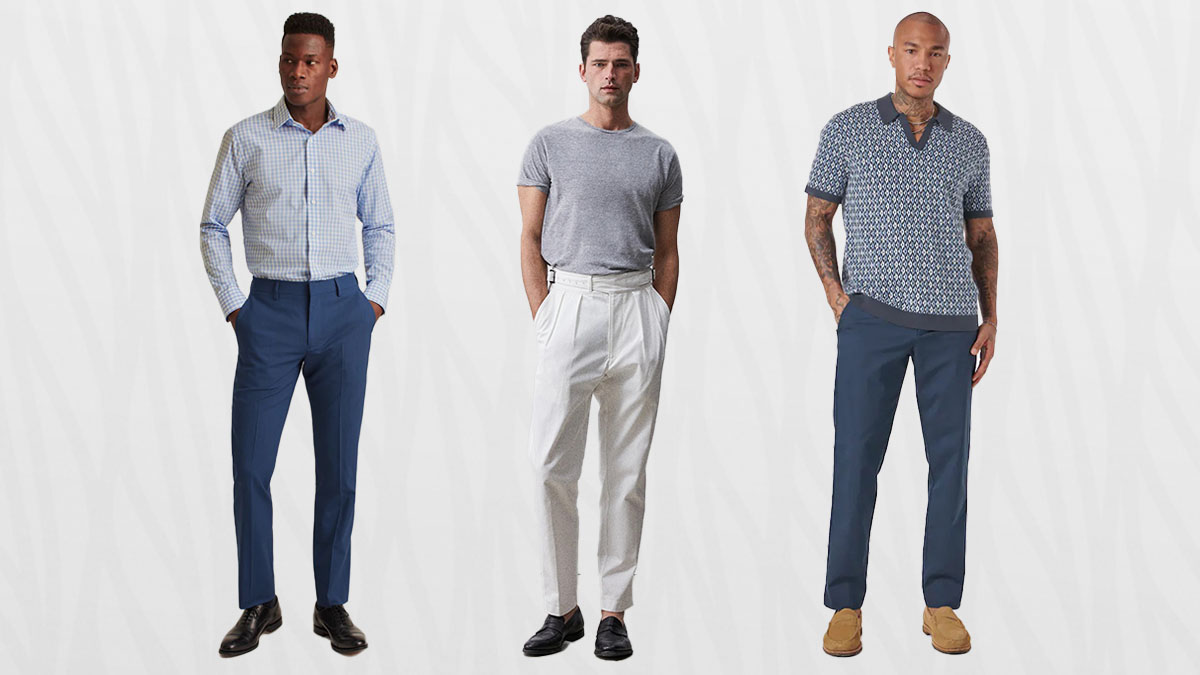
- Office Day: John wears navy dress pants, a light blue button-down, brown loafers, and a black belt. He adds a gray cardigan in winter. His look is classic and fits most offices.
- Creative Agency: Sara wears black skinny jeans, a patterned blouse, a green blazer, and stylish flats. Her outfit is trendy but still professional.
- Remote Meeting: Alex wears a simple white blouse, gray slacks, and stud earrings. She sits in a tidy room with good lighting. Even at home, she looks business casual.
Frequently Asked Questions
What Is Not Business Casual?
Business casual does not include t-shirts, shorts, athletic shoes, flip-flops, tank tops, or clothes with loud graphics. Clothing that is too tight, too short, or wrinkled is not business casual.
Can You Wear Jeans In Business Casual?
It depends on the company. Dark, clean jeans may be allowed in tech, creative, or relaxed offices. In traditional corporate settings, jeans are not considered business casual.
Are Sneakers Business Casual?
Usually, sneakers are not business casual. Exceptions exist in some tech or creative companies if the sneakers are stylish, clean, and simple.
Do You Need To Wear A Blazer?
A blazer is optional in business casual. It adds structure but isn’t required. Cardigans, sweaters, or neat shirts work well without a blazer.
How Can I Know My Company’s Business Casual Rules?
Check your company handbook, ask HR, or observe coworkers. If you’re unsure, dress slightly more formal. You can always relax your outfit later.
For more about business casual standards, see Wikipedia.
Business casual helps you look professional and feel comfortable. With the right choices, you’ll fit in, impress others, and show respect for your workplace. Remember, the details matter—fit, color, neatness, and confidence make a big difference. Start building your wardrobe today, and enjoy the benefits of business casual.
