

What Gym Clothes Do I Need: Essential Guide for Beginners
What Gym Clothes Do I Need
Walking into a gym for the first time can feel confusing. You see people in all kinds of workout clothes—some look ready for a marathon, others for yoga, and some just in t-shirts and shorts. If you’re starting your fitness journey, you might ask, “What gym clothes do I actually need?
” The truth is, the right gear can make exercise safer, more comfortable, and even more enjoyable. But you don’t need to buy everything at once or spend a fortune.
In this guide, you’ll learn exactly what clothes and accessories are important for working out, how to choose them, and which mistakes to avoid. Whether you want to lift weights, run on a treadmill, join a group class, or just get healthier, you’ll get practical advice to help you feel ready and confident.
Let’s break down the essentials, explain what to look for, and help you avoid common gym-wear mistakes.
Understanding Gym Clothing Basics
When people talk about gym clothes, they usually mean clothing designed for exercise. These are different from regular clothes because they help your body move, breathe, and stay comfortable during physical activity. The right gym wear can help prevent injuries, reduce sweating, and even improve your performance.
Why Gym-specific Clothes Matter
Wearing normal clothes to the gym might seem fine, but there are important reasons to choose clothes made for exercise:
- Moisture control: Gym clothes often use special fabrics that pull sweat away from your skin. This helps you stay dry and avoid rashes.
- Better movement: Exercise clothes stretch and move with your body, so you’re never restricted during squats, lunges, or stretches.
- Safety: Good shoes and gloves protect you from blisters, slipping, and other injuries.
- Hygiene: Gym clothes are easier to clean and dry, so you’re not carrying bacteria or sweat from one workout to the next.
Fabric Types And Their Effects
Not all gym clothes are the same. The material they’re made from affects how they feel and work. Here are some common fabrics:
- Cotton: Feels soft and natural but holds sweat, making it heavy and uncomfortable for long workouts.
- Polyester: Popular for gym wear because it’s light, dries quickly, and resists wrinkles.
- Nylon: Very stretchy and smooth, great for leggings or tight tops.
- Spandex (Lycra): Offers lots of stretch, used in compression wear.
- Bamboo: Naturally anti-bacterial and eco-friendly, but less common and more expensive.
Choosing the right fabric can help you avoid overheating, skin problems, or discomfort.
Essential Gym Clothes For Everyone
Let’s get clear on the basics. No matter your fitness level, you need a few key items for any workout.
1. Workout Tops
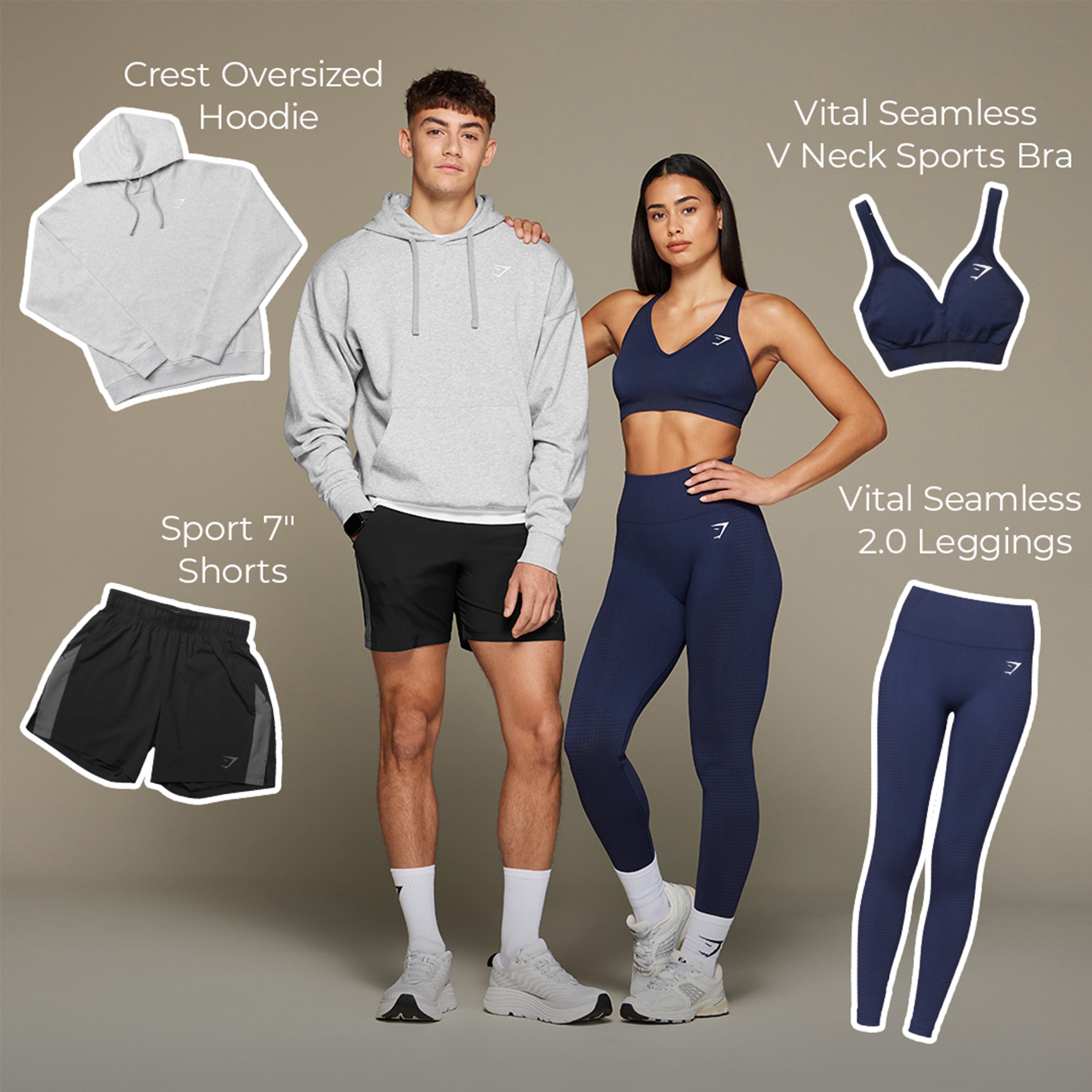
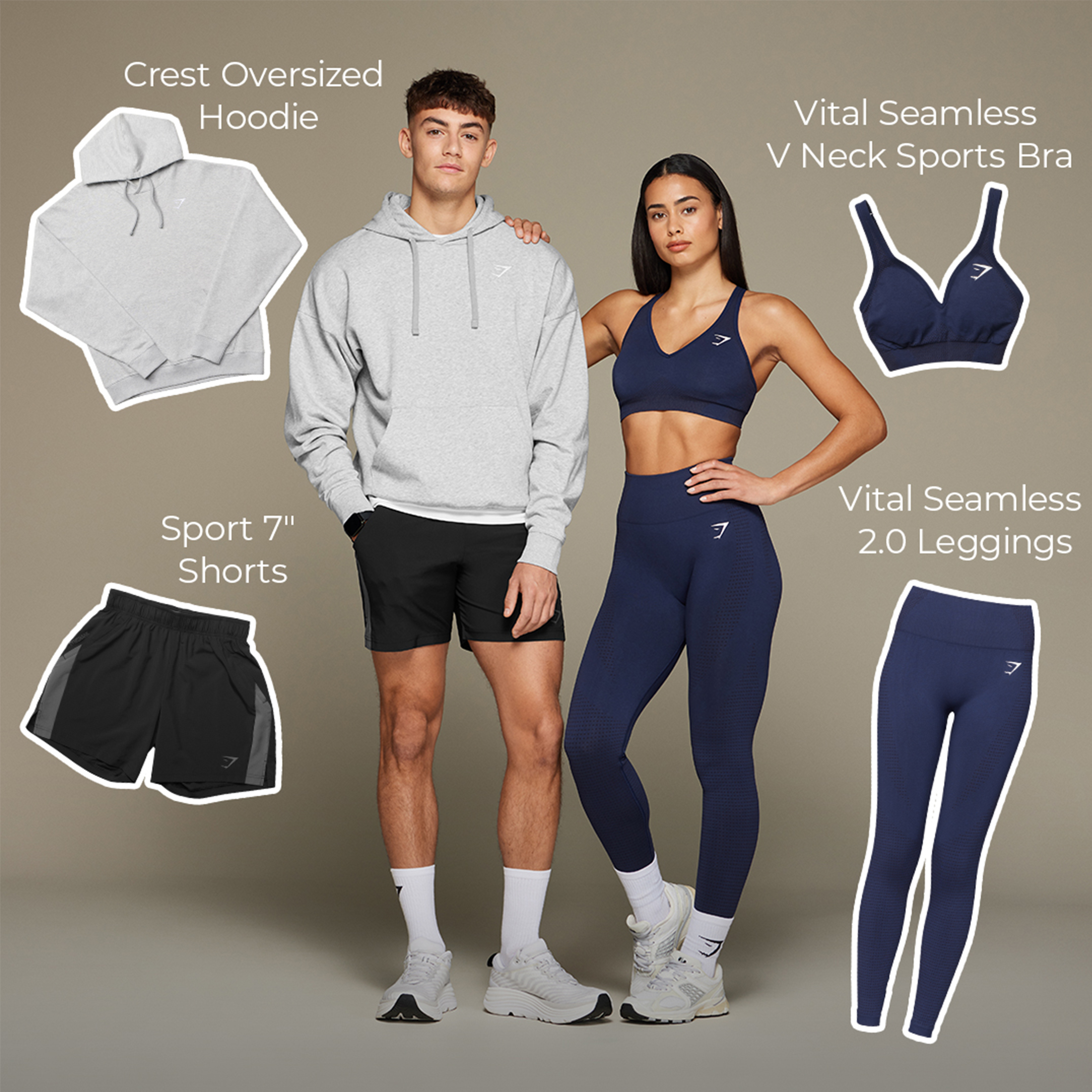
A good workout top is the foundation of your gym outfit. For most people, a simple, fitted t-shirt or tank top made from polyester or a blend with spandex is perfect. Avoid heavy cotton tops—they trap sweat.
Tips:
- Look for “moisture-wicking” labels.
- Choose a fit that’s not too tight or too loose.
- Short sleeves or sleeveless tops allow better arm movement.
2. Workout Bottoms
You’ll need comfortable, flexible pants, shorts, or leggings. The type you choose depends on your workout style and comfort.
- Shorts: Great for cardio and hot weather. Look for ones with a liner for support.
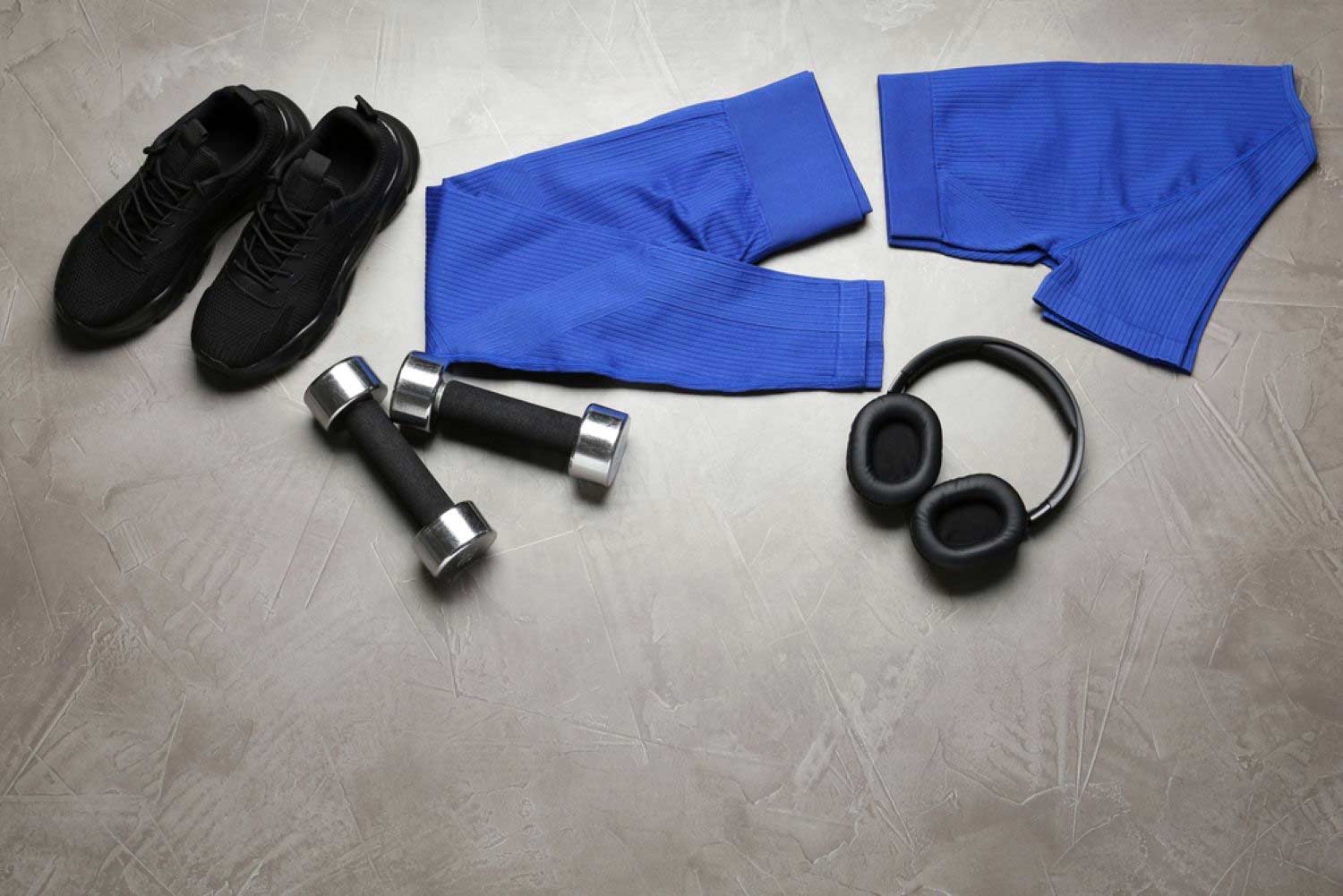
- Leggings: Ideal for stretching, yoga, or weightlifting. They offer full coverage and support.
- Track pants/Joggers: Good for cooler weather or those who prefer more coverage.
Make sure the waistband stays in place during movement.
3. Sports Bras (for Women)
A sports bra is essential for women. It reduces bounce, prevents pain, and supports breast tissue. There are different support levels:
- Low-impact: For yoga or stretching.
- Medium-impact: For cycling or weight training.
- High-impact: For running or HIIT classes.
Choose one with adjustable straps and a snug fit, but not too tight.
4. Underwear
Don’t overlook underwear. Breathable, seamless underwear prevents chafing and discomfort. For men, boxer briefs made from moisture-wicking materials are a good choice. For women, seamless or athletic panties work best.
Tip: Avoid cotton, which stays wet and can cause irritation.
5. Socks
Good socks protect your feet from blisters and absorb sweat. Athletic socks are thicker and have better padding.
- Ankle socks: Good for most gym shoes.
- Crew socks: Offer more ankle protection.
- No-show socks: Stay hidden inside low-cut shoes.
Look for socks with extra arch support and moisture control.
6. Gym Shoes
Your gym shoes are maybe the most important part of your outfit. They support your feet, reduce injury risk, and improve performance. The right shoes depend on your activity:
- Running shoes: For treadmill or outdoor running.
- Cross-trainers: For mixed workouts, including weights and classes.
- Weightlifting shoes: Flat, stable soles for better lifting form.
Always choose shoes that fit well. Don’t buy shoes that are too tight or too loose.
7. Outerwear
If you live in a cool or rainy place, you’ll need a light jacket or hoodie for getting to and from the gym. Look for zip-up styles that are easy to remove.
8. Gym Bag
A gym bag isn’t clothing, but it’s essential for carrying your gear, water bottle, and clean clothes. Choose one with separate pockets for shoes and wet clothes.
Credit: www.gymshark.com
Optional But Useful Gym Clothes
Some gym clothes aren’t required for everyone, but they can make workouts easier or more comfortable.
1. Compression Wear
Compression shirts, leggings, or socks squeeze your muscles gently. This can reduce soreness, improve blood flow, and help recovery.
2. Headbands And Sweatbands
If you sweat a lot, a headband keeps sweat out of your eyes, and wristbands can help wipe your face or hands.
3. Gloves
Weightlifting gloves protect your hands from calluses, improve grip, and help with lifting heavier weights.
4. Hats And Caps
A baseball cap can keep hair out of your face, especially during outdoor workouts.
5. Arm Or Knee Sleeves
For support or injury prevention, some people use arm or knee sleeves during lifting or running.
6. Layering Pieces
A long-sleeve top or vest is useful when you want to warm up your muscles before heavy exercise.
Choosing The Right Clothes For Your Workout Type
Not every workout needs the same clothes. Here’s how to match your gear to your gym routine:
| Workout Type | Best Top | Best Bottom | Shoes |
|---|---|---|---|
| Cardio (running, cycling) | Moisture-wicking t-shirt or tank | Shorts or leggings | Running shoes |
| Weightlifting | Fitted t-shirt or sleeveless top | Leggings or joggers | Cross-trainers or lifting shoes |
| Yoga/Pilates | Stretchy tank or long sleeve | Yoga pants or leggings | Barefoot or yoga socks |
| HIIT/Group Classes | Breathable t-shirt | Shorts or leggings | Cross-trainers |
Credit: inphormnyc.com
How To Choose Quality Gym Clothes
Spending more doesn’t always mean better quality. Here’s what to check:
Fabric Performance
- Stretch: Does the fabric move with you?
- Sweat-wicking: Does it dry quickly or stay wet?
- Breathability: Do you feel cool or overheated?
- Durability: Can it handle frequent washing and tough workouts?
Fit And Comfort
Clothes should fit your body type but not restrict movement. Try squatting, stretching, or lifting your arms when trying on clothes.
Stitching And Seams
Look for flat seams to avoid rubbing and chafing. Double-stitched areas last longer, especially at the waist and underarms.
Try Before You Buy
If possible, try clothes in the store. Move around and check for pinching or riding up.
Return Policy
Check if the store allows returns after trying at home. Some brands let you test their clothes during a workout.
How Many Of Each Item Do You Need?
You don’t need a huge wardrobe. Start with a few basics:
| Item | Minimum | Recommended |
|---|---|---|
| Workout tops | 2 | 4-5 |
| Workout bottoms | 2 | 3-4 |
| Sports bras | 2 | 3-5 |
| Socks | 3 | 5-7 |
| Gym shoes | 1 | 2 |
| Outerwear | 1 | 2 |
If you work out daily, having more will help you avoid doing laundry all the time.
Mistakes To Avoid When Buying Gym Clothes
Many beginners buy the wrong gym clothes and regret it later. Here are common mistakes and how to avoid them:
1. Choosing Fashion Over Function
Trendy styles may look good but might not support your workout. Always choose comfort and performance first.
2. Ignoring The Importance Of Fit
Baggy clothes can get in the way, while tight clothes restrict movement. Try on different sizes and move around in them.
3. Overlooking Fabric
Some cheap clothes feel fine at first but hold sweat, smell bad, or stretch out of shape. Invest in good fabrics.
4. Wearing The Wrong Shoes
Running shoes are not the same as lifting shoes. Wearing the wrong type can lead to injury.
5. Not Rotating Clothes
Wearing the same gym clothes every day is unhygienic. Rotate between sets and wash them after every use.
6. Forgetting About Layers
If your gym is cold, you need layers to warm up your muscles safely.
Caring For Your Gym Clothes
To make your gym clothes last longer and stay fresh, follow these tips:
- Wash after every use: Sweat can cause bacteria and smell.
- Use cold water: Hot water can damage stretch fabrics.
- Skip fabric softener: It blocks sweat-wicking technology.
- Air dry: High heat from dryers can shrink or damage clothes.
- Separate colors: Wash light and dark colors separately to avoid staining.
A practical tip: Turn clothes inside out before washing to protect the fabric and keep colors bright.
Gym Clothes For Different Body Types
Everyone’s body is different. The best gym clothes should suit your shape and size.
For Larger Bodies
- Look for clothes with extra support and thicker bands.
- High-waisted leggings or shorts can help with comfort.
- Choose tops with wider straps.
For Petite Bodies
- Cropped leggings or shorts prevent excess fabric.
- Fitted tops are less likely to ride up.
For Tall Bodies
- Search for “tall” sizes in leggings and tops.
- Avoid bottoms that are too short or tops that expose your midriff.
If you have trouble finding the right fit, consider brands that offer a wide range of sizes or custom options.
Gym Clothes For Different Weather
Where you live affects what you need to wear to the gym.
Warm Weather
- Lightweight, breathable tops and shorts are best.
- Avoid dark colors that absorb heat.
- Choose mesh or ventilated panels for extra cooling.
Cold Weather
- Layer a moisture-wicking base under a long-sleeve top.
- Add a zip-up jacket or hoodie for the trip to the gym.
- Full-length leggings or joggers keep legs warm.
Rainy Or Humid Weather
- Quick-dry clothes are important.
- A waterproof jacket helps for outdoor workouts.
Special Considerations
Some people have unique needs for gym clothes. Here’s what to consider:
Sensitive Skin
- Choose clothes labeled “hypoallergenic.”
- Avoid synthetic dyes or heavy prints.
Allergies
- Bamboo or natural fibers can help avoid irritation.
- Wash new clothes before the first use.
Modesty
- Long-sleeve tops, loose joggers, or leggings with skirts are available.
- Many brands now offer modest gym wear.
Sustainability
- Eco-friendly brands use recycled polyester or bamboo.
- Some offer clothing recycling programs.
Technology In Gym Clothes
Modern gym clothes sometimes use technology to improve performance.
- Anti-odor: Special treatments prevent smells.
- UV protection: Some fabrics protect against sun damage.
- Reflective details: Useful for outdoor workouts in low light.
If you want to learn more about advances in sportswear, check Wikipedia’s Sportswear article.
Real-life Examples
Consider these two scenarios:
Jane just started running. She bought cotton t-shirts and old sneakers for the gym. After two sessions, she noticed her shirts felt heavy and her feet hurt. She switched to a moisture-wicking top, proper running shoes, and socks with arch support. Her workouts felt easier and she avoided blisters.
Mark joined a weightlifting class. He wore loose basketball shorts and a tank top. When squatting, his shorts rode up and distracted him. He changed to fitted shorts with a flexible waistband and added gloves. His form improved, and he felt more confident.
These examples show why the right gym clothes matter—not just for looks, but for health and comfort.
Upgrading And Replacing Gym Clothes
Even good gym clothes wear out. Here’s when to replace them:
- Shoes: If soles are worn, or you feel new pain, it’s time to replace.
- Socks: If you see holes or lose cushioning.
- Sports bras: If the band stretches out or you lose support.
- Tops/leggings: If seams split or fabric pills and loses stretch.
A simple test: If your gym clothes smell even after washing, or you no longer feel comfortable, it’s time for new ones.
Credit: www.gymshark.com
How To Save Money On Gym Clothes
You don’t need expensive brands to have good gym clothes. Here are some ways to save:
- Shop sales: Look for end-of-season discounts.
- Buy basics: Neutral colors and simple designs are usually cheaper.
- Mix and match: Choose clothes that go with everything.
- Check outlet stores: You can find brand-name gear for less.
- Avoid “fast fashion” brands: They may be cheap but wear out quickly.
An insight many beginners miss: investing a bit more in a few high-quality basics saves money in the long run.
Packing Your Gym Bag
Here’s a quick checklist for your gym bag:
- Clean workout top and bottom
- Sports bra (if needed)
- Socks and gym shoes
- Towel
- Water bottle
- Deodorant
- Extra underwear
- Lock for locker
- Headphones
- Snacks (like a banana or protein bar)
- Small toiletries (shampoo, body wash)
This helps you stay organized and avoid forgetting essentials.
Frequently Asked Questions
What Should I Never Wear To The Gym?
Avoid jeans, flip-flops, or heavy cotton shirts. These can restrict movement, cause overheating, or even lead to injury.
How Often Should I Wash My Gym Clothes?
You should wash gym clothes after every use to prevent bacteria and odor. Even if you don’t sweat much, bacteria can grow quickly on used workout gear.
Do I Need Special Shoes For Different Workouts?
Yes. Running shoes and lifting shoes are designed differently. Using the wrong shoe can cause discomfort or injury. Cross-trainers are a good all-purpose option if you do various activities.
How Tight Should Gym Clothes Fit?
Gym clothes should be snug but not restrictive. You should be able to move freely without clothes riding up, pinching, or sagging.
Can I Use My Regular T-shirts And Shorts At The Gym?
You can, but workout-specific clothes will keep you more comfortable, dry, and safe, especially during longer or more intense workouts.
Choosing the right gym clothes makes a big difference in your fitness routine. It’s not about looking good for others—it’s about feeling strong, confident, and comfortable so you can focus on getting healthier. Start with the basics, add pieces as needed, and always listen to your body.
With the right gear, you’ll feel ready to tackle any workout.
