

How to Choose the Right Gym Clothes: Top Tips for Comfort and Style
Choosing the right gym clothes can make a big difference in how you feel and perform during workouts. Many people focus only on style or pick the cheapest option, but this often leads to discomfort, lack of motivation, or even skin problems.
If you want to get the most from your gym sessions, understanding what to wear and why is important. This article will guide you step-by-step through all the key factors to consider, from fabric types and fit to common mistakes and advanced tips.
Whether you are new to fitness or have been exercising for years, you will find practical advice and clear explanations to help you choose gym clothes that work for you.
Why Gym Clothes Matter
The clothes you wear to the gym do more than cover your body. Good gym clothes can help regulate body temperature, manage sweat, and prevent injuries. Wearing the wrong fabric or fit can lead to overheating, chafing, or restriction of movement. For example, tight cotton shirts soak up sweat and stay wet, making you feel heavy and cold. On the other hand, well-chosen athletic wear can boost your confidence, help you focus, and even improve your workout results.
A study published by the International Journal of Sports Science found that athletes who wore moisture-wicking clothes had lower body temperatures and less skin irritation compared to those in regular cotton shirts. Also, psychological comfort matters. If you feel awkward or self-conscious in your outfit, you may avoid certain exercises or leave the gym early.
Understanding Your Activity
Not all workouts are the same. The clothes you need for yoga are different from those for weightlifting or running. Start by thinking about the activities you do most.
- Yoga and Pilates: Look for stretchy, non-restrictive fabrics. Clothing should move with your body and stay in place during stretches.
- Cardio and Running: Choose lightweight, breathable, and moisture-wicking materials. Reflective details are a bonus for outdoor running.
- Weightlifting: Go for fitted tops that don’t hang or catch on equipment. Shorts or leggings should allow full movement without riding up.
- High-Intensity Interval Training (HIIT): Opt for sweat-resistant, flexible gear. Compression wear can help support muscles.
Matching your clothing to your activity is a small detail that many beginners ignore, but it can dramatically improve your comfort and performance.
Choosing The Right Fabric
Fabric choice is one of the most important decisions when picking gym clothes. It affects how you feel, how you move, and how your skin reacts.
Common Gym Fabrics Compared
Here is a quick comparison of the main fabrics you’ll find in gym wear:
| Fabric | Breathability | Moisture-Wicking | Stretch | Durability |
|---|---|---|---|---|
| Polyester | High | Excellent | Good | High |
| Cotton | Medium | Poor | Low | Medium |
| Spandex (Lycra) | High | Good | Excellent | Medium |
| Nylon | High | Excellent | Good | High |
| Wool Blends | Medium | Good | Medium | Medium |
Polyester and nylon are favorites for most gym clothes because they are lightweight, strong, and dry quickly. Spandex (also called Lycra or elastane) is often blended in for stretch, letting the clothes move with you. Cotton feels soft but holds moisture, making it a poor choice for heavy sweating.
Non-obvious Insight
Many people think that more spandex is always better. In reality, too much spandex can make clothes feel sticky and wear out faster. A blend with 10-20% spandex is usually enough for most workouts.
Getting The Fit Right
The fit of your gym clothes impacts your safety, comfort, and results. Too tight and you risk chafing or limiting your movement. Too loose and your clothes may snag on equipment or slip during exercises.
How Fit Affects Performance
- Compression fit: Offers muscle support and can help reduce muscle soreness after exercise.
- Relaxed fit: Good for comfort and airflow but can be a hazard around moving parts in the gym.
- Snug but not tight: Best for most activities. Allows freedom of movement while staying in place.
Common Fit Mistakes
- Buying too loose: Oversized shirts and shorts can get caught in machines or ride up during cardio.
- Choosing too tight: Restricts blood flow and can cause numbness or red marks.
- Ignoring stretch: Clothes without enough stretch make it hard to squat, lunge, or reach.
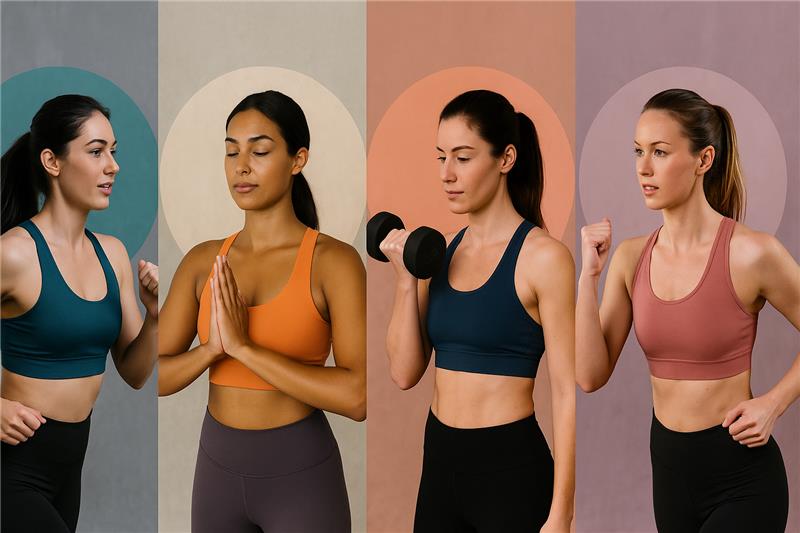
Try on different sizes and move around before buying. Squat, lift your arms, or jog in place to see how the clothing behaves.
Credit: softskinlingerie.com
Layering For Comfort And Weather
Layering isn’t just for outdoor athletes. Even in a gym, you may want to adjust your clothing based on temperature and intensity. Proper layering helps control sweat and keeps you from getting cold or overheated.
Typical Layering System
- Base Layer: Wicks sweat away from your skin. Usually polyester or nylon.
- Middle Layer: Adds warmth if needed, like a light fleece.
- Outer Layer: Protects from wind or rain if you run outside, usually a thin jacket.
For most indoor gym sessions, a base layer and a light top are enough. For outdoor workouts, add or remove layers as needed. Avoid heavy cotton sweatshirts, as they trap moisture and cool you down too much after exercise.
Non-obvious Insight
Bring a dry shirt or jacket to change into after your workout. This small habit helps you avoid getting chilled, especially in air-conditioned gyms.
Choosing The Right Top
The top is often the most visible and sweat-soaked part of your gym outfit. Picking the right style can help you stay cool and confident.
Popular Gym Tops
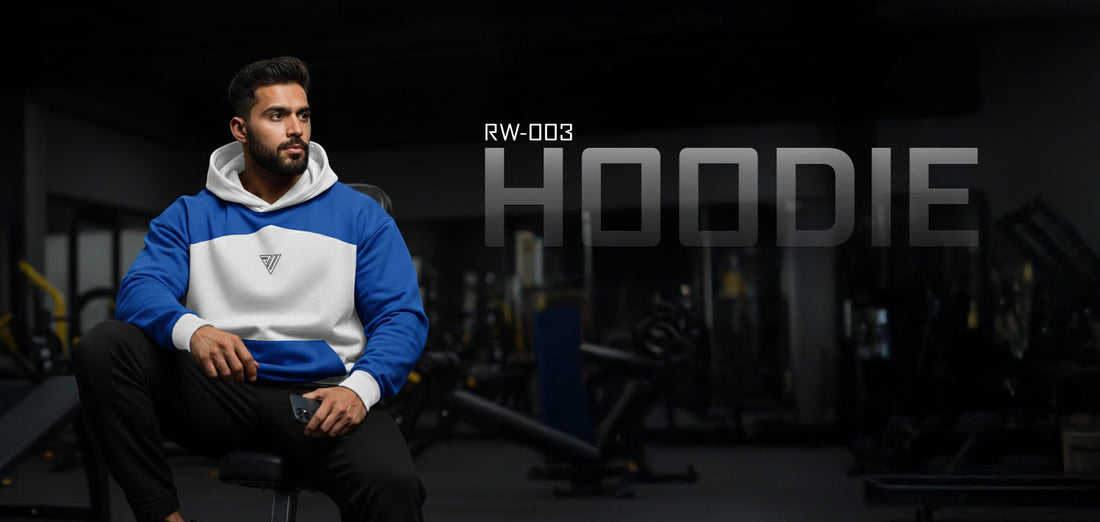
- T-shirts: Look for polyester or blended fabric, not 100% cotton.
- Tank tops: Allow maximum airflow but may feel too revealing for some.
- Long-sleeve shirts: Good for cold gyms or outdoor training.
When choosing a top, check for features like flat seams (to prevent chafing), mesh panels (for extra breathability), and antimicrobial treatments (to fight odor).
Women’s Gym Tops
Women may want built-in bras for light activities, but for more intense workouts, a separate sports bra is usually better. Avoid tops with tight elastic at the waist, as these can dig in or roll up.
Credit: proultimatesports.com
Picking The Right Bottoms
Your lower body does a lot of work in the gym, from squats to sprints. Pants or shorts should support your movement without restriction.
Comparing Gym Bottoms
| Type | Best For | Key Benefits | Considerations |
|---|---|---|---|
| Shorts | Cardio, HIIT | Breathability, mobility | Can ride up, less coverage |
| Leggings/Tights | Yoga, weightlifting | Full range of motion, muscle support | May feel hot, transparency issues |
| Track Pants | Warm-up, cool-down | Comfort, warmth | Can be baggy, slow to dry |
| Compression Shorts | Running, HIIT | Muscle support, chafe prevention | Tight fit, not for everyone |
Choose bottoms that fit well at the waist and do not slide down during movement. For squats or yoga, do the “bend test” to check for transparency, especially with light-colored leggings.
The Importance Of Sports Bras
A sports bra is essential for women, even for low-impact workouts. Regular bras do not provide enough support, and exercising without proper support can cause pain and long-term stretching of breast tissue.
How To Choose
- Low impact: For yoga or walking, choose light support with soft cups.
- Medium impact: For cycling or elliptical, go for more structure and wider straps.
- High impact: For running or HIIT, choose encapsulated or compression bras with adjustable bands.
Check for moisture-wicking fabric, adjustable straps, and a snug but comfortable fit. Replace your sports bra when it loses shape or elasticity.
Underwear Choices For The Gym
Many people overlook the importance of workout underwear. The wrong choice can lead to chafing, odor, or even infections.
What To Look For
- Moisture-wicking fabric: Prevents bacteria growth and discomfort.
- Seamless design: Reduces irritation and visible lines.
- Support: For men, athletic briefs or boxer briefs are best.
Avoid cotton underwear and opt for synthetic blends. For women, consider special sports underwear or going commando with lined leggings (if comfortable).
Gym Socks: Small But Mighty
Blisters and sweaty feet are common gym problems. Good gym socks can help prevent these issues.
Features Of Good Gym Socks
- Breathable material: Polyester, nylon, or merino wool blends.
- Cushioning: Helps absorb impact during running or jumping.
- Arch support: Prevents slipping and supports your feet.
- Seamless toes: Reduces friction.
Change your socks after every workout to avoid odor and athlete’s foot.
Choosing The Right Shoes
Shoes are perhaps the most important piece of gym gear. The wrong shoes can cause pain, injuries, or poor performance.
Shoe Types And Activities
| Shoe Type | Best For | Key Features |
|---|---|---|
| Running Shoes | Treadmill, running | Cushioning, flexibility, lightweight |
| Cross-Trainers | HIIT, classes | Stability, lateral support |
| Weightlifting Shoes | Strength training | Flat sole, solid base, ankle support |
| Minimalist Shoes | Natural movement, agility | Thin sole, low drop |
Choose shoes based on your main activity. Try them on at the end of the day when your feet are largest, and wear your gym socks during the fitting.
Accessories: Headbands, Gloves, And More
Accessories can add comfort and style to your gym outfit. Some are more useful than others.
Useful Accessories
- Headbands or sweatbands: Keep hair and sweat out of your face.
- Workout gloves: Protect hands during weightlifting and improve grip.
- Arm sleeves: Add compression and warmth for certain sports.
- Towels: Essential for wiping sweat and keeping equipment clean.
While not required, the right accessories can help you focus and train better.
Style And Personal Preference
Looking good is not just about vanity. If you like your gym outfit, you are more likely to exercise regularly. Choose colors and patterns that make you feel confident. However, never sacrifice function for style. Bright colors and logos are fine as long as the clothes fit well and perform.
Some people prefer minimalist designs, while others like bold prints. Try out different brands and styles to discover what suits you best.
Common Mistakes When Choosing Gym Clothes
Avoiding these mistakes can save you money and frustration:
- Choosing only based on price: Cheap clothes often wear out fast, lose shape, or hold odor.
- Ignoring care instructions: High-performance fabrics often need special washing. Read the label.
- Not replacing worn-out gear: Old gym clothes lose support, stretch, and moisture-wicking power.
- Wearing jewelry or accessories: Can cause injuries or get caught on equipment.
- Buying all one type: You need different clothes for different seasons and activities.
Credit: www.gymshark.com
Caring For Your Gym Clothes
Proper care will make your gym clothes last longer and perform better.
- Wash soon after use: Sweat can cause bacteria and odor if left too long.
- Avoid fabric softeners: They can block moisture-wicking fibers.
- Wash in cold water: Keeps colors bright and fabric strong.
- Air dry: High heat from dryers can shrink or damage stretchy fabrics.
- Store in a cool, dry place: Prevents mildew and fading.
If you sweat a lot, rinse your clothes before putting them in the laundry. Some people use special sports detergents for extra odor-fighting power.
When To Replace Gym Clothes
Even the best gym clothes wear out. Replace items when you notice:
- Loss of stretch: Clothes feel loose or saggy.
- Permanent odor: Smells stay after washing.
- Holes or thin spots: Fabric wears through in high-friction areas.
- Faded color: UV rays and sweat break down fibers.
Don’t wait until your clothes fall apart. Fresh gear can boost your motivation and comfort.
Sustainable And Ethical Choices
Many brands now offer eco-friendly gym clothes made from recycled polyester, organic cotton, or bamboo. These options reduce environmental impact and often use fair labor practices.
Look for certifications like Bluesign, Fair Trade, or GOTS (Global Organic Textile Standard) on labels. Buying quality over quantity also reduces waste. If possible, donate old gym clothes to charity instead of throwing them away.
How To Shop For Gym Clothes
Shopping can be overwhelming with so many options. Here’s a simple strategy:
- Make a list: Note what you need (tops, bottoms, socks, etc. ).
- Set a budget: Quality gym clothes cost more but last longer.
- Read reviews: Learn from other buyers’ experiences.
- Try on before buying: Move around in the clothes.
- Check return policies: In case the fit or feel isn’t right.
- Shop off-season: Sales often happen at the end of a season.
Consider visiting a specialty sports store for expert advice or use online guides like REI’s running clothes guide for more information.
What Beginners Often Miss
Many new gym-goers forget about these details:
- Visibility: If you train outside, wear bright or reflective clothing for safety.
- Temperature control: Your gym outfit should match the weather and gym climate.
- Chafing prevention: Seams and tags in the wrong places can cause skin irritation.
- Size changes: As you train, your body shape may change. Re-check your fit every few months.
Don’t hesitate to ask for help in stores. Staff can recommend the best options for your needs and body type.
Frequently Asked Questions
What Is The Best Fabric For Gym Clothes?
The best gym clothes use polyester, nylon, or blends with a small amount of spandex. These materials wick sweat, dry quickly, and stretch with movement. Cotton feels soft but holds moisture, which can lead to discomfort.
How Often Should I Wash My Gym Clothes?
Wash your gym clothes after every workout. Sweat and bacteria build up quickly, causing odor and skin problems. Avoid fabric softeners and use cold water to protect the fabric.
Do I Need Special Shoes For The Gym?
Yes, wearing the right gym shoes can prevent injuries and improve your performance. Choose shoes based on your main activity: running, weightlifting, or cross-training. Try them on with your gym socks for the best fit.
How Do I Prevent My Gym Clothes From Smelling Bad?
Wash them soon after use, use odor-fighting detergent, and avoid fabric softeners. Hang clothes to dry completely before putting them away. Air out your gym bag regularly to avoid trapped odors.
Are Expensive Gym Clothes Worth It?
Higher-priced gym clothes often use better fabrics, construction, and features like flat seams or odor control. They can last longer and perform better, but you don’t need to buy the most expensive option. Focus on quality, fit, and comfort.
Choosing the right gym clothes is not just about style—it's about safety, performance, and feeling good every time you work out. Take the time to pick the right gear for your activities and body type. With the right choices, you’ll enjoy your workouts more and see better results, both in and out of the gym.
