

What Does Business Casual Dress Code Mean? Ultimate Style Guide
What Does Business Casual Dress Code Mean
When you hear “business casual,” you might picture a mix of formal and relaxed clothing. Many people feel confused about what is truly allowed, what’s too casual, and how to avoid mistakes. If you need to dress business casual for work, an interview, or a networking event, understanding the real meaning is essential.
The right outfit helps you look professional and feel comfortable, but the wrong choice can make you stand out for the wrong reasons.
Business casual is not one fixed style. It changes depending on the company, location, and even the day of the week. Some workplaces are stricter, while others are more relaxed. This article guides you through the business casual dress code, explains what it means, and gives practical tips to help you dress confidently and appropriately.
What Is Business Casual?
Business casual is a style of dressing that blends professional attire with comfortable, everyday clothes. It is less formal than traditional business wear (like suits), but more polished than casual clothes (like jeans and T-shirts). The goal is to look neat and ready for business, without feeling stiff or overdressed.
Key Elements Of Business Casual
- Neat appearance: Clothes should be clean, well-fitted, and free from wrinkles.
- Professional touch: Avoid items that are too relaxed or too flashy.
- Comfortable fit: You should feel comfortable, but not sloppy.
- Appropriate for office: Always consider your workplace culture and expectations.
Business casual is about balance. You want to look professional but approachable. For most companies, business casual is now the standard dress code. However, what counts as business casual can differ. Some places allow dark jeans, while others prefer dress pants.
Typical Business Casual Clothing For Men
Business casual for men often includes shirts, slacks, shoes, and sometimes jackets. Let’s look at each item more closely.
Shirts
- Button-down shirts: Long or short sleeves, usually solid colors or simple patterns.
- Polo shirts: Acceptable in many places, especially during warmer months.
- Sweaters: Worn over a shirt, especially in cooler weather.
- Avoid: T-shirts, tank tops, loud prints, or shirts with logos.
Pants
- Dress slacks: Neutral colors such as black, navy, gray, or khaki.
- Chinos: A popular choice, comfortable yet professional.
- Dark jeans: Sometimes allowed, but check your company’s policy first.
- Avoid: Shorts, distressed jeans, athletic pants.
Shoes
- Dress shoes: Leather loafers, oxfords, or brogues.
- Dress boots: Can be suitable, especially in winter.
- Clean sneakers: In some creative workplaces.
- Avoid: Sandals, flip-flops, athletic sneakers unless specifically allowed.
Jackets And Accessories
- Blazers: Not required, but add a smart touch.
- Belts: Match your shoes for a polished look.
- Ties: Optional in business casual, unless your company expects them.
- Watches: Simple, classic styles are best.
Typical Business Casual Clothing For Women
Business casual for women offers more variety but still requires good judgment. The focus is on neat, professional, and comfortable clothing.
Tops
- Blouses: Solid colors or simple prints, avoid low-cut styles.
- Dress shirts: Button-down or tailored, often paired with a sweater or blazer.
- Knit tops: Fine knit sweaters or cardigans.
- Avoid: Tank tops, crop tops, loud prints, or tops with slogans.
Pants, Skirts, And Dresses
- Dress pants: Black, navy, gray, or khaki.
- Chinos: Comfortable and stylish.
- Skirts: Knee-length or longer, straight or A-line.
- Dresses: Simple, with modest necklines and hemlines.
- Avoid: Mini-skirts, ripped jeans, leggings as pants, shorts.
Shoes
- Flats: Ballet flats or loafers.
- Heels: Low to medium height; avoid very high or flashy heels.
- Boots: Ankle or knee-high, depending on the season.
- Clean sneakers: Only in casual workplaces.
- Avoid: Flip-flops, athletic shoes unless allowed.
Accessories
- Jewelry: Simple and understated.
- Handbags: Structured and professional.
- Scarves: Can add style, but should not be too bold.
Business Casual Vs. Other Dress Codes
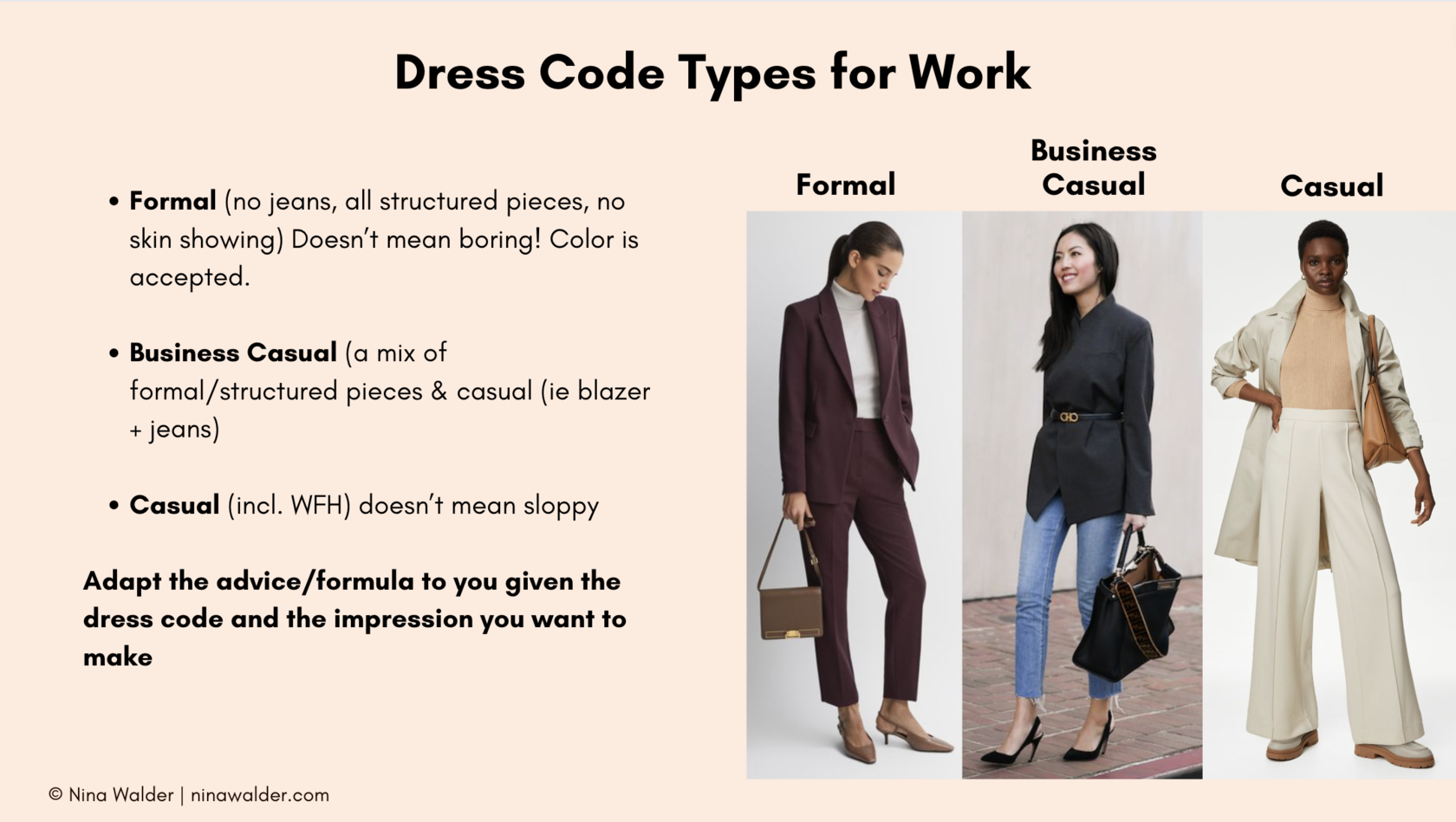
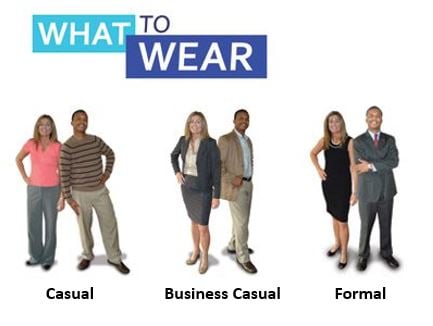
Many people confuse business casual with other styles. Here’s a quick comparison:
| Dress Code | Main Features | Allowed Items | Not Allowed |
|---|---|---|---|
| Business Formal | Very professional, suits required | Suits, ties, formal shoes | Jeans, sneakers, casual shirts |
| Business Casual | Mix of formal and casual | Dress pants, blouses, polos, loafers | Shorts, flip-flops, T-shirts |
| Casual | Relaxed, everyday wear | Jeans, T-shirts, sneakers | Suits, ties, formal dresses |
This table helps show the differences. Business casual sits between formal and casual. It is less strict than suits and ties, but more professional than jeans and T-shirts.
Why Business Casual Matters
Business casual is popular because it helps employees feel comfortable while still looking professional. Companies want to create a positive atmosphere. Studies show that employees who dress business casual are often more relaxed and productive. According to a survey by the Society for Human Resource Management, nearly 50% of companies now use business casual as their standard dress code.
Benefits Of Business Casual
- Comfort: Employees can move freely and focus on work.
- Professional image: Still shows respect for the company and clients.
- Flexibility: Allows for personal style without being too strict.
However, some companies find business casual creates confusion. Without clear rules, people sometimes dress too casually. That’s why many workplaces give examples or guidelines.
Common Business Casual Mistakes
Even experienced professionals make mistakes with business casual. Here are the most frequent errors:
- Too casual: Wearing jeans, shorts, or sneakers in places that do not allow them.
- Poor fit: Clothes that are too tight or too loose look unprofessional.
- Wrinkled or dirty clothes: Always keep your outfit clean and pressed.
- Flashy accessories: Large jewelry, bright colors, or bold prints can distract.
- Ignoring company culture: Not checking the dress code before choosing clothes.
A non-obvious mistake many people make is forgetting about shoes. Shoes matter just as much as shirts and pants. Wearing dirty or old shoes can ruin an otherwise good outfit.
Another subtle error is mixing athletic wear with business casual. For example, wearing a hoodie or sweatpants with a button-down shirt. This mix rarely works and can look sloppy.
Credit: www.tosushi.mx
How To Build A Business Casual Wardrobe
If you are new to business casual, building your wardrobe can feel overwhelming. Start small and focus on essentials.
Essential Pieces For Men
- 2–3 pairs of dress pants or chinos
- 3–4 button-down shirts (solid or subtle patterns)
- 2 sweaters or cardigans
- 1–2 pairs of dress shoes
- 1 blazer for special meetings
- Matching belt
Essential Pieces For Women
- 2–3 pairs of dress pants or skirts
- 3–4 blouses or tops
- 2 cardigans or sweaters
- 1–2 pairs of flats or low heels
- 1 blazer
- Simple jewelry
Buying quality basics helps you create many outfits with few pieces. Neutral colors and simple designs are best. You can add color or style with accessories.
Business Casual For Different Industries
Business casual is not the same everywhere. Each industry has its own rules and traditions.
| Industry | Common Business Casual | Special Notes |
|---|---|---|
| Finance | Dress pants, button-down shirts, blouses, closed-toe shoes | More formal, avoid jeans and sneakers |
| Tech | Chinos, polos, dark jeans, sweaters | Relaxed, jeans often allowed |
| Education | Dress pants, cardigans, flats | Comfort is important, but avoid shorts |
| Creative | Dress pants, creative tops, stylish shoes | More color and style allowed |
Finance and law firms tend to be stricter. Tech companies and creative agencies are more relaxed. Always check your company’s dress code when starting a new job.
Business Casual For Interviews
Many job candidates wonder how to dress for interviews. Even if the company is casual, business casual is usually safest. You want to show respect and professionalism.
Tips For Interview Outfits
- Choose solid colors or simple patterns.
- Avoid jeans, shorts, or T-shirts.
- Wear clean, closed-toe shoes.
- Keep accessories simple.
- Make sure clothes are pressed and fit well.
If you are unsure, ask the HR contact for guidance. It is better to be slightly overdressed than too casual. Your outfit can make a strong first impression.
Business Casual For Remote Work
With more people working remotely, you might wonder if business casual matters. Video calls and online meetings still require a professional look.
Remote Business Casual Tips
- Wear a neat top (button-down, blouse, sweater).
- Avoid pajamas or overly casual clothes.
- Choose simple backgrounds and good lighting.
- Keep accessories minimal.
Even if you are not seen fully, dressing professionally helps you focus and feel more confident. It also shows respect for your colleagues.
Credit: www.charlotteparent.com
Business Casual For Different Seasons
Weather affects your clothing choices. Here’s how to adapt business casual for each season.
Spring/summer
- Lightweight fabrics (cotton, linen)
- Short-sleeved shirts or blouses
- Light colors
- Avoid shorts or sandals unless allowed
Fall/winter
- Warm fabrics (wool, thicker cotton)
- Sweaters, cardigans, blazers
- Dark colors
- Closed-toe shoes or boots
Some companies allow more relaxed clothing in summer, but always check the rules.
Business Casual For Plus Size And Petite
Finding the right fit is important for everyone. Plus size and petite individuals often struggle with standard sizes.
Tips For Plus Size
- Choose tailored clothes for a good fit.
- Avoid overly tight or loose garments.
- Use vertical lines and simple colors.
Tips For Petite
- Look for clothes designed for petite sizes.
- Avoid oversized items.
- Use belts to define your waist.
Many brands now offer special lines for plus size and petite. A well-fitted outfit always looks more professional.
Business Casual For Non-binary And Gender-fluid Individuals
Business casual is becoming more inclusive. Many people want to express their identity while staying professional.
Inclusive Business Casual Ideas
- Choose clothes that match your style and comfort.
- Opt for unisex pieces like button-down shirts, sweaters, and chinos.
- Avoid items that feel too gendered or uncomfortable.
Some workplaces are more open to personal expression. If you’re unsure, focus on neat, simple, and professional clothes.
Business Casual Accessories And Grooming
Accessories complete your outfit but should be subtle. Grooming matters just as much as clothing.
Smart Accessory Choices
- Simple jewelry or watches
- Structured bags or briefcases
- Scarves or belts for style
Grooming Tips
- Keep hair neat and clean
- Avoid strong perfumes or colognes
- Nails should be clean and trimmed
Small details make a big difference. They show care and respect for your environment.
Business Casual For Company Events
Company events, such as training or after-work gatherings, sometimes require business casual. The dress code can be more relaxed than office wear.
Event Tips
- Ask organizers about the expected dress code.
- Choose simple, comfortable clothes.
- Avoid flashy or revealing items.
If unsure, dress slightly more formally. It is easier to relax your outfit than to fix it if you are underdressed.
Non-obvious Insights For Business Casual
Many beginners overlook some important points:
- Layering is powerful: Adding a sweater, cardigan, or blazer can change your look instantly and help you adapt to changing temperatures.
- Fit matters more than price: Well-fitted clothes look professional, even if they are not expensive. Baggy or tight clothes can ruin your appearance.
- Shoes set the tone: Clean, classic shoes make even simple outfits look polished.
- Patterns and textures: Subtle patterns or textures in shirts and pants add style without being too bold.
- Dress code changes: Business casual rules evolve. New trends and remote work influence what is accepted.
Credit: www.businessinsider.com
Business Casual Around The World
The meaning of business casual varies by country and culture. In some places, business casual is very relaxed. In others, it is stricter.
- US/Canada: Chinos, blouses, polos, simple accessories.
- UK: More formal, often includes jackets or blazers.
- Asia: Neat and modest, often darker colors.
- Australia: More relaxed, sometimes includes dark jeans.
Always learn about local customs if traveling or working with international teams. Dressing to fit the culture shows respect and helps build better relationships.
Business Casual And Sustainability
Many people now care about sustainable fashion. Buying fewer, better-quality clothes saves money and helps the environment.
Sustainable Business Casual Tips
- Buy versatile, durable pieces.
- Choose natural fabrics (cotton, wool, linen).
- Avoid fast fashion trends.
- Donate or recycle old clothes.
Some brands offer eco-friendly business casual options. You can look professional and help the planet at the same time.
Business Casual Shopping Tips
When shopping for business casual, keep these points in mind:
- Choose neutral colors for easy matching.
- Try clothes before buying for best fit.
- Invest in good shoes—comfort and style matter.
- Buy basics first, then add style with accessories.
- Watch for sales and discounts.
Avoid buying many cheap items. Quality lasts longer and looks better. Many stores now offer business casual collections, making shopping easier.
Adapting Business Casual To Your Style
You can still express your personality within business casual limits.
- Add a pop of color with a scarf or tie.
- Choose simple patterns or textures.
- Use jewelry or watches to add style.
- Select shoes that reflect your taste.
Balance is key. You want to stand out, but not break the rules. If you’re unsure, start with basics and slowly add your own touches.
Business Casual For Special Occasions
Sometimes you need to dress business casual for events like presentations, client meetings, or conferences.
- Wear slightly more formal clothes (blazer, nicer shoes).
- Keep accessories minimal.
- Choose solid colors and classic styles.
Looking polished builds confidence and trust. It can help you make a good impression.
Business Casual: Real-life Examples
Let’s see how business casual works in everyday situations.
Example 1: Office Worker
- Navy chinos, white button-down shirt, brown loafers, simple watch.
Example 2: Teacher
- Black dress pants, blue blouse, gray cardigan, black flats.
Example 3: Tech Professional
- Dark jeans, light gray polo, sneakers (clean), casual belt.
Example 4: Marketing Executive
- Knee-length skirt, patterned blouse, low heels, simple necklace.
These examples show the range of business casual. Adapt to your workplace and role.
Business Casual And First Impressions
First impressions matter. Studies show that people judge others within the first few seconds. Dressing business casual helps you look reliable, confident, and professional.
A survey from LinkedIn found that over 70% of professionals believe dressing well improves their chances in interviews and meetings. This is a simple way to boost your confidence and make a positive impact.
Business Casual: Dos And Don’ts
Here are some helpful guidelines:
Dos
- Do choose well-fitted, clean clothes.
- Do check your company’s dress code.
- Do keep accessories simple.
- Do adapt your outfit to the weather.
Don’ts
- Don’t wear shorts, ripped jeans, or flip-flops.
- Don’t choose clothes with logos or slogans.
- Don’t ignore grooming and shoes.
- Don’t mix athletic wear with business casual.
Following these tips makes dressing easier and reduces stress.
Business Casual In The Modern Workplace
Business casual is now the standard for many companies. With remote work and changing trends, the definition is evolving. Some companies are loosening rules, while others keep traditional standards.
The key is to dress for your role, company, and situation. If you are unsure, ask HR or observe what others wear. Over time, you will find your own style within the business casual code.
Frequently Asked Questions
What Is The Main Difference Between Business Casual And Casual Dress Codes?
Business casual is more polished and professional. You wear dress pants, button-down shirts, blouses, and closed-toe shoes. Casual dress codes allow jeans, T-shirts, and sneakers, which are not usually business casual.
Can I Wear Jeans In Business Casual?
Some companies allow dark, neat jeans as part of business casual. Always check your company’s rules. Avoid ripped, faded, or distressed jeans.
Are Sneakers Allowed In Business Casual?
Usually, dress shoes are preferred. Some creative or tech workplaces allow clean, simple sneakers. Never wear athletic or flashy sneakers unless clearly permitted.
Is A Tie Required In Business Casual?
Ties are optional in business casual. Most companies do not require them, but you can wear one for a more formal look or important meetings.
How Can I Find Out My Company’s Business Casual Rules?
Ask your HR department for guidelines or observe what others wear. Many companies have a written dress code. You can also check trusted sources like SHRM.
Final Thoughts
Business casual is a flexible, comfortable, and professional way to dress. It helps you feel confident and ready for work, interviews, or events. By understanding the key elements, avoiding common mistakes, and adapting to your workplace, you can build a business casual wardrobe that fits your style and needs.
Remember that fit, cleanliness, and company culture matter most. With these tips, you can dress business casual with confidence every day.
