

What are Gym Clothes for School: Essential Guide for Students
What Are Gym Clothes For School
Many students face a simple but important question: what gym clothes should you wear for school? Gym class is a regular part of school life, and having the right clothes is not just about looking good. It’s about comfort, safety, hygiene, and following school rules. If you’re unsure what counts as gym clothes, or how to choose them, you’re not alone. This guide covers everything you need to know, from basic items and materials to style, fit, and practical tips. Whether you’re a student, parent, or teacher, you’ll find clear answers and confident advice to help you make smart choices.
Why Gym Clothes Matter In School
Gym clothes are more than just a fashion statement. The right outfit can make physical activity safer and more enjoyable. Wearing proper gym clothes helps you move freely, stay cool, and avoid injuries. Schools also set rules for gym wear to protect students, keep things fair, and encourage healthy habits.
Some schools require a uniform set of gym clothes, while others allow students to pick their own. No matter the policy, the goal is the same: to help everyone participate fully and safely. In many cases, gym clothes also help prevent bullying and body shaming, because everyone follows similar guidelines.
Main Types Of Gym Clothes For School
Gym clothes are designed for movement, comfort, and durability. Let’s break down the main types you’ll need for school gym class.
T-shirts
T-shirts are the most common top for gym class. They should be made from breathable fabrics like cotton or polyester. Cotton is soft and absorbs sweat, but polyester dries faster and lasts longer. Some schools require plain T-shirts, often in white or school colors. Others allow logos or designs, as long as they are appropriate.
A well-fitting T-shirt is important. Too tight, and it restricts movement. Too loose, and it can catch on equipment or distract you. Short sleeves are best for most activities, but some students prefer sleeveless tops, especially in warm climates.
Shorts
Shorts are usually required for gym class. They allow easy movement and keep you cool. Look for shorts that reach mid-thigh or just above the knee. This length offers freedom while maintaining modesty. Some schools ban very short or long shorts for safety and comfort.
The best gym shorts use materials like polyester, nylon, or blends. These fabrics are lightweight, wick moisture, and hold up to frequent washing. Elastic waistbands are common and make it easy to change. Some shorts have pockets, but schools often prefer pocketless designs to avoid distractions.
Track Pants Or Sweatpants
In cooler weather or for certain activities, track pants or sweatpants are allowed. These pants protect your legs and keep you warm. Look for pants with stretchy material and a comfortable fit. Avoid pants that drag on the floor or are too tight.
Sweatpants are usually made from cotton or fleece. Track pants often use polyester, which is lighter and dries quickly. Some schools allow both, while others prefer one style. Always check your school’s rules.
Sports Bras
For female students, sports bras are essential. They provide support and prevent discomfort during exercise. A sports bra should fit snugly but not too tight. Look for styles made with moisture-wicking fabric. Avoid bras with hard wires or bulky padding.
Some girls feel shy about wearing sports bras, but they are normal and important for health. If you’re unsure which style to choose, ask a trusted adult or look for reviews from other students.
Athletic Shoes
Athletic shoes are a must for gym class. They protect your feet, provide grip, and reduce injury risk. The best gym shoes have non-slip soles, good cushioning, and a secure fit. Avoid sandals, flip-flops, or boots.
Different sports need different shoes. For general gym class, a basic pair of running or training shoes is fine. Make sure they are clean and in good condition. Some schools check shoes for safety, so always follow guidelines.
Socks
Socks matter more than you might think. They keep your feet dry, prevent blisters, and add comfort. Choose socks made from cotton, polyester, or blends. Avoid thick, bulky socks that cause overheating.
Many students forget to bring extra socks. Having a spare pair in your gym bag is a smart move. Some schools require socks in certain colors, so check your dress code.
Hoodies Or Sweatshirts
During cold weather, some schools allow hoodies or sweatshirts. These keep you warm before and after activity. Choose tops made from soft materials, and avoid styles with bulky pockets or hoods that get in the way.
Not all schools allow hoodies, as they can hide faces or pose safety risks. Always check what is allowed before bringing one to class.
Compression Wear
Compression wear includes tops, shorts, and leggings made from stretchy material. These clothes fit tightly and support muscles. Compression wear helps with blood flow, reduces fatigue, and can prevent soreness.
While not required, some students prefer compression wear for extra comfort. Make sure it fits properly and does not restrict movement.
Headbands And Wristbands
Small items like headbands and wristbands help keep sweat out of your eyes and off your hands. They also add style and comfort. Look for bands made from absorbent material.
Not all schools allow accessories. If you want to wear a headband or wristband, check your gym teacher’s rules.
Common School Gym Dress Codes
Every school sets its own gym dress code. These rules help keep students safe, comfortable, and respectful. Here are some typical guidelines you might see:
- No ripped or torn clothes
- No offensive logos or graphics
- Clothes must cover the body appropriately
- Shoes must be closed-toe and athletic
- Shorts and shirts must fit properly, not too tight or too loose
- No jewelry during gym class
- Clean gym clothes for each class
Some schools provide uniforms, while others let students pick their own. Uniforms create unity and reduce peer pressure. Personal choice allows for expression but can lead to issues if rules are not followed.
Materials Used In Gym Clothes
Gym clothes are made from special materials to help you move and stay comfortable.
Cotton
Cotton is soft and comfortable. It absorbs sweat, but can become heavy and wet. Cotton is good for light activity, but not for intense exercise.
Polyester
Polyester is popular in gym clothes. It is lightweight, dries quickly, and holds up to washing. Polyester is good for active sports and keeps you cool.
Nylon
Nylon is strong and stretchy. It wicks moisture and is good for movement. Nylon gym clothes last a long time.
Spandex
Spandex adds stretch to gym clothes. Many shorts, leggings, and compression tops use spandex. It helps clothes fit snugly and move with your body.
Blends
Many gym clothes use blended fabrics. These mix cotton, polyester, nylon, and spandex for balance. Blends offer comfort, durability, and performance.

Credit: www.shutterstock.com
How To Choose Gym Clothes For School
Picking the right gym clothes is simple if you know what to look for.
- Check School Rules: Always read your school’s dress code first.
- Pick Breathable Fabrics: Choose clothes that let your skin breathe.
- Find the Right Fit: Clothes should be comfortable and not restrict movement.
- Look for Durability: Gym clothes are washed often. Pick items that last.
- Think About Activity: Choose clothes based on what sports or exercises you’ll do.
- Consider Weather: Have options for both warm and cold days.
- Avoid Extras: Skip jewelry, watches, or accessories that can cause injury.
Example: Gym Clothes For Indoor Vs. Outdoor Activities
Indoor gym classes often need lightweight clothes like T-shirts and shorts. Outdoor classes may require sweatpants, hoodies, or jackets. Always plan for the weather and check if your school allows extra layers.
Differences Between School Gym Clothes And Regular Sportswear
Some people think gym clothes and sportswear are the same. In reality, there are differences.
| Feature | School Gym Clothes | Sportswear |
|---|---|---|
| Design | Plain or uniform, modest | Variety, fashion-focused |
| Material | Durable, easy to wash | High-performance, brand-specific |
| Fit | Loose to moderate | Varies: tight or loose |
| Allowed Accessories | Limited | Open (depends on sport) |
| Price | Affordable | Wide range, often expensive |
School gym clothes focus on safety and equality. Sportswear can be more stylish and specialized.
Hygiene And Gym Clothes
Wearing clean gym clothes is important for health. Sweat and dirt can cause skin problems and bad smells. Here are some tips:
- Wash gym clothes after every use
- Air dry clothes to prevent odor
- Avoid sharing clothes with others
- Keep shoes clean and dry
- Use deodorant before gym class
Many students don’t realize that dirty gym clothes can lead to infections or rashes. Clean clothes also help you feel confident and ready to participate.
Gym Bags And Storage
Bringing gym clothes to school means you’ll need a gym bag. Pick a bag that is easy to carry and fits all your items. Look for bags with separate pockets for shoes and dirty clothes.
Some schools provide lockers. Always lock your bag and keep valuables safe. Remember to pack extra items like water bottles, towels, and a spare T-shirt.
Gym Clothes For Different Activities
Gym class is not just about running. You may play sports, do yoga, dance, or practice fitness routines. Different activities need different clothes.
Team Sports
For team sports like basketball, soccer, or volleyball, wear shorts, T-shirts, and athletic shoes. Make sure your clothes allow jumping and running.
Yoga And Stretching
Yoga and stretching require clothes that move with your body. Leggings, fitted T-shirts, and sports bras are best. Avoid baggy clothes that get in the way.
Dance And Aerobics
Dance classes need flexible clothes. Tight tops and shorts or leggings help you move and see your posture. Shoes should be light and fit well.
Fitness Training
For fitness circuits or strength training, wear clothes that support your muscles. Compression wear is helpful. Always wear shoes with good grip.
Buying Gym Clothes: What Matters Most
When shopping for gym clothes, focus on these key points:
- Fit: Clothes should not be too tight or too loose.
- Fabric: Pick materials that dry quickly and last.
- Comfort: Try on clothes before buying to check for comfort.
- Price: Look for affordable options. Expensive does not always mean better.
- Brand: Well-known brands offer quality, but generic brands can be just as good.
- Care Instructions: Pick clothes that are easy to wash and dry.
Common Mistakes When Buying Gym Clothes
Many students and parents make mistakes when buying gym clothes. Here are a few to watch out for:
- Buying clothes that don’t follow school rules.
- Picking style over function.
- Forgetting to check the fit.
- Choosing cheap clothes that break quickly.
- Ignoring care instructions.
Smart shoppers always check the dress code and focus on comfort and durability.
Caring For Gym Clothes
Gym clothes need regular care to stay fresh and last longer.
- Wash after each use with mild detergent.
- Avoid fabric softeners that reduce moisture-wicking.
- Air dry clothes to keep them in shape.
- Check labels for washing instructions.
- Store gym clothes in a dry place.
Students often forget these steps, leading to smelly or worn-out clothes. Taking care of your gym wear saves money and helps you feel confident.
Comparing Popular Gym Clothes Brands For School
There are many brands that make gym clothes suitable for school. Here’s a comparison:
| Brand | Price Range | Main Features | Availability |
|---|---|---|---|
| Adidas | Medium | Durable, stylish, good moisture control | Widely available |
| Nike | Medium to High | Comfort, performance, modern design | Global |
| Puma | Medium | Affordable, flexible, trendy | Global |
| Decathlon | Low to Medium | Budget-friendly, simple, reliable | Local stores |
| Generic Brands | Low | Basic, easy to wash, good for uniforms | Local shops |
Brand matters less than fit, material, and comfort. Many schools recommend generic brands for uniformity.
Gym Clothes For Students With Special Needs
Some students need special gym clothes because of physical or sensory needs. There are adaptive gym clothes made for easier dressing, extra comfort, or medical devices.
Features include:
- Velcro closures for easy use
- Flat seams to avoid irritation
- Extra support for certain conditions
- Breathable fabrics for sensitive skin
If you have special needs, talk to your teacher about allowed options. Many schools are flexible and want all students to participate.
Environmental Impact Of Gym Clothes
Most gym clothes use synthetic materials like polyester and nylon. These are cheap and durable, but not always eco-friendly. Some brands now offer recycled fabrics or organic cotton.
If you care about the environment, look for gym clothes with eco-labels. Wash clothes in cold water to save energy. Recycle old gym clothes instead of throwing them away.
Gym Clothes And Self-esteem
Wearing the right gym clothes can boost your self-esteem. When you feel comfortable and look good, you’re more likely to join in activities. Gym class is sometimes a stressful time for shy or body-conscious students.
Schools help by setting clear rules and offering uniforms. If you’re worried about gym clothes, talk to a teacher or counselor. Confidence comes from feeling good in your clothes and knowing you belong.
Gym Clothes And School Policy
Schools often have strict policies about gym clothes. These rules protect students and help teachers run safe classes. You may be required to change before and after gym class, store your clothes in lockers, or wear a certain color.
Some schools allow students to personalize their gym clothes, while others require uniforms. Always follow the rules to avoid penalties or missed classes.

Credit: aahsmountainecho.com
Gym Clothes For Different Age Groups
Younger students often need simpler gym clothes. Elastic waistbands, easy closures, and durable fabrics are best. Older students may prefer more stylish clothes or specific brands.
Here’s a quick guide:
- Primary School: Simple T-shirts, shorts, and sneakers.
- Middle School: More choices, including sweatpants and branded tops.
- High School: Wider range, focus on style and fit. Some schools allow personalized clothes.
No matter your age, comfort and safety come first.
Gym Clothes And Gender
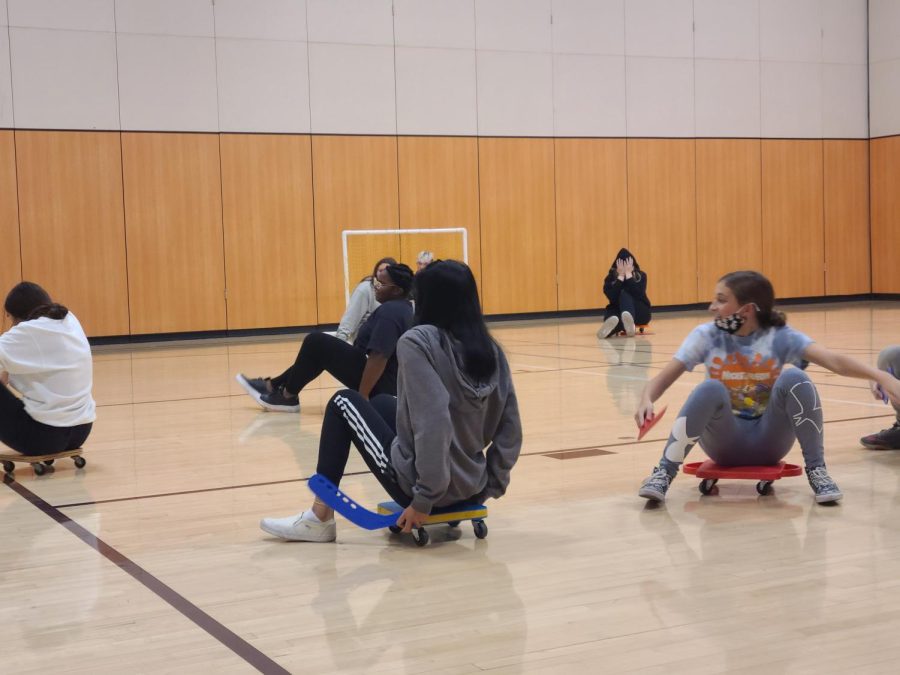
Gym clothes are usually unisex, but some schools have different rules for boys and girls. Girls may need sports bras or leggings. Boys may wear longer shorts or tank tops.
Some students prefer gender-neutral gym clothes. Schools are becoming more flexible to support all students. If you have concerns, ask your teacher about allowed options.
Credit: aahsmountainecho.com
Gym Clothes And Cultural Considerations
Some students need gym clothes that respect their culture or religion. For example, modest clothing, head coverings, or special fabrics. Schools often make exceptions for these needs.
If you need special gym clothes, talk to your teacher or principal. Many schools allow long sleeves, pants, or headscarves if they are safe for activity.
Gym Clothes And Budget
Gym clothes do not have to be expensive. Many stores offer affordable options. Look for sales, buy in bulk, or share with siblings. Uniforms can save money because you buy only what you need.
Here’s a cost comparison:
| Item | Low Price | High Price | Average Price |
|---|---|---|---|
| T-Shirt | $5 | $30 | $15 |
| Shorts | $7 | $35 | $20 |
| Shoes | $20 | $120 | $60 |
| Socks | $2 | $10 | $5 |
Always buy what fits your budget and needs. Expensive brands are not always better.
Gym Clothes And Technology
New gym clothes use technology for better performance. Features include:
- Moisture-wicking fabrics
- Antibacterial materials to reduce odor
- Stretchy fibers for flexibility
- UV protection for outdoor sports
If your school allows, try gym clothes with these features. They can make exercise more comfortable and fun.
Gym Clothes And Peer Pressure
Many students feel pressure to wear certain brands or styles. Peer pressure can make gym class stressful. Remember, gym clothes are about function, not fashion. Follow your school’s rules and focus on comfort.
If you feel bullied or left out because of gym clothes, talk to a teacher or counselor. Schools want everyone to feel safe and welcome.
Non-obvious Insights
- Gym clothes can affect performance. Wearing the right material helps you move better and stay focused. Many students do not realize that uncomfortable clothes can reduce energy and cause distraction.
- Changing gym clothes quickly is a skill. Practice changing in private to avoid stress or embarrassment in the locker room. This is especially important for younger students or those new to gym class.
External Resources
For more information about gym clothes and school dress codes, visit Wikipedia.
Frequently Asked Questions
What Happens If I Forget My Gym Clothes At School?
Most schools require students to bring gym clothes for every class. If you forget, you may not be allowed to participate. Some schools lend clothes, but they may be old or uncomfortable. Always keep a spare set in your locker or bag.
Can I Wear My Regular Clothes For Gym Class?
Usually, regular clothes do not meet gym class requirements. Jeans, dresses, or street shoes are not safe for exercise. Always wear gym clothes made for movement, as required by your school.
How Often Should I Wash My Gym Clothes?
Wash your gym clothes after every use. Sweat and dirt build up quickly, and wearing unwashed clothes can cause odor and skin problems. Air-dry clothes to prevent shrinking and wear.
Are Expensive Gym Clothes Better Than Cheap Ones?
Not always. Expensive gym clothes may offer extra features, but fit, comfort, and material matter most. Many affordable brands make good gym clothes. Always check your school’s rules before buying.
What Should I Do If My Gym Clothes Don’t Fit?
If your gym clothes are too tight or loose, ask your parents or teachers for help. Wearing the wrong size can cause discomfort or injury. Try on clothes before buying, and keep receipts for exchanges.
Gym class is an important part of school life. With the right gym clothes, you can stay comfortable, safe, and ready to join in every activity. Remember to check your school’s rules, choose breathable fabrics, and care for your clothes regularly.
Gym clothes are not just about fashion—they help you succeed and feel confident in every class.
