

Should You Wear Gym Gloves? Pros, Cons, and Expert Tips
Should You Wear Gym Gloves
Your hands grip the bar. Sweat drips down your arm. The weight feels heavier as your palms start to slip. You wonder—should you wear gym gloves? Some lifters swear by them. Others say they’re useless. But what’s really the truth?
If you’ve ever asked yourself this question, you’re not alone.
Whether you’re a beginner in the gym or someone who has lifted for years, the debate about gym gloves pops up everywhere. Some people wear them every workout. Others never touch them. And then there are those who try them once and never look back—or never try them again. This article dives deep into all sides of the question. You’ll learn why people wear gym gloves, what science and real experience say, and how to decide if they are right for you.
What Are Gym Gloves?
Gym gloves are special gloves designed for workouts, especially weight training. They usually cover your palm and fingers. Some versions cover only the palm, leaving the fingers free. Materials like leather, neoprene, or synthetic blends are common. The main goals are to protect your hands and improve your grip.
While simple in design, there are many types of gym gloves. Some have extra padding. Others are thin and flexible. Some cover your wrists for extra support. The style you choose depends on your needs and preferences.
Why Do People Wear Gym Gloves?
People wear gym gloves for many reasons. Here are the most common:
- Hand protection: Gloves protect your skin from blisters, calluses, and cuts.
- Better grip: Sweaty hands can slip on bars. Gloves help you hold on better.
- Wrist support: Some gloves have straps that support weak or tired wrists.
- Comfort: Padding can make heavy weights feel less painful.
- Confidence: Some people feel more secure and lift heavier when they wear gloves.
But it’s not just about comfort. For many, gloves are a small investment that helps them train harder and longer.
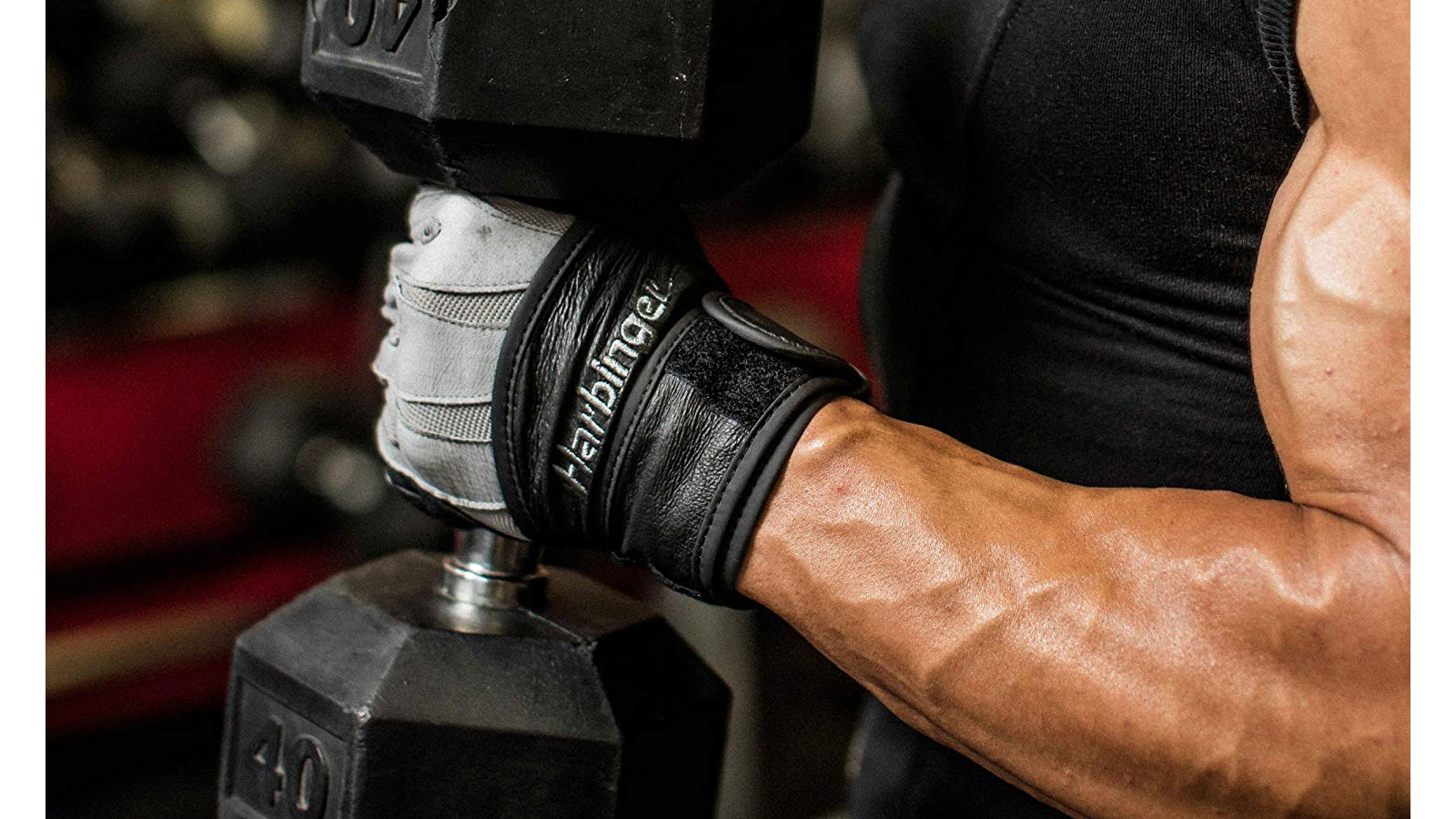
Credit: www.t3.com
Main Benefits Of Wearing Gym Gloves
Let’s go deeper into the specific advantages of using gym gloves.
1. Protecting Your Skin
Weightlifting can be tough on your hands. Repeated friction from bars and dumbbells causes calluses and blisters. For people with sensitive skin, even one session can cause pain or tears. Gloves act as a barrier, reducing direct contact with rough surfaces.
For some, calluses are a “badge of honor.” But for others—especially those who work with their hands, play instruments, or care about appearance—smooth hands matter. If you’re worried about rough skin, gloves can help.
2. Improving Grip Strength
Sweat is a big problem in the gym. As you lift, your hands get moist, making bars slippery. Gloves with textured palms increase friction and grip. This helps you hold weights more securely. Many gloves use rubber, silicone, or special patterns for extra grip.
A better grip means you can focus on the exercise, not on your hands slipping. This is especially important for beginners or during heavy lifts like deadlifts and pull-ups.
3. Supporting Your Wrists
Some gym gloves come with built-in wrist wraps. These support your wrists during pressing movements (like bench press or overhead press). If you have a history of wrist pain or weakness, this support can be valuable.
Wrist support is not just for injury prevention. It also helps you keep your wrists straight, which can improve form and reduce strain.
4. Reducing Pain And Discomfort
Lifting heavy weights can hurt your palms, especially during high-rep sets. Gloves with padding cushion the pressure between your hand and the bar. This can make lifting more comfortable, so you can focus on your workout.
If you’re new to lifting, the pain in your hands can sometimes stop you before your muscles are tired. Gloves help you push through this early discomfort.
5. Hygiene
Gym equipment is touched by many people. Sweat, dirt, and bacteria collect on bars and dumbbells. Wearing gloves creates a barrier, lowering your risk of picking up germs or skin infections.
While washing hands is still important, gloves add another layer of protection. This is especially useful in busy gyms.
6. Confidence And Performance
Feeling secure in your grip and comfort helps you focus on good form and higher weights. Some lifters find that gloves give them a mental boost. When their hands feel protected, they lift with more confidence and less hesitation.
Downsides Of Wearing Gym Gloves
While gym gloves have benefits, they also come with drawbacks. Here’s what you should consider:
1. Reduced Grip Strength Development
Gloves can improve grip during a workout, but they can also prevent your hands and forearms from getting stronger. Relying on gloves for every lift means your natural grip strength may not develop as well as it could.
For athletes who need strong hands—like rock climbers or gymnasts—this can be a problem.
2. Bad Fit And Bulkiness
Not all gloves are comfortable. Some are too thick, making it hard to feel the bar. Bulky gloves can change how you grip, especially for exercises like pull-ups or barbell rows. If the gloves don’t fit well, they can bunch up, causing discomfort or even blisters.
3. Less Sensation And Control
Bare hands give you direct feedback from the bar. Gloves add a layer between you and the weight. This can reduce the “feel” of the lift. For advanced lifters, this loss of sensation can make it harder to adjust grip or correct form.
4. Extra Maintenance
Gloves collect sweat and need regular washing. If you don’t clean them, they can smell bad or develop bacteria. Some materials take longer to dry, which can be annoying if you train often.
5. False Sense Of Security
Gloves can make you feel safer than you are. You might try to lift more than you’re ready for, thinking the gloves will protect you. But gloves can’t prevent all injuries or accidents.
6. Cost
While gym gloves are not expensive, they are still an extra cost. Quality gloves can range from a small price to quite high, especially those with special features. They also wear out over time and need replacing.

Credit: www.menshealth.com
Who Should Consider Wearing Gym Gloves?
Gym gloves are not for everyone. Here’s who can benefit most:
- Beginners: If you’re new to lifting, gloves can make the first few months more comfortable. You’ll avoid blisters and painful hands, so you can focus on learning good form.
- People with sensitive skin: If your skin tears or blisters easily, gloves offer protection.
- Those with sweaty hands: If grip is your main problem, gloves with textured palms help a lot.
- Anyone recovering from hand injuries: Gloves cushion and protect healing skin or scars.
- People who care about hand appearance: If you want to avoid calluses or rough skin, gloves are a good choice.
However, if you’re training for grip strength or want to feel the bar directly, you might skip gloves.
Who Might Not Need Gym Gloves?
Some people are better off without gloves:
- Advanced lifters: If you want to develop raw grip strength, bare hands are best.
- Powerlifters and Olympic lifters: In competitions, gloves are usually not allowed. Chalk is preferred.
- People with good hand calluses: Once your skin is toughened, you may not need gloves.
- Those who dislike extra gear: If you prefer a minimal approach, gloves may annoy you.
It’s not wrong to skip gloves. Many strong lifters never use them.
Types Of Gym Gloves
Choosing the right glove matters. Here are the main types you’ll find:
1. Full-finger Gloves
These cover the entire hand, including fingers. They offer the most protection from blisters and cuts. Good for people with very sensitive skin, but can get hot and sweaty.
2. Half-finger Gloves
The most common style. These cover your palm and half your fingers, leaving fingertips free. They balance protection and feel, and are good for most lifters.
3. Fingerless Grip Pads
These are just pads for your palms, with straps for your fingers. They are light, easy to put on and take off, and don’t cover your whole hand. Good for people who want some protection but don’t like full gloves.
4. Gloves With Wrist Support
These come with built-in wrist wraps for extra support. Good for pressing movements or if you have weak wrists.
5. Specialized Gloves
Some gloves are made for specific sports, like CrossFit or cycling. They might have extra grip or padding in certain places.
6. Liquid Grip
Not really a glove, but a gel or lotion you rub on your hands. It dries into a sticky layer for grip. Good for people who don’t like wearing gloves but want less sweat.
What To Look For When Choosing Gym Gloves
With so many options, it’s easy to get confused. Here’s what matters most:
Fit
Gloves should fit snugly but not too tight. Loose gloves can bunch up, while tight ones cut off circulation. Try different sizes and brands if you can.
Material
Leather is durable and gives good grip. Neoprene is soft and flexible. Synthetic blends can be lighter but may wear out faster. Choose material based on your needs and how much you sweat.
Padding
More padding means more comfort, but less “feel” of the bar. Less padding is better for control, but can be tough on your hands. Find a balance that works for you.
Wrist Support
If you want extra support, look for gloves with built-in wraps. If not, choose a simpler design.
Breathability
Some gloves have mesh or holes for airflow. This keeps your hands cooler and reduces sweat.
Ease Of Cleaning
Look for gloves that can be washed and dry quickly. Avoid gloves that hold bad smells.
Price
You don’t need the most expensive gloves. But very cheap gloves may wear out fast. Find a quality pair that fits your budget.
Comparing Gloves, Chalk, And Bare Hands
When thinking about gym gloves, you might also hear about chalk or just using bare hands. Here’s a simple comparison:
| Feature | Gym Gloves | Chalk | Bare Hands |
|---|---|---|---|
| Grip | Improved, but may reduce feel | Strongest, most natural | Natural, but slippery when sweaty |
| Hand Protection | High | Low | Low |
| Hygiene | High | Medium | Low |
| Maintenance | Needs washing | Needs reapplying | None |
| Cost | Medium | Low | None |
Common Myths About Gym Gloves
Many ideas about gym gloves are not true. Let’s clear up the confusion.
Myth 1: Gloves Make You Weak
Some say gloves “make you weak.” This is not true. Gloves protect your hands but don’t stop you from building muscle. However, if you always use gloves, your grip strength may not improve as quickly.
Myth 2: Only Beginners Wear Gloves
Many experienced lifters use gloves, especially for high-rep sets or long workouts. There’s no shame in protecting your hands.
Myth 3: Gloves Prevent All Injuries
Gloves help with skin and grip, but they can’t prevent injuries from bad form, lifting too heavy, or other mistakes.
Myth 4: Gloves Are Unhygienic
If you wash your gloves regularly, they are cleaner than using bare hands on dirty gym equipment.
How To Use Gym Gloves Properly
To get the most from gym gloves, use them correctly:
- Choose the right size: Gloves should be snug but not tight.
- Put them on before lifting: Make sure they’re secure and flat on your hands.
- Wash them often: Clean after every few uses to prevent smell and bacteria.
- Remove after training: Take gloves off between sets if your hands get too sweaty.
- Replace when worn out: Old gloves lose grip and protection.
Common Mistakes To Avoid
- Wearing gloves that are too loose or too tight.
- Never cleaning your gloves.
- Relying on gloves for every single exercise (sometimes, bare hands are better).
- Using gloves with too much padding, making it hard to hold the bar.
Exercises Where Gym Gloves Matter Most
Not every exercise needs gloves. Here are the most common moves where gloves help:
- Deadlifts: Heavy deadlifts can tear skin and build big calluses.
- Pull-ups/Chin-ups: Hanging from a bar stresses your hands.
- Barbell Rows: Friction from the bar can cause blisters.
- Kettlebell Swings: The handle rubs the palm with each rep.
- Dumbbell Work: High reps can cause skin pain.
- Bench Press: Gloves with wrist support can help if you have weak wrists.
For some exercises, gloves are less useful:
- Push-ups: Little friction, so gloves are usually not needed.
- Leg Press: Hands are not involved much.
- Cardio Machines: Optional—depends on grip comfort.

Credit: www.woolyyarn.com
Real-life Experiences: What Lifters Say
Many lifters have strong opinions about gym gloves. Here’s what real people often share:
- Beginners: “Gloves helped me stick to the gym. My hands didn’t hurt, so I kept coming back.”
- Intermediate lifters: “I used gloves at first, but switched to chalk for grip strength.”
- Advanced lifters: “I use gloves for long sets, but go bare-handed for heavy lifts.”
- People with hand injuries: “After a cut healed, gloves kept my skin safe.”
One non-obvious insight: Some lifters alternate—using gloves for high-rep work and bare hands for grip-building exercises. This allows for the best of both worlds.
Another tip: Some gloves wear out fast if used on rough bars. Investing in a higher-quality pair saves money over time.
How To Care For Your Gym Gloves
Good gloves last longer if you care for them. Here’s how:
- Wash after every few uses: Use mild soap and water. Avoid hot water, which can damage materials.
- Air dry: Don’t use a dryer. Hang gloves in a well-ventilated area.
- Avoid leaving gloves in your gym bag: Bacteria grows in dark, damp places.
- Check for wear: Replace gloves with holes or worn grip.
Some gloves are machine-washable, but always check the label first.
Alternatives To Gym Gloves
If you don’t like gym gloves, there are other options:
- Chalk: Many lifters use gym chalk for better grip. Chalk dries sweat and increases friction. However, some gyms don’t allow it due to dust.
- Liquid grip: A lotion that dries on your hands. Less mess than chalk, but needs reapplying.
- Grip pads: Small pads that fit in your hand for protection but not full coverage.
- Lifting straps: Not gloves, but straps help you hold heavy weights, especially for deadlifts.
Each choice has pros and cons. Try different methods to see what feels best.
Are Gym Gloves Worth It? The Key Factors
So, should you wear gym gloves? The answer depends on your goals, comfort, and training style. Here are the main points to consider:
- If you value hand protection and comfort, gloves are a great choice.
- If your goal is maximum grip strength, train bare-handed or with chalk.
- If you have sweaty hands or care about hygiene, gloves help.
- If you dislike extra gear or want direct contact with the bar, skip gloves.
Your decision doesn’t have to be permanent. You can use gloves for some exercises and not for others. Test both ways and see what fits your training.
Data And Research: What Studies Suggest
Research on gym gloves is limited but helpful. Some studies show that gloves can slightly reduce grip strength compared to bare hands or chalk. However, they also reduce skin injuries and pain, letting you train longer.
One study found that gloves with textured palms improved grip more than smooth gloves. Another study showed that gloves with wrist support reduced wrist strain during pressing exercises.
Remember, science can guide you, but personal experience matters most. Try gloves for a few weeks and see how your hands and performance feel.
For more details on grip and hand protection in sports, check out this Weight Training resource.
Frequently Asked Questions
Do Gym Gloves Help Prevent Calluses?
Yes. Gym gloves add a layer between your skin and the bar, which reduces friction. This helps prevent calluses and blisters. However, gloves don’t stop them completely, especially if you lift very heavy or often.
Are Gym Gloves Good For Sweaty Hands?
Definitely. If your hands sweat a lot, gloves with textured palms can improve grip and prevent slipping. Look for gloves with breathable material to reduce sweat build-up.
Will Using Gym Gloves Weaken My Grip?
If you always use gloves, your natural grip strength might not develop as quickly. To keep building grip, try some exercises without gloves or use alternatives like chalk.
Can I Wash Gym Gloves In The Machine?
Some gym gloves are machine-washable, but always check the label. Most can be washed by hand with mild soap and air-dried. Avoid putting leather gloves in a dryer.
Are There Alternatives To Gym Gloves For Better Grip?
Yes. Common alternatives are gym chalk, liquid grip, grip pads, and lifting straps. Each has its own pros and cons. Try different options to see what works best for you.
Making the choice about gym gloves is personal. Think about your comfort, goals, and training needs. Test different options, listen to your hands, and you’ll find what works best for you. Whether you wear gloves or go bare-handed, the key is to stay safe, train smart, and enjoy your workouts.
