

What are Business Casual Clothes Men Should Wear in 2024?
What Are Business Casual Clothes Men
Business casual is a dress code that confuses many men. It sits between formal suits and relaxed jeans-and-tee outfits. Most offices and professional settings today use business casual. But what does it really mean for men? This guide will help you understand, choose, and wear business casual clothes confidently.
You will learn the basics, see examples, get style tips, and avoid common mistakes. If you ever wonder, “Is this shirt okay for work? ” or “Are sneakers business casual? ”—you’ll find clear answers here.
Understanding Business Casual For Men
Business casual is not a strict set of rules. It is a flexible style that mixes professional and comfortable pieces. Unlike formal attire, you do not need a full suit or tie. But it is also more polished than casual weekend wear.
The goal is to look sharp, trustworthy, and ready for work—without feeling stiff. You want clothes that fit well, use good materials, and show you care about your appearance. Business casual is about looking clean and presentable, not flashy or lazy.
You should always appear neat, even if you are not wearing a suit.
Key Features Of Business Casual
- Collared shirts are common (button-down or polo)
- Dress pants or chinos (not jeans)
- Leather shoes or clean sneakers (in some offices)
- Blazers or sport coats (optional, but adds polish)
- No shorts, graphic t-shirts, or flip-flops
Some offices allow sweaters or vests over shirts, especially in cooler months. Keep in mind, the key is to avoid items that look too casual or sporty. Even small details, like tucking in your shirt or wearing a belt, make a big difference.
Why Business Casual Matters
Most companies use business casual because it fits modern work culture. Employees feel comfortable, but still look professional. Studies show that business casual can improve morale and productivity. In fact, more than 70% of US offices now prefer business casual, according to a survey by the Society for Human Resource Management.
The shift to business casual also helps companies attract younger talent. Many younger professionals value comfort and flexibility. Business casual allows workers to focus on their tasks, not just their appearance. It also reduces stress for people who don’t like formal suits.
Essential Business Casual Pieces For Men
If you want to build a business casual wardrobe, start with these basics. They mix well and work for most situations.
Dress Shirts
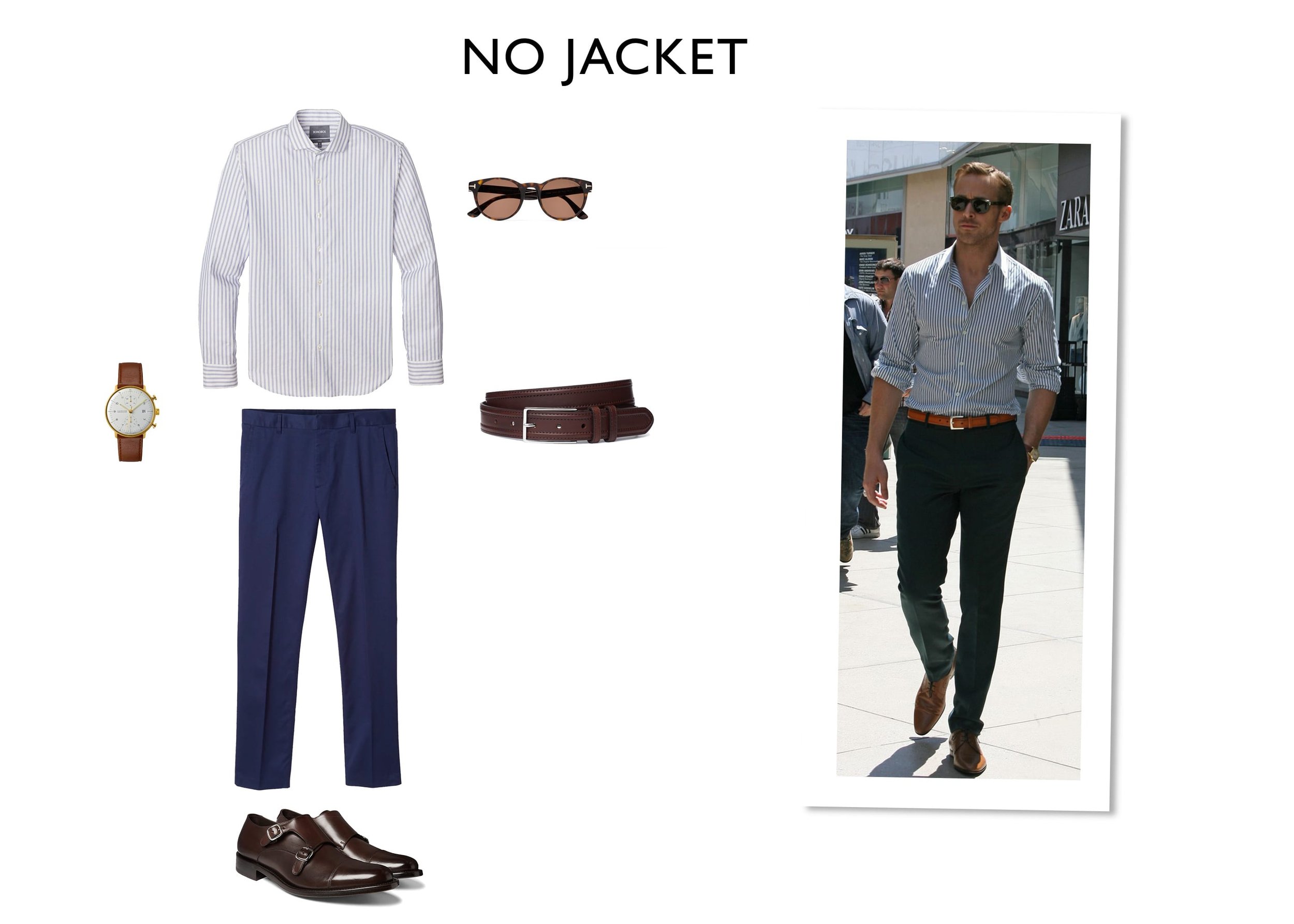
A classic dress shirt is the foundation of business casual. Choose button-down shirts in solid colors or simple patterns. White, light blue, and pale pink are safe choices. Avoid shirts with loud prints or logos.
Dress shirts should fit comfortably—not too tight or too loose. Look for shirts made from cotton or cotton blends. They are breathable and easy to care for. You can wear them with the sleeves rolled up for a more relaxed look, but always make sure the shirt is clean and pressed.
Polo Shirts
Polo shirts are acceptable in many business casual offices. They are less formal than dress shirts but still neat. Pick polos in neutral colors and avoid flashy designs.
Polo shirts are great for warmer days or less formal Fridays. Choose polos made from high-quality cotton or performance fabrics that resist wrinkles. Try to avoid polos with large logos or bright stripes. If you sweat easily, look for moisture-wicking polos.
Chinos And Dress Pants
Chinos are the most popular business casual pants. They are comfortable, stylish, and come in many colors. Navy, gray, and beige are the best options. Dress pants (slacks) are also good, especially for meetings.
Chinos offer a good balance between comfort and style. They are softer than dress pants and easier to care for. Dress pants, usually made from wool blends, are more formal and often used for important meetings or events. Make sure your pants are hemmed to the right length—pants that are too long or short look sloppy.
Blazers And Sport Coats
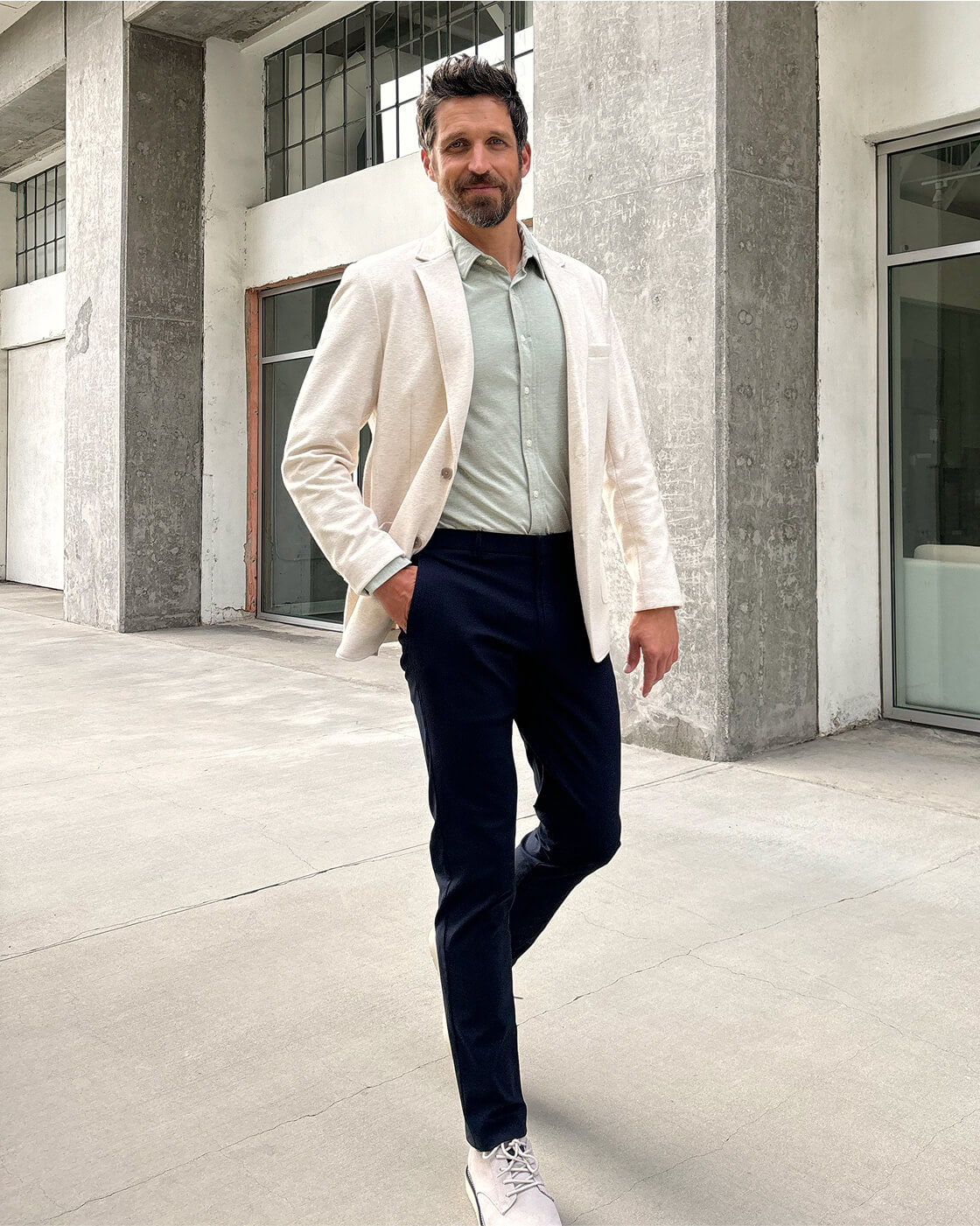
A blazer adds instant professionalism. You don’t need to wear it every day, but keep one handy for important meetings or presentations. Navy and gray blazers are classic.
Sport coats can add texture and interest to your outfit. They are slightly less formal than blazers and often come in different fabrics and patterns. If you choose a patterned sport coat, keep the rest of your outfit simple. Try pairing a blazer with chinos for a modern look.
Shoes
Leather shoes are best. Choose oxfords, derbies, or loafers in black, brown, or tan. Some offices allow clean sneakers, but avoid athletic styles.
Your shoes should always be clean and polished. Loafers are comfortable and easy to slip on, while oxfords and derbies give a more formal touch. If your office allows sneakers, choose minimal designs in neutral colors—white, black, or gray. Avoid running shoes or anything with bright colors.
Accessories
Keep accessories simple. A classic watch, leather belt, and subtle socks are enough. Avoid flashy jewelry or bright ties.
You can add a pocket square to your blazer for extra style, but stick to muted colors. If you wear glasses, choose frames that are simple and professional.
Credit: www.stitchfix.com
Business Casual Vs. Other Dress Codes
Many men confuse business casual with other styles. Let’s compare them to help you understand the differences.
| Dress Code | Typical Attire | Formality Level |
|---|---|---|
| Formal | Suit, dress shirt, tie, dress shoes | High |
| Business Casual | Collared shirt, chinos, blazer (optional), leather shoes | Medium |
| Smart Casual | Polo, chinos or jeans, clean sneakers | Low-Medium |
| Casual | T-shirt, jeans, sneakers | Low |
As you can see, business casual is more relaxed than formal but more polished than casual.
Smart casual lets you wear jeans and sneakers, but they must be clean and well-fitted. Business casual rarely includes jeans unless your office allows them. Formal means you need a suit and tie, while casual is anything comfortable—even shorts or sandals.
Building A Business Casual Wardrobe
Creating a business casual wardrobe doesn’t mean buying everything at once. Start small and add pieces over time.
Step 1: Start With Basics
Buy two or three dress shirts, two pairs of chinos, and one pair of leather shoes. These will cover most days.
If you work in a climate with hot summers, consider adding a lightweight shirt or a short-sleeve button-down. Choose colors that match your skin tone and hair color—this makes you look healthier and more confident.
Step 2: Add Layers
Get a blazer or sport coat for meetings. Add a polo shirt for Fridays or less formal days.
Sweaters and vests are good for cooler months. Try a thin merino wool sweater over a shirt for a stylish look. Layering is not just for warmth—it adds depth to your outfit.
Step 3: Mix And Match
Choose colors that go well together. For example, navy chinos, a light blue shirt, and a gray blazer. This way, you get more outfits from fewer pieces.
Try combining different textures, like a cotton shirt with a wool blazer. This makes your outfit more interesting. Use accessories to change your look—a belt in a different color or a watch with a unique strap.
Step 4: Upgrade Gradually
Over time, add more shirts, pants, and shoes. Look for higher-quality materials like cotton, wool, and leather.
Invest in a second blazer or a pair of shoes in a different color. Replace worn-out items with better ones. As your wardrobe grows, you can experiment with different patterns and styles.
Examples Of Business Casual Outfits
Seeing examples helps you understand business casual better. Here are a few outfit ideas for different occasions.
Standard Office Day
- Light blue button-down shirt
- Navy chinos
- Brown leather loafers
- Black belt
This outfit works for most offices and makes you look reliable. If you want, add a slim sweater in a neutral color.
Important Meeting
- White dress shirt
- Gray blazer
- Black dress pants
- Black oxford shoes
Wear this for big meetings or presentations. The blazer shows you are serious. Make sure your shirt is ironed and your shoes are polished.
Casual Friday
- Dark green polo shirt
- Beige chinos
- Clean white sneakers
- Leather watch
This is a relaxed but neat look. You can swap the polo for a short-sleeve button-down if your office allows.
After-work Event
- Patterned button-down shirt (small checks)
- Navy sport coat
- Dark gray chinos
- Tan loafers
This outfit is more stylish and works for networking or drinks. Keep patterns subtle and avoid anything too bold.
Choosing The Right Fabrics
Fabric matters in business casual. Good materials look professional and feel comfortable.
Cotton
Most business casual shirts and pants use cotton. It is soft, breathable, and easy to care for.
Cotton shirts are ideal for hot weather. They absorb sweat and keep you cool. Choose shirts with a slight stretch for extra comfort.
Wool
Wool is common for blazers and dress pants. It looks sharp and keeps its shape.
Wool is warm and durable. Blazers made from wool blends resist wrinkles and look good all day. If you have allergies, look for wool that is soft and not itchy.
Linen
Linen is good for summer. It is light and cool, but can wrinkle easily.
Linen shirts and pants are best for hot, humid climates. To reduce wrinkles, hang linen clothes or use a steamer before wearing.
Synthetic Blends
Some clothes use synthetic blends like polyester. They are durable and wrinkle-resistant, but can feel less comfortable.
Synthetic blends are easy to wash and dry. They are good for travel or busy days, but avoid blends that feel rough or trap heat.

Credit: www.hockerty.com
Colors And Patterns In Business Casual
Color choice is important in business casual. Aim for neutral and muted tones.
Safe Colors
- Navy
- Gray
- Beige
- White
- Light blue
These colors mix easily and work for almost any office. They also suit most skin tones.
Acceptable Patterns
Small checks, thin stripes, and subtle prints are fine. Avoid large patterns or bold graphics.
Patterns add interest but should not distract. If you wear a patterned shirt, keep your pants and blazer simple.
Matching Colors
Stick to two or three colors per outfit. For example, a navy blazer, white shirt, and gray pants.
If you want to try a new color, start with accessories like a tie or socks. This is safer than wearing a bright shirt or pants.
Business Casual For Different Body Types
Not every man is the same shape. Choose clothes that fit your body well.
Slim Or Athletic
If you are slim, pick slim-fit shirts and pants. Avoid baggy clothes.
Slim-fit clothes make you look sharp and modern. Try layering to add volume—like a sweater over a shirt.
Broad Or Heavy
If you are broad, choose regular-fit shirts and pants. Avoid tight clothes.
Regular-fit clothes give you room to move. Choose vertical stripes—they make you look slimmer. Avoid thick fabrics that add bulk.
Tall
Tall men look good in longer shirts and pants. Try patterns to break up height.
If you are very tall, avoid skinny ties or pants—they can make you look even taller. Try blazers with two buttons instead of three.
Short
Short men should avoid large patterns. Choose clothes that fit close to the body.
Wear pants with a slight taper. Avoid cuffs or rolled sleeves—they shorten your look. Try monochrome outfits (one color) to appear taller.
Common Business Casual Mistakes
Even experienced men make mistakes with business casual. Here are some to avoid.
- Wearing wrinkled or dirty clothes
- Choosing jeans instead of chinos or dress pants
- Wearing athletic sneakers instead of leather shoes
- Picking shirts with bold logos or prints
- Forgetting to tuck in shirts (unless the style allows)
- Over-accessorizing with jewelry
- Ignoring fit (clothes should not be too tight or too loose)
Another mistake is wearing shirts with stains or missing buttons. Always check your clothes before leaving for work. Avoid strong cologne—subtle scents are better.
How To Shop For Business Casual Clothes
Shopping can be confusing. Here are tips to help you get the right pieces.
Check The Dress Code
Before buying, ask your HR or manager about the office dress code. Some offices are stricter than others.
If you’re not sure, observe what your coworkers wear. It’s better to start more formal and relax later.
Choose Quality Over Quantity
Buy fewer, better-quality items. They last longer and look nicer.
Look for clothes with strong stitching, solid buttons, and smooth fabric. Cheap clothes often lose shape after a few washes.
Try Clothes Before Buying
Fit is key in business casual. Try shirts and pants in person, or order from stores with easy returns.
Move around when trying clothes—sit, bend, and stretch. This helps you see if the clothes are comfortable.
Shop Sales And Outlets
You can find good deals on business casual clothes at outlet stores.
Mid-range brands often have sales on last season’s styles. Try online stores for wider selections.
Avoid Fast Fashion
Cheap clothes often look worn after a few washes. Invest in quality brands.
Cheap fabrics can fade or shrink quickly. Spend more for lasting style.
Caring For Business Casual Clothes
Looking sharp means caring for your clothes.
Washing
Follow the care label. Most shirts and chinos need cold water and gentle cycle.
If you want clothes to last longer, wash them inside out. Avoid using too much detergent.
Ironing
Wrinkled clothes look sloppy. Iron shirts and pants before wearing.
Use steam for shirts and wool pants. If you don’t like ironing, try wrinkle-resistant fabrics.
Storing
Hang shirts and blazers on sturdy hangers. Fold pants neatly.
Store shoes in a cool, dry place. Use cedar shoe trees to keep leather shoes in shape.
Shoe Care
Polish leather shoes often. Use shoe trees to keep their shape.
Clean sneakers with a damp cloth. Avoid strong chemicals—they damage fabric.
Business Casual For Different Seasons
Business casual changes with the weather. Here’s how to adapt.
Spring
Wear light cotton shirts and chinos. Add a blazer if it’s cool.
Try pastel colors or light patterns. Layer with a thin sweater if needed.
Summer
Choose linen shirts and lightweight pants. Avoid heavy blazers.
Go for short-sleeve shirts or polos. Make sure your clothes breathe.
Fall
Layer with sweaters and jackets. Dark colors work well.
Try wool pants and thicker shirts. Add a scarf for extra warmth.
Winter
Wear wool pants and thick shirts. Add a wool blazer or coat.
Use gloves and hats in neutral colors. Choose boots or leather shoes for warmth.
Business Casual In Different Industries
Not all workplaces mean the same thing by business casual. Here’s how it differs.
Tech Companies
Most tech offices are relaxed. Polos, chinos, and clean sneakers are common.
You can add a hoodie or sweater if your office allows. Comfort is key.
Law Firms
Law firms are stricter. Wear dress shirts, blazers, and leather shoes.
Avoid casual items like polos or sneakers. Stick to classic colors.
Creative Agencies
Creative workplaces allow more color and pattern. Try checked shirts or bold socks.
You can experiment with unique accessories. Just make sure your outfit is still neat.
Finance
Finance is formal. Stick to dress shirts, slacks, and classic shoes.
Wear a blazer for meetings. Choose neutral colors and subtle patterns.
Business Casual For Travel And Conferences
If you travel for work, pack smart.
Packing Tips
- Choose wrinkle-resistant fabrics
- Pack two shirts for every day
- Bring a versatile blazer
- Use shoe bags for leather shoes
Roll clothes to save space and avoid wrinkles. Choose shoes that work for both meetings and dinners.
Conference Outfits
Look professional but comfortable. Try a navy blazer, white shirt, and gray pants.
Bring an extra shirt in case of spills. Add a sweater for cool conference rooms.
Business Casual And Personal Style
Business casual lets you show personality without being flashy.
Add Subtle Touches
Try a patterned shirt, colored socks, or a unique watch.
A pocket square or a patterned belt can add style. Just keep it simple.
Stay Within Guidelines
Don’t wear bold colors or wild prints unless your office allows it.
If you want to try something new, start with accessories or small details.
Express Confidence
The right fit and style help you feel confident at work.
Stand tall, keep your clothes clean, and smile. Confidence is the best accessory.
Business Casual Clothes For Men: Price Comparison
Cost varies by brand and material. Here is a price range for common business casual items.
| Item | Budget Price (USD) | Mid-Range Price (USD) | Premium Price (USD) |
|---|---|---|---|
| Dress Shirt | $25–$40 | $45–$80 | $85–$150 |
| Chinos | $30–$50 | $55–$100 | $110–$180 |
| Blazer | $60–$120 | $125–$250 | $260–$500 |
| Leather Shoes | $50–$90 | $95–$180 | $190–$350 |
You do not need to buy premium brands. Mid-range clothes often offer good value and durability.
Buying one higher-quality item is better than several cheap ones. Look for sales, but check the quality before buying.
Business Casual Outfit Ideas For Different Occasions
Different events call for different business casual looks. Here are ideas:
Job Interview
- Pale blue dress shirt
- Navy chinos
- Gray blazer
- Brown leather shoes
This outfit shows you are professional but not stiff. Avoid bold patterns.
Presentation
- White shirt
- Charcoal dress pants
- Navy blazer
- Black oxford shoes
Make sure your clothes are ironed and your shoes polished. Confidence matters.
Office Party
- Patterned button-down shirt
- Tan chinos
- Clean sneakers
- Leather belt
Choose a subtle pattern. If you wear a blazer, keep it light.
Client Meeting
- Light gray dress shirt
- Navy dress pants
- Black loafers
- Minimalist watch
Keep your outfit simple and clean. Avoid flashy accessories.
Non-obvious Insights For Beginners
Some details are easy to miss when starting with business casual.
1. Fit Is More Important Than Brand
A $30 shirt that fits well looks better than a $150 shirt that is too loose. Most beginners focus on brands or price, but fit matters most.
Tailoring can turn cheap clothes into stylish outfits. Always check the fit before buying.
2. Shoes Make A Big Difference
Shoes are often overlooked. Well-polished, classic leather shoes can elevate your entire outfit—even if the rest is simple.
Invest in shoe care products. Good shoes last longer and improve your look.
3. Layering Adds Style
Adding a sweater or vest over your shirt creates a more interesting look. Layering is rarely used by beginners but makes outfits stand out.
Mix colors and textures when layering. Try a wool sweater over a cotton shirt.
Credit: www.theessentialman.com
Business Casual Clothes For Men: Material Comparison
Different materials have unique pros and cons. Here’s a quick comparison.
| Material | Pros | Cons |
|---|---|---|
| Cotton | Comfortable, breathable, easy to care for | Can wrinkle, may shrink |
| Wool | Sharp look, keeps shape, warm | Can be expensive, needs special care |
| Linen | Cool for summer, lightweight | Wrinkles easily, less formal |
| Polyester Blend | Durable, wrinkle-resistant, affordable | Less breathable, can feel synthetic |
Choose materials based on season, comfort, and care needs.
If you want easy care, try polyester blends. For style and comfort, cotton and wool are better.
Sustainable Business Casual Choices
Many men want clothes that are better for the environment. Here’s how to choose:
- Buy clothes made from organic cotton or recycled materials
- Support brands with fair labor practices
- Avoid fast fashion
- Take care of your clothes so they last longer
Look for brands with eco-friendly certifications. Repair clothes when possible. For more on sustainable clothing, visit Wikipedia's Sustainable Fashion page.
Frequently Asked Questions
What Is The Main Difference Between Business Casual And Smart Casual?
Business casual is more formal. It usually requires collared shirts, dress pants, and leather shoes. Smart casual allows jeans, clean sneakers, and relaxed shirts.
Can Men Wear Jeans In Business Casual?
Most offices do not allow jeans for business casual. If your office is more relaxed, dark, well-fitted jeans may be acceptable. Always check your company’s policy.
Are Sneakers Allowed In Business Casual?
Some modern offices accept clean, minimal sneakers. Avoid athletic or flashy styles. Leather shoes are safer for most workplaces.
Is A Tie Needed For Business Casual?
Ties are not required for business casual. You can wear one if you want, but it is optional.
How Can I Make My Business Casual Outfit Look More Stylish?
Focus on fit, add layers like a blazer or sweater, choose good shoes, and use subtle accessories (watch, belt, socks).
Business casual clothes for men are about balancing professionalism and comfort. The right choices help you look sharp and feel confident every day. Whether you work in a strict office or a creative space, understanding business casual will help you succeed.
Try new combinations, pay attention to fit and care, and don’t be afraid to show a bit of personality. With these tips, your business casual wardrobe will always be ready for any occasion.
