

How to Dress Business Casual Men: Essential Style Tips
How To Dress Business Casual Men
Finding the right balance between formal and relaxed can be tricky. Many men feel unsure when faced with the term business casual. What does it really mean? Is it just about wearing a shirt and skipping the tie? Or are there more rules to follow? This guide will help you understand business casual for men, so you always look sharp and confident at work, meetings, or networking events.
Business casual is not a fixed set of clothes. It changes depending on your company, location, and industry. But there are key guidelines you can follow. We’ll explore what business casual means, how to build your wardrobe, what to avoid, and how to adapt for different occasions.
You’ll also find practical tips, real-world examples, and answers to common questions. Whether you are just starting your career or want to update your style, you’ll discover everything you need to look professional yet comfortable.
What Is Business Casual?
Business casual is a dress code that blends professional attire with a more relaxed style. It aims to keep you looking polished without the stiffness of a full suit and tie. In most offices, business casual is the standard, but expectations differ.
Key features:
- No full suit required
- No tie necessary (but optional in some workplaces)
- Collared shirts are standard
- Dress pants or chinos, not jeans
- Dress shoes or clean loafers
Business casual is about being neat, respectful, and approachable. You want to show you care about your appearance, but not look overdressed. This helps create a good impression and builds trust with colleagues and clients.
Typical Business Casual Items
Let’s look at what’s usually included:
- Button-down shirts (solid or subtle patterns)
- Chinos or dress slacks (neutral colors)
- Blazers (optional, adds sophistication)
- Sweaters (fine knit, over a shirt)
- Leather shoes (oxfords, loafers, brogues)
- Belts (matches shoes)
Avoid items like ripped jeans, graphic t-shirts, sneakers, or flashy accessories. Even small details, like socks or watches, can affect how business casual looks. For example, a pair of neat, dark socks is much better than bright or novelty socks.
Building Your Business Casual Wardrobe
Creating a business casual wardrobe is simple if you focus on essentials. Start with the basics, then add pieces for variety. Having a few quality items is better than owning many poor-fitting or mismatched clothes.
Essential Pieces
- Dress Shirts
- Choose white, light blue, or soft gray.
- Look for cotton, poplin, or other breathable fabrics.
- Avoid shirts with bold prints or logos.
- A few shirts in solid colors make it easy to mix and match.
- Chinos and Dress Pants
- Stick to navy, beige, black, or gray.
- Chinos offer comfort and flexibility.
- Dress pants give a more formal touch.
- Having both allows you to adjust based on the occasion.
- Blazers and Sports Coats
- Not always required, but useful for meetings or presentations.
- Go for single-breasted styles in navy or charcoal.
- A blazer instantly upgrades your look, even if the rest of your outfit is simple.
- Sweaters
- V-neck or crew neck styles in neutral colors.
- Layer over a shirt for colder days.
- Choose lightweight knits for easy layering.
- Leather Shoes
- Oxfords, brogues, or loafers in brown or black.
- Keep them clean and polished.
- Shoes are often noticed first, so invest in quality.
- Belts
- Match belt color to your shoes.
- Avoid oversized or flashy buckles.
- A simple leather belt is best for business casual.
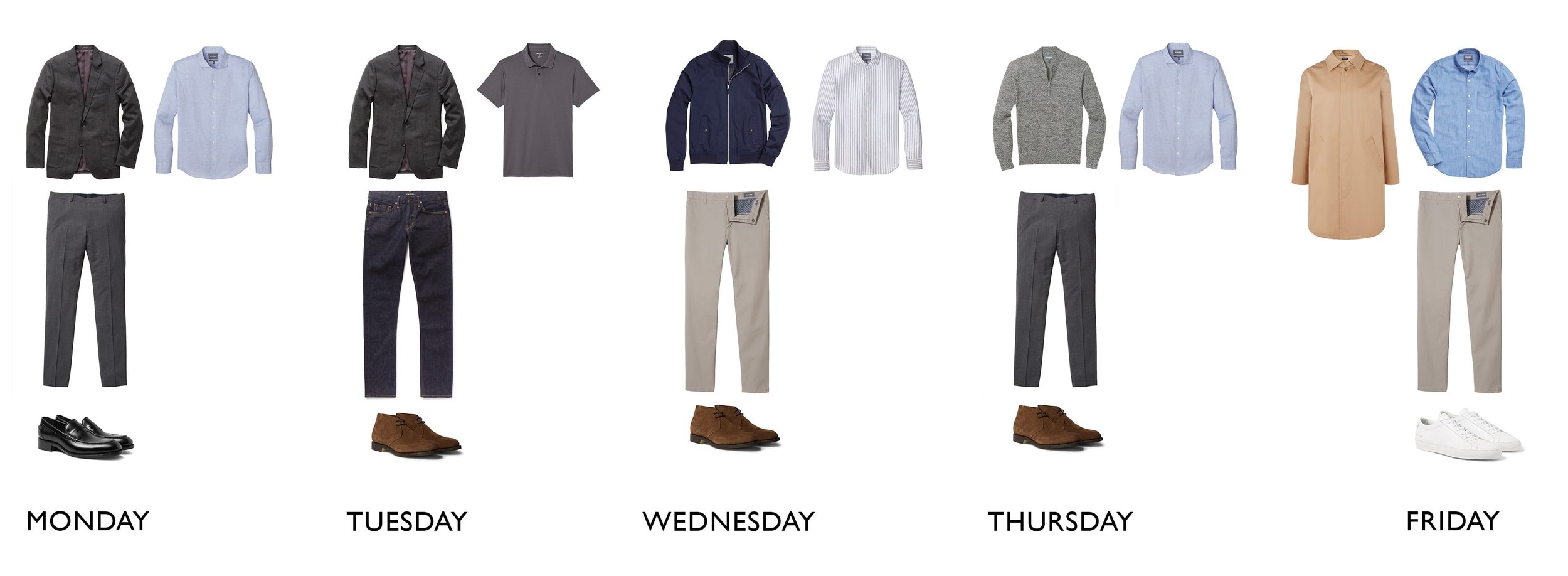
Building Outfits
Mix these items to create many looks. For example:
- White shirt + navy chinos + brown loafers
- Light blue shirt + gray dress pants + black oxfords
- Pale gray sweater + white shirt + beige chinos
Try layering a blazer over a sweater for a smart winter look, or wear a shirt alone in summer. When you buy new items, focus on versatility. Each piece should match at least three others in your wardrobe. This makes it easier to create different outfits without needing many clothes.
Credit: www.theessentialman.com
Choosing The Right Business Casual Shirts
Shirts are the foundation of business casual. Picking the right shirts can make your outfit look smarter and more professional. The shirt sets the tone for your outfit, so pay attention to details like collar style and button quality.
Types Of Shirts
- Button-down shirts: Most common, works well tucked or untucked.
- Oxford cloth shirts: Thicker and slightly more casual.
- Dress shirts: More formal, usually worn tucked in.
Try shirts with a soft collar for a relaxed feel, or a stiff collar for formal days. Some offices prefer button-down collars, while others like spread collars.
Patterns And Colors
Stick with simple colors and patterns. Avoid anything too loud.
- Solid colors: White, light blue, gray, beige
- Subtle patterns: Thin stripes, small checks
- Avoid: Large prints, bright colors, bold logos
A pale blue shirt works with almost any pants or shoes, while small checks can add interest without being distracting. Patterns should always be subtle—think fine lines, not wide stripes.
Fit Matters
A shirt should fit your shoulders and chest without being tight. Sleeves should reach your wrist. If your shirt is too baggy, it looks sloppy. Too tight, and it feels uncomfortable.
Look for shirts with darts or shaping in the back. This helps the shirt follow your body, making you look sharper. Many beginners skip tailoring, but a small adjustment can improve your look a lot.
Shirt Comparison Table
Here’s a quick comparison of shirt styles for business casual:
| Type | Formality | Best For | Common Colors |
|---|---|---|---|
| Button-Down | Medium | Daily office wear | White, blue, gray |
| Oxford Cloth | Low-Medium | Casual Fridays | Blue, pink, white |
| Dress Shirt | High | Presentations, meetings | White, pale blue |
Selecting Business Casual Pants
Pants play a big role in your overall look. Choose pairs that are comfortable but smart. Pants should fit well and hang straight from the waist.
Types Of Business Casual Pants
- Chinos: Soft, comfortable, and easy to match. Best for daily wear.
- Dress pants: More formal, good for meetings or events.
- Wool trousers: Great for colder months, adds class.
Avoid jeans, cargo pants, shorts, or anything distressed. Even dark jeans can be risky unless your workplace allows them.
Fit And Length
Your pants should sit comfortably at your waist. The hem should touch the top of your shoes without bunching up. Slim or straight fits look modern, but avoid skin-tight styles.
If you have trouble finding the right length, take pants to a tailor. A small change in length or waist can make inexpensive pants look expensive.
Color Choices
Stick with neutral colors:
- Navy
- Gray
- Black
- Beige
Bright colors or bold patterns are not suitable for business casual. For more variety, try olive or muted dark green, but use these sparingly.
Shoes For Business Casual
Shoes can make or break your outfit. Good shoes show attention to detail. Shoes also affect comfort—standing or walking all day is easier in well-made shoes.
Popular Business Casual Shoes
- Oxfords: Classic and formal, suits most outfits.
- Loafers: Slip-on, comfortable, slightly more relaxed.
- Derby shoes: Similar to oxfords, but less formal.
- Brogues: Decorative holes, adds interest without being flashy.
- Chelsea boots: Stylish for colder weather.
Avoid sneakers, sandals, or athletic shoes. Even if sneakers look clean, they lack the smart edge needed for business casual.
Shoe Comparison Table
This table compares popular business casual shoes:
| Shoe Type | Formality | Comfort | Best With |
|---|---|---|---|
| Oxfords | High | Medium | Dress pants |
| Loafers | Medium | High | Chinos, dress pants |
| Brogues | Medium | Medium | Chinos |
| Chelsea Boots | Medium | High | Wool trousers, chinos |
Shoe Care
Keep shoes clean and polished. Use shoe trees to maintain shape. Rotate pairs to avoid wear. Avoid wearing the same shoes every day.
If your shoes get scuffed, polish them before your next workday. Many men ignore shoe care, but this detail shows professionalism.
Accessories And Business Casual
Accessories add personality but must stay subtle. Too many can make your outfit look messy. Accessories should support your outfit, not distract from it.
Recommended Accessories
- Belts: Should match your shoes.
- Watches: Metal or leather strap, avoid sporty designs.
- Socks: Choose neutral colors, avoid bright patterns.
- Pocket squares: Optional, keep simple if you wear a blazer.
- Ties: Optional, stick with solid or subtle patterns if needed.
A slim leather watch is a great choice. If you wear a pocket square, choose white or a single color.
What To Avoid
- Flashy jewelry
- Large logos
- Colorful or patterned suspenders
- Loud or novelty socks
A good rule: If you notice your accessory more than your outfit, it’s too much. Accessories should never overpower your look.
Layering For Business Casual
Layering helps you adapt to changing weather and adds depth to your outfit. Layering can also make your wardrobe more flexible—one sweater can work with several shirts.
How To Layer
- Wear a blazer over a shirt for a meeting.
- Add a sweater or cardigan for warmth.
- Use a vest sparingly—only with a blazer.
Smart Layering Tips
- Keep colors neutral and matching.
- Avoid bulky layers.
- Choose lighter fabrics in summer, heavier in winter.
Try layering a thin sweater under a blazer for extra warmth. In warmer months, skip the sweater and just wear a shirt.
Layering can make your look more interesting and help you feel comfortable throughout the day.
Business Casual In Different Workplaces
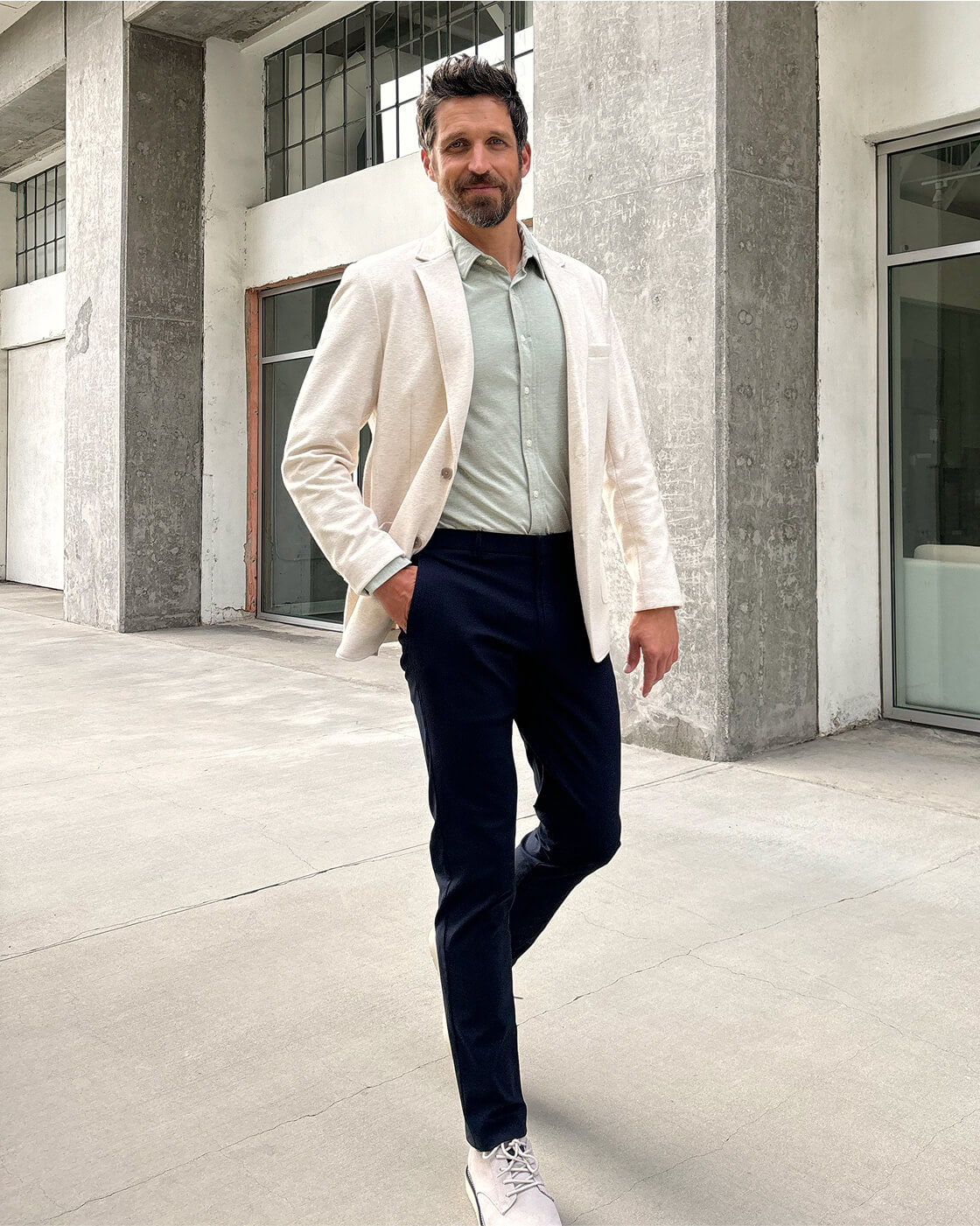
Business casual means different things in different companies. Always check your company’s dress code. Tech companies are often more relaxed, while law firms or finance offices are stricter.
Examples
- Tech start-up: Chinos, button-down shirt, clean sneakers (if allowed)
- Corporate office: Dress pants, collared shirt, blazer, oxford shoes
- Creative agency: Chinos, patterned shirt, loafers
If you’re unsure, look at what managers or senior staff wear. Adjust your style to fit in, but add your own touches to stay comfortable.
When in doubt, dress slightly more formal until you learn what others wear.
Credit: www.stitchfix.com
Business Casual For Different Occasions
You may need to adjust your business casual style for meetings, interviews, or after-work events.
Meetings
For important meetings, add a blazer or wear darker colors. Avoid casual shoes. Even a simple navy blazer can help you look more polished.
Interviews
Go for the safest option: dress pants, crisp shirt, blazer, and formal shoes. Even if the office is casual, first impressions count. Make sure your clothes are clean, pressed, and fit well.
Office Parties
You can relax your outfit a bit—try a smart sweater or untucked shirt. But avoid anything too casual. A cardigan over a collared shirt works well for less formal events.
Common Business Casual Mistakes
Many men make mistakes when dressing business casual. Avoid these to look your best.
- Wearing sneakers: Even clean sneakers don’t fit the business casual standard.
- Choosing jeans: Unless your company allows, stick to chinos or dress pants.
- Ignoring fit: Baggy or tight clothes look unprofessional.
- Bright colors: Keep your palette neutral.
- Too many accessories: Simple is better.
- Dirty shoes: Always keep shoes polished.
- Untucked shirts: Tuck in shirts unless they are designed to be worn untucked.
- Mixing athletic wear: Joggers, hoodies, or gym clothes are not business casual.
Another common mistake is forgetting grooming. Messy hair or unshaven faces can make even the best outfit look unprofessional.
Practical Tips For Dressing Business Casual
Get the most out of your business casual wardrobe with these tips:
- Plan ahead: Lay out clothes the night before.
- Invest in fit: Tailor pants or shirts if needed.
- Rotate outfits: Avoid wearing the same combination every day.
- Check dress code: When visiting new offices, ask about their dress code.
- Buy quality basics: Spend more on items you wear often.
- Maintain clothes: Steam shirts, polish shoes, and keep pants pressed.
Non-obvious Insights
- Check shirt length: Some shirts are made to be worn untucked. If you prefer untucked, choose shirts with shorter tails. This detail is often missed by beginners.
- Subtle patterns: Thin stripes or small checks can add interest without being distracting. Many men think only solid colors are safe, but subtle patterns are just as professional.
- Mind the collar: Collars should stay crisp. If yours loses shape, ask a tailor to add collar stays or buy shirts with built-in stays.
- Watch the sleeve length: Sleeves should end at your wrist bone. If they are too long or short, get them adjusted.
Seasonal Business Casual Style
Business casual changes with the season. You need to adapt to stay comfortable and stylish.
Spring And Summer
- Choose lighter fabrics like cotton or linen.
- Wear lighter colors—white, pale blue, beige.
- Skip sweaters, opt for short-sleeve shirts if allowed.
- Avoid heavy shoes; loafers or light brogues are best.
Fall And Winter
- Go for heavier fabrics like wool or tweed.
- Add sweaters, cardigans, or vests.
- Darker colors—navy, charcoal, forest green.
- Try layering a scarf with your blazer for extra warmth.
Seasonal Clothing Table
Here’s a simple guide for seasonal business casual clothing:
| Season | Recommended Fabrics | Best Colors | Layering Options |
|---|---|---|---|
| Spring | Cotton, light wool | White, light blue | Light sweater |
| Summer | Linen, cotton | Beige, pale gray | No layers |
| Fall | Wool, tweed | Navy, brown | Cardigan, blazer |
| Winter | Heavy wool, flannel | Charcoal, black | Sweater, scarf |

Credit: www.youtube.com
Business Casual For Different Body Types
Everyone has a unique body shape. The right fit makes all the difference.
Slim Build
- Choose slim or tailored fits.
- Avoid oversized shirts or pants.
- Layer to add dimension.
- Wear thicker fabrics in winter to add structure.
Athletic Build
- Look for shirts with room in the shoulders and chest.
- Pants should fit the thighs without being loose.
- Avoid boxy blazers.
- Try stretch fabrics for comfort.
Larger Build
- Pick straight-fit pants, avoid skinny styles.
- Shirts should fit comfortably without pulling.
- Vertical stripes can make you look slimmer.
- Avoid shiny fabrics; matte finishes are more flattering.
Getting clothes tailored is one of the best ways to look good, no matter your body type.
Budget-friendly Business Casual
Looking sharp doesn’t have to be expensive. You can build a business casual wardrobe on a budget.
Tips For Saving Money
- Buy basic items in bulk (white shirts, navy chinos).
- Shop during sales or at outlet stores.
- Invest in quality shoes—they last longer.
- Mix and match for more combinations.
- Avoid trendy items that won’t last.
- Use a tailor to improve cheaper clothes.
Where To Shop
Many stores offer affordable business casual clothes. You can find good deals at outlets, department stores, and online retailers. For more guidance, check out advice from Business Insider.
Second-hand stores can also offer quality blazers or shoes for less. Focus on fit and fabric rather than brand.
Business Casual For Remote Work
Working from home is now common, but business casual still matters for video calls.
Video Call Tips
- Wear a collared shirt or sweater.
- Avoid T-shirts, even if only your upper body shows.
- Keep background tidy.
- Good grooming is important.
- Make sure your clothes are pressed and clean.
If your camera shows your hands, wear a watch or simple ring. This small detail adds professionalism.
How To Update Your Business Casual Style
Fashion changes over time. Keep your look modern and fresh.
Update Steps
- Replace worn-out items every year.
- Try new colors or patterns, but stay subtle.
- Watch how colleagues dress for inspiration.
- Follow style blogs or magazines for trends.
- Add new accessories, like a belt or watch, for a small update.
Common Mistakes When Updating
- Buying trendy clothes that don’t match your basics.
- Forgetting to check fit after weight changes.
- Ignoring shoe updates—old shoes can ruin a new outfit.
- Changing too much at once—update slowly for best results.
Frequently Asked Questions
What Exactly Is Business Casual For Men?
Business casual for men is a mix of formal and relaxed clothing. It usually means wearing dress pants or chinos, a collared shirt, and leather shoes. Ties and blazers are optional. Jeans, sneakers, and T-shirts are not allowed unless your company is very relaxed.
Can I Wear Jeans In Business Casual?
Usually, jeans are not part of business casual. Some modern offices allow dark, clean jeans with a blazer and formal shoes. But in most places, stick to chinos or dress pants.
Should I Wear A Tie With Business Casual?
A tie is not required for business casual. You can wear one if you want to look more formal, but most workplaces do not expect it. If you are unsure, check your company’s dress code.
How Can I Make My Business Casual Look More Stylish?
To look more stylish, focus on fit, layer smartly, and add subtle accessories. Try thin-striped shirts, a tailored blazer, or a leather watch. Avoid loud colors or too many accessories.
What Are The Best Colors For Business Casual?
The best colors are neutral and easy to match. Choose navy, gray, black, beige, white, or pale blue. Avoid bright or bold colors.
Business casual is about balance—professional but comfortable, polished but not stiff. With the right clothes, attention to fit, and a few smart choices, any man can master business casual. Remember, details matter: clean shoes, pressed shirts, and subtle accessories show you care. Adapt your style to your workplace and season, and keep updating your wardrobe for a fresh, modern look. With these tips, you can walk into any office, meeting, or event with confidence and style.
